
 English
 Español
 عربى
عربى русский
 中文简体
中文简体

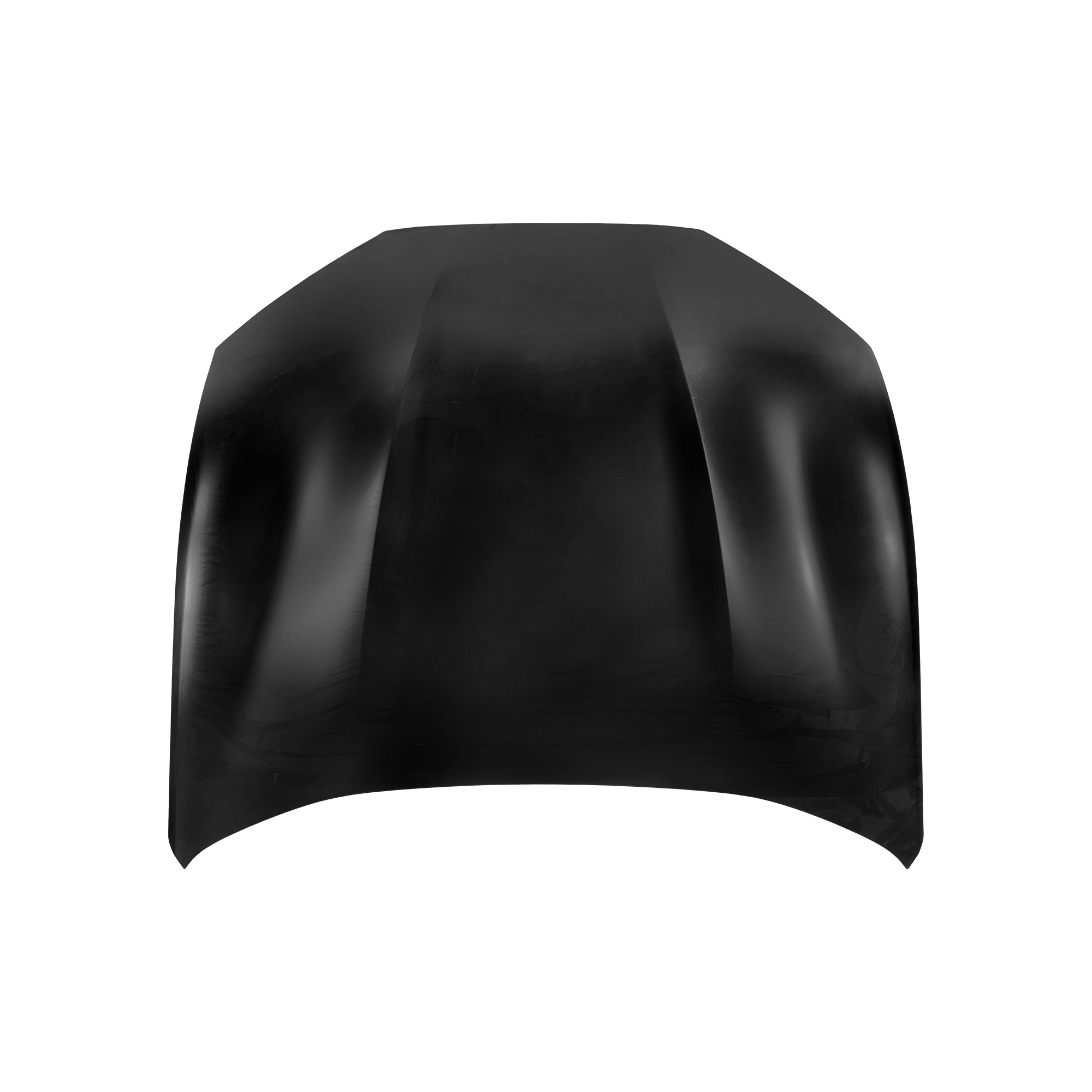
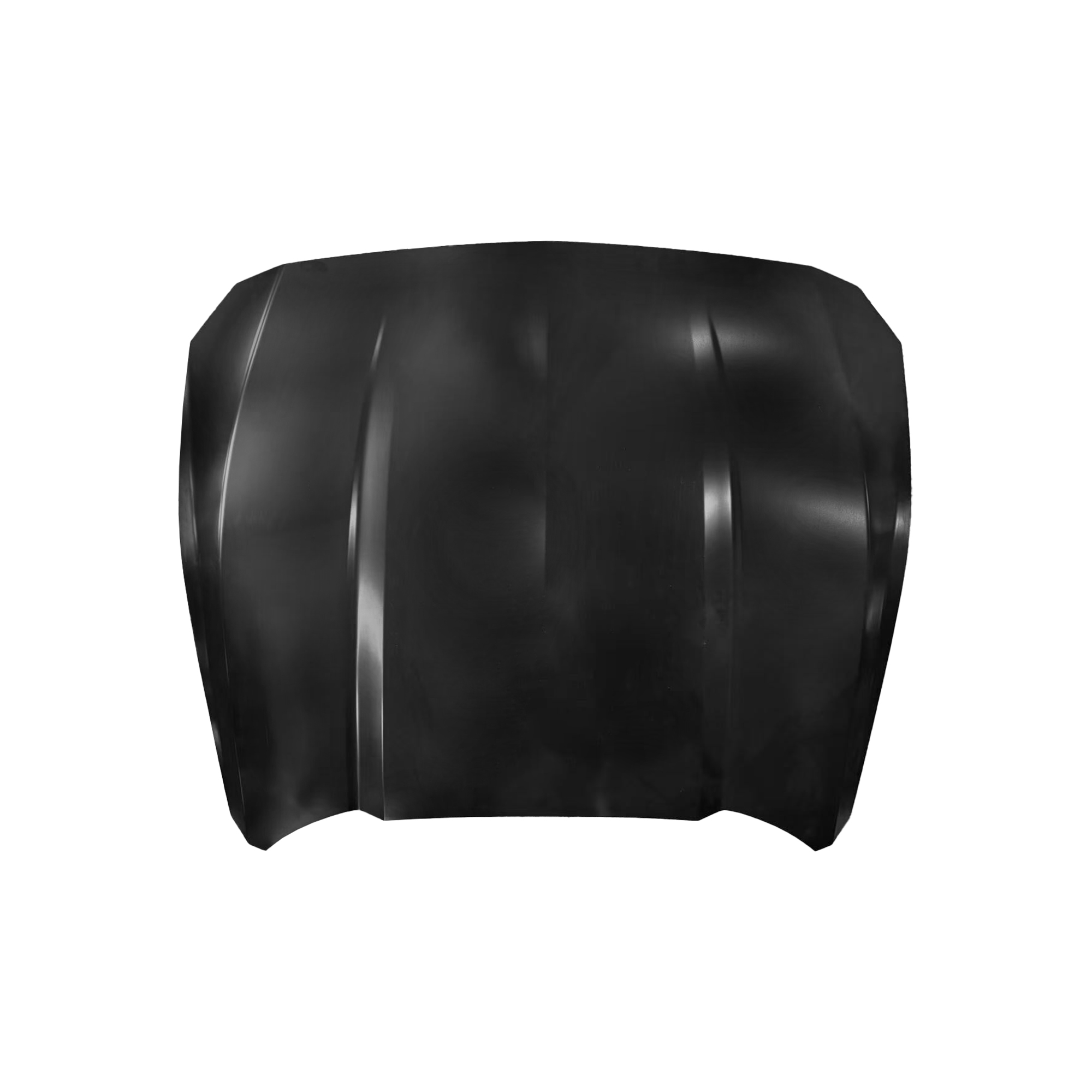
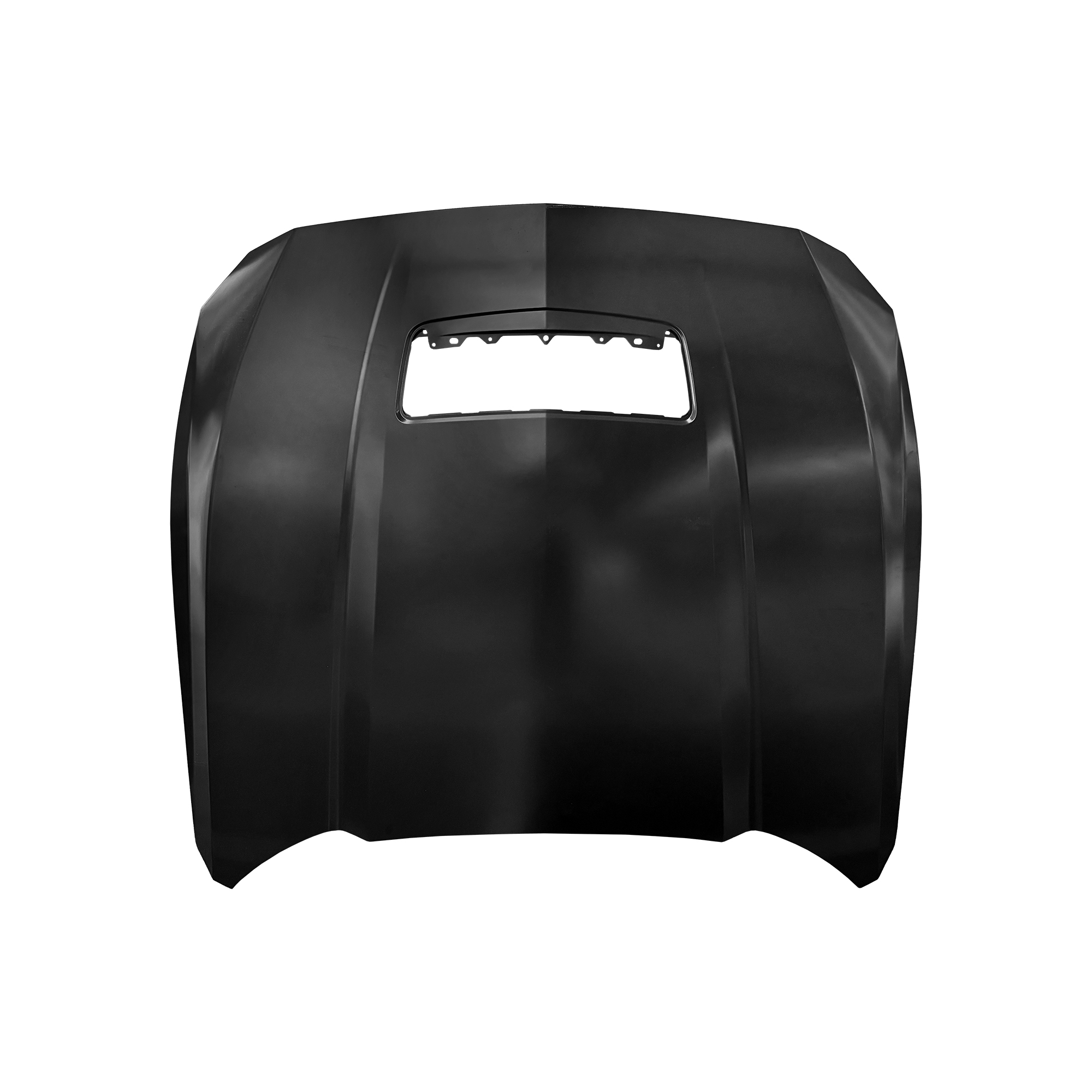
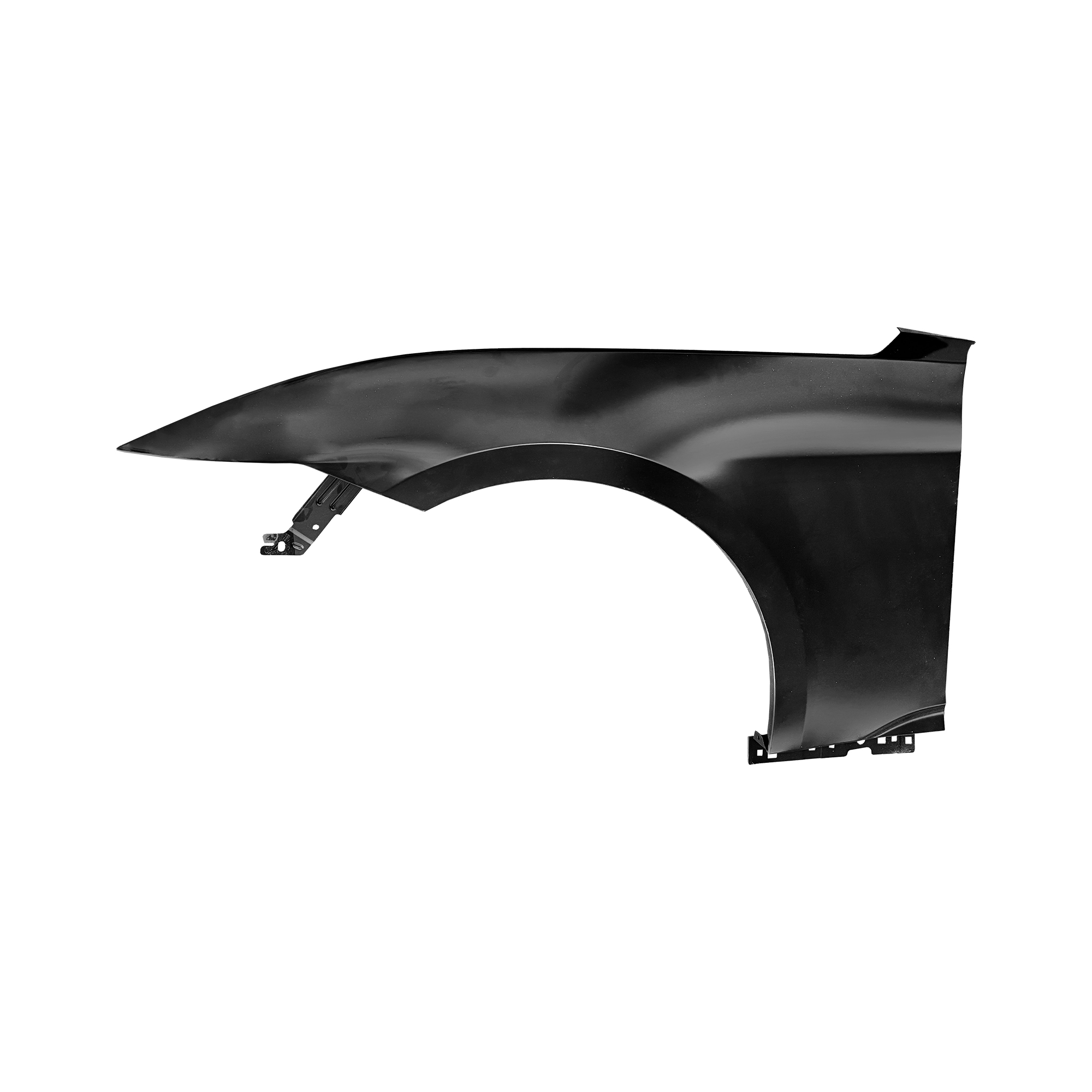
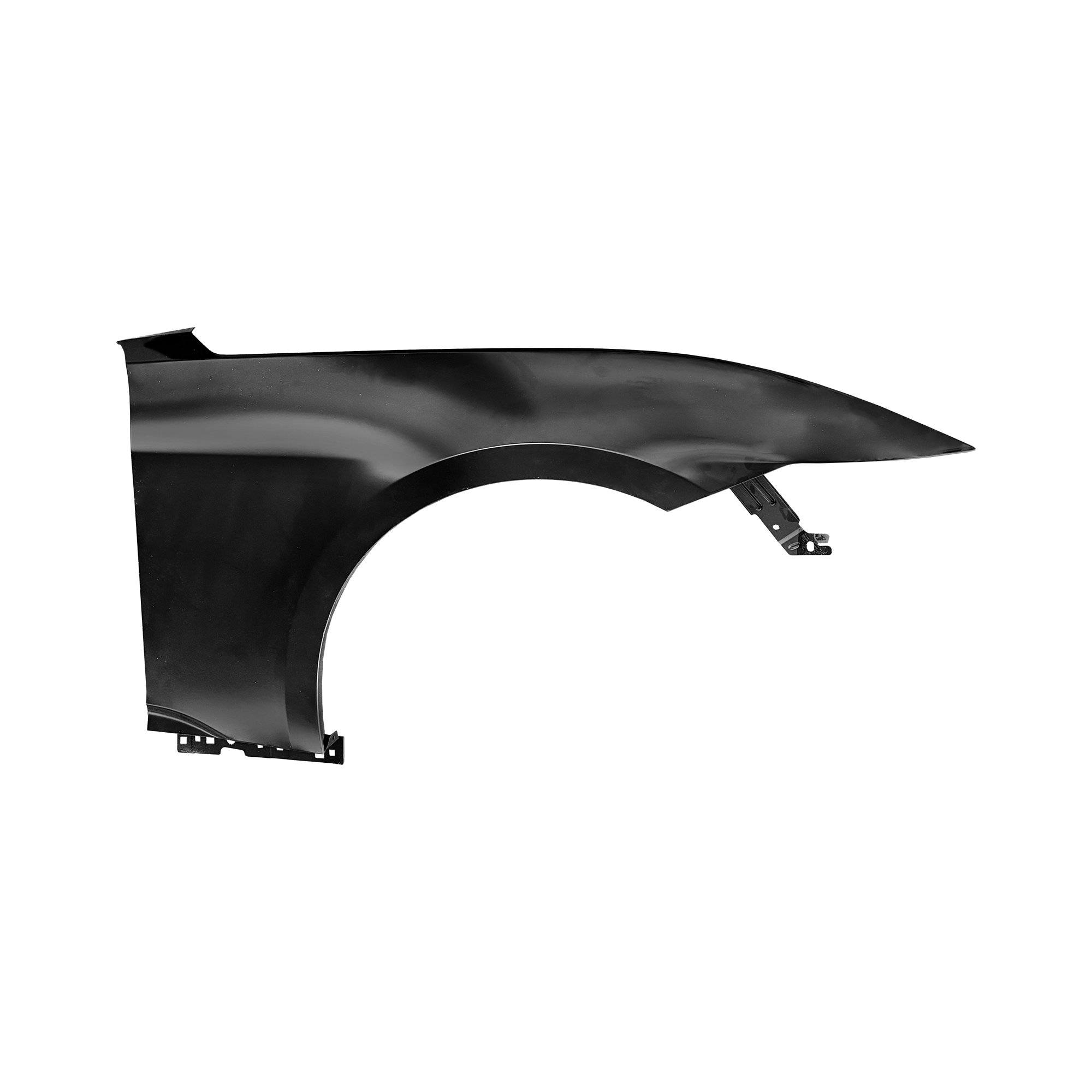
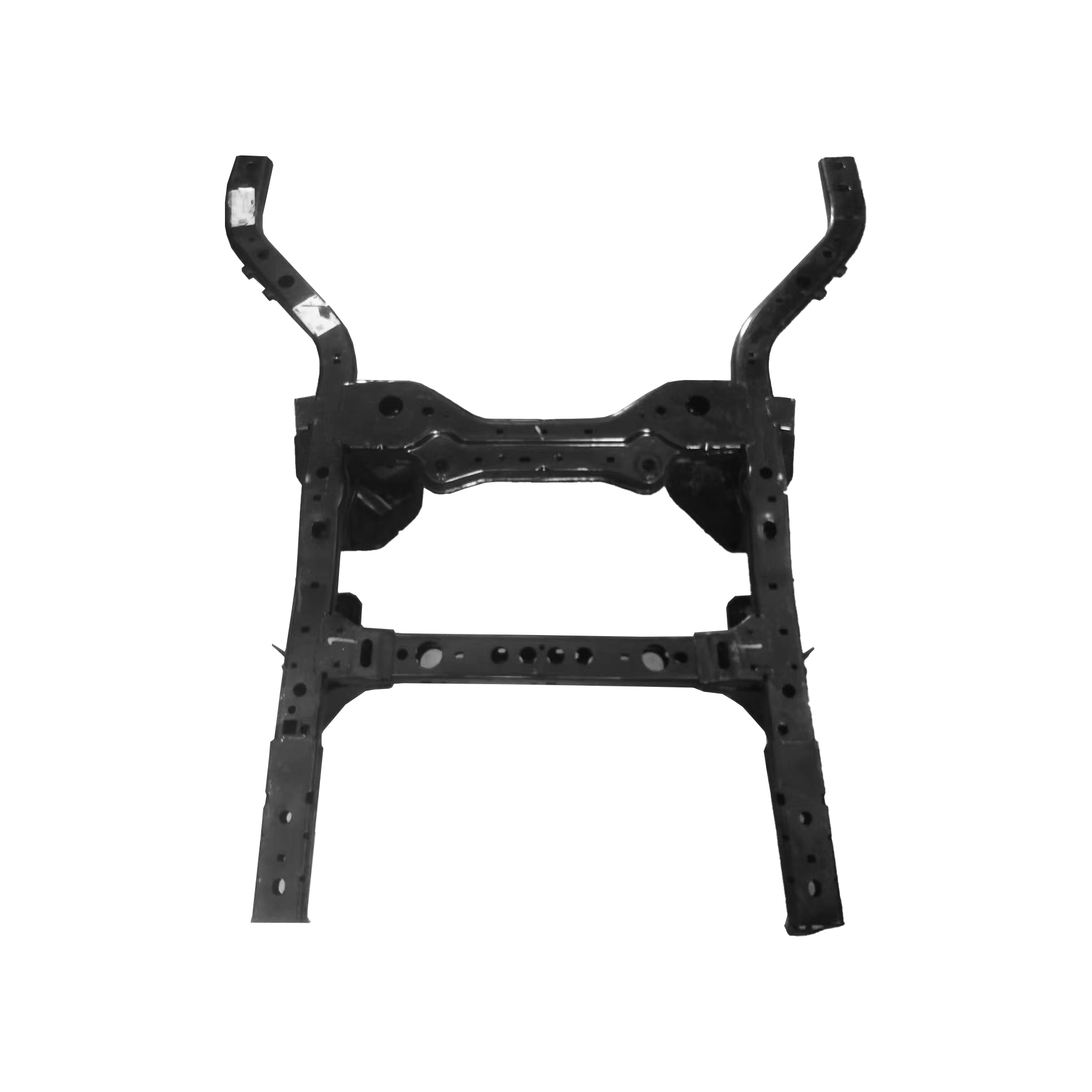
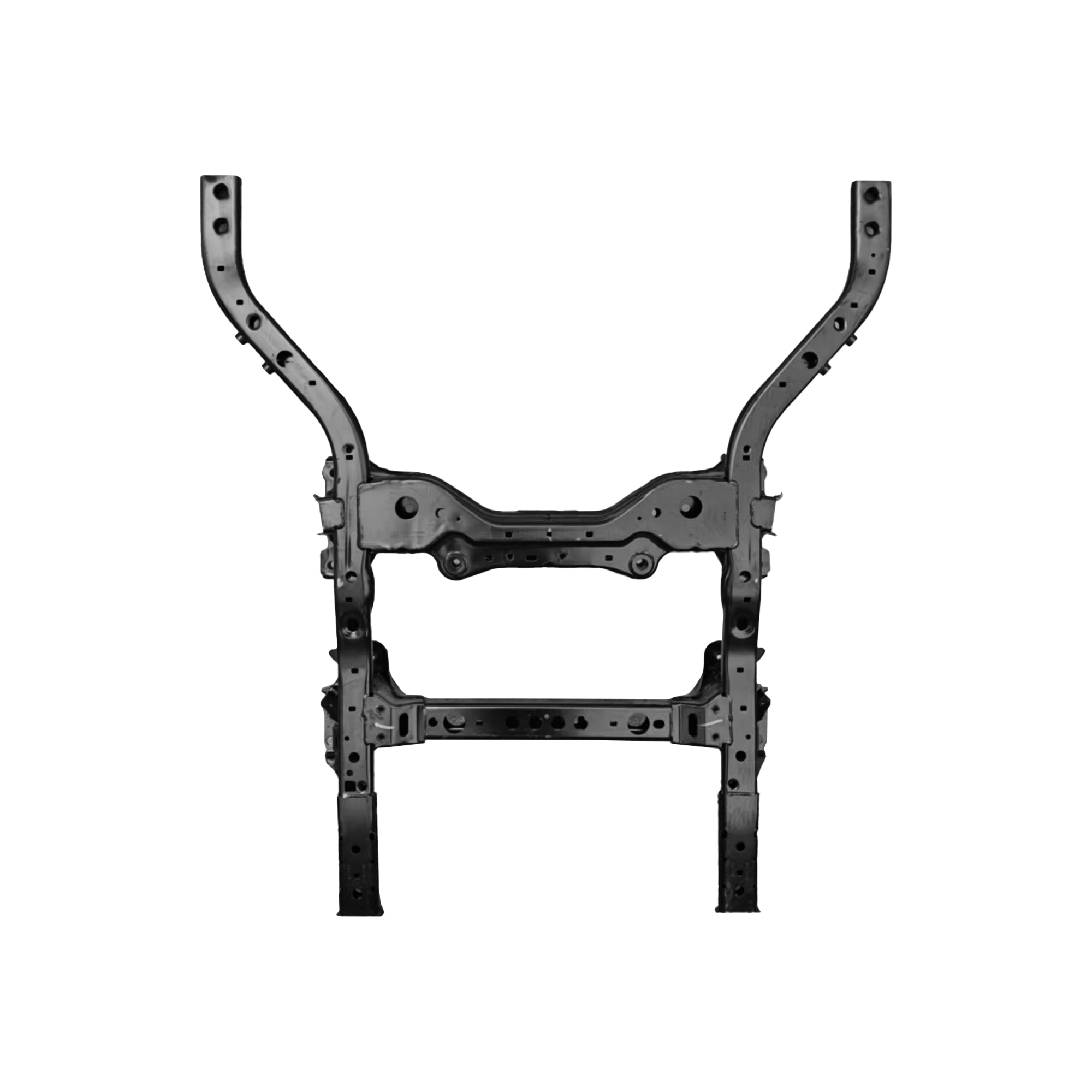
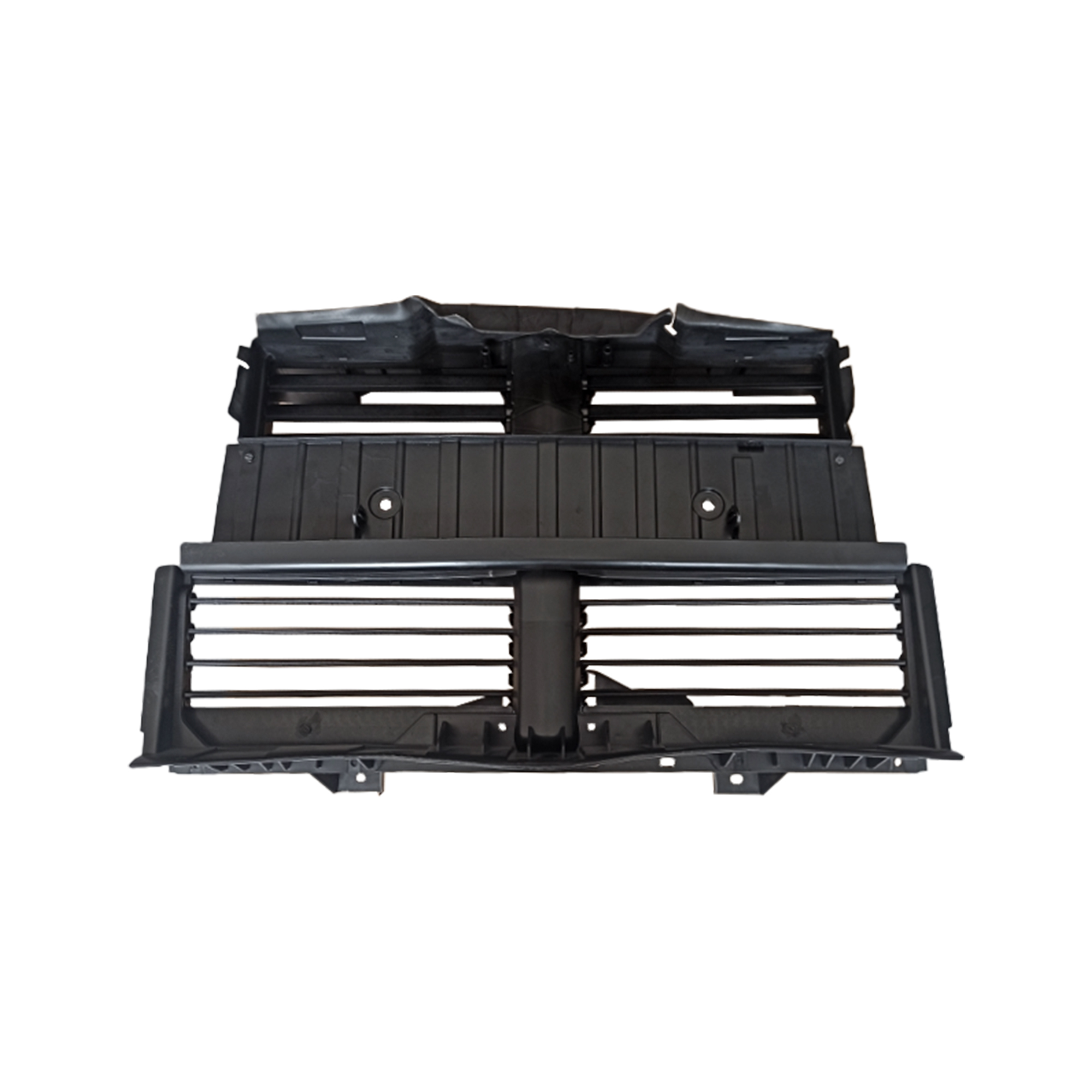
.jpg "REPLACEMENT CROSSMEMBER 5.0, 2015-, FOR FORD MUSTANG, JR3Z5C145A")






The Essential Guide to Ford Mustang Parts: Maximizing Performance and Longevity
The Ford Mustang remains an enduring icon of automotive engineering, representing a unique blend of raw power and sophisticated design. Maintaining the integrity of such a vehicle requires a deep understanding of Ford Mustang Parts, ranging from the smallest fasteners to complex structural body panels. For professionals and enthusiasts alike, selecting the right components is not merely about replacement; it is about ensuring that every technical specification aligns with the vehicle's original performance benchmarks.
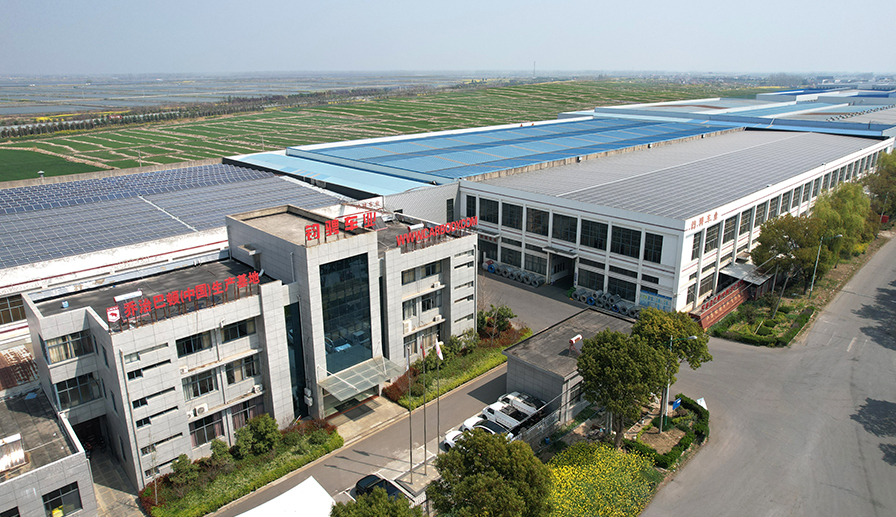
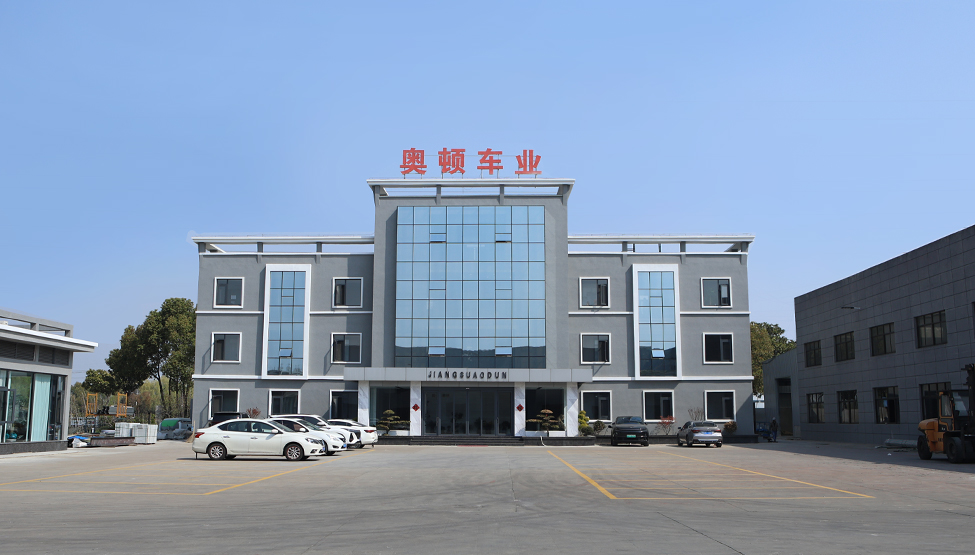
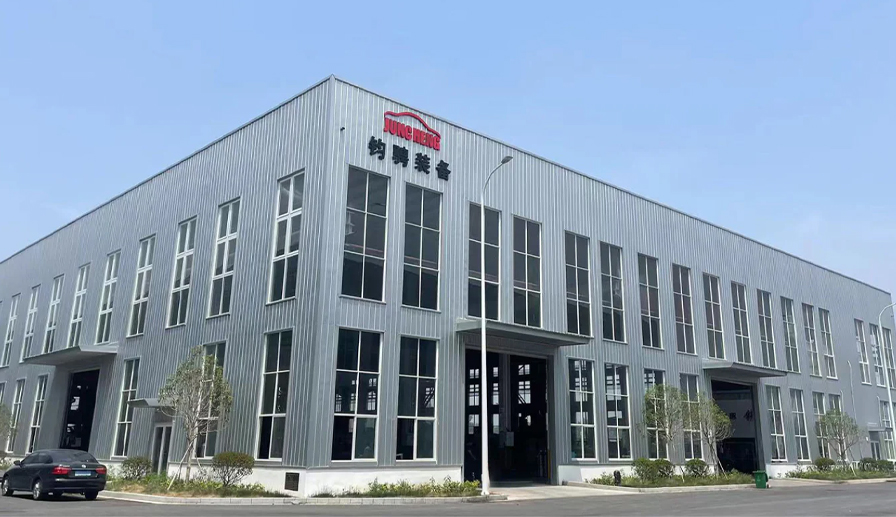
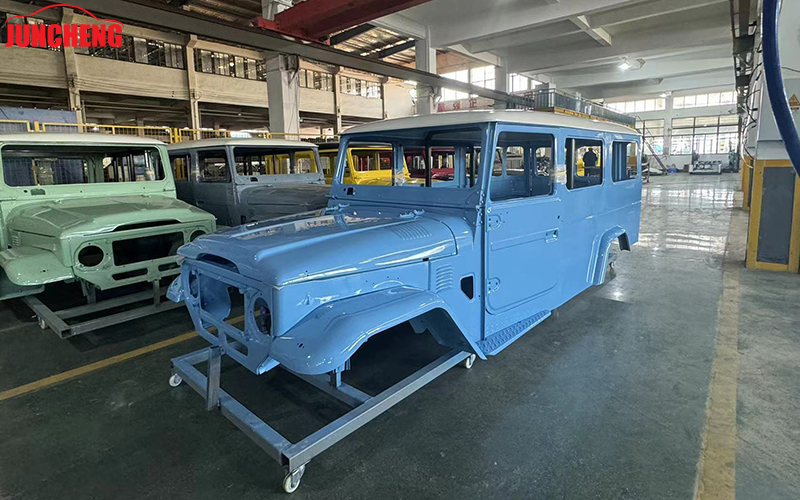
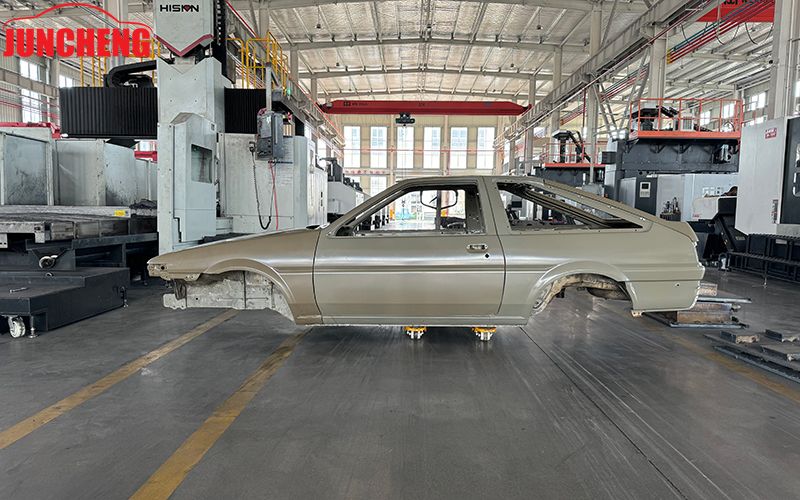
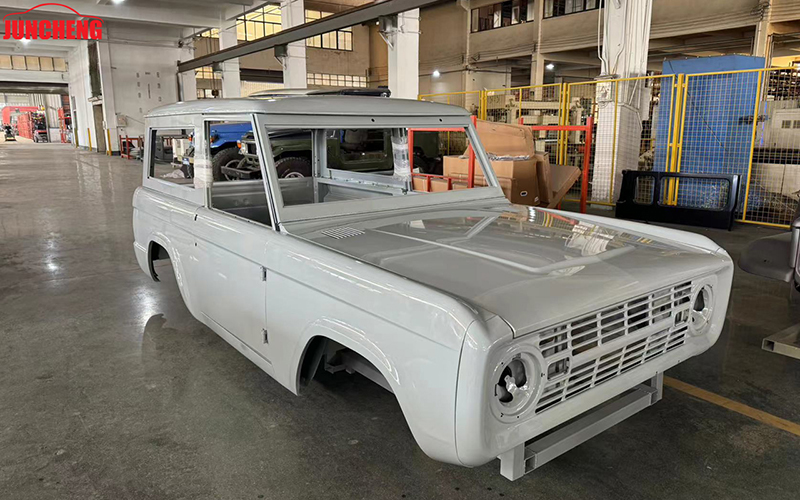
Precision in manufacturing is the cornerstone of any reliable vehicle restoration or upgrade. Since 2012, Juncheng has specialized in the research, development, and precision manufacturing of high-quality automotive metal components. Headquartered in Baoying County, Yangzhou—a region synonymous with automotive industrial excellence—Juncheng Vehicle Industry has established itself as a leading China Car Parts/Auto Parts Manufacturer. By focusing on the structural and metallic integrity of Ford Mustang Parts, we provide the foundation necessary for both classic restorations and modern performance enhancements.
Evolution of Component Standards by Generation
The requirements for Ford Mustang Parts vary significantly across different eras of production. A component designed for a 1965 fastback demands different metallurgical properties compared to those engineered for the modern S550 or S650 platforms. Understanding these generational shifts is essential for procurement accuracy and long-term vehicle safety.
Classic Era (1964–1973): Focuses heavily on restoration-grade sheet metal, chrome trim, and mechanical drivetrain components. Precision-fit body panels are critical here to maintain the vehicle’s iconic silhouette.
Fox Body & SN95 (1979–2004): A shift toward lightweight chassis components and early electronic fuel injection systems.
Modern Platforms (2005–Present): High-tech Ford Mustang Parts such as independent rear suspension (IRS) modules, advanced alloy engine components, and modular body structures.
Technical Specification Comparison: Metal Component Standards
When sourcing Ford Mustang Parts, particularly structural and body elements, comparing the material grade and manufacturing process is vital for ensuring fitment and durability.
| Feature | Restoration Grade Steel | Performance Aftermarket Alloy | Juncheng Precision Standards |
| Primary Material | Cold-rolled carbon steel | High-strength low-alloy (HSLA) | Premium-grade automotive steel |
| Manufacturing Process | Standard hydraulic pressing | CNC machining/Forging | Advanced precision stamping |
| Corrosion Resistance | Basic primer coating | E-coating or Powder coating | Industrial-grade electrophoretic coating |
| Fitment Accuracy | +/-1.5mm tolerance | +/-0.8mm tolerance | High-precision mold alignment |
| Application | Body panels, floor pans | Engine internals, suspension | Body parts, hoods, fenders |
The Role of Precision Manufacturing in Vehicle Dynamics
The performance of a Mustang is only as good as the sum of its parts. High-quality Ford Mustang Parts ensure that the vehicle maintains its torsional rigidity and aerodynamic efficiency. In the realm of metal body components, even a slight deviation in the curvature of a hood or the alignment of a fender can lead to increased drag or wind noise at high speeds.
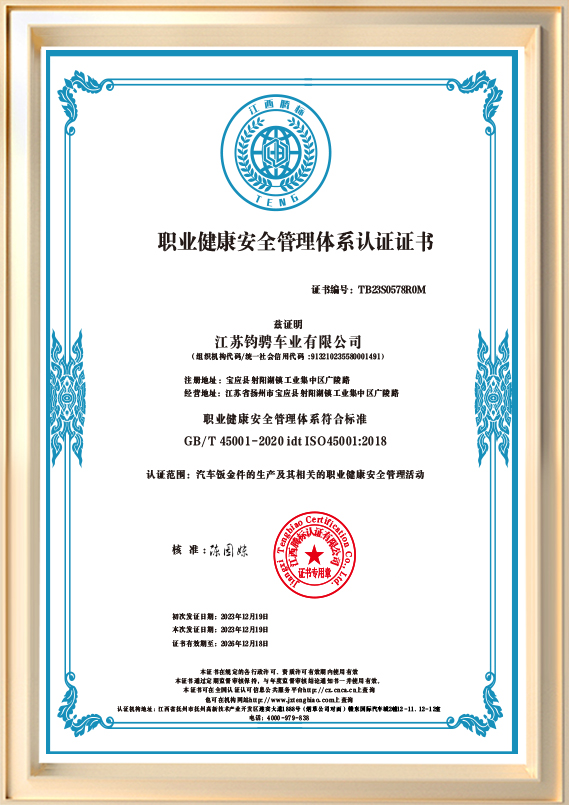
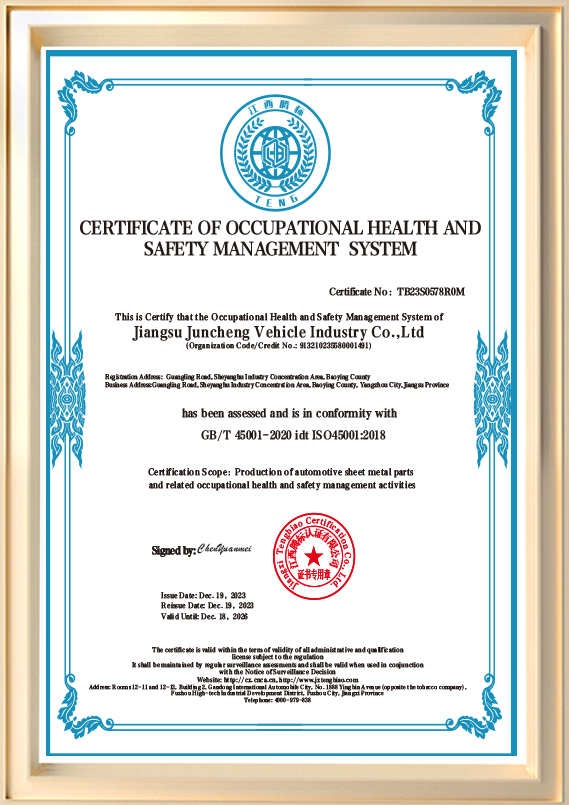
Juncheng Vehicle Industry operates as a trusted Wholesale Auto Body Parts Supplier, utilizing advanced production technologies to eliminate these discrepancies. By integrating robust quality management systems into the production of Ford Mustang Parts, we ensure that every metal component—from reinforced fenders to complex door assemblies—meets the rigorous demands of the global automotive market. Our commitment to continuous innovation means that even as vehicle technologies evolve, the fundamental strength of the metal components remains uncompromised.
Material Science and Industrial Standards
Modern Ford Mustang Parts must balance weight reduction with structural strength. This is achieved through the use of advanced metallurgy. For instance, many modern hoods and trunk lids utilize specific aluminum alloys to reduce the front-end weight, improving the weight distribution of the vehicle. However, for core structural repairs, high-tensile steel remains the standard.
When evaluating Ford Mustang Parts, industrial buyers should look for markers of precision:
Uniform Gauge Thickness: Ensuring the metal maintains its strength across the entire surface area.
Structural Ribbing: Essential for large panels like hoods to prevent vibration and oil-canning.
Welding Point Integrity: Pre-drilled or marked spots for seamless integration with the existing vehicle frame.
By focusing on these technical aspects, Juncheng ensures that its global distribution of automotive metal components provides reliable solutions for those seeking the highest caliber of Ford Mustang Parts. Whether you are managing a fleet of performance vehicles or overseeing a high-end restoration project, the reliance on precision-engineered components is the only way to guarantee the longevity and soul of the Mustang.
Powertrain and Engine Components: The Heart of the Pony Car
The internal combustion engine is the defining characteristic of the Mustang’s identity. Maintaining or upgrading this powerhouse requires Ford Mustang Parts that can withstand extreme thermal stress and mechanical friction. Whether dealing with the high-revving 5.0L Coyote V8 or the turbocharged EcoBoost variants, the precision of engine internals dictates the vehicle's Overall Equipment Effectiveness (OEE) and long-term reliability.
Internal Engine Assemblies and Valvetrain
For high-performance applications, standard components often fall short of the requirements for increased horsepower and torque. Professional-grade Ford Mustang Parts for the engine block and cylinder heads focus on reducing reciprocating mass while increasing structural integrity.
Forged Pistons and Connecting Rods: Essential for forced induction setups, these Ford Mustang Parts utilize high-silicon aluminum alloys to resist detonation and heat soak.
Camshaft Profiles: Precision-ground camshafts allow for optimized valve timing, significantly improving volumetric efficiency across the RPM range.
Performance Valvetrain: High-rate valve springs and lightweight retainers prevent valve float at high engine speeds, ensuring the engine remains stable under load.
Cooling System Optimization
Thermal management is critical, especially for vehicles pushed to their limits on the track or in high-ambient-temperature environments. Advanced cooling Ford Mustang Parts are designed to dissipate heat more efficiently than stock units.
| Component Feature | Standard OEM Specification | High-Performance Upgrade | Juncheng Industrial Insight |
| Radiator Core Type | Single-row plastic/aluminum | Multi-row all-aluminum | Precision-welded high-flow cores |
| Coolant Flow Rate | Variable (standard pump) | High-volume mechanical/electric | Optimized for consistent thermal cycling |
| Thermostat Opening | 190F - 200F (Economy) | 160F - 180F (Performance) | Balanced for engine longevity |
| Hose Material | Standard EPDM rubber | Reinforced multi-layer silicone | Durable high-pressure resistance |
Induction and Fuel Delivery Systems
To maximize the output of the engine, the air-fuel mixture must be delivered with absolute precision. This requires a synergy between various Ford Mustang Parts in the induction tract. Cold air intake systems are engineered to pull denser, cooler air from outside the engine bay, while enlarged throttle bodies reduce intake restriction.
Juncheng Vehicle Industry understands that the surrounding structure of the engine bay plays a vital role in protecting these sensitive mechanical systems. As a specialized manufacturer of automotive metal components based in Baoying County, Yangzhou, Juncheng produces the reinforced radiator supports and inner fender aprons that house these critical Ford Mustang Parts. Our precision manufacturing ensures that high-performance cooling and induction systems have the stable, perfectly aligned mounting points they require for optimal operation.
Industrial Manufacturing and Quality Control
In the production of engine-related Ford Mustang Parts, metallurgical consistency is non-negotiable. Juncheng utilizes advanced production technologies and robust quality management systems to ensure that every metal component meets the rigorous vibration and heat resistance standards required for the automotive industry.
By sourcing Ford Mustang Parts from a China Car Parts/Auto Parts Manufacturer with a proven track record since 2012, procurement officers can be confident in the structural reliability of the vehicle’s front-end assembly. This industrial-grade approach to manufacturing ensures that every part—from the engine's internal rotating assembly to the external metal housings—works in harmony to deliver the performance expected of a world-class sports car.
Drivetrain and Transmission Solutions
The drivetrain acts as the critical bridge between the engine’s raw power and the asphalt. To ensure that every bit of torque is utilized effectively, the selection of Ford Mustang Parts for the transmission and rear-end assembly must prioritize mechanical efficiency and durability. For the Mustang, which often faces high-torque launches and aggressive downshifting, the drivetrain components must be engineered to handle significant shock loads without failure.
Transmission and Clutch Systems
Whether the vehicle utilizes a manual or automatic gearbox, the internal components are subject to immense friction. Upgrading Ford Mustang Parts in the transmission often involves enhancing the engagement surfaces. High-performance clutch kits, for instance, utilize ceramic or organic friction materials to provide a higher clamping force, preventing slippage during high-RPM shifts.
Flywheels: Switching from heavy cast-iron units to lightweight chromoly steel or aluminum Ford Mustang Parts reduces rotational inertia, allowing the engine to rev more freely.
Synchronizers and Gears: For track-focused builds, carbon-fiber synchros and hardened gear sets are essential to maintain smooth shifting under heat and pressure.
Driveshafts and Rear Axle Dynamics
The driveshaft is a frequently overlooked component in the Ford Mustang Parts catalog, yet it plays a vital role in both safety and performance. Replacing a heavy, two-piece factory driveshaft with a high-strength one-piece unit significantly reduces driveline clunk and improves throttle response.
| Drivetrain Component | Standard Factory Spec | Performance Upgrade Spec | Technical Advantage |
| Driveshaft Material | Heavy Gauge Steel | 6061-T6 Aluminum / Carbon Fiber | Reduced weight and vibration |
| Rear Axle Ratio | 3.15:1 or 3.31:1 | 3.73:1 or 4.10:1 | Faster acceleration/improved torque |
| Axle Shafts | 28-Spline Cast Steel | 31 or 35-Spline Forged Alloy | Higher fatigue resistance |
| Differential | Standard Limited Slip | Torsen or Helical Gear LSD | Enhanced cornering traction |
Structural Housing and Precision Alignment
A high-performance drivetrain is only as effective as the chassis that supports it. Any flex in the transmission tunnel or the rear subframe can lead to driveline misalignment, causing premature wear on Ford Mustang Parts. This is where the structural integrity of the vehicle body becomes paramount.
Juncheng Vehicle Industry, a leading China Car Parts/Auto Parts Manufacturer, specializes in the precision manufacturing of the metal components that form the backbone of the vehicle. Our advanced production technologies ensure that the transmission crossmembers and rear floor pan sections—essential for mounting these Ford Mustang Parts—are stamped with absolute accuracy. Headquartered in Yangzhou, Jiangsu Province, Juncheng provides the robust metal solutions needed to keep the drivetrain perfectly aligned even under extreme stress.
Reliability Through Industrial Excellence
Since 2012, Juncheng has focused on delivering automotive metal components that meet rigorous global standards. By maintaining a robust quality management system, we ensure that the structural metal parts supporting the Mustang’s drivetrain provide a stable platform for power delivery. In the world of Ford Mustang Parts, where precision is measured in millimeters, Juncheng’s commitment to continuous innovation guarantees that the mechanical hardware is supported by a frame of world-class quality. This industrial-grade foundation is what allows wholesale suppliers and professional builders to trust that their drivetrain upgrades will perform reliably for years to come.
Suspension and Chassis Architecture
The suspension system is the critical interface between the driver and the road, determining how a vehicle handles lateral forces and vertical displacement. For the Ford Mustang, which has transitioned from classic live-axle setups to modern independent rear suspensions, sourcing high-precision Ford Mustang Parts for the chassis is essential for achieving a balance between ride comfort and cornering performance.
Advanced Dampening and Spring Technology
The primary objective of suspension-related Ford Mustang Parts is to maintain the largest possible tire contact patch during aggressive maneuvers. Upgrading from standard twin-tube shocks to monotube dampers or adjustable coilovers allows for finer control over rebound and compression settings.
Coilover Systems: These integrated Ford Mustang Parts allow for ride-height adjustment, lowering the vehicle's center of gravity to reduce body roll.
Progressive Rate Springs: Unlike linear springs, progressive versions offer a softer initial response for daily driving while stiffening up during hard cornering.
Polyurethane Bushings: Replacing soft rubber factory bushings with firmer polyurethane Ford Mustang Parts eliminates slop in the suspension geometry, providing more direct steering feedback.
Chassis Bracing and Torsional Rigidity
A suspension system can only perform as well as the chassis it is attached to. Under heavy loads, a car's frame can flex, which effectively acts as an un-damped spring, unpredictably changing the vehicle's handling characteristics. To counter this, several structural Ford Mustang Parts are utilized to stiffen the platform.
| Component | Function | Technical Benefit | Material Standard |
| Strut Tower Brace | Links the front strut towers | Reduces front-end chassis flex | Heavy-duty tubular steel |
| K-Member | Supports engine and steering | Weight reduction & improved geometry | High-tensile DOM tubing |
| Sway Bars | Connects left/right suspension | Reduces body roll in turns | Solid or hollow spring steel |
| Subframe Connectors | Ties front/rear subframes | Eliminates longitudinal chassis twist | Boxed or tubular steel |
Precision Manufacturing for Chassis Integrity
The effectiveness of these Ford Mustang Parts depends entirely on the precision of the vehicle's mounting points. Juncheng, headquartered in the industrial hub of Baoying County, Yangzhou, specializes in the precision manufacturing of the metal structural components that define a vehicle's geometry. As a trusted China Car Parts/Auto Parts Manufacturer, Juncheng utilizes advanced production technologies to ensure that inner fenders, shock towers, and floor reinforcements are produced with zero-deviation accuracy.
When high-performance suspension Ford Mustang Parts are bolted onto a chassis built with Juncheng’s metal components, the result is a cohesive system where every bolt hole aligns perfectly, and every weld point holds under the stresses of performance driving. Our commitment to robust quality management systems since 2012 ensures that the foundation of your vehicle is as strong as the aftermarket parts you choose to install.
Engineering for Longevity
Industrial-grade Ford Mustang Parts must also account for environmental factors. Suspension components are constantly exposed to road salt, moisture, and debris. Juncheng’s manufacturing process incorporates advanced anti-corrosion treatments for its metal body and chassis parts, ensuring that the structural integrity required for precise handling is maintained throughout the vehicle's lifespan. By choosing components from a reputable Wholesale Auto Body Parts Supplier like Juncheng, you ensure that the bones of your Mustang remain rigid, safe, and ready for any performance upgrade.
Braking Systems: Stopping Power and Safety
In the hierarchy of Ford Mustang Parts, few systems are as vital as the braking assembly. Whether navigating urban traffic or pushing the limits on a closed circuit, the ability to shed kinetic energy quickly and consistently is a fundamental safety requirement. High-performance braking components are engineered to combat brake fade—the loss of stopping power caused by the buildup of thermal energy during repetitive heavy use.
Multi-Piston Caliper and Rotor Technology
Standard braking systems often rely on single-piston sliding calipers which can flex under extreme pressure. Upgrading to multi-piston fixed calipers as part of a comprehensive Ford Mustang Parts strategy provides more even pressure distribution across the brake pad surface, resulting in more linear and predictable deceleration.
Rotor Metallurgy: Performance rotors often utilize high-carbon iron alloys to improve thermal conductivity. The physical design of the rotor—whether vented, slotted, or cross-drilled—serves to expel hot gases and debris from the contact patch.
Brake Pad Compounds: Choosing the right friction material is a technical trade-off. Ceramic compounds offer low dust and noise for daily use, while semi-metallic compounds provide the higher friction coefficients needed for aggressive driving.
Technical Specification Comparison: Rotor and Pad Standards
| Feature | Standard OEM Component | Performance Brake Kit | Industrial Benefit |
| Caliper Design | Single-Piston Sliding | 4 or 6-Piston Fixed | Increased clamping force & rigidity |
| Rotor Style | Smooth Solid/Vented | Slotted or Dimpled | Improved gas venting & cooling |
| Brake Fluid | DOT 3 or DOT 4 | High-Temp DOT 4 or DOT 5.1 | Higher boiling point to prevent fade |
| Brake Lines | Reinforced Rubber | Stainless Steel Braided | Reduced expansion under pressure |
| Thermal Limit | ~450C | ~800C+ | Resistance to structural warping |
Structural Support for Braking Performance
The immense torque generated by high-performance braking Ford Mustang Parts puts significant strain on the wheel arches and suspension mounting points. If the surrounding metal structure is compromised or poorly manufactured, it can lead to vibration and uneven wear.
Juncheng Vehicle Industry, based in Baoying County, Yangzhou, recognizes that the shell of the vehicle must be as resilient as the mechanical systems it houses. As an established China Car Parts/Auto Parts Manufacturer, Juncheng produces precision-stamped inner wheel houses and reinforced fender aprons that provide the necessary rigidity for high-stress braking environments. Our advanced production technologies ensure that the mounting surfaces for these critical Ford Mustang Parts remain perfectly true, preventing the mechanical misalignments that can lead to catastrophic failure.
Quality Assurance in Safety Components
Since 2012, Juncheng has operated with a commitment to continuous innovation and robust quality management systems. In the automotive industry, where a fraction of a millimeter can determine the success of a repair or upgrade, our role as a Wholesale Auto Body Parts Supplier is to provide the reliable metal solutions that professional builders depend on. By ensuring the structural integrity of the chassis and body, Juncheng allows the specialized Ford Mustang Parts in the braking system to operate at their peak efficiency, providing drivers with the confidence that their vehicle will stop exactly when and where it is intended.
Exterior Body Components and Aerodynamics
The exterior of a Mustang is more than just an aesthetic statement; it is a highly engineered shell designed to manage airflow and maintain high-speed stability. Selecting the right Ford Mustang Parts for the body involves a deep understanding of material science and aerodynamic principles. Whether restoring a vintage 1960s model or enhancing a modern S550/S650, the precision of these metal and composite components determines the vehicle's drag coefficient and downforce capabilities.
Body Panels and Structural Metal Integrity
For classic Mustang owners, sourcing accurate Ford Mustang Parts for body restoration is the primary challenge. Over time, original steel panels can succumb to corrosion or minor collisions. High-quality replacement panels must match the original gauge thickness and curvature to ensure that the vehicle’s lines remain authentic.
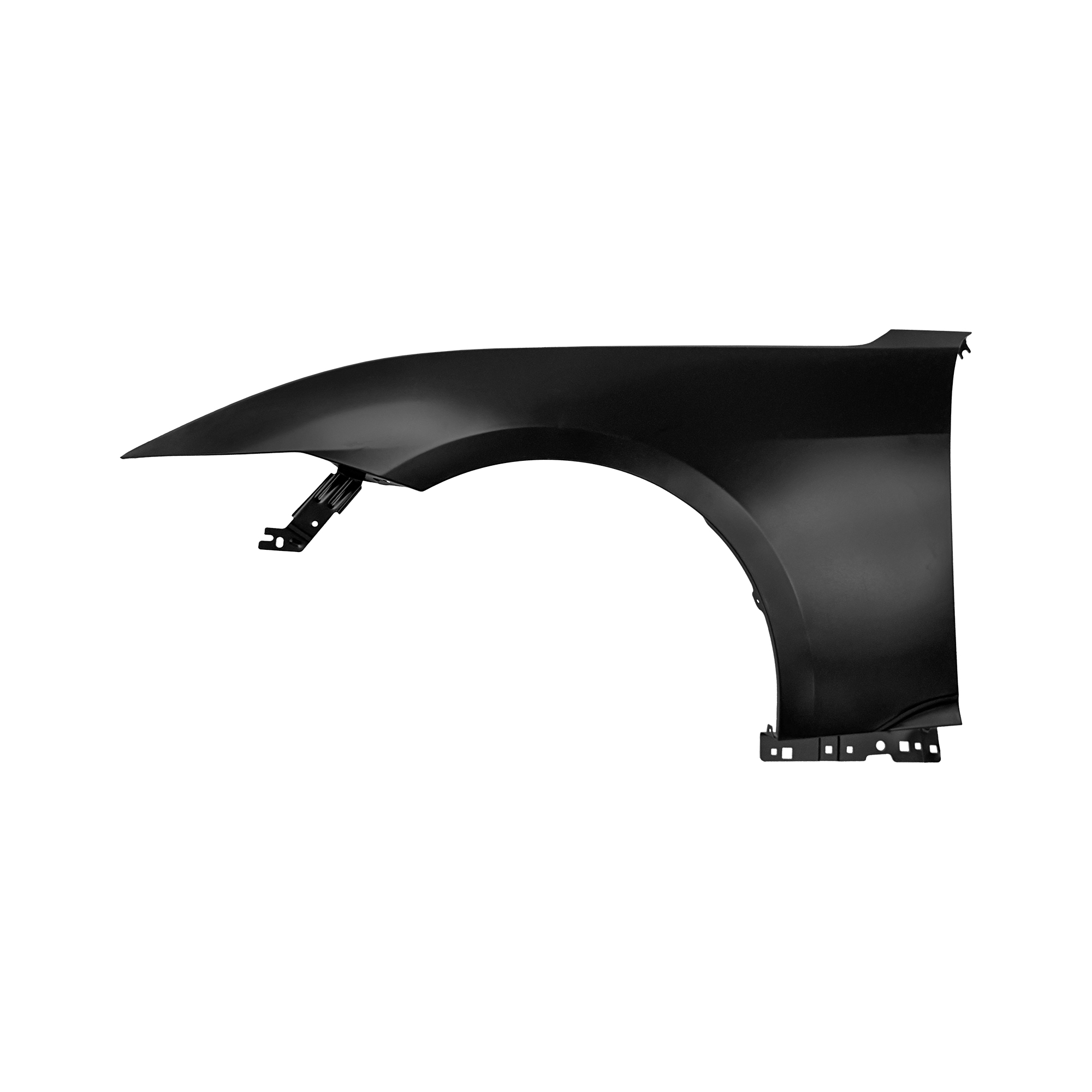
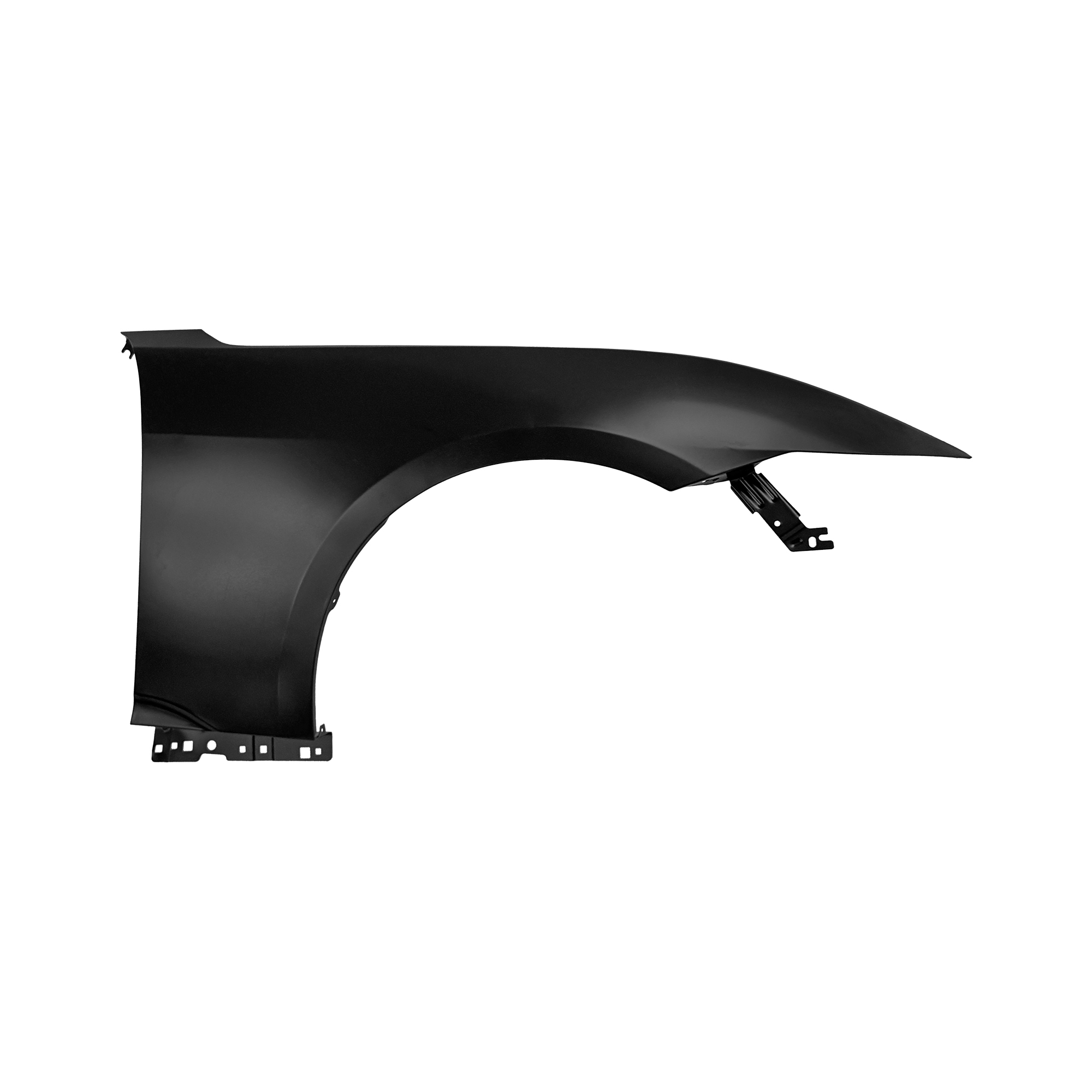
Fenders and Hoods: Precision-stamped metal Ford Mustang Parts are essential for achieving consistent gap tolerances. In modern applications, lightweight aluminum is increasingly used to reduce front-end weight and improve handling.
Quarter Panels: As a structural element of the car’s rear, replacement quarter panels must provide a seamless fit to maintain the torsional rigidity of the chassis.
Door Assemblies: Beyond the outer skin, the internal bracing of the door is a critical safety component that must meet modern impact standards.
Aerodynamic Enhancements: Form Meets Function
Aerodynamic Ford Mustang Parts are designed to manipulate the air as it travels over, under, and around the vehicle. At high speeds, lift becomes a significant stability issue. Components like splitters and spoilers are engineered to counteract this lift by creating downforce.
| Aerodynamic Component | Primary Function | Technical Impact | Typical Material |
| Front Splitter | Creates high pressure on top, low pressure below | Increases front-end grip & steering precision | Carbon Fiber / ABS Plastic |
| Rear Wing/Spoiler | Redirects airflow to push down the rear | Improves rear-axle traction at high speeds | Composite / Reinforced Steel |
| Side Skirts | Limits air from entering under the car | Reduces turbulence and drag | Polyurethane / Metal |
| Rear Diffuser | Accelerates airflow from under the vehicle | Enhances overall downforce efficiency | Heat-resistant Composite |
Advanced Manufacturing for Exterior Perfection
The fitment of exterior Ford Mustang Parts is one of the most visible indicators of a vehicle's quality. Even a deviation of 2mm can lead to excessive wind noise or uneven panel gaps. Juncheng, headquartered in Baoying County, Yangzhou, leverages advanced production technologies to solve these industrial challenges. As a renowned China Car Parts/Auto Parts Manufacturer, Juncheng focuses on the precision manufacturing of automotive metal components that form the exterior shell of the vehicle.
By utilizing high-precision molds and robust quality management systems, Juncheng ensures that every hood, fender, and trunk lid aligns perfectly with the factory mounting points. Since 2012, Juncheng has specialized in providing the automotive industry with reliable metal solutions that meet the high-performance demands of the global market. Our role as a Wholesale Auto Body Parts Supplier allows us to distribute components that not only restore the vehicle’s appearance but also uphold its aerodynamic integrity.
Material Selection and Finish Quality
Industrial-grade Ford Mustang Parts must also be prepared for long-term environmental exposure. Juncheng applies premium electrophoretic coatings (E-coating) to its metal components, providing a superior base for paint adhesion and unmatched corrosion resistance. This focus on the unseen quality of the metal ensures that the aerodynamic enhancements and body panels you install today will remain structurally sound for the life of the vehicle. By choosing parts from an experienced manufacturer like Juncheng Vehicle Industry, you are investing in the precision and innovation required to keep a Mustang looking—and performing—like an icon.
Interior Ergonomics and Electronic Systems
The interior of a Mustang serves as the primary interface between the driver and the machine. High-quality Ford Mustang Parts for the cabin must balance tactile comfort with the durability required for high-performance driving. As automotive technology has transitioned from analog dials to sophisticated digital ecosystems, the precision of these internal components has become just as critical as the engine itself.
Ergonomic Seating and Control Interfaces
The seating in a Mustang is a functional component that dictates driver stability. During high-G cornering, standard seats may lack the necessary lateral support, leading to driver fatigue. Upgrading these Ford Mustang Parts involves selecting seating that offers superior bolster support while maintaining safety standards.
Performance Seating: Modern replacement seats utilize lightweight frames and high-density foam to provide a rigid yet comfortable base.
Steering Wheels: Upgraded wheels often incorporate materials like Alcantara or perforated leather to improve grip and reduce palm perspiration during intense driving sessions.
Pedal Assemblies: Precision-machined metal pedal covers provide a larger surface area and improved grip for heel-and-toe shifting techniques.
Electronic Integration and Monitoring
Modern Ford Mustang Parts include a vast array of electronic sensors and modules that monitor vehicle health in real-time. For older models, retrofitting digital displays allows drivers to keep track of critical parameters that the original factory gauges might miss.
| Electronic Component | Traditional Analog Spec | Modern Digital/Performance Spec | Benefit |
| Gauge Cluster | Mechanical needles / Bulbs | Full LCD / LED Programmable | Real-time tracking of oil temp, AFR, and boost |
| Wiring Harness | Standard Copper / Vinyl | Cross-linked Polyethylene (TXL) | Higher heat resistance and signal clarity |
| Interior Lighting | Incandescent Filaments | Integrated LED Systems | Lower power draw and improved visibility |
| Engine Management | Basic ECU Mapping | Multi-map Plug-and-Play Tuners | On-the-fly adjustment for different fuel grades |
Structural Foundation of the Interior
While the electronics and upholstery are visible, the metal structures beneath them provide the necessary mounting points and safety reinforcements. The dashboard carrier, seat tracks, and floor braces are essential Ford Mustang Parts that ensure the interior remains rattle-free and structurally sound during a collision.
Juncheng Vehicle Industry, a leading China Car Parts/Auto Parts Manufacturer, specializes in the precision manufacturing of these underlying metal components. Operating out of Baoying County, Yangzhou, Juncheng utilizes advanced production technologies to create the seat reinforcements and floor pan sections that serve as the anchor for your interior upgrades. Since 2012, our commitment to robust quality management systems has ensured that every metal part we produce provides a stable, high-strength foundation for the complex electronic and ergonomic systems of the Mustang.
Reliability Through Precision
The integration of modern electronics into a vehicle requires an interior environment free from excessive vibration and moisture. Juncheng’s manufacturing process ensures that the metal body components—such as the cowl panels and floor sections—are stamped with zero-deviation accuracy to prevent leaks and structural squeaks. By sourcing Ford Mustang Parts from a trusted Wholesale Auto Body Parts Supplier like Juncheng, professional installers can focus on the technical aspects of electronic integration, knowing the physical foundation of the vehicle is built to the highest industrial standards. This synergy between electronic innovation and metal manufacturing excellence is what defines a truly modern Mustang restoration.
Sourcing and Quality Standards for Ford Mustang Parts
In the complex automotive parts market, selecting the right Ford Mustang Parts is not just about compatibility, but about the deep alignment of industrial manufacturing standards and material science. For B2B purchasers and professional tuning shops, understanding the technical differences between OEM (Original Equipment Manufacturer) and high-performance aftermarket parts is the key to project success.
Industrial Manufacturing Standards and Tolerance Control
High-quality Ford Mustang Parts must adhere to strict Geometric Dimensioning and Tolerancing (GD&T) standards. In the production of metal body parts, minor deviations can lead to structural stress during installation, which affects the long-term handling of the vehicle.
Material Consistency: Premium components use steel or aluminum alloys that have undergone chemical composition analysis to ensure that no micro-cracks occur during welding and stamping.
Stamping Process: Ford Mustang Parts produced using high-precision CNC molds can perfectly restore complex body lines, ensuring that the gaps (Gap & Flush) between panels reach factory levels.
Technical Parameter Comparison: OEM Standards vs. High-Performance Parts
The following table lists the industrial-grade parameters to consider when purchasing critical Ford Mustang Parts:
| Technical Indicator | Base OEM Standard | Industrial High-Performance Standard | Technical Advantage |
| Tensile Strength | 270 - 340 MPa | 440 - 590+ MPa | Increases anti-torsion capability under extreme driving |
| Surface Treatment | Regular Primer / Paint | Electrophoretic Coating (ED Coating) | High salt spray corrosion resistance for longevity |
| Mold Accuracy Tolerance | +/-1.0mm - +/-1.5mm | +/-0.2mm - +/-0.5mm | Ensures zero-displacement installation without trimming |
| Weld Point Shear Force | Standard Industrial Grade | Reinforced Spot / Laser Welding | Improves collision safety and structural rigidity |
Juncheng's Manufacturing Advantage and Global Supply
As a professional manufacturer deeply involved in automotive metal components, Juncheng has been committed to the research and manufacturing of high-precision Ford Mustang Parts since 2012. Our headquarters is located in Baoying County, Yangzhou, Jiangsu Province—a key industrial base for automotive metal components in China. The complete industrial chain here supports our pursuit of precision manufacturing.
As a leading China Car Parts/Auto Parts Manufacturer, Juncheng Vehicle Industry utilizes advanced production technology and rigorous quality management systems to ensure that every Ford Mustang Part meets the professional needs of global wholesalers and repair institutions. We provide more than just parts; we provide reliable solutions based on a steady supply chain.
Material Science Applications in Components
In the production of high-performance Ford Mustang Parts, material selection directly affects the vehicle's power-to-weight ratio. For example, when manufacturing hoods or trunk lids, Juncheng uses premium metal materials and optimizes the internal structural ribbing to achieve weight reduction without sacrificing strength.
High-Strength Steel (HSS): Used for critical safety areas like A-pillars and B-pillars to provide superior crash protection.
Corrosion-Resistant Alloys: For chassis parts and fender liners, ensuring anti-corrosion performance in rainy or snowy regions.
Precision Molds: Through continuous technical innovation, Juncheng ensures that every product as a Wholesale Auto Body Parts Supplier has a high degree of fitment.
Choosing Ford Mustang Parts from Juncheng means choosing the precision and toughness of Jiangsu industrial manufacturing. Whether in North America, Europe, or other global markets, our products represent the authority of Chinese manufacturing in the automotive aftermarket.
Technical FAQ: Common Questions on Ford Mustang Parts
In the process of purchasing and installing Ford Mustang Parts, technical details often determine the final quality. The following is a summary of technical knowledge for professional purchasers, technicians, and car owners regarding core concerns.
1. How do I verify the compatibility of Ford Mustang Parts with specific model years?
The Mustang spans a massive range, and platform architectures (such as Fox Body vs. S550) are completely different. The key to confirming compatibility lies in OEM part number cross-referencing and production date ranges. For metal body parts, Juncheng recommends checking specific VIN codes before purchasing to ensure that the bracket positions of fenders or hoods for your Ford Mustang Parts perfectly match the original vehicle structure.
2. What is the difference between factory steel and high-strength steel in metal Ford Mustang Parts?
Regular Steel: Mostly used for non-load-bearing panels; easy to process and shape.
High-Strength Steel (HSS): Has higher yield strength, providing the same rigidity at a thinner gauge.
| Parameter Type | Standard OEM Part | HSS Part (Juncheng Standard) | Performance Result |
| Yield Strength | 210 - 250 MPa | 340 - 550 MPa | Excellent resistance to deformation |
| Tensile Strength | 270 - 410 MPa | 440 - 700 MPa | Enhanced collision safety |
| Weight Performance | Standard Weight | 10% - 15% Weight Reduction | Optimizes vehicle power-to-weight ratio |
3. Why must high-performance Ford Mustang Parts have electrophoretic coating (E-coating)?
E-coating uses electrical fields to uniformly deposit paint on metal surfaces, including internal cavities. For Ford Mustang Parts like fenders and doors, the E-coat provides a foundational rust barrier. Juncheng Vehicle Industry strictly implements industrial-grade E-coat standards during production, which improves paint adhesion and ensures longevity in harsh climates.
4. Does installing high-performance suspension Ford Mustang Parts require body modifications?
Most vehicle-specific performance parts (like reinforced tie rods or coilovers) are designed for bolt-on replacement. However, for extreme widebody builds or track adjustments, slight trimming of metal Ford Mustang Parts like inner fenders may be necessary. Selecting high-precision manufactured parts minimizes such unnecessary destructive modifications.
5. Which Ford Mustang Parts are best for improving cooling efficiency?
The top choices are all-aluminum high-flow radiators and oil coolers. All-aluminum structures are about 20% - 30% more efficient than OEM units with plastic end tanks. Additionally, metal hoods with functional vents are critical Ford Mustang Parts, as they use pressure differentials to pull hot air out of the engine bay.
6. How do forged and cast components differ in Ford Mustang Parts applications?
Casting: Lower cost, suitable for complex shapes with lower stress requirements.
Forging: High pressure changes the metal grain structure for extreme strength. For critical Ford Mustang Parts like connecting rods, pistons, and some suspension arms, forging is the preferred process.
7. How should I evaluate a supplier's strength when purchasing wholesale Ford Mustang Parts?
Focus on the supplier's location, years in business, and production equipment. Juncheng is headquartered in Baoying County, Yangzhou, Jiangsu—a famous cluster for automotive metal components. Since 2012, Juncheng has established itself as a trusted global supplier through advanced production technology and robust quality management.
8. How does the coating on Ford Mustang Parts affect welding?
High-quality metal parts usually have a thin, uniform protective primer. When welding these Ford Mustang Parts, the coating should be cleared from the welding area to ensure seam penetration and strength. Juncheng's metal parts feature precise edge treatments to facilitate efficient professional construction.
9. Can modern Mustang aluminum body parts be repaired after damage?
Unlike steel Ford Mustang Parts, aluminum parts have work-hardening characteristics; excessive stretching can lead to cracking. Therefore, for aluminum hoods or doors with deep dents, it is usually recommended to replace them directly with high-precision parts from Juncheng to restore original safety characteristics.
10. Why are Juncheng's Ford Mustang Parts competitive in the international market?
As a representative of China Car Parts/Auto Parts manufacturers, Juncheng combines the supply chain advantages of the Jiangsu industrial zone with precise manufacturing standards. We provide more than just spec-compliant metal parts; we offer reliable solutions verified through continuous innovation and rigorous testing, ensuring every Ford Mustang Part sent globally carries our industrial reputation.
