
 English
 Español
 عربى
عربى русский
 中文简体
中文简体
How to purchase parts and fix minor auto body damage
Evaluation of Vehicle Damage and Repair Feasibility
Before commencing repairs, a precise physical inspection must be conducted to determine if the damage is limited to the exterior surface. This step determines whether you need to prepare sanding and repair tools or search for matching Auto Body Replacement Parts.
Damage Level Parameter Comparison Table
Use the following table to quickly determine the repair path based on the physical parameters of the damage:
| Damage Type | Physical Description | Recommended Solution | Parts Involved |
| Cosmetic Scratch | Only affects the clear coat; scratch disappears when wet | Polishing, buffing | No parts required |
| Deep Chip | Exposes primer (usually gray) or metal substrate | Touch-up paint or local respraying | No parts required |
| Minor Dent | Metal or plastic deformation, diameter < 10cm, no sharp creases | Paintless Dent Repair (PDR) | No parts required |
| Structural Fracture | Cracked plastic, broken brackets, or large area creases | Direct part replacement | Auto Body Replacement Parts |
| Misalignment | Uneven panel gaps; doors/hood restricted in operation | Realignment or panel replacement | Car Body Replacement Parts |
Critical Inspection Steps: Repair vs. Replacement
When deciding whether to purchase new Auto Body Replacement Parts, refer to these three core indicators:
Material Integrity Check:
If the damage is on plastic parts like bumpers or side skirts and features a crack exceeding 5cm, the structural strength after welding is usually unreliable. It is recommended to purchase Car Body Replacement Parts for a complete replacement. If a metal panel (such as a fender) has a "sharp crease," the metal fatigue often remains visible even after pulling. Replacing the part is more cost-effective.
Quantitative Panel Gap Measurement:
Measure the gap between the damaged part and adjacent panels using a feeler gauge. Standard gaps are typically between 3mm - 5mm. If the gap deviation exceeds 2mm and cannot be corrected via adjustment screws, the part is permanently deformed, and Auto Body Replacement Parts must be ordered.
Safety Attachment Assessment:
Inspect radar brackets and headlight clips hidden behind the panels. Modern Car Body Replacement Parts feature complex precision slots; once a clip is broken, using adhesive may lead to abnormal noise during driving.
Essential DIY Repair Tool Parameters
If the evaluation indicates "minor damage repairable," prepare the following materials meeting industrial standards:
Sandpaper Grit: Prepare P1000 (coarse), P2000 (fine), and P3000 (finishing) grades for different stages.
Measurement Tools: Vernier calipers (for comparing part specifications) and a strong magnet (to detect excessive filler/putty on metal panels).
Removal Supplies: Nylon interior trim pry tools (to avoid scratching the new paint of Auto Body Replacement Parts during installation).
Strategies for Precise Selection of Auto Body Replacement Parts
The success of selecting Car Body Replacement Parts depends on two critical codes: the VIN (Vehicle Identification Number) and the Paint Code.
Core Identification Parameters: VIN and Fitment
The VIN is the "identity card" of the vehicle, recording production line information through 17 characters. When purchasing Auto Body Replacement Parts, verify the following parameters to ensure 100% compatibility:
Production Month Restrictions: Some models undergo "mid-year facings." For example, models produced before March may have a 2mm - 5mm offset in clip positions compared to Car Body Replacement Parts produced after March.
Configuration Differences: Confirm if the damaged part requires pre-drilled holes (e.g., fog light holes, radar sensor holes, headlight washer nozzles).
Paint Matching Parameters: Locating the Paint Code
Even for the same color (e.g., white), paint formulas differ across batches and models. To ensure the new Auto Body Replacement Parts match the original vehicle, locate the paint code in these areas:
Locations: Usually found on the driver-side B-pillar tag (Door Jamb), inside the hood on the firewall, or above the spare tire well in the trunk.
Common Paint Type Comparison:
| Paint Type | Optical Characteristics | Matching Difficulty | Suggested Solution |
| Solid | Pure color, no sparkling particles | Low (easy to touch up) | Purchase pre-painted parts |
| Metallic | Contains aluminum flakes; sparkles in sunlight | Medium (flake alignment varies by pressure) | Purchase primed parts and custom-mix paint |
| Pearlescent | Contains mica/ceramic; color shifts by angle | High (usually a 3-stage process) | Purchase color-matched recycled original parts |
Part Specification Comparison: OEM vs. Aftermarket
In choosing the source of Car Body Replacement Parts, refer to the following technical parameters:
| Parameter | OEM (Original Equipment Manufacturer) | Certified Aftermarket (CAPA) |
| Material Composition | Identical to factory parts (High-strength ABS/Aluminum) | Similar material; thickness may be 0.1-0.2mm thinner |
| Hole Precision | Deviation < 0.1mm (Plug and Play) | Deviation approx. 0.5mm - 1.0mm (Adjustment required) |
| Anti-Corrosion | Standard electrophoretic primer (E-coat) | Varies; basic parts may need extra rust-proof paint |
| Durability | Meets 10-year aging tests | Meets basic weather tests; lower UV resistance |
Pre-Purchase Final Verification Checklist
Before ordering Auto Body Replacement Parts, check:
Part Number: Remove the damaged part and verify the 8-10 digit factory part number on the back.
Logistics Volume: For large items like hoods or bumpers, ensure the Car Body Replacement Parts are shipped in reinforced frames to prevent new dents during transit.
Operational Process for Fixing Minor Auto Body Damage
The core of this phase is moving from "shallow to deep." Damage that does not require part replacement is restored physically; severe damage requires the standardized replacement of Car Body Replacement Parts.
Technical Parameters for Paint Scratch Repair
For different scratch depths, the cutting force and abrasive grit must follow strict standards:
| Repair Stage | Recommended Grit | Purpose | Technical Key |
| Coarse Sanding | P1000 - P1500 | Remove burrs/level the primer | Must use wet sanding; keep surface moist |
| Fine Sanding | P2000 - P2500 | Eliminate coarse sanding marks | Sanding depth should not exceed 0.05mm |
| Finishing Polishing | P3000+ or Compound | Restore clear coat mirror gloss | Polisher speed at 1500-2500 RPM |
Operating Limits of Paintless Dent Repair (PDR)
If you choose to repair the original part instead of replacing Auto Body Replacement Parts, refer to these physical limits:
Pulling Force Control: When using hot glue puller tabs, the ambient temperature should be 18°C - 30°C. Too low causes glue brittleness; too high reduces adhesion.
Rebound Allowance: When repairing metal, "over-stretching" by approximately 0.5mm - 1mm is often necessary to offset the metal's elastic memory.
Curvature Constraints: If the dent is on a body line or panel edge (R-angle), the metal tension limit is reached, and replacement with new Car Body Replacement Parts is usually recommended.
Standardized Replacement Steps for Damaged Components
When damage is unrepairable, replacing Car Body Replacement Parts is the only way to ensure appearance consistency.
Disassembling Damaged Parts:
Fastener Categorization: Bumpers or fenders involve 10-15 different clips and screws. Store them in categorized boxes. Thermal Assistance: For plastic clips, using a heat gun to reach approximately 50°C significantly reduces the breakage rate.
Physical Comparison of New and Old Parts:
Perform a "Dry Fit" of the newly purchased Auto Body Replacement Parts before final fastening. Parameter Check: Ensure all electrical connectors (turn signals, sensors) have identical pin counts.
Installation and Adjustment:
Torque Control: M6 bolts should be tightened to 6-9 Nm to avoid cracking the plastic brackets of the new parts. Gap Compensation: Use the 1-2mm redundancy in mounting holes to manually align the part for symmetrical visual gaps.
Temporary Reinforcement of Plastic Cracks
If Car Body Replacement Parts are not immediately available, structural reinforcement can be applied:
V-Groove Carving: Carve a 60-degree V-shape groove along the crack on the front side.
Reinforcement Material: Use stainless steel mesh on the back and apply two-component epoxy resin (AB glue), allowing at least 24 hours for curing.
Post-Repair Detail Finishing and Quality Inspection
Installation is not the end. Fine-tuning the Auto Body Replacement Parts and buffing the paint eliminates the "pieced-together" look of DIY repairs.
Panel Gap Alignment Standard Parameters
Even high-quality Auto Body Replacement Parts may show uneven gaps after initial hanging. Use a feeler gauge to calibrate based on industry standards:
| Measurement Location | Standard Gap Range | Allowance (Tolerance) | Adjustment Method |
| Hood to Fender | 3.5mm - 4.5mm | ±0.5mm | Adjust hood hinges or bumper stops |
| Front/Rear Door Gap | 4.0mm - 5.0mm | ±1.0mm | Micro-adjust door hinge bolts |
| Lights to Bumper | 1.5mm - 3.0mm | ±0.5mm | Adjust internal plastic brackets of parts |
| Trunk Lid Edge | 3.0mm - 4.0mm | ±0.8mm | Adjust the latch/striker offset |
Paint Integration and Blending Techniques
If you installed unpainted Auto Body Replacement Parts or performed local touch-ups, "blending" is required to eliminate the boundary line:
Blending Range: Center on the repair point and spray in an outward gradient of 15cm - 20cm onto the old paint.
Sandpaper Graduation: Use P3000 wet sandpaper at the junction to physically fuse the new and old clear coat layers.
Polisher Parameter Control:
Low Speed (800-1200 RPM): Use with abrasive compound to remove sanding marks. High Speed (1800-2500 RPM): Use with mirror polish wax. Do not stay on one spot for more than 3 seconds to prevent heat damage to the Car Body Replacement Parts paint.
Final Quality Control Checklist
Before returning to service, verify the following physical parameters and functions:
Flatness Test (Hand Feel): Slide your palm across the surface; there should be no noticeable protrusion or dip between the new Auto Body Replacement Parts and the original body.
Sealing Test: For door or window replacements, use a high-pressure hose for 5 minutes to check for leaks at the weatherstripping.
Electrical Verification: Sensors: If a bumper with integrated radar was replaced, test the reverse camera and proximity alarms. Lighting: Ensure new Car Body Replacement Parts (like headlight housings) show no internal fogging after 30 minutes of use.
Fastening Re-confirmation: Re-check all M6/M8 bolts handled during installation to ensure they remain secure (Reference torque: 8Nm - 12Nm).
-
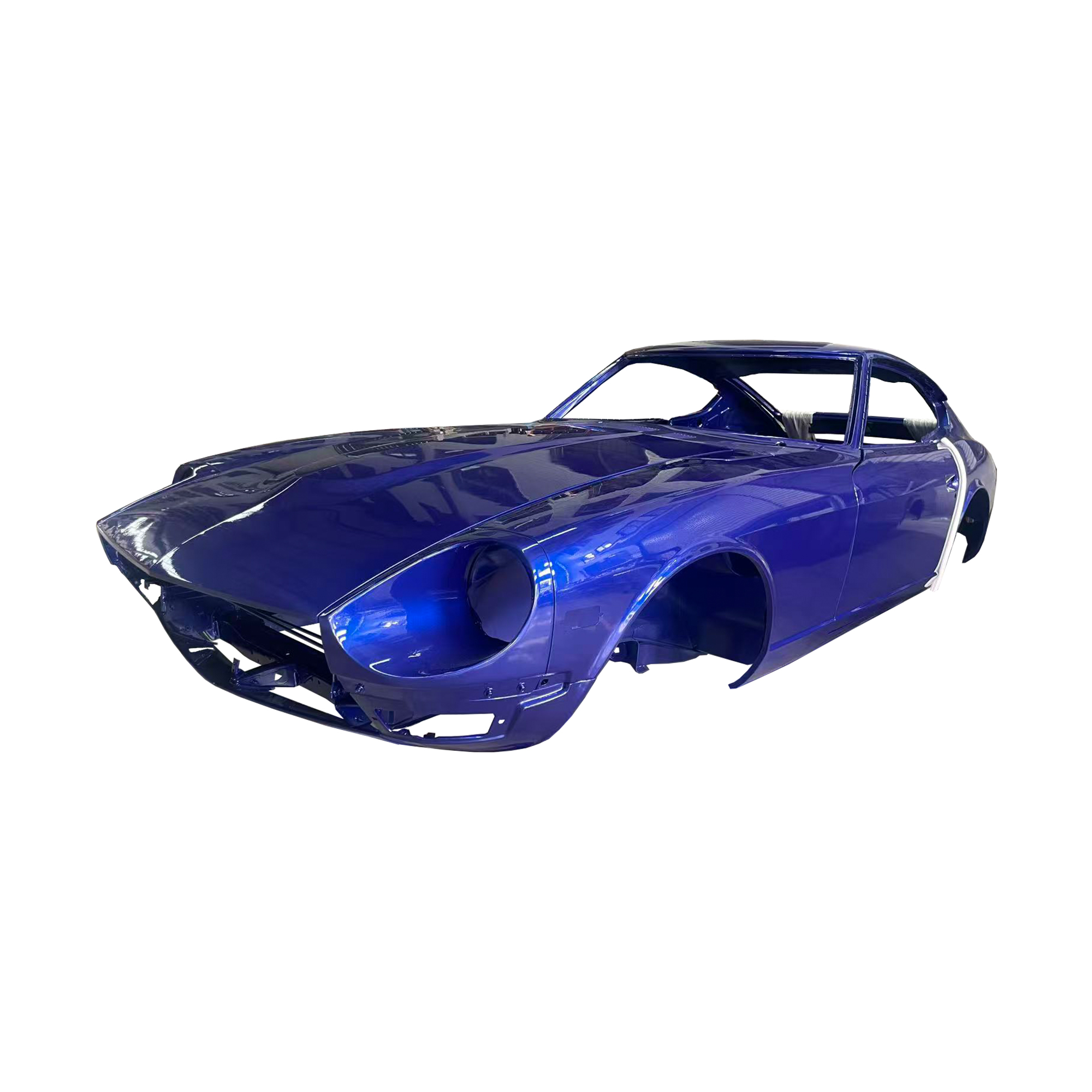 REPLACEMENT COMPLETE CAR BODY ASSEMBLY, 1969-1973, FOR NISSAN DATSUN 240Z
-
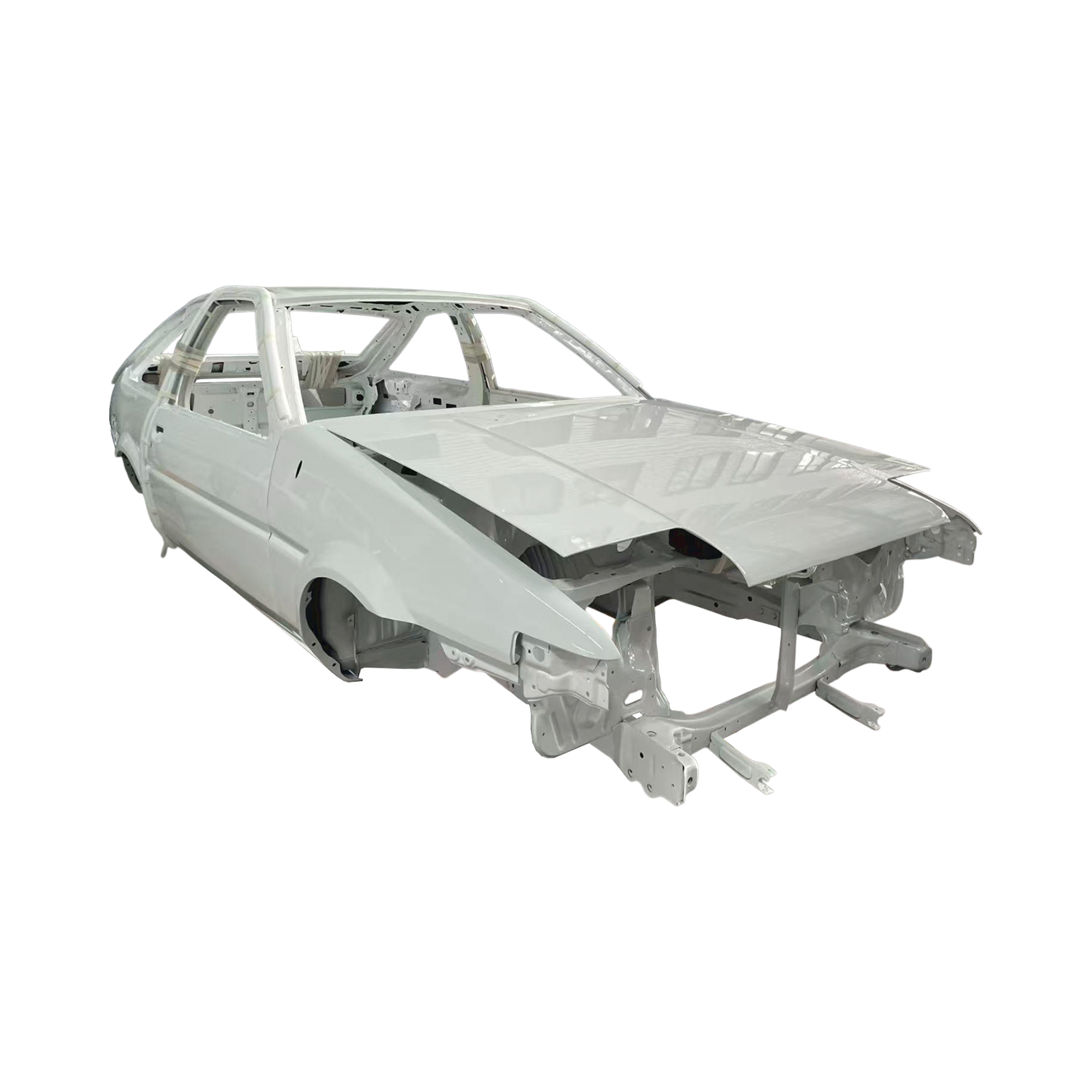 REPLACEMENT COMPLETE CAR BODY ASSEMBLY, 1983-1987, FOR TOYOTA AE86
-
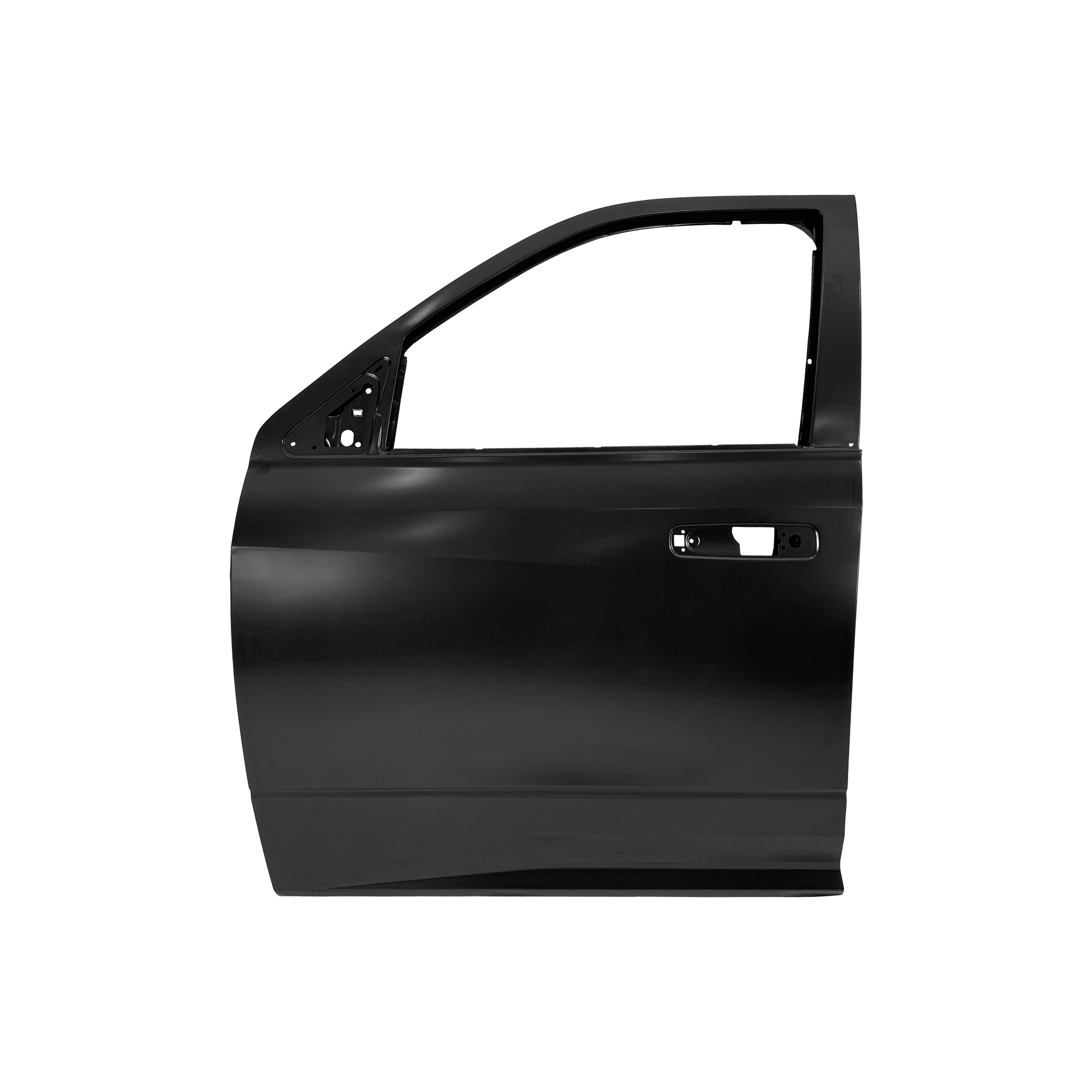 REPLACEMENT FRONT DOOR LH, 2013-2018, FOR DODGE RAM 1500, 68144729A, (STEEL)
-
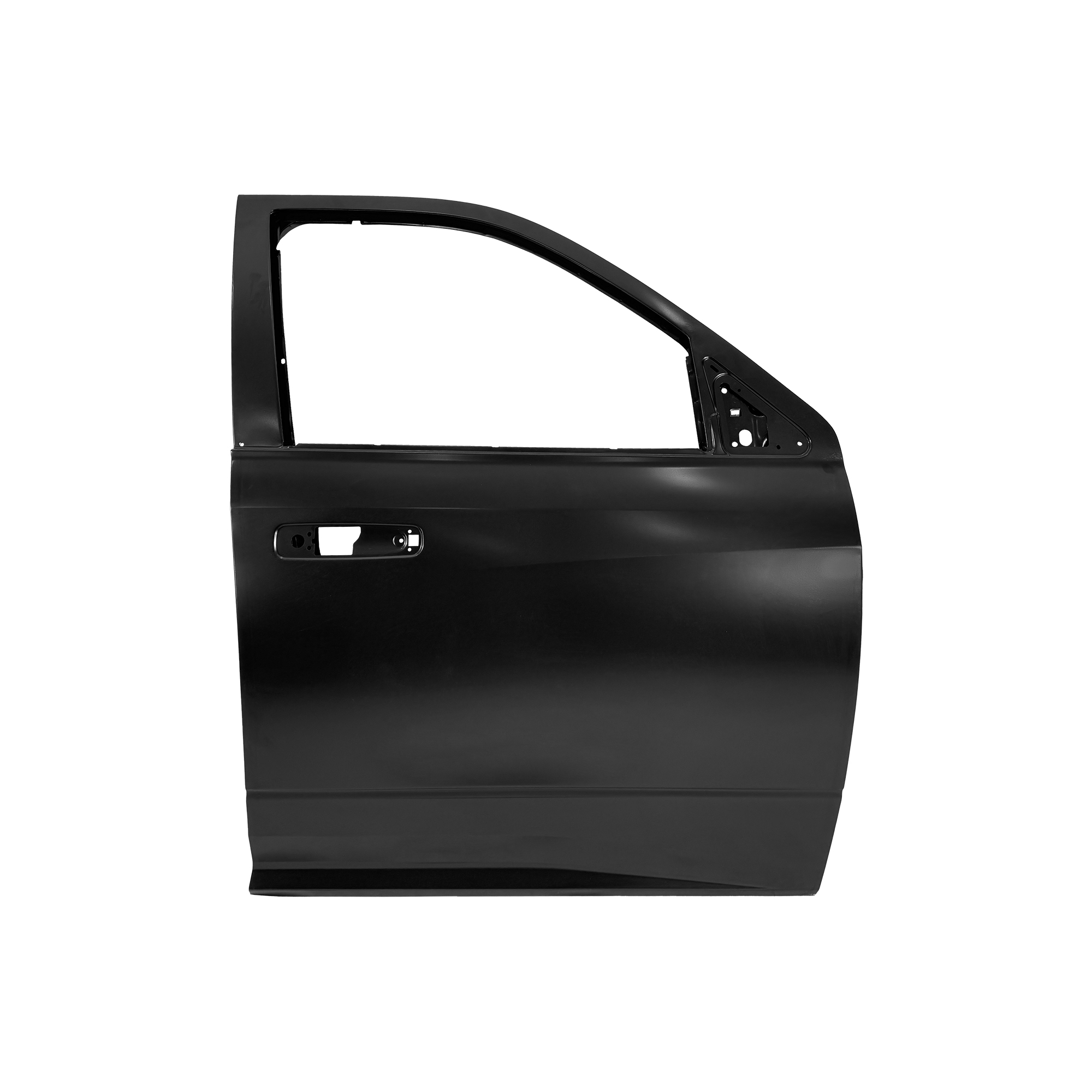 REPLACEMENT FRONT DOOR RH, 2013-2018, FOR DODGE RAM 1500, 68144728A, (STEEL)
-
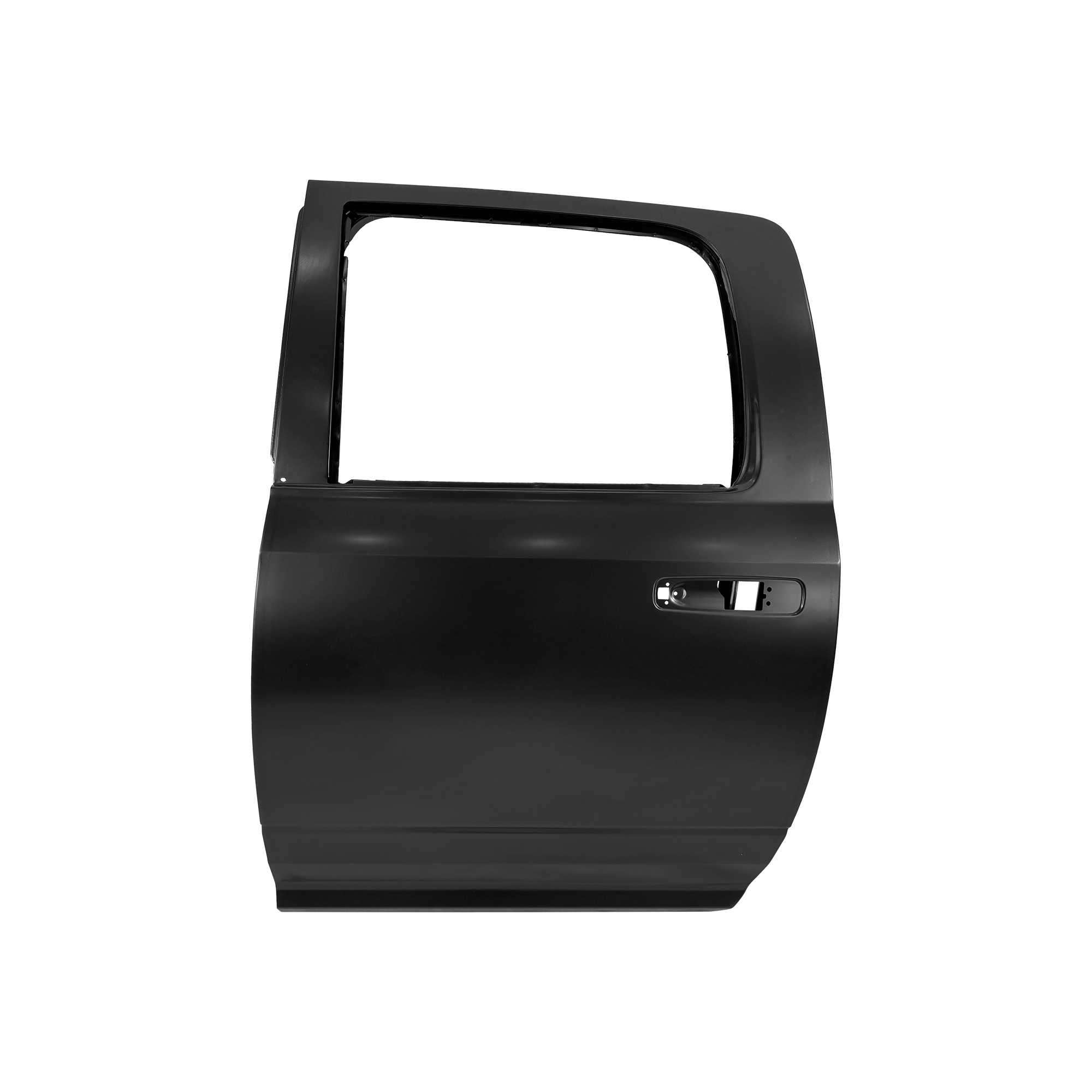 REPLACEMENT REAR DOOR LH, 2013-2018, FOR DODGE RAM 1500, 4589873A, (STEEL)
-
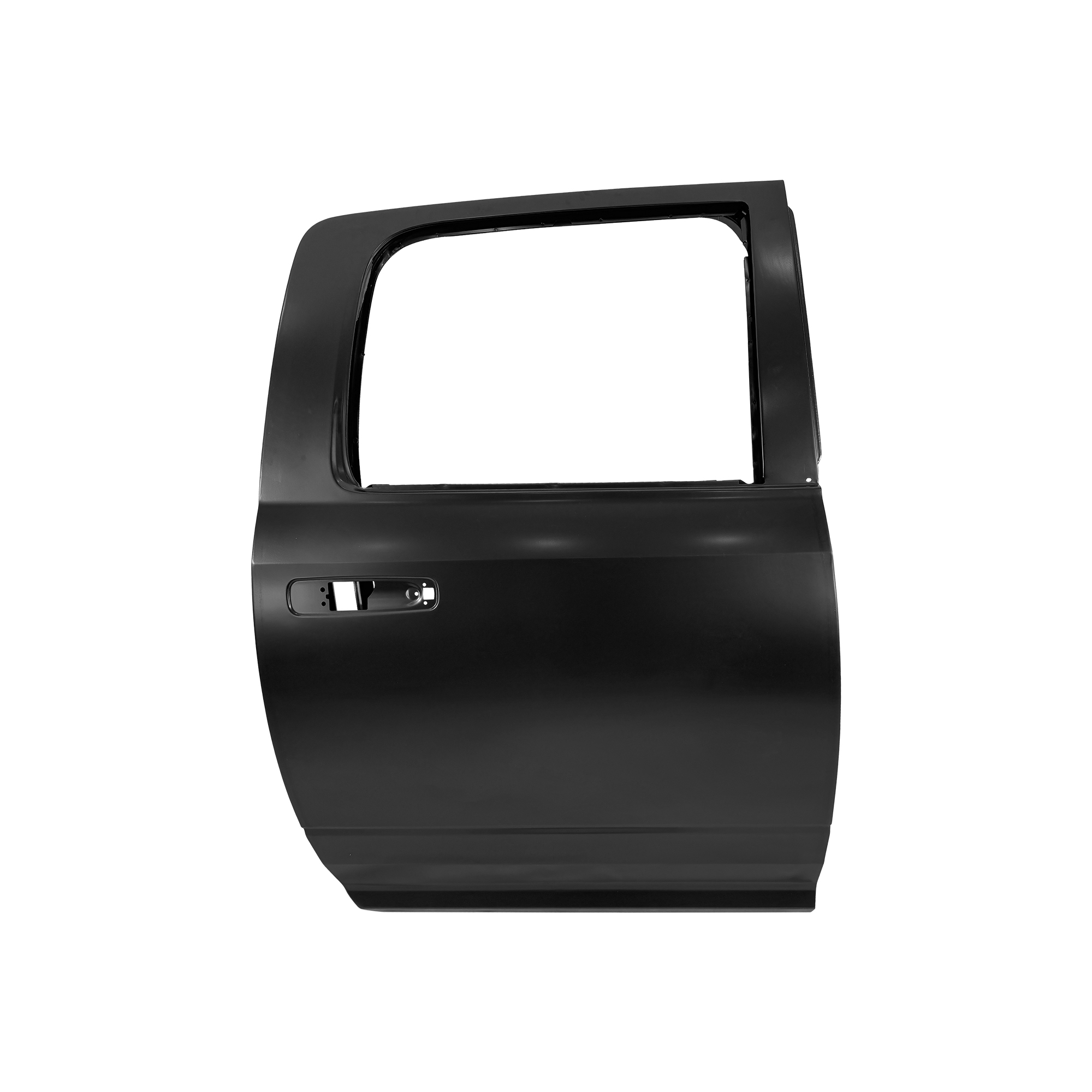 REPLACEMENT REAR DOOR RH, 2013-2018, FOR DODGE RAM 1500, 4589872A, (STEEL)
-
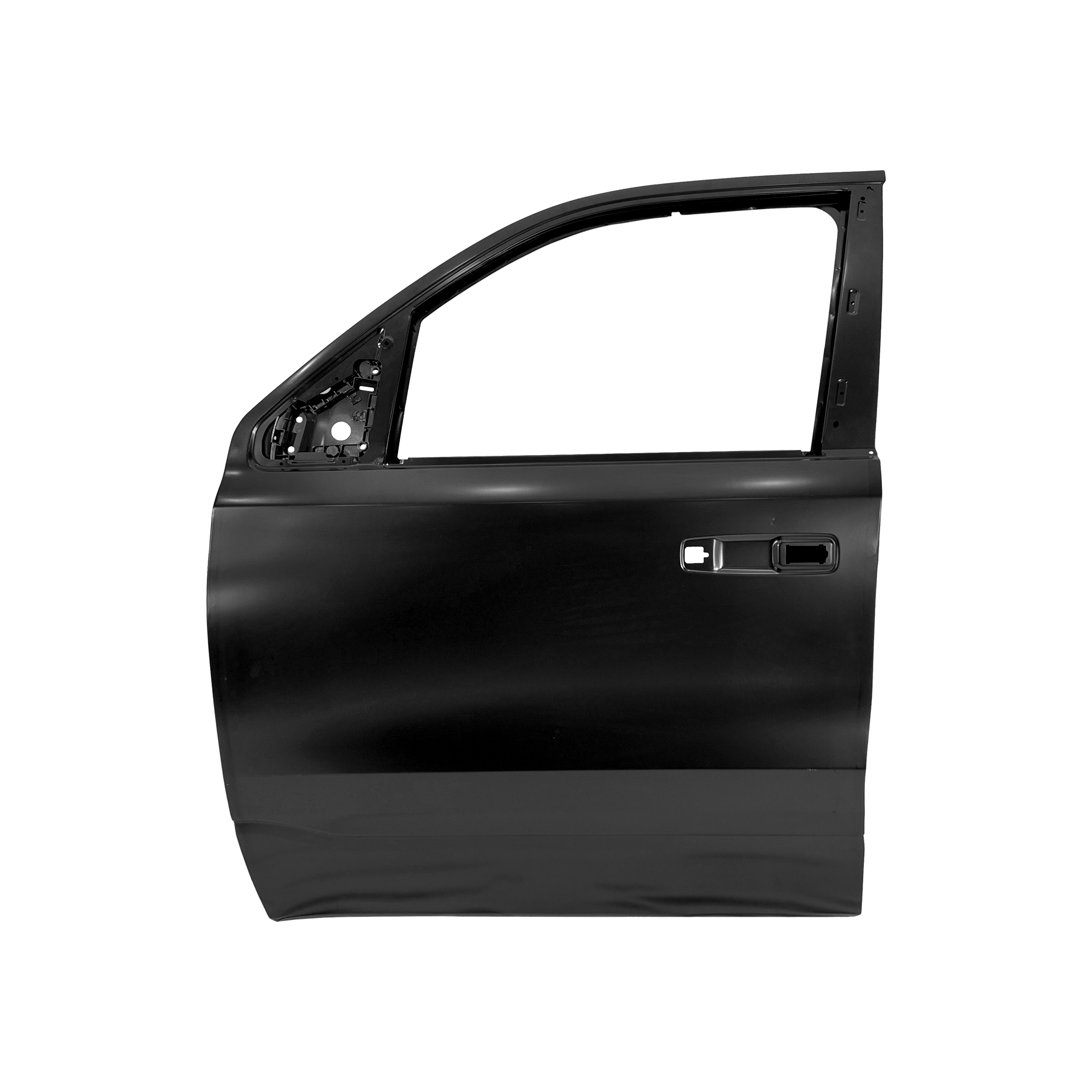 REPLACEMENT FRONT DOOR LH, 2019, FOR DODGE RAM 1500, 68292435AC, (STEEL)
-
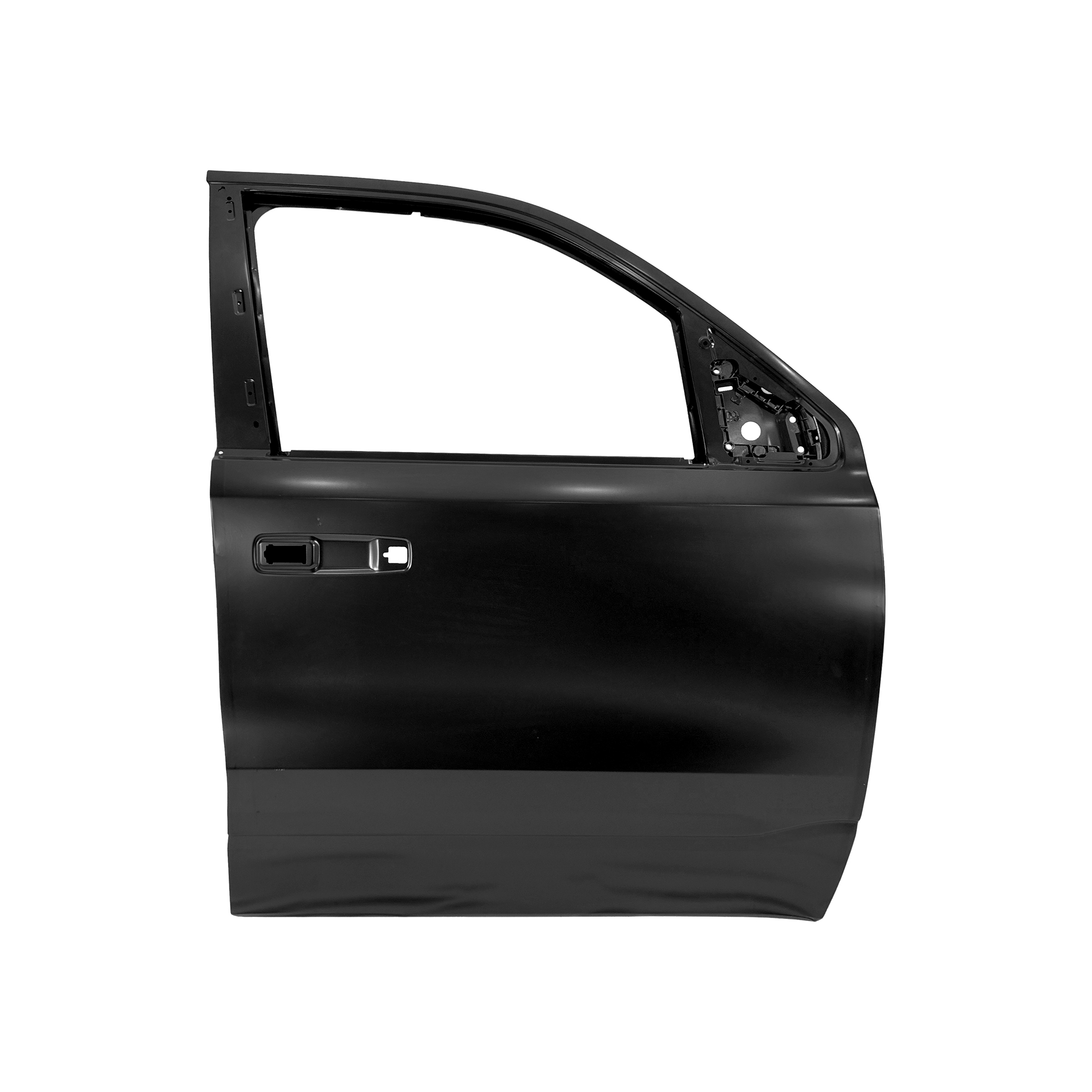 REPLACEMENT FRONT DOOR RH, 2019, FOR DODGE RAM 1500, 68292434AC, (STEEL)
Copyright @ Jiangsu Juncheng Vehicle Industry Co., Ltd. All Rights Reserved.
