
 English
 Español
 عربى
عربى русский
 中文简体
中文简体
Why Are These 10 Niche Auto Replacement Parts Impossible to Find
The Root of Scarcity: Why Do Some Auto Replacement Parts Become "Priceless"?
In the automotive aftermarket, not all Auto Replacement Parts are as readily available as oil filters. For certain niche or classic models, finding an original part often feels like a treasure hunt in a never-ending marathon. This phenomenon is driven by complex supply chain logic and manufacturing economics.
The "Ten-Year Curse" After Discontinuation
Most Original Equipment Manufacturers (OEMs) follow a "10-year rule" for the supply of Auto Replacement Parts. Within a decade after a model is discontinued, brands are usually bound by law or industry practice to maintain a certain level of inventory. However, once this period passes:
Tooling Loss and Scrapping: Heavy molds used for stamping body panels or engine heads may be melted down or discarded because they occupy valuable warehouse space.
Supplier Collapse: Many core Auto Replacement Parts (such as sensors or interior switches) are actually produced by third-party Tier-1 suppliers. If a supplier goes bankrupt or pivots, the production lines for those parts are permanently closed.
The Cost of Unique Design and Engineering Complexity
Niche cars are attractive because of their non-standard designs. However, the flip side of this innovation is extreme difficulty in sourcing Auto Replacement Parts:
Lack of Interchangeability: Mass-market models often share platforms—for example, a brake pad might fit dozens of different models. In contrast, Auto Replacement Parts for niche cars (like rotary engine models) are often unique and cannot be swapped with "equivalents."
Material Specialty: Some 1990s supercars used early carbon fiber or specific magnesium-aluminum alloys. Modern production lines for Auto Replacement Parts cannot easily replicate these outdated processes at a low cost.
Auto Replacement Parts Scarcity Factor Comparison Table
| Influence Parameter | Mass-Market Models | Niche/Performance Models | Impact on Auto Replacement Parts |
| Annual Sales Volume | 100,000+ units | < 5,000 units | Low volume means aftermarket manufacturers are unwilling to create molds. |
| Platform Sharing Rate | High (shared across brands) | Low (exclusive chassis/engine) | Lack of universal parts leads to expensive exclusive components. |
| Supply Duration | 15-20+ years post-production | 5-10 years post-production | Early hoarding becomes the only way to keep vehicles running. |
| Electronic Complexity | Standardized Bus (OBDII) | Private Protocols/Custom Chips | Electronic Auto Replacement Parts fail easily and are hard to repair. |
| Material Cost | Steel/Standard Plastic | Carbon Fiber/Magnesium/Special Leather | Replication costs are extremely high, sometimes exceeding the car's value. |
Key Insight: This scarcity leads to an extreme phenomenon in the Auto Replacement Parts market: a plastic sensor worth only $10 can see its market premium soar to $500 or more if it is out of production and out of stock.
Classic and Rare Models: The Wasteland of Auto Replacement Parts
Saab: The "Orphan" Dilemma After Brand Dissolution
Since the brand shut down, Saab owners have faced severe challenges in the supply of Auto Replacement Parts. While basic maintenance items (like oil filters) are still produced by third parties, core components for specific models have nearly vanished.
Challenge Points: Front bumpers/air dams for the Saab 9-3 Viggen, Direct Ignition (DI) Cassettes, and specific body weatherstripping.
Current Status: Many owners are forced to turn to the secondary market for salvaged parts or rely on a few specialized overseas warehouses that maintain Saab inventory.
Pontiac Firebird: The "Parts Island" of American Muscle
As a defunct brand, the Firebird usually shares its powertrain with other GM models, but its unique exterior components are a nightmare in the Auto Replacement Parts market.
Challenge Points: Iconic "honeycomb" tail light housings, T-top glass roof seals, and specific interior dashboard panels for certain years.
Current Status: Even if the mechanical structure is easy to fix, exterior restoration often requires paying multiples of the original part price.
Early Japanese Sports Cars (Mazda RX-7 & Nissan NSX): Scarcity Under Performance Premium
Although their parent brands are still active, these models have extremely high difficulty in sourcing original Auto Replacement Parts due to highly integrated designs and limited production.
Challenge Points: Rotary seals and interior plastic trim for the RX-7; aluminum body panels and center console AC control boards for the first-generation NSX.
Current Status: Although manufacturers occasionally launch "heritage programs," production is low, leading global collectors to fight over the remaining New Old Stock (NOS).
Comparison of Part Sourcing Difficulty for Representative Niche Models
| Model/Series | Part Sharing Rate | Core Missing Part Category | Difficulty Index (1-10) | Market Sourcing Channels |
| Saab 9-3/9-5 | Medium (some GM platform) | Electronic modules, exterior parts | 8.5 | Specialized EU stock, salvage yards |
| Pontiac Firebird | High (shared powertrain) | Trim, tail lights, seals | 7.0 | Reproduction shops, classic clubs |
| Japanese Performance (RX-7/NSX) | Extremely Low (exclusive design) | Engine internals, gauges, body | 9.0 | Heritage programs, private collectors |
| Early EV/Hybrid Models | Extremely Low | Battery packs, high-voltage inverters | 9.5 | Battery rebuilding, custom fabrication |
Technical Weight Analysis of Sourcing Difficulty
In the Auto Replacement Parts ecosystem for these models, difficulty usually follows these technical weights:
Mold Dependency: Any metal body panel requiring large steel stamping molds is the hardest to obtain.
Electronic Privatization: Early ECUs or sensors with non-standard protocols are difficult to replace with modern universal chips.
Material Lifespan: Soft plastics and rubber parts from the 80s and 90s are often unusable even if found in stock due to aging and brittleness.
Modern Models' Hidden Challenges: Cars That Look Common but Lack Parts
The "Plastic Trap" of High-End European Performance Cars
For high-performance sedans like the Audi S4/RS4, mechanical Auto Replacement Parts usually have stable supply, but exterior and auxiliary components (like wiper cowls or specific battery trays) are frequently out of stock.
Material Embrittlement: These plastic parts are exposed to engine heat for long periods and become extremely brittle.
Production Gaps: Manufacturers prioritize core mechanical parts. Low-frequency plastic items like cowls often stay in "backorder" status indefinitely once stock is depleted because re-tooling costs are too high.
The "System Island" of Early EVs and Hybrids
For early hybrid or electric vehicles (such as models from the early 2010s), the bottleneck for Auto Replacement Parts lies in the battery modules and control units.
Cell Specification Obsolescence: Battery technology evolves rapidly. The NiMH or early lithium cells used in older models have long been phased out, making original replacement battery packs rare and expensive.
Proprietary Control Protocols: Many ADAS (Advanced Driver Assistance Systems) sensors are deeply integrated with the vehicle's central computer. If a specific version of a sensor is discontinued, universal Auto Replacement Parts often cannot be calibrated through the system.
The Aftermath of the "Chip Shortage" in Supply Chains
While global supply chains are recovering, specific semiconductor parts for models 3-5 years old still face challenges. The explosion of AI computing demand has seized wafer capacity, pushing back the production schedules of Auto Replacement Parts for older-process chips (used for window regulators or AC controls).
Modern Vehicle Part Sourcing Bottleneck Comparison
| Part Type | Representative Models | Bottleneck Reason | Sourcing Lead Time | Technical Barrier |
| High-Precision Electronics | Luxury Smart Sedans | Obsolete chips / AI capacity | 3-6+ months | Extremely High (programming needed) |
| Structural Plastics | High-end German Sports | Tooling cost / Low inventory | Uncertain (Frequent stockouts) | Low (but hard to find) |
| Power Battery Modules | Early Hybrids/EVs | Electrochemical evolution | Extremely Long | High (battery matching needed) |
| ADAS Sensors | Post-2018 Mainstream | Hardware-software lock-in | 1-2 months | Medium (calibration needed) |
The "Premium Logic" of Modern Part Sourcing
When looking for Auto Replacement Parts for modern vehicles, owners often face "asymmetric costs":
Part Price: May not be high (e.g., a $150 plastic cover).
Time Cost: The vehicle may sit in the shop for weeks due to a single missing part, incurring high rental car fees.
Calibration Fees: Even if you find the Auto Replacement Parts, modern sensors often require specialized diagnostic equipment for system resets and alignment costing hundreds of dollars.
Breaking the Deadlock: How to Source Auto Replacement Parts When Regular Channels Fail?
Finding New Old Stock (NOS) Treasures
NOS refers to parts that were manufactured decades ago but were never installed or used.
Deep Mining: These parts are usually hidden deep in the warehouses of old-school distributors or held by private collectors.
Core Advantage: This is the perfect choice for restoring original performance because the materials, tolerances, and surface finishes strictly meet the factory standards of the time.
3D Printing and Reverse Engineering
For plastic parts, brackets, or knobs where even NOS has vanished, modern technology offers a "rebirth."
Scanning and Modeling: Use 3D scanners to reverse-engineer broken parts and repair missing data points.
Material Evolution: Modern 3D printing uses nylon, high-performance polymers, or even metal powders with durability that often exceeds the original parts.
International Sourcing and Platform Swapping
The globalization of the auto industry means Auto Replacement Parts for a specific car might exist under a different brand or name on the other side of the world.
Rebadging: Some models are sold under different brands in different countries. Utilizing this can help you find universal Auto Replacement Parts in markets where the supply is more abundant.
Cross-Industry Sourcing: Certain electronic components or bearings are not exclusive to cars. Searching by part number for industrial-grade substitutes can often solve major problems at a low cost.
Comparison of Different Sourcing Strategies for Rare Parts
| Strategy | Part Quality | Sourcing Period | Estimated Cost | Best Use Case |
| NOS (New Old Stock) | Extremely High | Uncertain (luck-based) | Extremely High | Perfect restoration, museum quality |
| 3D Printing/Custom | Medium to High | 1-2 weeks | Medium (incl. modeling) | Obsolete plastic, trim, knobs |
| Used/Salvage Parts | Medium (wear risk) | 3-7 days | Low | Body panels, major mechanicals |
| Int'l Sourcing/Swap | High (usually OEM) | 2-4 weeks | Medium (incl. shipping) | Defunct brands, active overseas models |
The "Three-Step Rule" for Sourcing Decisions
When searching for Auto Replacement Parts, follow this logic to balance cost and efficiency:
Verify OEM Codes: Confirm if the part is shared with high-volume models from major brands like GM, VW, or Toyota.
Join Enthusiast Communities: Information on rare Auto Replacement Parts often circulates only within specific owner forums or clubs.
Weigh Repair vs. Replacement: For parts that cannot be found, consider whether professional restoration (such as metal welding or plastic welding) can extend the life of the original instead of replacing it.
Thinking Before Buying: Should Part Availability Influence Your Decision?
For car buyers, the best time to avoid the Auto Replacement Parts sourcing swamp is before you swipe your card.
Build Your "Parts Availability Index"
Prospective owners should evaluate the risk of Auto Replacement Parts for a model based on three dimensions:
Installed Base: The higher the global sales, the greater the incentive for aftermarket suppliers to produce parts.
Brand Heritage Programs: Research if the brand has a department dedicated to maintaining older models. Some top-tier brands continue to produce core Auto Replacement Parts from 30 years ago.
Forum Activity: If a model still has active part trading and technical teardown posts in online forums, there is a high probability of obtaining parts even if the manufacturer stops supplying them.
Part Sourcing Risk Assessment Table
| Vehicle Background | Part Risk Level | Core Pain Point | Recommended Action |
| Defunct Brand | Extremely High | Total cutoff of structural and electronic parts | Only for enthusiasts or those with a "parts car" |
| Import-only Model | Medium | Long logistics and high customs costs | Pre-stock common wear-and-tear Auto Replacement Parts |
| First-Gen New Tech | High | Unique sensors and irreplaceable battery packs | Ensure a mature third-party repair solution exists |
| Global Platform Model | Extremely Low | High part commonality and ample stock | Ideal choice for a daily driver |
FAQ: Common Questions About Hard-to-Find Auto Replacement Parts
Q1: My car is only 10 years old; why are some Auto Replacement Parts already out of production?
A1: Manufacturers usually only guarantee supply for about 10 years after production ends. If a supplier goes out of business or the part contains protected electronic components, the Auto Replacement Parts may exit the market early.
Q2: Is it safe to use salvaged parts (used parts) if I can't find original ones?
A2: For body panels (doors, trim) or non-critical mechanical parts, used Auto Replacement Parts are an excellent alternative. However, use extreme caution for safety systems like airbags or brake cylinders.
Q3: Can a car still be fixed if I really can't find a key part?
A3: With a sufficient budget, almost any Auto Replacement Parts can be custom-made through modern machining (like CNC or 3D printing). Note that the cost of custom parts may exceed the car's remaining value.
Q4: Are electronic or mechanical parts harder to find?
A4: Usually electronics. Mechanical parts can be refurbished or machined, but once a control chip with a private encrypted protocol is physically damaged and out of stock, it is nearly impossible to replicate from scratch.
-
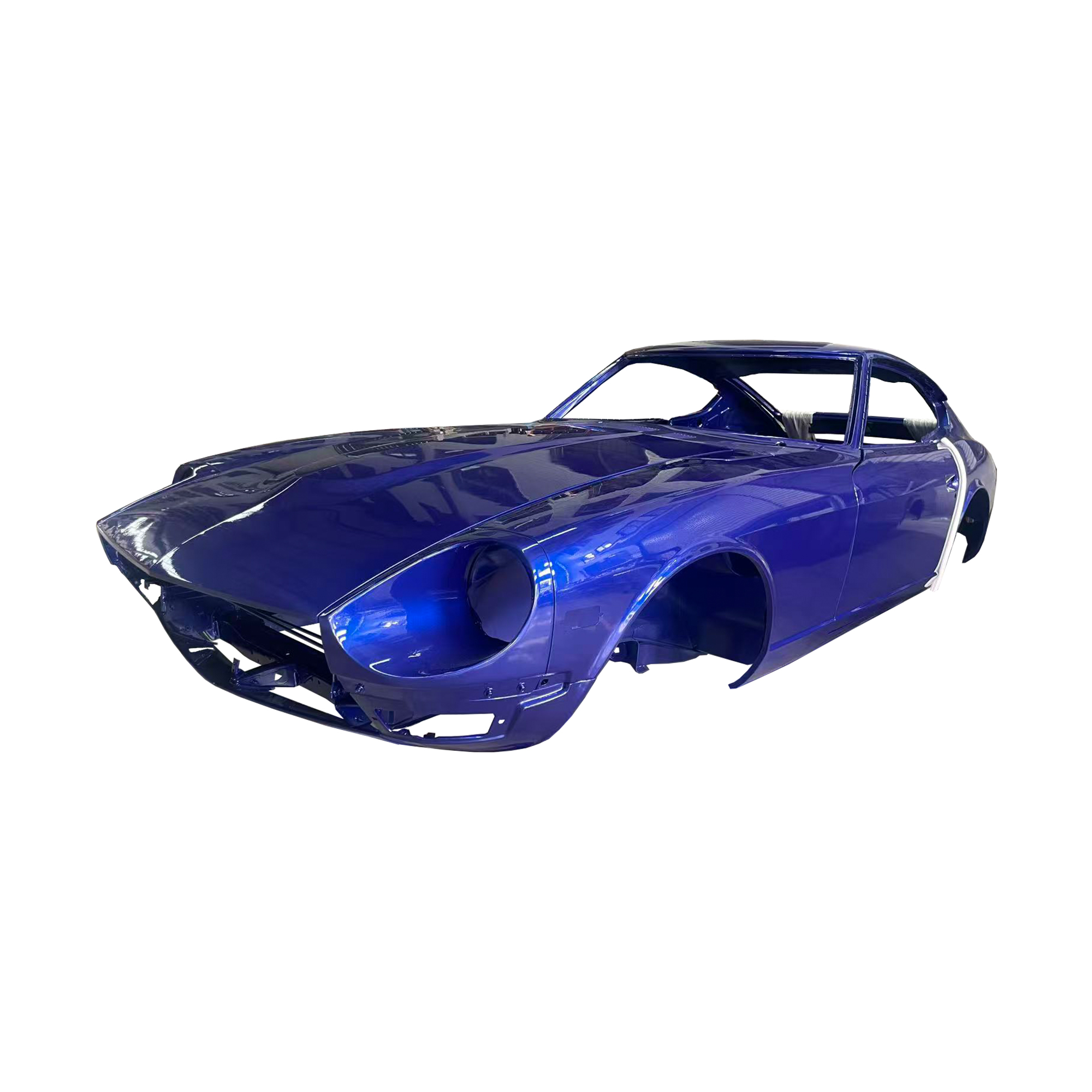 REPLACEMENT COMPLETE CAR BODY ASSEMBLY, 1969-1973, FOR NISSAN DATSUN 240Z
-
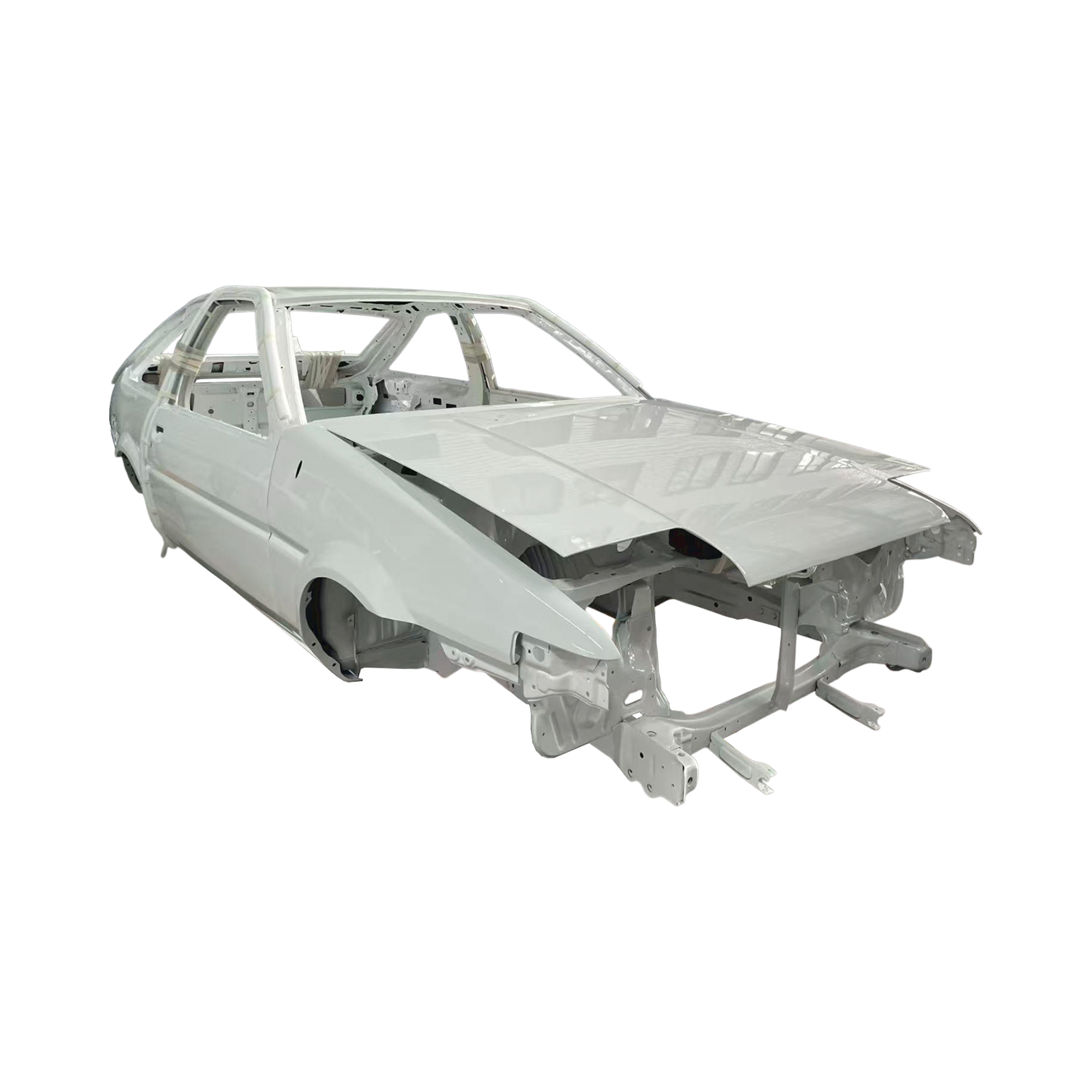 REPLACEMENT COMPLETE CAR BODY ASSEMBLY, 1983-1987, FOR TOYOTA AE86
-
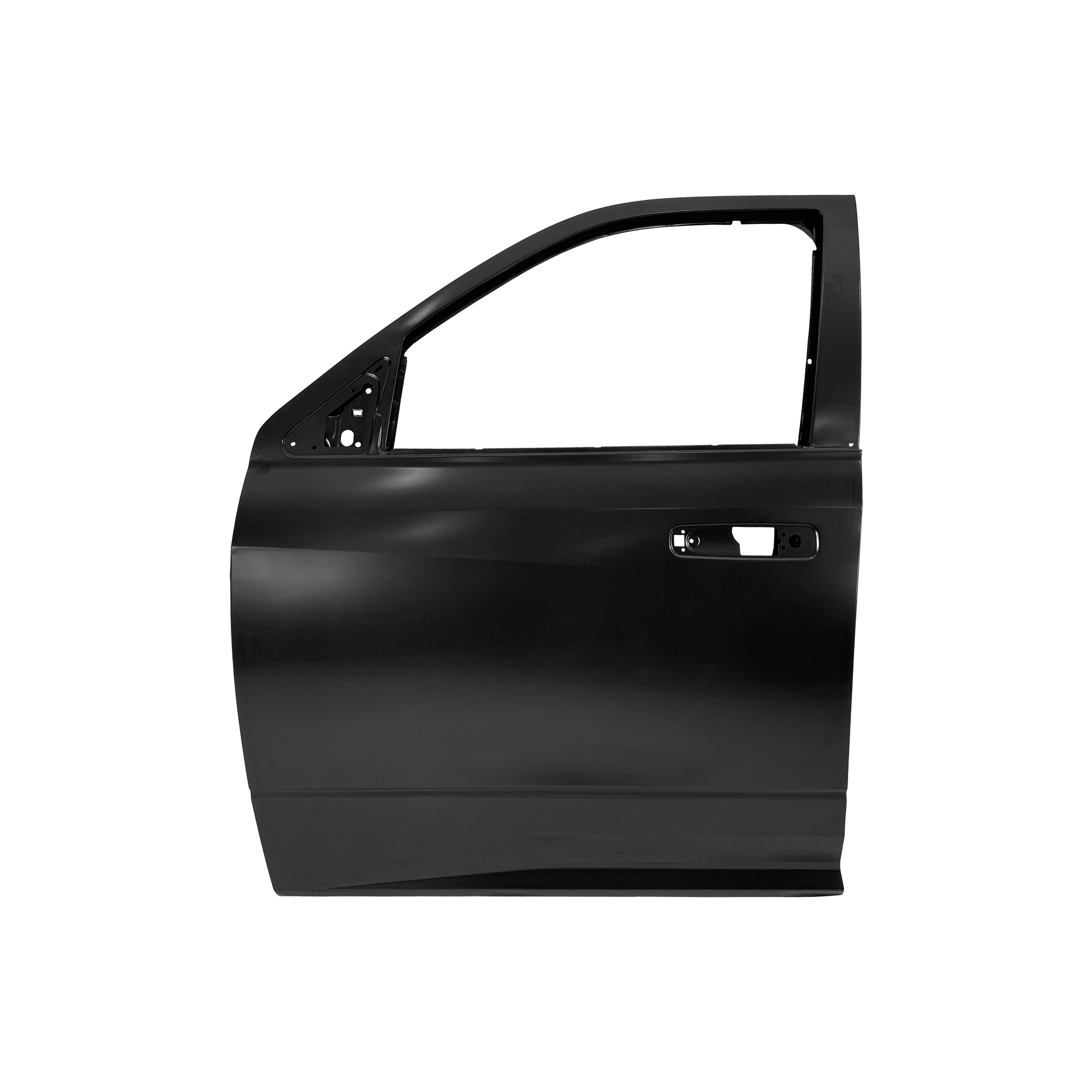 REPLACEMENT FRONT DOOR LH, 2013-2018, FOR DODGE RAM 1500, 68144729A, (STEEL)
-
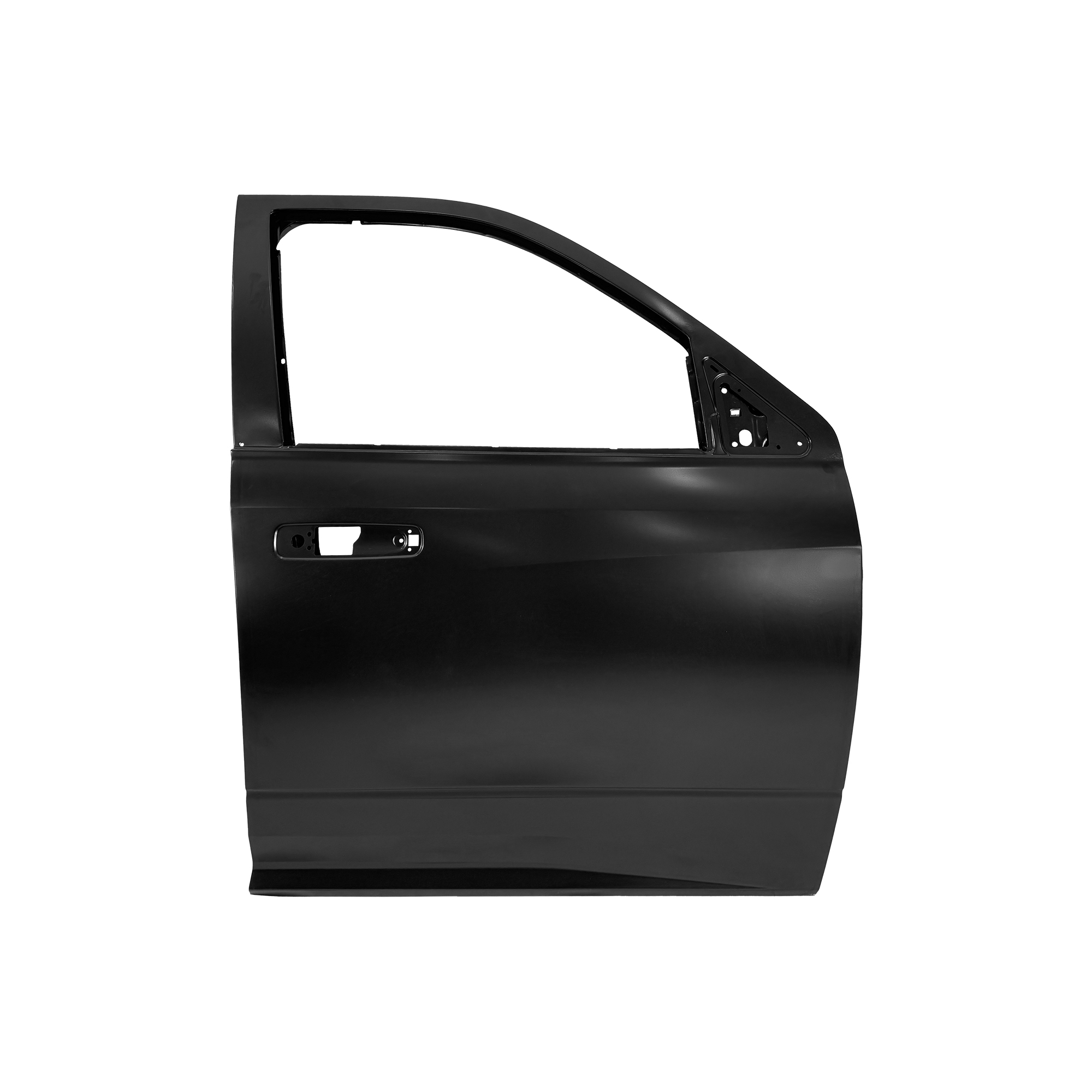 REPLACEMENT FRONT DOOR RH, 2013-2018, FOR DODGE RAM 1500, 68144728A, (STEEL)
-
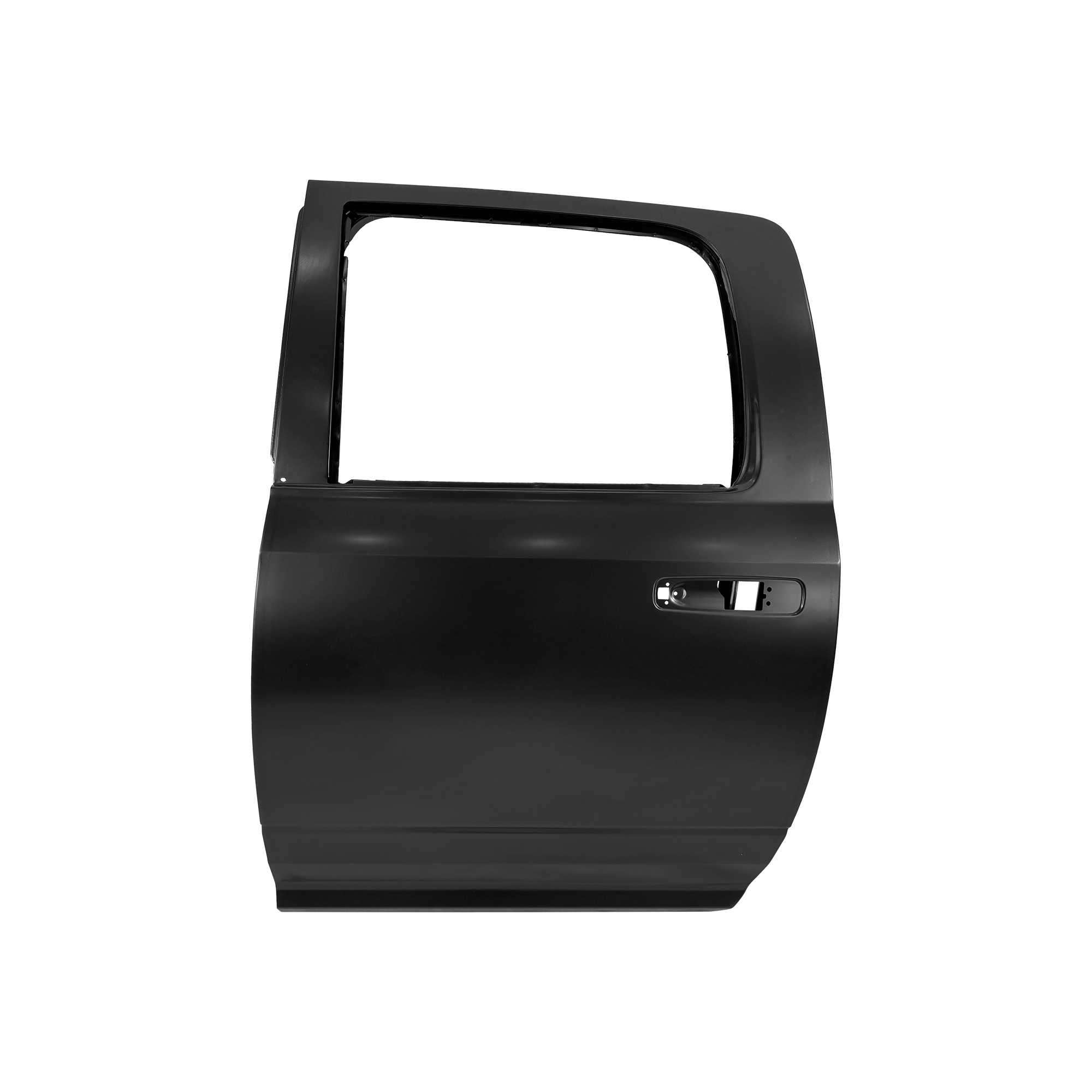 REPLACEMENT REAR DOOR LH, 2013-2018, FOR DODGE RAM 1500, 4589873A, (STEEL)
-
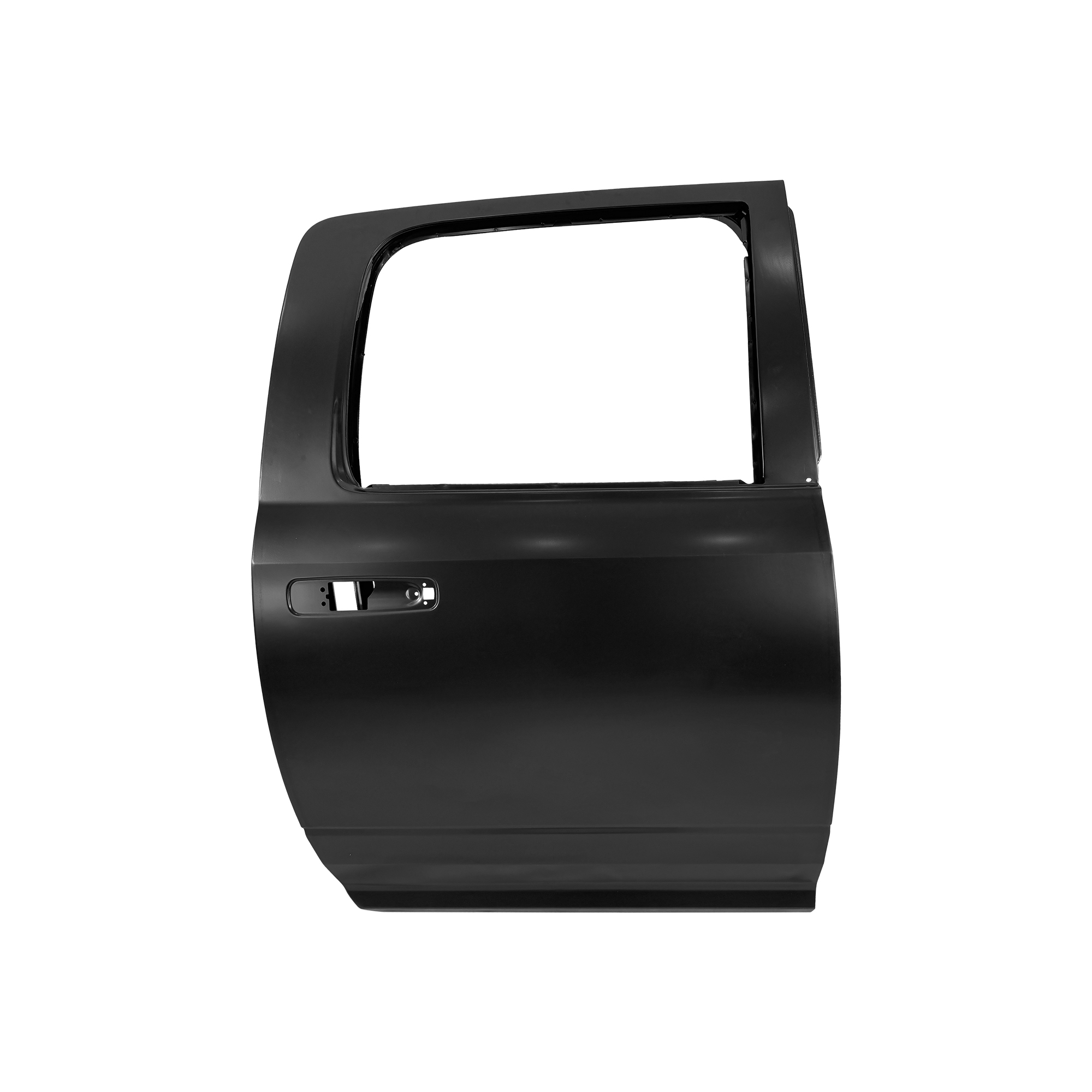 REPLACEMENT REAR DOOR RH, 2013-2018, FOR DODGE RAM 1500, 4589872A, (STEEL)
-
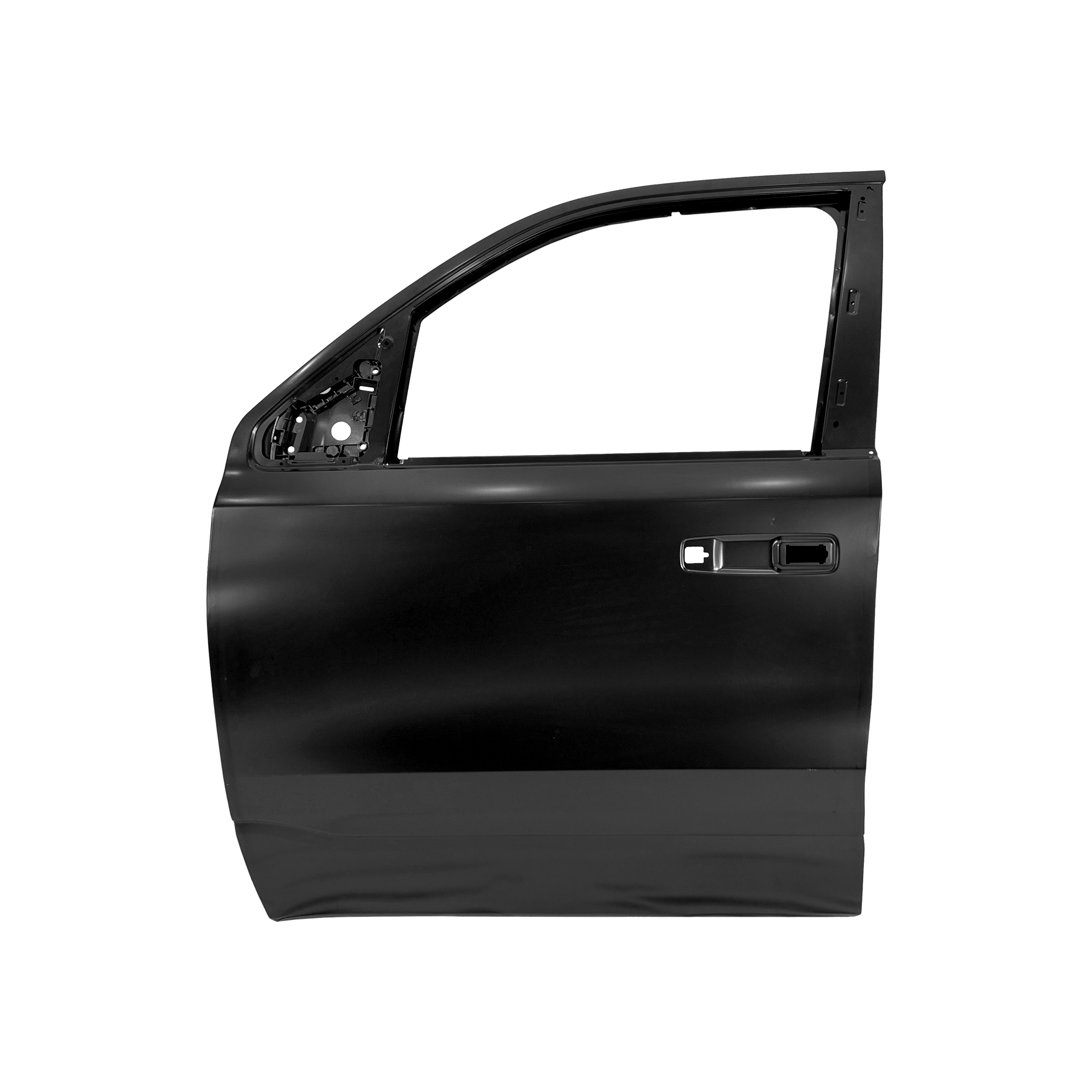 REPLACEMENT FRONT DOOR LH, 2019, FOR DODGE RAM 1500, 68292435AC, (STEEL)
-
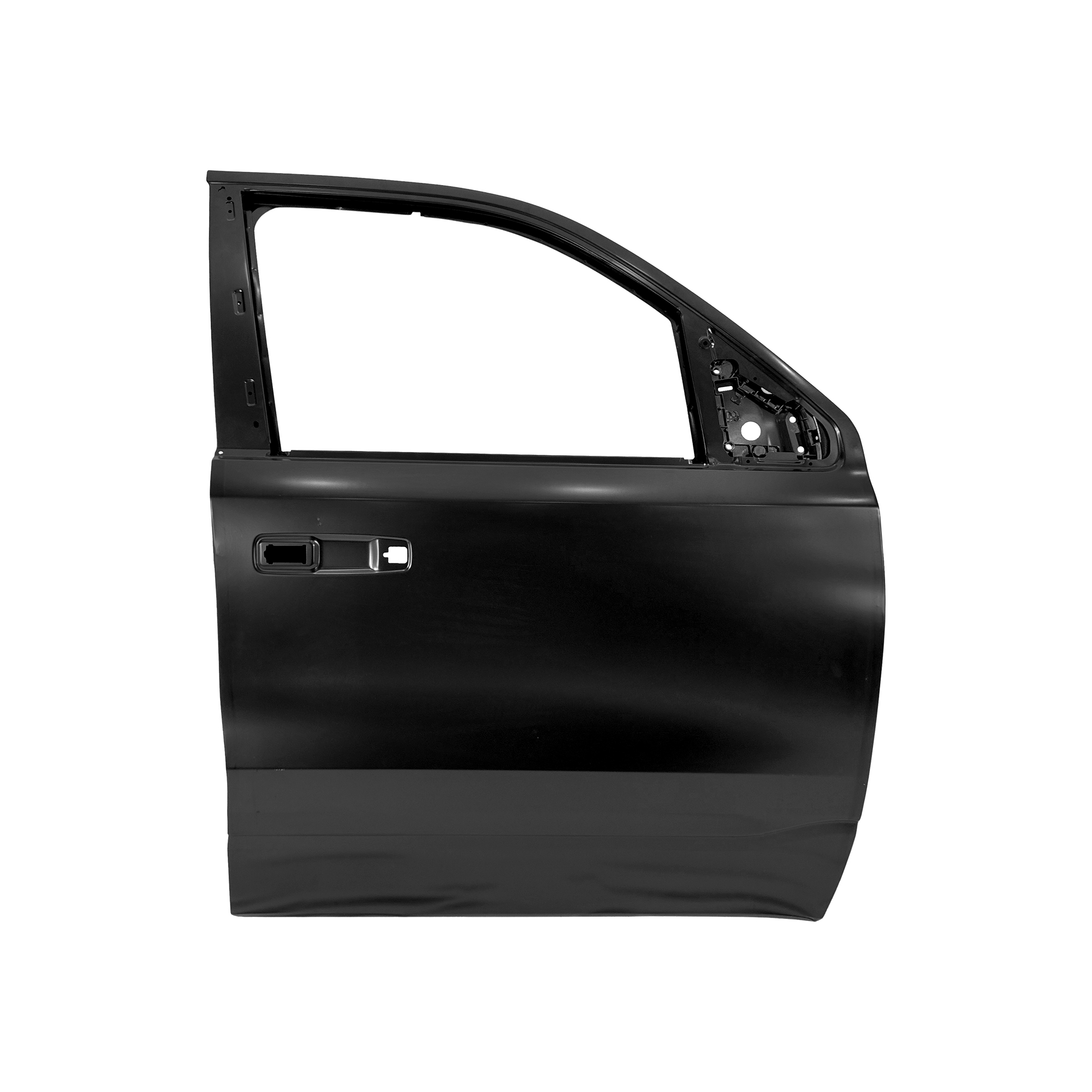 REPLACEMENT FRONT DOOR RH, 2019, FOR DODGE RAM 1500, 68292434AC, (STEEL)
Copyright @ Jiangsu Juncheng Vehicle Industry Co., Ltd. All Rights Reserved.
