
 English
 Español
 عربى
عربى русский
 中文简体
中文简体
Is It Worth Paying More for OEM Auto Body Parts or Are Aftermarket Parts Just as Good
After a collision, the most difficult decision for car owners is often which type of Auto Body Parts to use. Insurance companies tend to prefer cheaper Aftermarket parts, while owners often favor Original Equipment Manufacturer (OEM) parts.
Deep Dive: Core Differences Between OEM and Aftermarket Auto Body Parts
In the field of vehicle repair, the choice of Auto Body Parts directly affects the appearance, safety, and durability of the restoration. Here is a detailed comparison:
- OEM (Original Equipment Manufacturer) Auto Body Parts: These are genuine parts produced by the vehicle manufacturer or authorized suppliers. They are identical to the parts installed when the car left the factory, using the same molds, materials, and production lines. Their core value lies in consistency and guaranteed quality.
- Aftermarket Auto Body Parts: These are produced by third-party companies as an economical alternative. Quality varies significantly, ranging from high-quality parts with professional certifications (like CAPA) to unbranded, low-cost imitations.
Technical Parameter Comparison Table
| Key Parameters | OEM Auto Body Parts | Aftermarket Auto Body Parts |
|---|---|---|
| Fitment Precision | 100% Perfect Match: No grinding or adjustments needed. | High Variability: Possible 1-3mm deviations. |
| Material Strength | Factory-Grade Steel/Aluminum: Passed original crash tests. | Variable: Materials may be softer or more brittle. |
| Paint Adhesion | High-Spec Electrophoretic Primer: Strong corrosion resistance. | Standard Primer: Durability varies by brand. |
| ADAS Sensor Support | Native Compatibility: Does not interfere with system calibration. | Potential Interference: Material density may cause false alerts. |
| Warranty | Factory Warranty: Usually 12 months/12,000 miles. | Brand Dependent: Warrantied by the installer or supplier. |
| Average Price | Base Price (100%) | Typically 50% - 80% of OEM |
Expert Note: In 2026, because sensors are heavily integrated into Auto Body Parts, material physical properties are more critical than ever. Even a one-millimeter difference in thickness can cause wave refraction, creating "blind zones" for intelligent systems.
Why Are Aftermarket Auto Body Parts So Popular?
Despite the "factory pedigree" of OEM parts, Aftermarket Auto Body Parts hold over 50% of the market share in 2026. This is due to supply chain efficiency, diversity, and high cost-performance ratios under specific certification systems.
- Extreme Cost Advantage: Price is the main driver. Insurance companies often default to Aftermarket Auto Body Parts for vehicles out of warranty to reduce claim costs by 25% to 50%.
- Logistics Response Speed: Third-party distributors often have denser inventory networks. When OEM Auto Body Parts face backorders, aftermarket parts often offer same-day delivery.
- Solving the "Discontinued Parts" Problem: For vehicles over 10 years old, manufacturers may stop producing specific Auto Body Parts. In these cases, the aftermarket is the only source for restoration.
Quality Grading Comparison: Internal Differences in the Aftermarket
| Quality Grade | Core Features | Manufacturing Standard | Recommended Use |
|---|---|---|---|
| CAPA Certified | Third-party certified; quality nearly identical to OEM. | Rigid Testing: Materials and strength benchmarked to OEM. | Insurance claims; safety structural parts. |
| Premium Non-Certified | Produced by reputable international manufacturers. | Internal Standards: Often made in factories that also produce OEM. | Performance upgrades; exterior panels. |
| Economy/Standard | Focused on extreme low price via reverse engineering. | Low Standard: Wall thickness and weight may be below OEM. | Older vehicles; temporary repairs. |
Key Performance Parameters: Certified vs. Common Aftermarket Parts
- Tensile Strength: CAPA-certified steel Auto Body Parts must be within plus or minus 5% of OEM strength. Non-certified parts may have yield strengths 30% - 40% lower than OEM.
- Galvanization: High-quality aftermarket parts use double-sided galvanization. Lower-quality Auto Body Parts may only have a thin primer, leading to rust within 1-2 years in humid climates.
- Weight Deviation: Aluminum parts are sensitive to weight. Qualified Auto Body Parts keep weight error within 2%. Excessive weight can affect vehicle balance and handling.
Why Is It Worth Fighting for OEM?
In 2026, insisting on OEM Auto Body Parts is about ensuring core safety architecture and complex electronic systems function correctly.
- Foundation of ADAS Safety Systems: Modern bumpers and mirrors house sensors. OEM Auto Body Parts have precise bracket angles. Even a 1mm thickness deviation can cause blind-spot monitoring failures.
- Structural Crash Safety: Crumple zones rely on specific metal behaviors. OEM Auto Body Parts use the exact high-strength steel or aluminum required to protect passengers during energy transfer.
- Guardian of Resale Value: In the used car market or lease returns, vehicles repaired with OEM Auto Body Parts are considered "premium repairs," maintaining a 10% - 15% higher resale value.
Safety and System Compatibility Performance Indicators
| Metric | OEM Auto Body Parts | Aftermarket Auto Body Parts |
|---|---|---|
| Crash Test Retention | 100% Original Star Rating | 80% - 85%: May alter energy paths. |
| Sensor Calibration Success | First-Time Pass: Bracket deviation less than 0.5 degrees. | Risk of Failure: Often requires multiple attempts. |
| Secondary Repair Rate | Approx. 8% | Approx. 22%: Higher risk of noise or corrosion. |
| Airbag/Seatbelt Linkage | Perfect Synchronization | Potential Delay: Structural rigidity may affect signals. |
Real-World Strategy: How to Fight for OEM Parts with Insurance?
Insurance claims often default to the cheapest solution. You must be proactive to secure OEM Auto Body Parts.
- Review "Hidden Clauses": Check if you have an OEM Endorsement in your policy. Without it, companies may use "Like Kind and Quality" clauses to justify aftermarket parts.
- Submit a Written Statement: Inform the insurance company in writing: "I require all Auto Body Parts involving safety systems and structural integrity to be OEM."
- Leverage "Safety Risks": Ask the insurer for a third-party certification report for the aftermarket part regarding 2026 crash safety standards. Many low-cost brands cannot provide this, forcing the insurer to approve OEM.
Negotiation Strategy by Scenario
| Scenario | Difficulty | Key Leverage | Financial Consequence |
|---|---|---|---|
| New Car (under 2 Years) | Low | Factory warranty protection. | Usually fully covered by insurance. |
| Leased Vehicle | Medium | Lease contract return requirements. | Must present lease terms to the insurer. |
| Third-Party Claim | Medium | Right to "pre-accident condition." | Generally easier to fight for as the victim. |
When to Compromise: Appropriate Aftermarket Scenarios
It is not always necessary to insist on OEM. In specific cases, Aftermarket Auto Body Parts are a smart choice.
- High-Mileage/Older Vehicles: If the car's value is low, OEM parts might cause the car to be "totaled." Aftermarket parts keep the vehicle on the road.
- Non-Safety "Decorative" Components: For parts like trim strips, inner liners, or simple fog light covers, aftermarket Auto Body Parts are excellent substitutes.
- Supply Chain Emergencies: If an OEM part is on a months-long backorder, a high-quality aftermarket part is a practical temporary or permanent solution.
Decision Weight Table: When to Choose Aftermarket?
| Component/Scenario | Logic Score (1-5) | Core Consideration |
|---|---|---|
| Side Mirror Housing | 5 | Purely cosmetic; saves 60-70% cost. |
| Plastic Fender Liner | 5 | Hidden part; as long as holes match, it works. |
| Older Model Headlights | 4 | High value if they lack complex matrix LEDs. |
| Bumpers with Radar | 1 | Not Recommended: Material interferes with sensors. |
FAQ:
Q1: Will using aftermarket Auto Body Parts void my vehicle warranty? Not entirely. Manufacturers cannot void a whole-vehicle warranty just for using an aftermarket part. However, if that specific part causes a failure, the manufacturer can refuse to cover that specific repair.
Q2: What is CAPA certification and how do I identify it? CAPA is the industry standard for aftermarket quality. Look for a yellow and blue tamper-proof seal with a unique barcode. This ensures the Auto Body Parts have been tested for material strength and fitment.
Q3: Why does the insurance company claim aftermarket parts are "equivalent"? This is a cost-control term. While shapes may be 99% similar, differences in sensor transparency and metal fatigue resistance still exist. For vehicles with active safety systems, insist on OEM for parts that house sensors.
Q4: Will there be a color difference with aftermarket Auto Body Parts? Color matching depends on the paint process, but OEM parts usually have better primer quality, which helps the final paint coat last longer without peeling or fading.
-
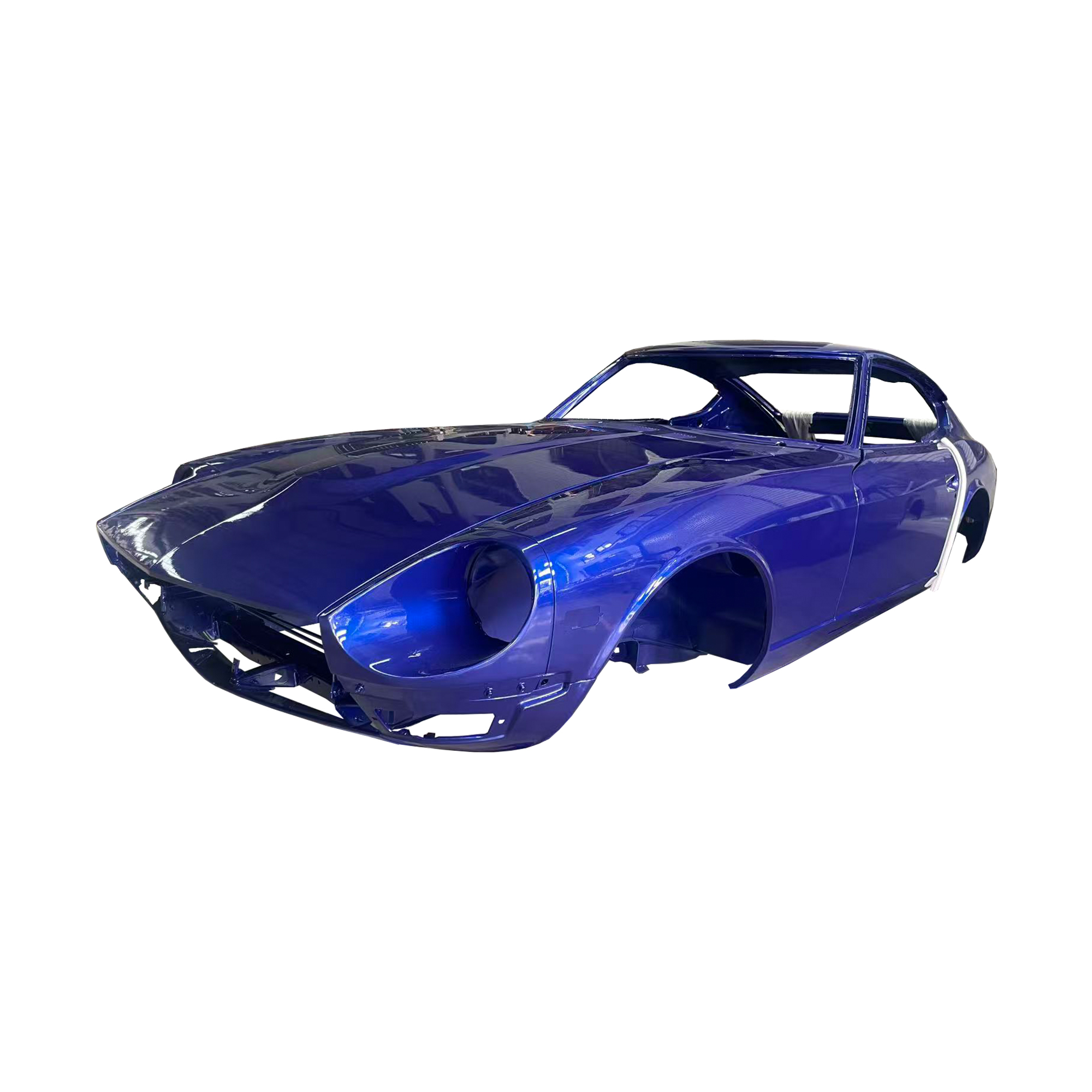 REPLACEMENT COMPLETE CAR BODY ASSEMBLY, 1969-1973, FOR NISSAN DATSUN 240Z
-
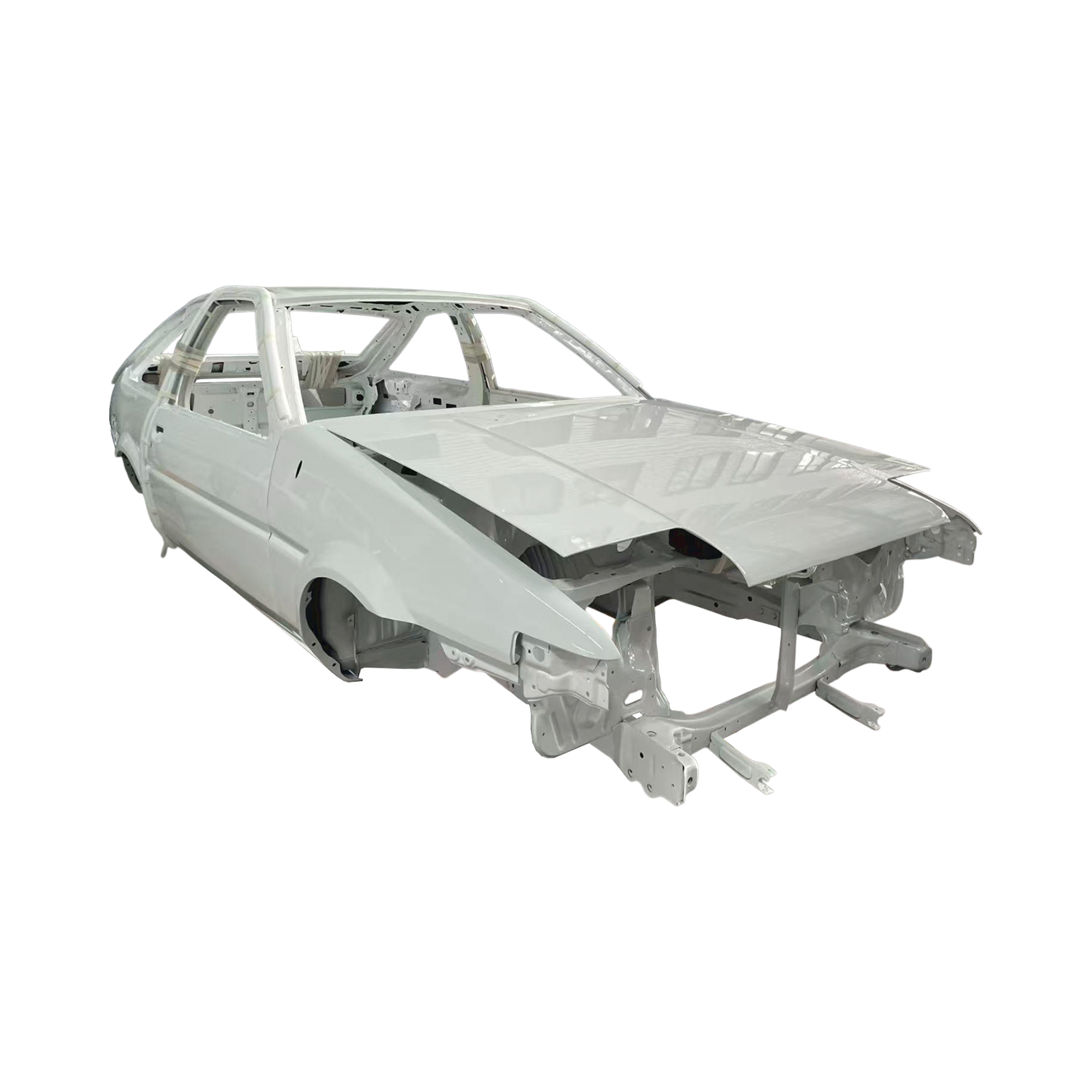 REPLACEMENT COMPLETE CAR BODY ASSEMBLY, 1983-1987, FOR TOYOTA AE86
-
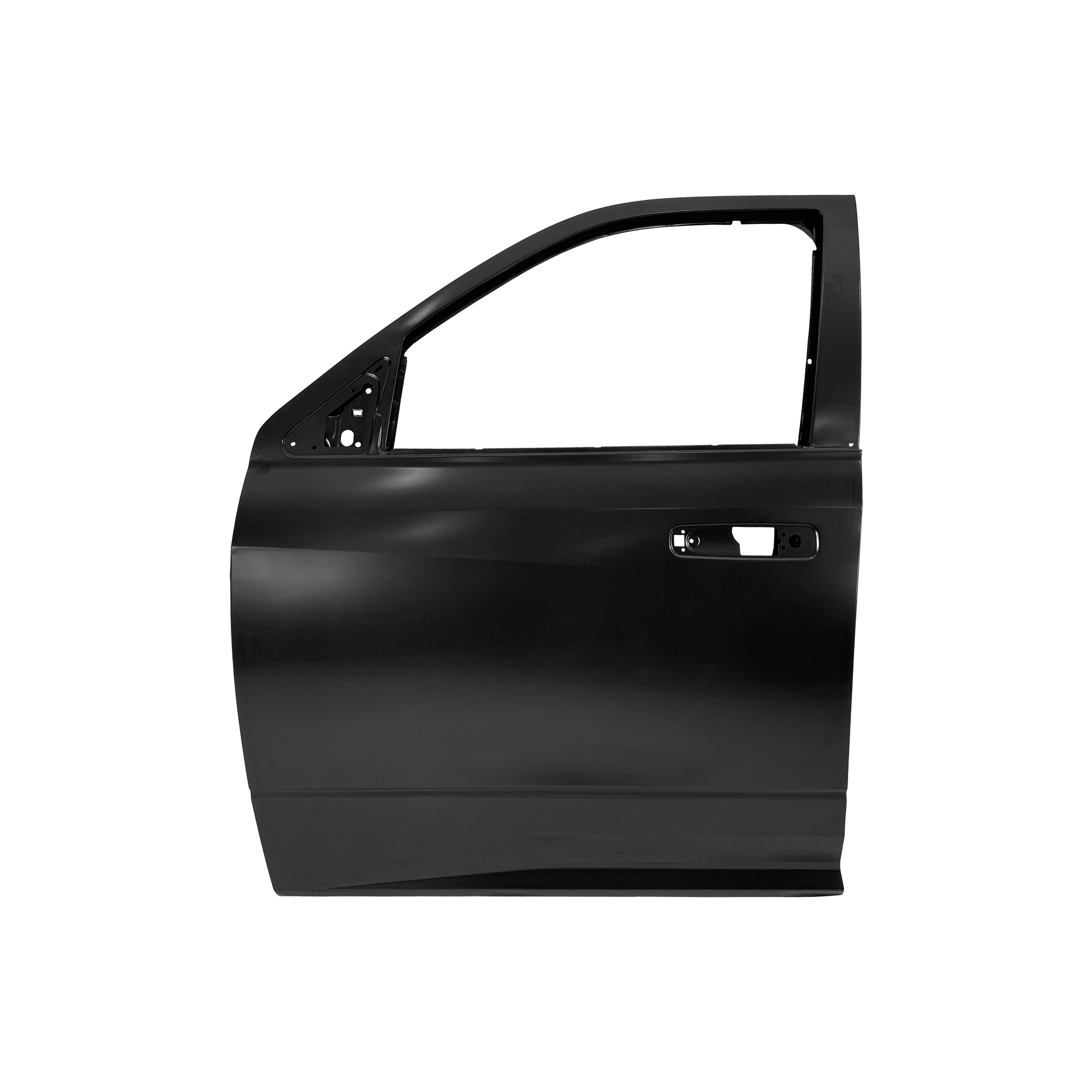 REPLACEMENT FRONT DOOR LH, 2013-2018, FOR DODGE RAM 1500, 68144729A, (STEEL)
-
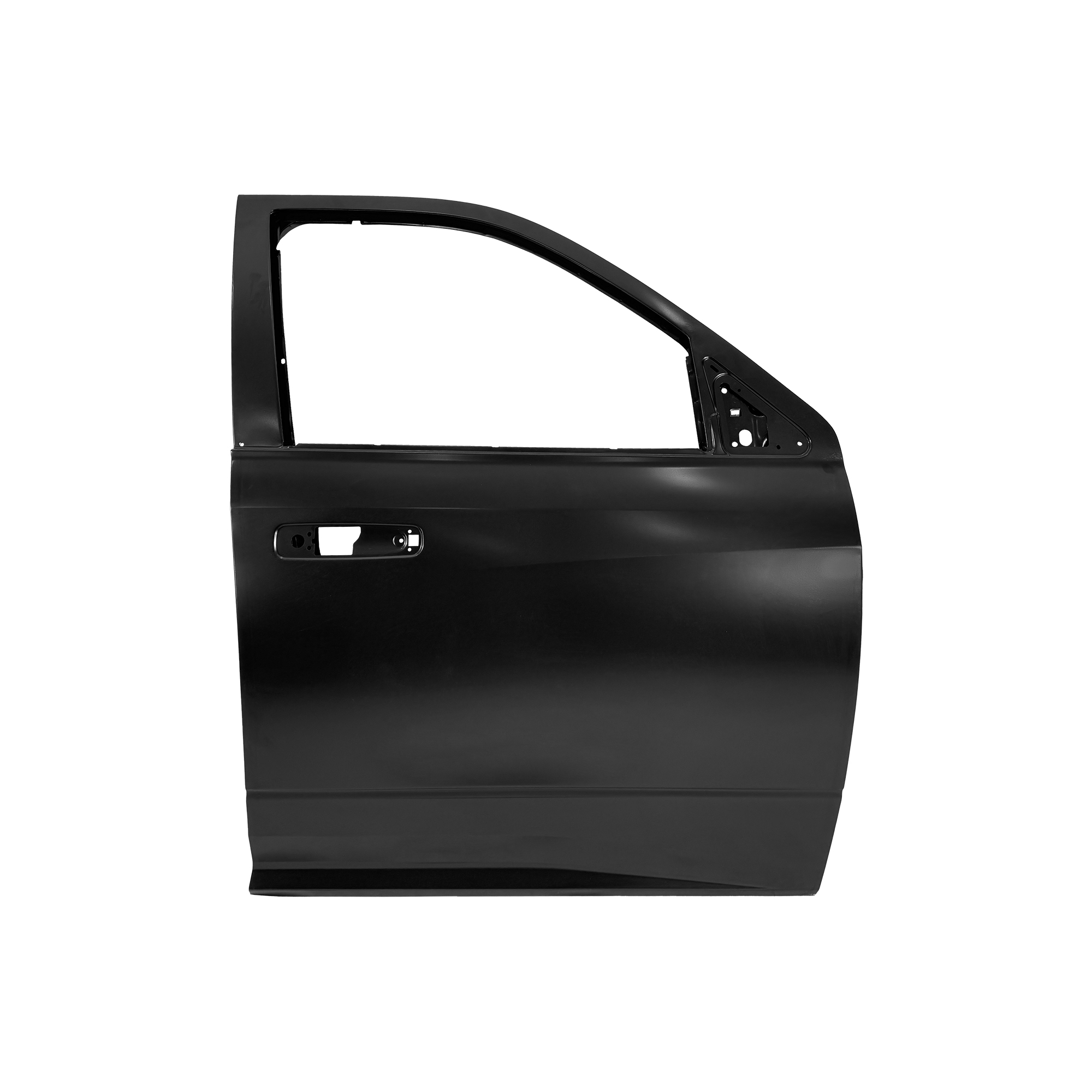 REPLACEMENT FRONT DOOR RH, 2013-2018, FOR DODGE RAM 1500, 68144728A, (STEEL)
-
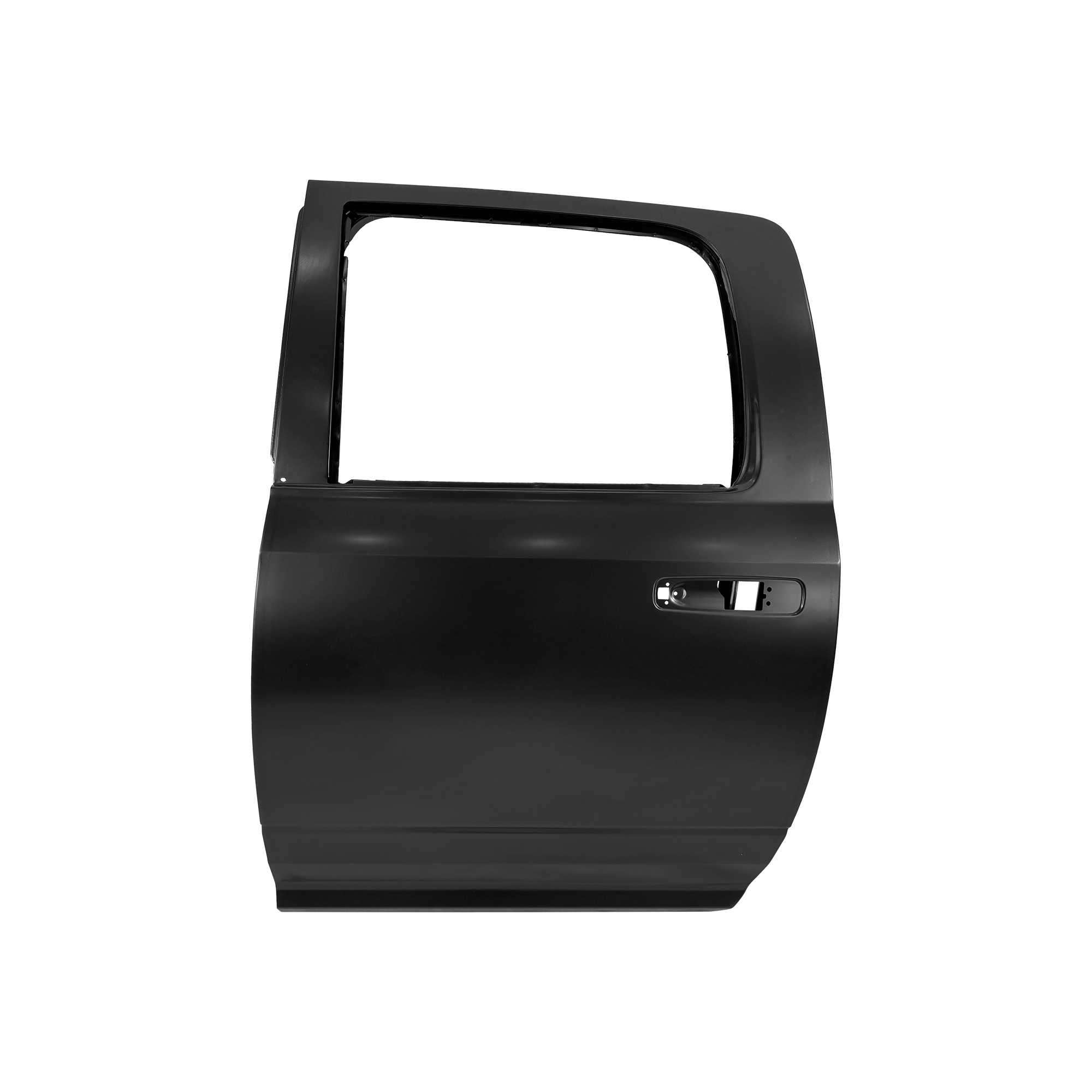 REPLACEMENT REAR DOOR LH, 2013-2018, FOR DODGE RAM 1500, 4589873A, (STEEL)
-
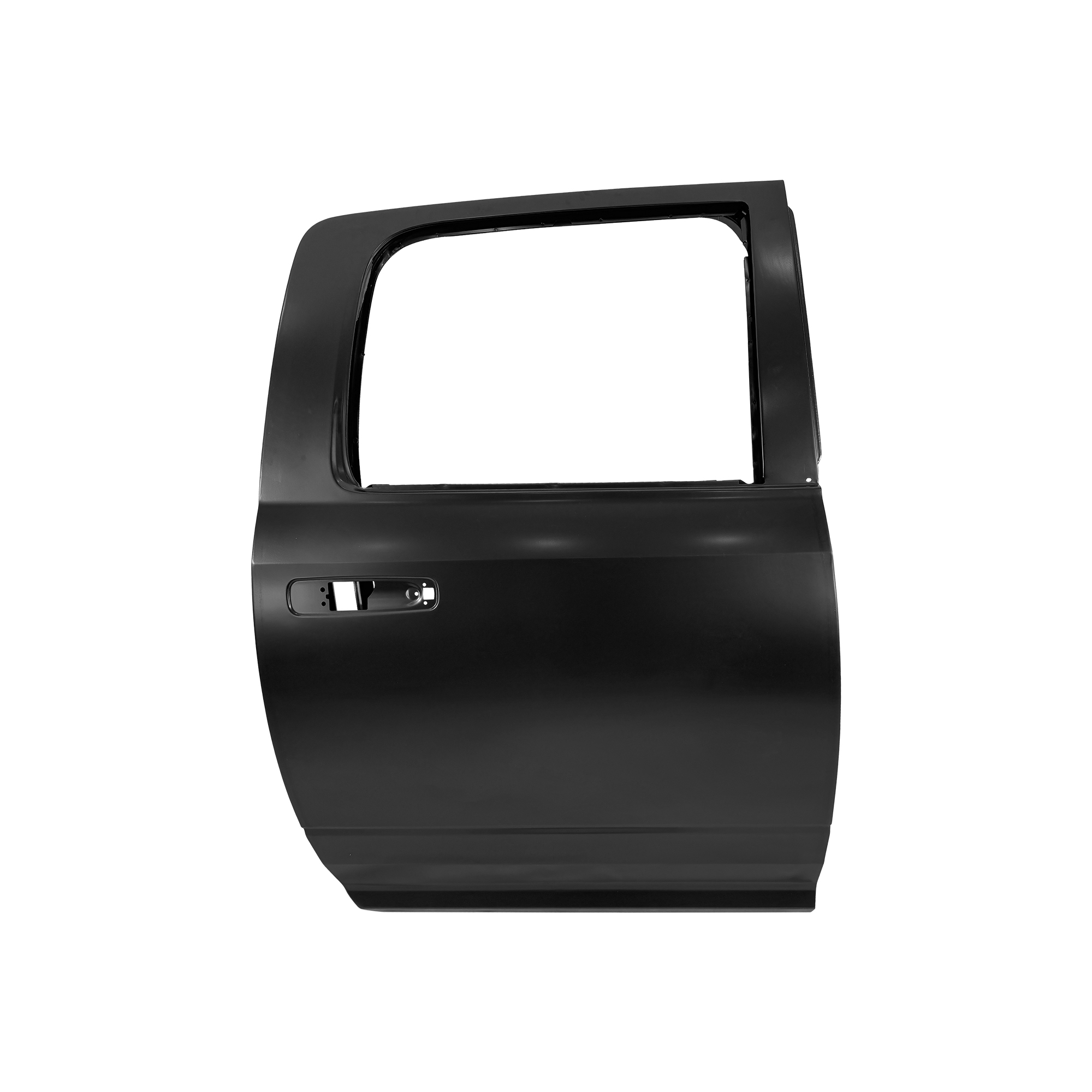 REPLACEMENT REAR DOOR RH, 2013-2018, FOR DODGE RAM 1500, 4589872A, (STEEL)
-
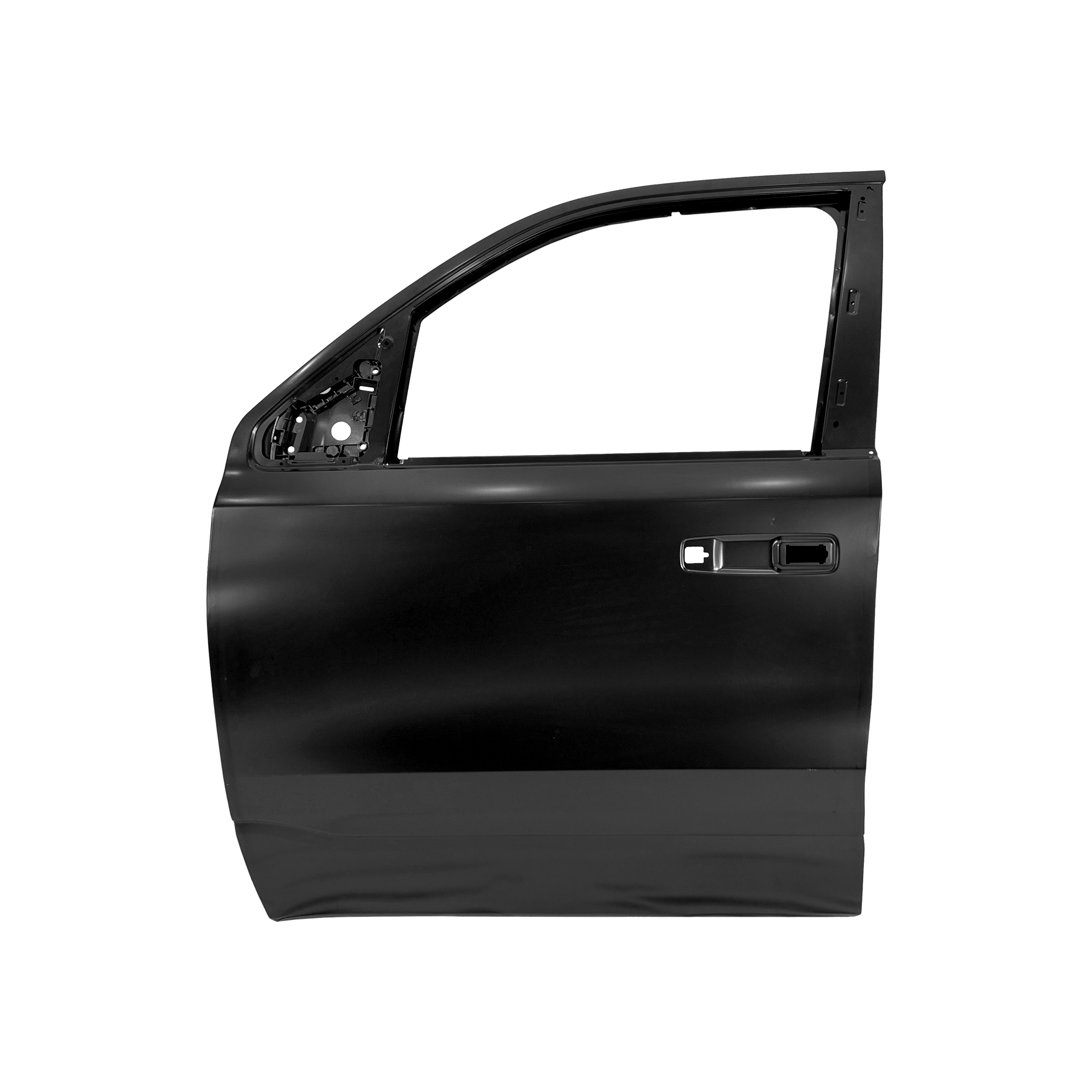 REPLACEMENT FRONT DOOR LH, 2019, FOR DODGE RAM 1500, 68292435AC, (STEEL)
-
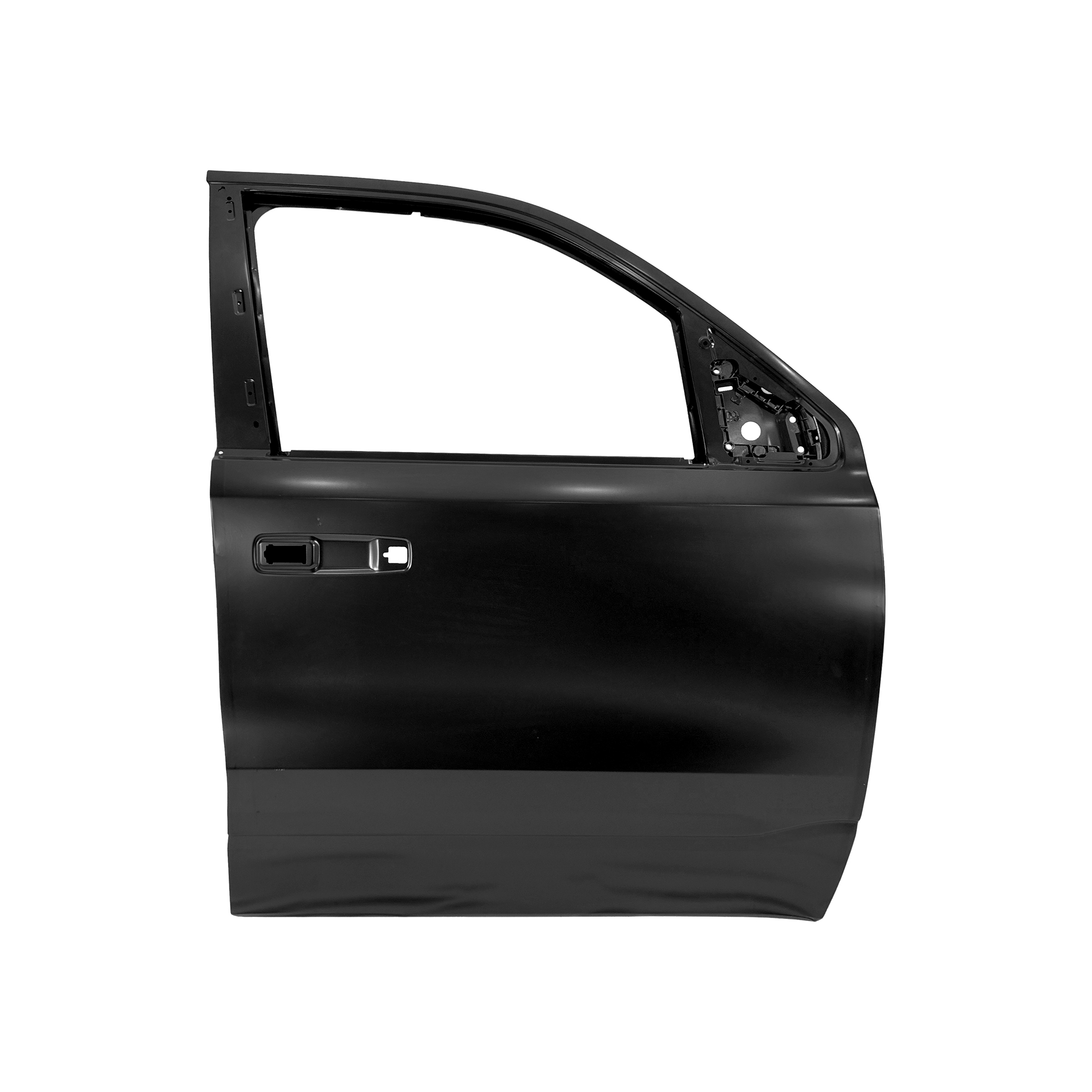 REPLACEMENT FRONT DOOR RH, 2019, FOR DODGE RAM 1500, 68292434AC, (STEEL)
Copyright @ Jiangsu Juncheng Vehicle Industry Co., Ltd. All Rights Reserved.
