 English
 Español
 عربى
عربى русский
 中文简体
中文简体







What Are Daewoo Tico Parts and Why They Still Matter
The Daewoo Tico is a compact city car produced by Daewoo Motors from 1991 to 2001. Based on the Suzuki Alto platform, it was designed to offer affordable, fuel-efficient transportation for urban drivers across emerging markets in Eastern Europe, Central Asia, South Asia, and beyond. Decades after production ended, a remarkable number of Tico vehicles remain in active daily use — particularly in countries such as Pakistan, Uzbekistan, Georgia, and Poland, where spare parts demand remains consistently strong.
This enduring presence in the global used car market is exactly why Daewoo Tico Parts continue to be so important. Owners who rely on their Tico for everyday commuting or light commercial use need access to reliable, well-fitting components to keep the vehicle running safely and economically. Whether it is a worn brake pad, a failed alternator, or a cracked body panel, sourcing the right Daewoo Tico Parts at the right quality level is the difference between a roadworthy car and one sitting idle.
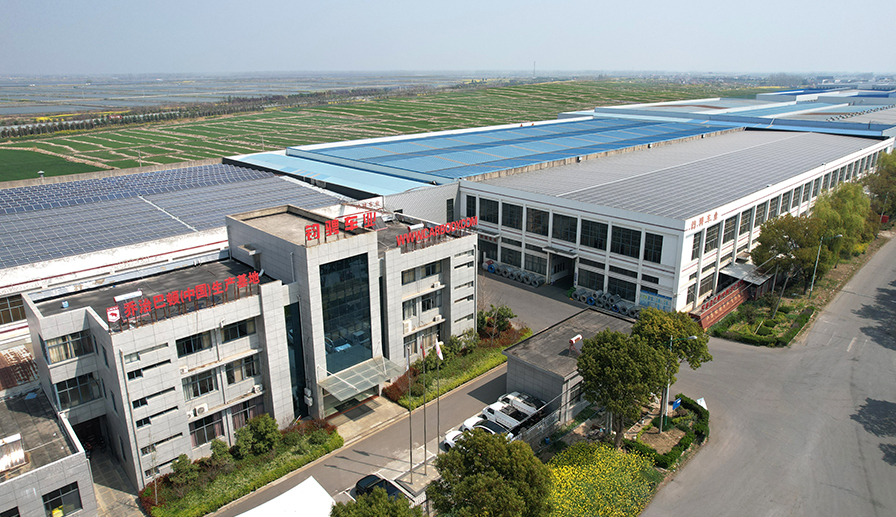
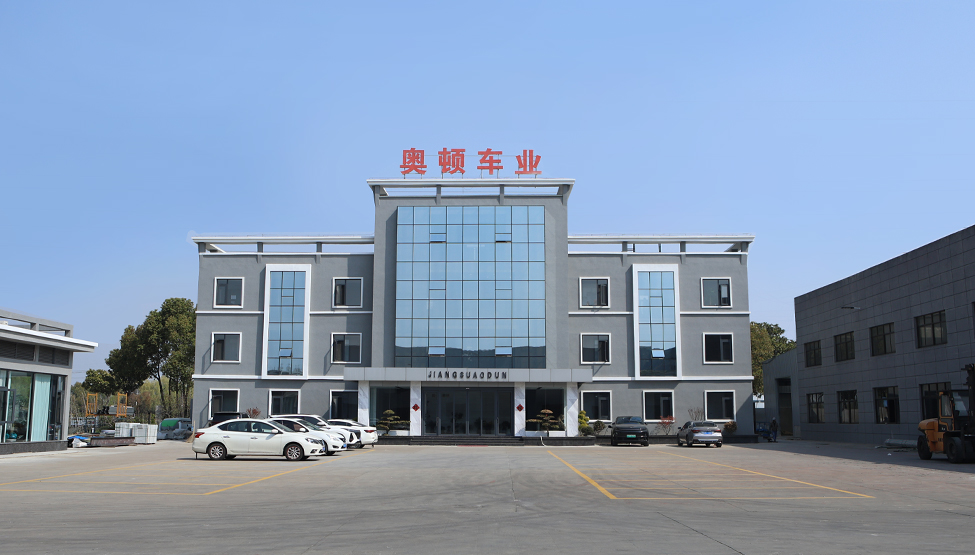
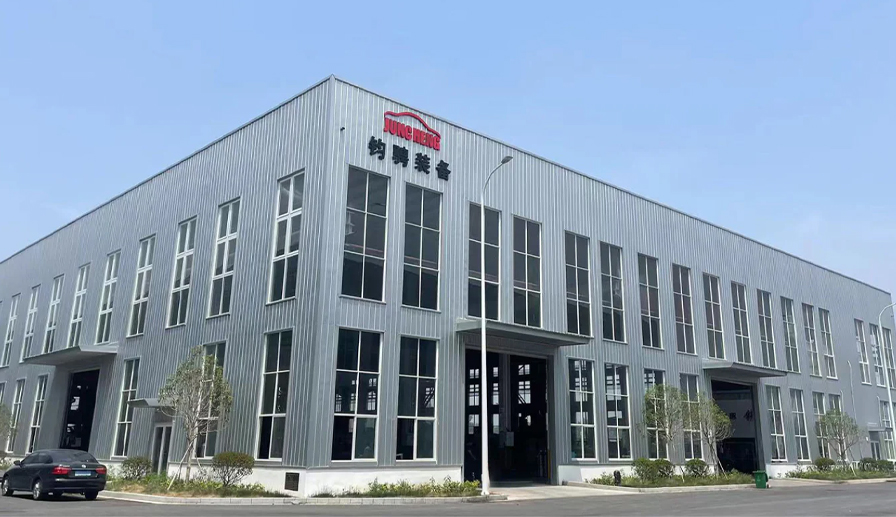
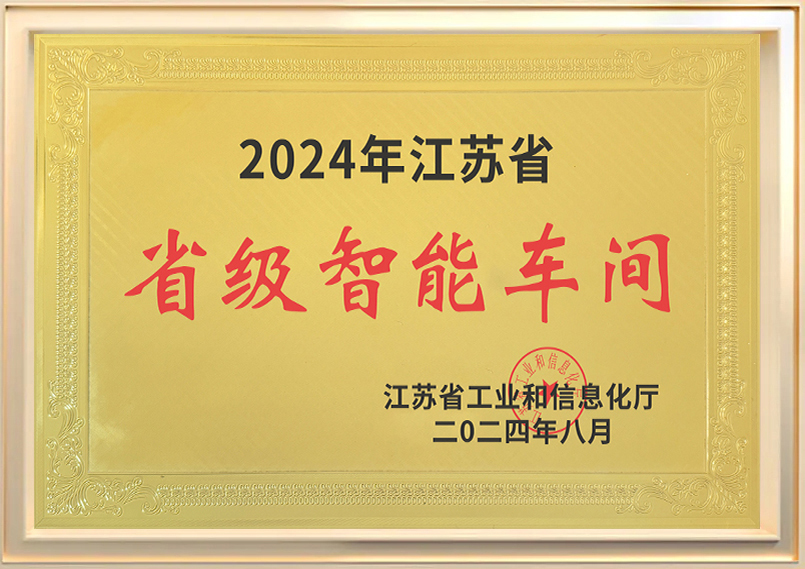
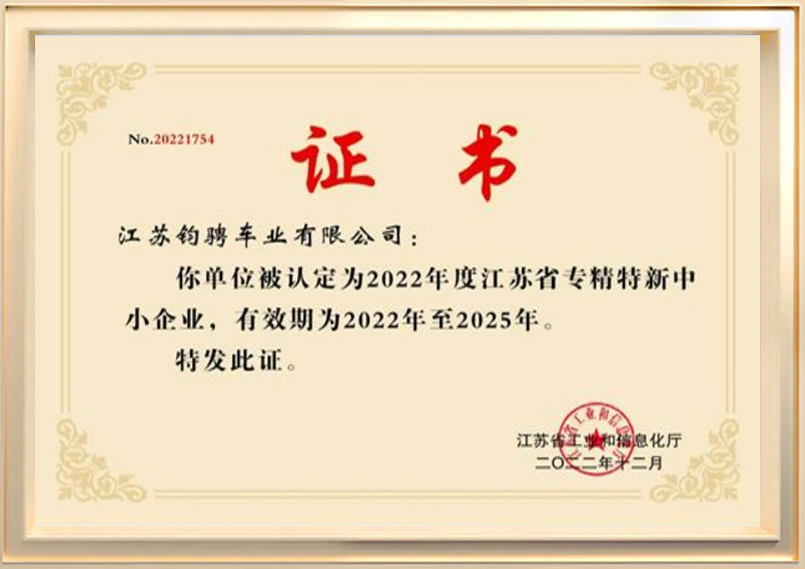
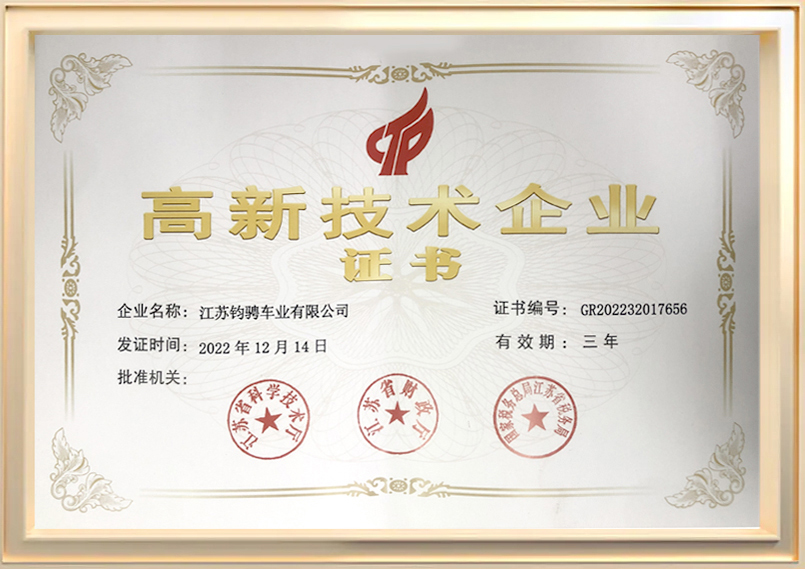
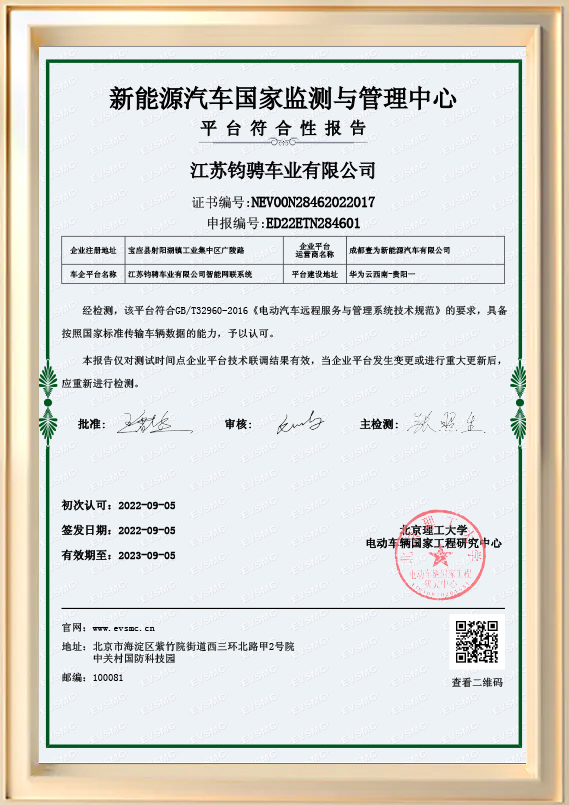
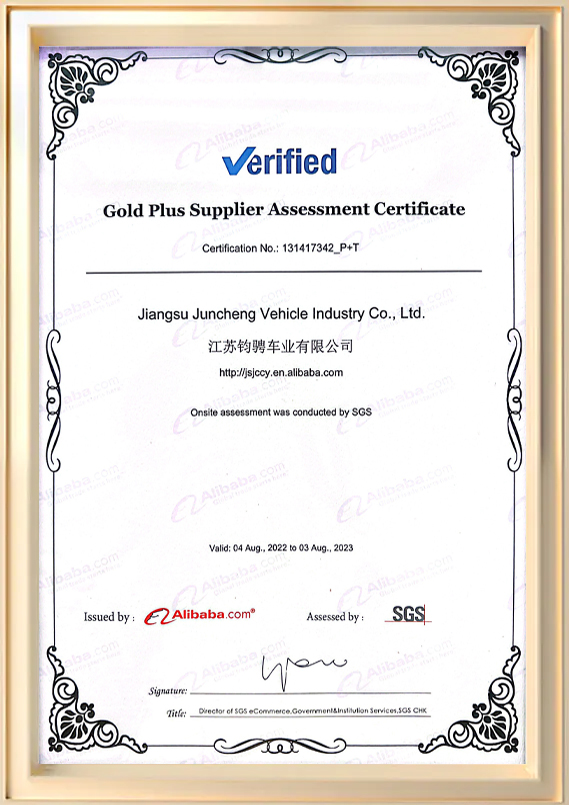
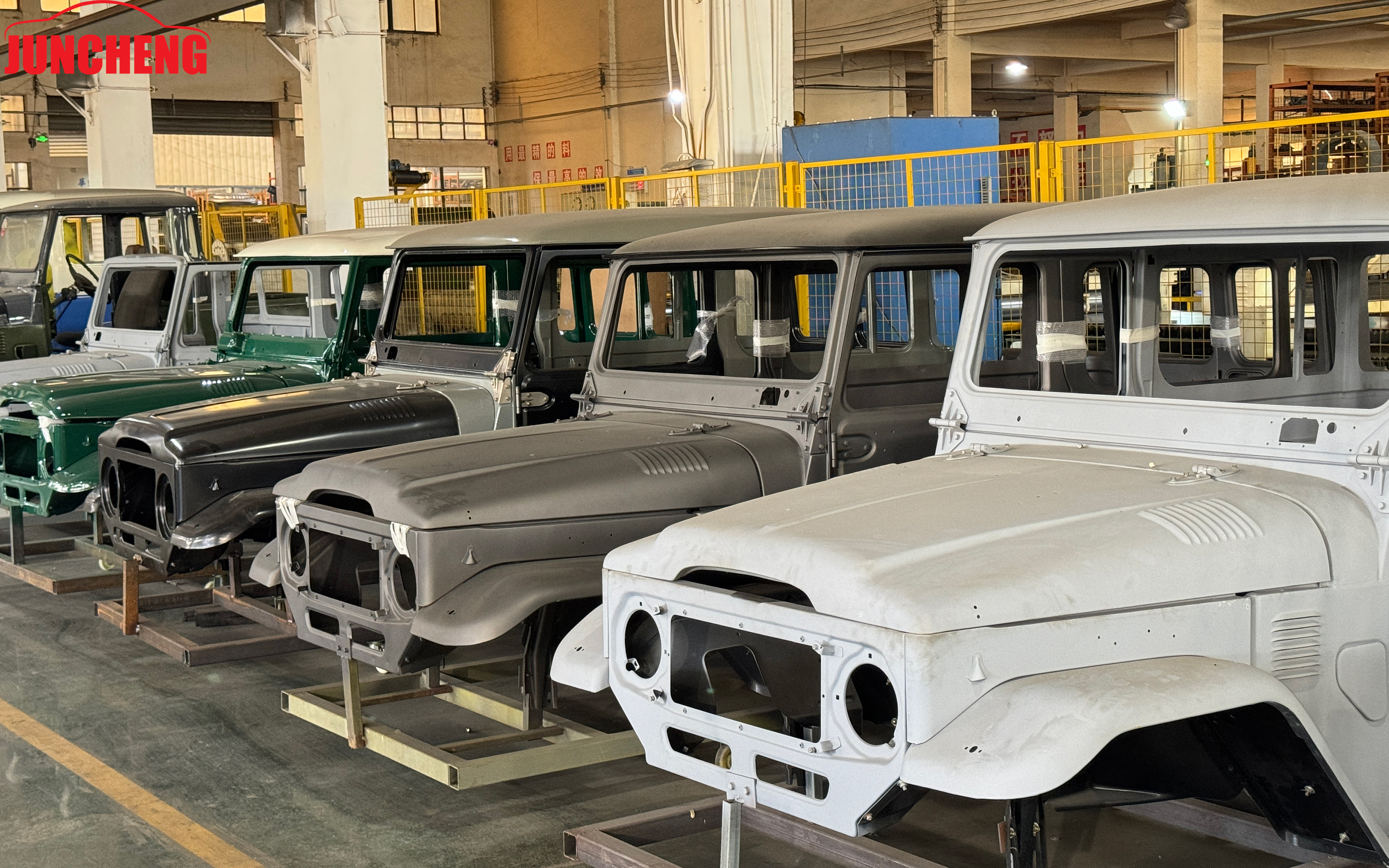
Jiangsu Juncheng Vehicle Industry Co., Ltd., founded in 2012 and headquartered in Baoying County, Yangzhou, Jiangsu Province — a renowned industrial hub for automotive metal components in China — understands this need deeply. Juncheng specializes in the research, development, precision manufacturing, and global distribution of high-quality automotive metal components, including a comprehensive range of Daewoo Tico Parts designed to meet international quality standards.
Most Commonly Needed Daewoo Tico Parts
Understanding which Daewoo Tico Parts fail most frequently helps owners plan maintenance proactively and avoid unexpected breakdowns. Below is a breakdown of the key component categories, their functions, and typical replacement intervals.
Engine and Drivetrain Parts
The Tico uses a small three-cylinder 796cc or 993cc engine. Given the vehicle's age, engine-related Daewoo Tico Parts are among the most frequently replaced components.
| Part | Function | Typical Replacement Interval |
|---|---|---|
| Timing Belt | Synchronizes engine valves and pistons | Every 40,000 – 60,000 km |
| Spark Plugs | Ignite the air-fuel mixture in cylinders | Every 20,000 – 30,000 km |
| Oil Filter | Removes contaminants from engine oil | Every 5,000 – 10,000 km |
| Air Filter | Prevents debris entering the engine | Every 15,000 – 20,000 km |
| Engine Mounts | Absorb vibration between engine and chassis | Every 80,000 – 100,000 km |
Suspension and Steering Parts
With most Tico vehicles now 20 to 30 years old, suspension wear is nearly universal. These Daewoo Tico Parts directly affect ride comfort and vehicle handling safety.
| Part | Function | Typical Replacement Interval |
|---|---|---|
| Shock Absorbers | Dampen road impact and stabilize ride | Every 50,000 – 80,000 km |
| Ball Joints | Connect steering knuckle to control arm | Every 60,000 – 100,000 km |
| Tie Rod Ends | Link steering rack to wheel hub | Every 50,000 – 80,000 km |
| Control Arm Bushings | Reduce friction in suspension arms | Every 60,000 – 80,000 km |
Brake System Parts
Brake components are among the most safety-critical Daewoo Tico Parts and should be inspected at every scheduled service interval.
| Part | Function | Typical Replacement Interval |
|---|---|---|
| Brake Pads | Create friction against brake disc to stop the car | Every 30,000 – 50,000 km |
| Brake Discs | Rotating surface for brake pad contact | Every 60,000 – 80,000 km |
| Brake Calipers | House pistons that press pads against disc | Every 80,000 – 100,000 km |
| Brake Master Cylinder | Converts pedal force into hydraulic pressure | Every 100,000 km or as needed |
Body and Exterior Parts
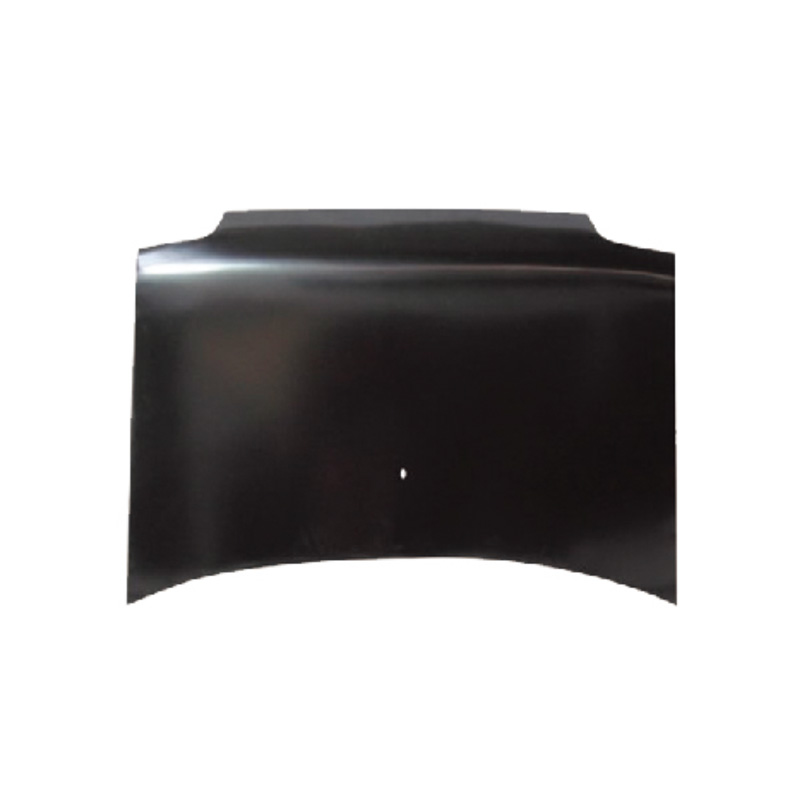
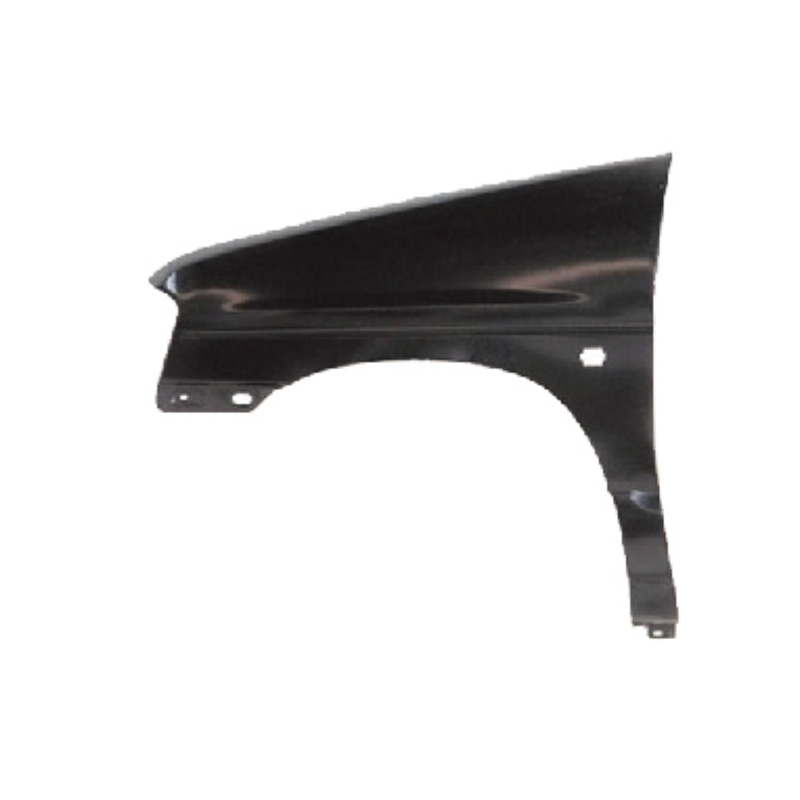
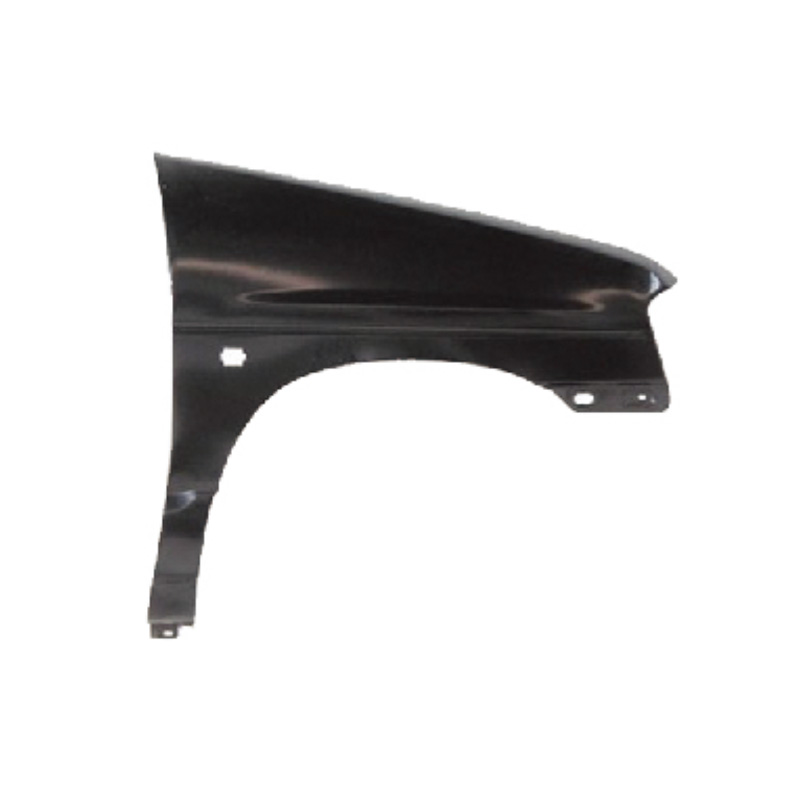
Body-related Daewoo Tico Parts are in high demand due to rust, collision damage, and general deterioration over time. Common items include front and rear bumpers, headlight assemblies, door handles, side mirrors, and hood panels. Because original tooling is no longer in production, quality aftermarket body parts have become the primary solution for Tico owners needing structural or cosmetic repairs.
Electrical Parts
Electrical failures become increasingly common as vehicles age. Key electrical Daewoo Tico Parts include the starter motor, alternator, ignition coil, and various sensors such as the oxygen sensor and coolant temperature sensor. As wiring harnesses age, connection issues and intermittent sensor faults become more frequent and can affect fuel economy, starting reliability, and emissions compliance.
How to Identify Genuine vs. Aftermarket Daewoo Tico Parts
When sourcing Daewoo Tico Parts, buyers are typically faced with two main categories: OEM (Original Equipment Manufacturer) parts and aftermarket parts. Understanding the difference is essential to making the right choice for your vehicle and budget.
OEM Parts
OEM Daewoo Tico Parts are components manufactured to the exact specifications of the original factory parts. They offer guaranteed fitment and predictable performance but can be harder to source and more expensive, given that Daewoo Motors ceased production over two decades ago. Availability has declined steadily as original stock runs out.
Quality Aftermarket Parts
Aftermarket Daewoo Tico Parts are produced by third-party manufacturers. Quality can vary significantly between suppliers. High-quality aftermarket parts from certified manufacturers — such as those produced by Jiangsu Juncheng Vehicle Industry Co., Ltd. — are engineered to meet or exceed OEM specifications, offering a cost-effective and readily available alternative for owners worldwide.
| Criteria | OEM Parts | Quality Aftermarket Parts |
|---|---|---|
| Fitment Accuracy | Exact factory match | Engineered to match OEM specs |
| Availability | Limited, often discontinued | Widely available globally |
| Price | Higher | More cost-effective |
| Quality Consistency | Standardized | Varies by manufacturer |
| Warranty Support | Limited or unavailable | Varies by supplier |
How to Use Part Numbers for Verification
Every Daewoo Tico Part carries an OEM part number stamped on or printed on the component. Always cross-reference this number before purchasing to ensure compatibility. For example, a part listed for the 796cc engine variant may not fit the 993cc variant. Reputable suppliers of Daewoo Tico Parts will always provide OEM part number references so buyers can verify fitment before committing to a purchase.
You can also use your vehicle's VIN (Vehicle Identification Number) to look up compatible Daewoo Tico Parts. The VIN encodes the model year, engine type, and production details, allowing precise parts matching. The VIN is typically found on the dashboard visible through the windscreen, the driver's door jamb sticker, or the engine bay firewall.
Tips for Installing and Maintaining Daewoo Tico Parts
DIY vs. Professional Installation
Some Daewoo Tico Parts can safely be replaced at home by a mechanically confident owner. Simpler items such as air filters, spark plugs, wiper blades, and cabin bulbs are low-risk DIY tasks that require minimal tools and basic mechanical knowledge. However, more complex components — including timing belts, brake calipers, shock absorbers, and suspension arms — should always be handled by a qualified mechanic to ensure correct installation and vehicle safety.
Common Installation Mistakes to Avoid
Incorrect torque settings: Over-tightening or under-tightening bolts on Daewoo Tico Parts can cause components to loosen in service or strip threads during fitting. Always use a calibrated torque wrench and follow manufacturer specifications.
Skipping brake system bleeding: After replacing brake calipers or the master cylinder, the brake hydraulic system must be fully bled to remove air. Failing to do so results in a spongy pedal and significantly reduced braking performance.
Ignoring timing marks: When replacing the timing belt — one of the most critical Daewoo Tico Parts — the engine's timing marks must be precisely aligned before fitting the new belt. Incorrect alignment can cause catastrophic engine damage on first start.
Reusing old gaskets or seals: When disassembling engine components to access other Daewoo Tico Parts, always replace gaskets and seals rather than reusing originals. Old seals rarely form a reliable secondary seal and are a common source of oil or coolant leaks post-repair.
Mixing brake fluids: Different brake fluid specifications such as DOT 3 and DOT 4 should not be mixed in the Tico's braking system without fully flushing first. Incompatible fluids can lower the boiling point and degrade braking reliability under hard use.
Recommended Maintenance Schedule
To maximize the lifespan of your Daewoo Tico Parts and the vehicle as a whole, follow a structured maintenance schedule based on mileage and time intervals:
| Maintenance Task | Recommended Interval |
|---|---|
| Engine oil and filter change | Every 5,000 – 7,500 km |
| Air filter inspection and replacement | Every 15,000 – 20,000 km |
| Spark plug replacement | Every 20,000 – 30,000 km |
| Brake pad inspection | Every 20,000 km or annually |
| Timing belt replacement | Every 40,000 – 60,000 km |
| Suspension and steering check | Every 40,000 km or biannually |
| Full brake system service | Every 60,000 – 80,000 km |
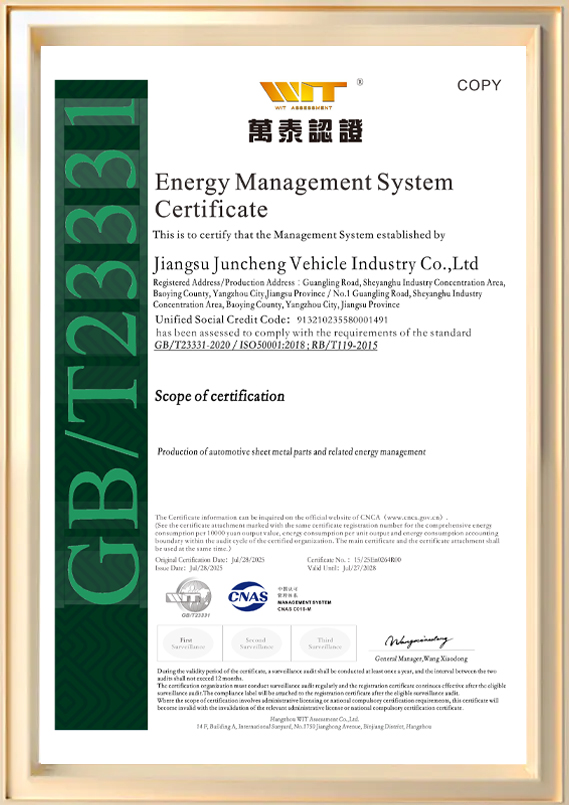
Jiangsu Juncheng Vehicle Industry Co., Ltd. manufactures Daewoo Tico Parts with advanced production technologies and robust quality management systems. Components produced by Juncheng are built to withstand demanding operating conditions, helping Tico owners achieve longer service intervals and lower overall maintenance costs over the vehicle's lifespan.
FAQ — Daewoo Tico Parts: Common Questions Answered
Daewoo Tico production ended over 20 years ago. Can I still find parts?
Yes. Although Daewoo Motors discontinued the Tico in 2001, the vehicle remains widely used in many markets, sustaining consistent global demand for Daewoo Tico Parts. A thriving aftermarket manufacturing sector continues to produce compatible components. Jiangsu Juncheng Vehicle Industry Co., Ltd., with its focus on precision manufacturing and global distribution, supplies Daewoo Tico Parts to distributors and retailers worldwide, ensuring continued availability for owners across all major Tico markets.
Are Daewoo Tico Parts interchangeable with parts from other small cars of the same era?
Partially. The Daewoo Tico was built on the same platform as the Suzuki Alto from 1988 to 1994, so certain mechanical Daewoo Tico Parts — particularly engine internals, suspension geometry, and braking components — share compatibility. However, body panels, trim pieces, and model-specific components differ significantly between vehicles. Always verify part numbers before assuming cross-compatibility, and consult a knowledgeable supplier to confirm fitment for your specific model year.
How do I find the correct Daewoo Tico Parts using my VIN?
Your VIN (Vehicle Identification Number) is typically found on the dashboard visible through the windscreen, on the driver's door jamb sticker, or on the engine bay firewall. The VIN contains coded information about your Tico's production year, engine type, and market variant. Providing this number to a reputable Daewoo Tico Parts supplier allows them to match components precisely to your vehicle configuration, reducing the risk of ordering incompatible parts.
Will using aftermarket Daewoo Tico Parts affect my vehicle's warranty or insurance?
For a vehicle as old as the Tico, the original factory warranty is no longer applicable. If you hold a third-party mechanical warranty or extended vehicle insurance policy, check the specific terms — most policies accept certified aftermarket Daewoo Tico Parts as long as they meet recognized quality standards and are installed correctly. Using components from established, quality-certified manufacturers reduces any risk of dispute with insurers or warranty providers.
What are the most failure-prone Daewoo Tico Parts to watch?
Based on the vehicle's age and design characteristics, the components that fail most frequently include the timing belt — critical, as failure can cause major engine damage and replacement should never be delayed — along with shock absorbers, brake pads and discs, wheel bearings, tie rod ends, and the alternator. Keeping a close eye on these Daewoo Tico Parts through regular inspection is strongly recommended to avoid costly repairs or roadside breakdowns.
Which regions have the best availability of Daewoo Tico Parts?
Pakistan, Uzbekistan, Georgia, and Poland have the highest concentrations of Tico vehicles still in active use and therefore the strongest local market availability for Daewoo Tico Parts. On a global manufacturing level, China is one of the leading sources for precision aftermarket automotive components. Jiangsu Juncheng Vehicle Industry Co., Ltd., based in Baoying County, Yangzhou, Jiangsu Province, exports Daewoo Tico Parts and a broad range of precision automotive metal components to markets worldwide — offering reliable supply chains and consistent product quality for distributors, workshops, and vehicle owners across all major Tico regions.
