
 English
 Español
 عربى
عربى русский
 中文简体
中文简体
Is Your Jeep Losing Its Edge? The Ultimate Guide to Choosing Jeep Parts and OEM Replacements
Why Choosing the Correct Jeep Parts is Critical for Vehicle Longevity
For every owner, a Jeep is more than just an SUV; it is a tool for exploring the unknown. Whether traversing rocky terrain or commuting in the city, the vehicle's durability and safety depend heavily on the collaboration of thousands of internal components.
Off-Road Performance and Durability Balance
Jeep design is intended to handle harsh geographical environments. Because off-road driving places physical stress on the suspension, drive shafts, and chassis far beyond that of a standard passenger car, using inferior or mismatched parts can quickly cause a chain reaction. For example, a ball joint that does not meet strength standards may break under stress, leading to a loss of steering control. By selecting high-standard Jeep Parts, you ensure the vehicle maintains structural integrity even under extreme working conditions.
Key Systems and Part Quality Requirements
Braking System: During steep descents, the heat resistance of brake discs and the material of friction pads directly determine safety.
Drivetrain System: The precise fit of differentials and bearings requires extremely high tolerance control, which is core to ensuring power delivery without loss.
Electronic Systems: Modern models feature sensors (such as ABS or 4WD controllers) that are highly sensitive to electrical signals; substandard parts may cause the system to report false fault codes.
Long-term Value and Resale Benefits
Using high-quality Jeep Replacement Parts is not just about immediate repairs. When you are ready to sell the vehicle, a complete record of high-quality part replacements can significantly enhance the vehicle's secondary resale value.
Part Type Parameter Comparison Table
| Evaluation Dimension | High-Quality Parts | Inferior/Universal Parts |
| Fit Precision | 0.01mm grade precision, perfect alignment | Large tolerances, may require forced installation |
| Material Strength | High-strength alloy steel or OEM composites | Ordinary cast iron or recycled plastic |
| Weather Resistance | Tested from -40°C to 120°C | Deforms at high temp, brittle at low temp |
| Expected Lifespan | Matches original vehicle replacement cycle | Approximately 30% - 50% of standard life |
| Warranty Support | Usually provides 12-24 months protection | Often no warranty or limited short-term return |
Jeep Parts OEM: The Irreplaceable Nature of Original Parts
In the maintenance or repair of your vehicle, Jeep Parts OEM (Original Equipment Manufacturer) represents the highest industrial standard for fitment. These parts are developed by the original vehicle engineering team and produced by strictly audited suppliers to fully restore the performance specifications of the vehicle as it first left the assembly line.
What is the Core Value of Jeep Parts OEM?
An original part is more than just an accessory; it is an extension of the entire vehicle’s engineering design. Every Jeep Parts OEM component must undergo thousands of hours of laboratory fatigue testing and field off-road testing before entering the market.
Material Consistency: Ensures that the metal composition and rubber hardness of the replacement part are identical to the original.
System Synergy: Modern Jeeps feature complex Electronic Stability Programs (ESC) and 4WD control systems; original sensors provide the most accurate data feedback.
Installation Ease: Achieving "plug and play" without the need for cutting, drilling, or adding adapter brackets.
Technical Parameter Comparison: OEM vs. Generic Substitutes
| Technical Indicator | Jeep Parts OEM | Generic Substitutes |
| Dimensional Tolerance | Within ± 0.05 mm | ± 0.5 mm or greater |
| Tensile Strength | 800–1200 MPa grade | Approx. 500 MPa (high fluctuation) |
| Anti-Corrosion Coating | 1000-hour Salt Spray Test | Basic paint, prone to rust |
| Seal Pressure Rating | Up to 150 bar (for steering) | Usually only 100 bar |
| Expected Lifespan | 100,000 km or more | Approx. 30,000–50,000 km |
Why Choose OEM for Critical Systems?
In core areas such as internal engine parts, transmission gears, and airbag modules, using Jeep Parts OEM is the only logical choice. Non-original parts may look identical statically, but under dynamic stress or high-temperature environments, tiny differences in thermal expansion coefficients can lead to severe mechanical failure.
When to Look for Jeep Replacement Parts
Owning a Jeep means regularly facing various road challenges. Knowing when to swap in Jeep Replacement Parts is key to preventing expensive repair bills. Replacement is typically divided into two dimensions: time-based preventive maintenance and wear-based restorative repair.
Routine Maintenance: Sustaining Core Power
Preventive maintenance involves Jeep Replacement Parts that have fixed replacement cycles. Ignoring these small parts leads to decreased fuel economy or even engine damage.
Air Filters: In off-road environments, dust particles can easily clog the filter element.
Oil Filters: Ensures the lubrication system remains free of impurities at high RPMs.
Spark Plugs: Affects ignition efficiency, directly impacting low-end torque during off-roading.
Wearable Parts: Addressing Structural Fatigue
The chassis and suspension systems are the most heavily worn areas. When you feel increased steering play or hear abnormal metal clunking, it is time to find high-quality Jeep Replacement Parts.
Brake Pads: After driving in mud or sand, fine particles accelerate the consumption of friction material.
Suspension Bushings: Aging rubber leads to alignment failure and increased abnormal tire wear.
Key Replacement Cycles and Wear Parameters
| Component | Normal Cycle (City/Hwy) | Severe Cycle (Trail) | Wear Limit / Scrapping Criteria |
| Oil Filter | 12,000 km | 5,000–8,000 km | Paper carbonization / Valve failure |
| Air Filter | 30,000 km | Check every 10,000 km | Pressure drop exceeds 2.5 kPa |
| Brake Pads | 5–8 mm remaining | 3–5 mm remaining | Mandatory scrap at 2.0 mm |
| Spark Plugs | 100,000 km (Iridium) | 60,000–80,000 km | Electrode gap exceeds 1.1 mm |
| Shock Absorbers | 80,000 km | Check every 40,000 km | Fluid leakage or rebound failure |
Performance Upgrades vs. Restoration
When seeking Jeep Replacement Parts, owners often face a choice: restore to factory settings or upgrade? If you spend most of your time on paved roads, original specs maintain the best comfort. If you frequently engage in heavy rock crawling, consider heavy-duty reinforced replacement parts.
Tips for Identifying High-Quality Jeep Parts
Ensuring you purchase genuine Jeep Parts that meet standards for long-term durability is vital. Substandard parts often cut corners in ways invisible to the naked eye.
Core Identification: Part Numbers and Official Markings
Every legitimately produced Jeep Parts item comes with a unique Part Number.
Holographic Labels: Observe the holographic laser security label on the packaging; genuine labels show clear layers and color shifts at different angles.
Engraved Marks: Many metal parts (like steering knuckles) have the brand abbreviation or batch number cast directly onto the surface.
Packaging Consistency: Check the print quality of the box. Blurry fonts or flimsy cardboard are usually signs of low-quality parts.
Material Comparison: Visual and Tactile Judgment
High-quality Jeep Parts are meticulously crafted, which is reflected in their weight and surface finish.
Metal Density: Using control arms as an example, high-quality parts are usually forged aluminum or high-strength ductile iron, which are far denser than common die-cast pieces.
Rubber Quality: Inspect bushings and dust boots. Premium rubber is smooth, odorless, and highly resilient. Inferior rubber often has a pungent chemical smell and develops micro-cracks easily.
Key Material Parameter Comparison
| Physical Metric | High-Spec Jeep Parts | Low-Spec Parts |
| Metal Hardness (Rockwell C) | HRC 45–55 (Gears) | Below HRC 30 (Fast wear) |
| Surface Roughness (Ra) | 0.8–1.6 μm (Seals) | 3.2–6.3 μm (Leads to leaks) |
| Rubber Shore Hardness | 65–75 (Balanced) | Highly unstable |
| Welding Quality | Continuous fish-scale welds | Spot welds or discontinuous seams |
| Anti-Oxidation Coating | 80–120 μm thickness | 20–40 μm or simple paint |
Professional Testing Advice
If you still have doubts about your Jeep Replacement Parts, try a simple magnetic test or weight check. High-quality steel parts have precise carbon and alloy ratios, so their magnetic response and weight should match the original. Any significant weight loss (usually over 15%) implies a reduction in material strength.
FAQ Regarding Jeep Parts Selection
In the face of the complex market for Jeep Parts, owners often have technical concerns. Here are professional answers based on 2026 industry standards:
Q1: Are Jeep Parts OEM always better than Aftermarket parts?
A: In most cases, Jeep Parts OEM is the "gold standard" for maintaining original performance and safety. It offers 1:1 restoration in fitment, durability, and electronic compatibility. However, for specialized heavy off-roading, certain high-performance aftermarket parts may exceed factory strength. For daily commuting and engine/electronic repairs, OEM remains the safest choice.
Q2: Where can I buy authentic Jeep Replacement Parts?
A: Always choose channels with official authorization.
Authorized Channels: Brand-authorized service centers and certified parts hubs.
Key Points: Genuine Jeep Replacement Parts should come with a formal invoice, the original part number, and a warranty certificate compliant with 2026 policies. Avoid unboxed parts from unverified third-party sellers.
Q3: Will using non-OEM parts void my vehicle warranty?
A: This is a common misconception. According to most consumer protection laws, simply installing a non-original part does not automatically void the entire vehicle warranty.
The Catch: If a defect in that non-original part directly causes a failure in a related system (e.g., engine or drivetrain), the manufacturer has the right to refuse a claim for that specific failure. To mitigate risk, use Jeep Parts OEM for critical maintenance during the warranty period.
Q4: How do I confirm a part is for my specific model year?
A: The VIN (Vehicle Identification Number) is the only definitive criteria. Even within the same model year, parts may differ based on production month or trim level (e.g., Rubicon vs. Sahara). Always provide the 17-digit VIN before ordering Jeep Replacement Parts.
Service Parameter Comparison: Warranty and Fitment
| Dimension | Jeep Parts OEM | Certified Replacement Parts |
| Standard Warranty | 12 months / 20,000 km | Usually 3-6 months or none |
| Electronic Compatibility | 100% No reprogramming | May require 3rd party tools |
| Resale Value Impact | Positive (Original records) | Neutral or Negative |
| Fitment Verification | Auto-locked via VIN | Manual physical check required |
| Installation Labor | Low (Precise fit) | May increase due to adjustments |
-
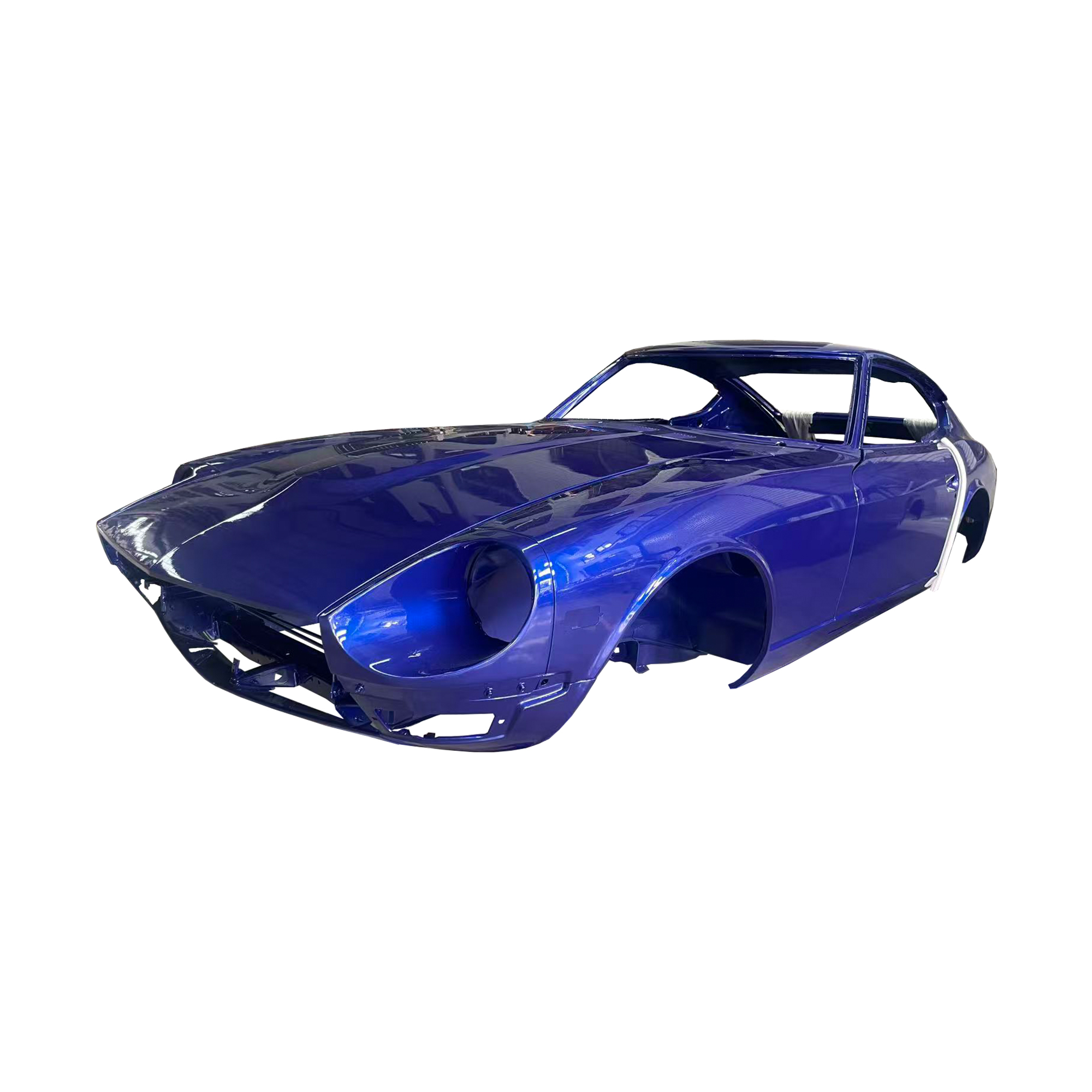 REPLACEMENT COMPLETE CAR BODY ASSEMBLY, 1969-1973, FOR NISSAN DATSUN 240Z
-
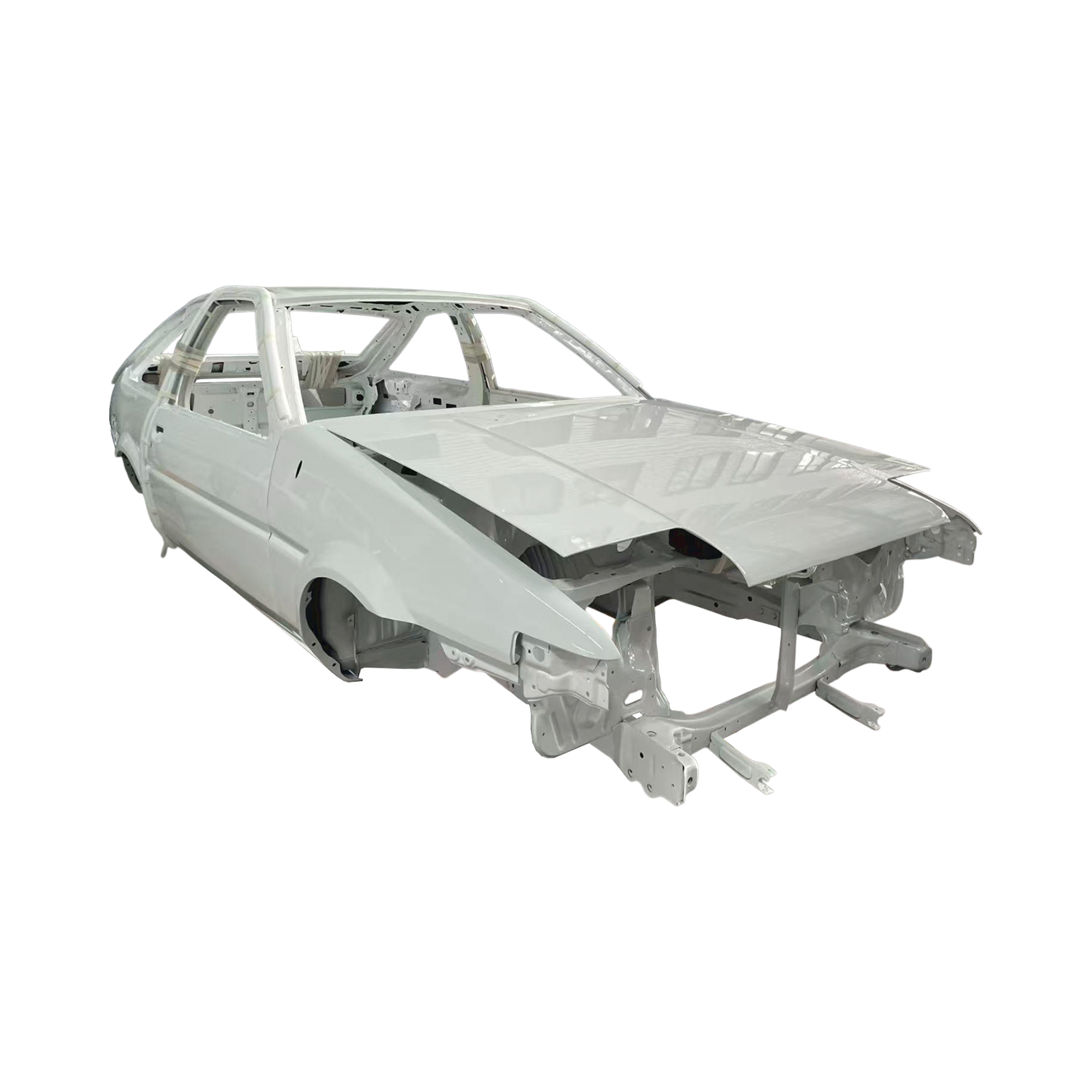 REPLACEMENT COMPLETE CAR BODY ASSEMBLY, 1983-1987, FOR TOYOTA AE86
-
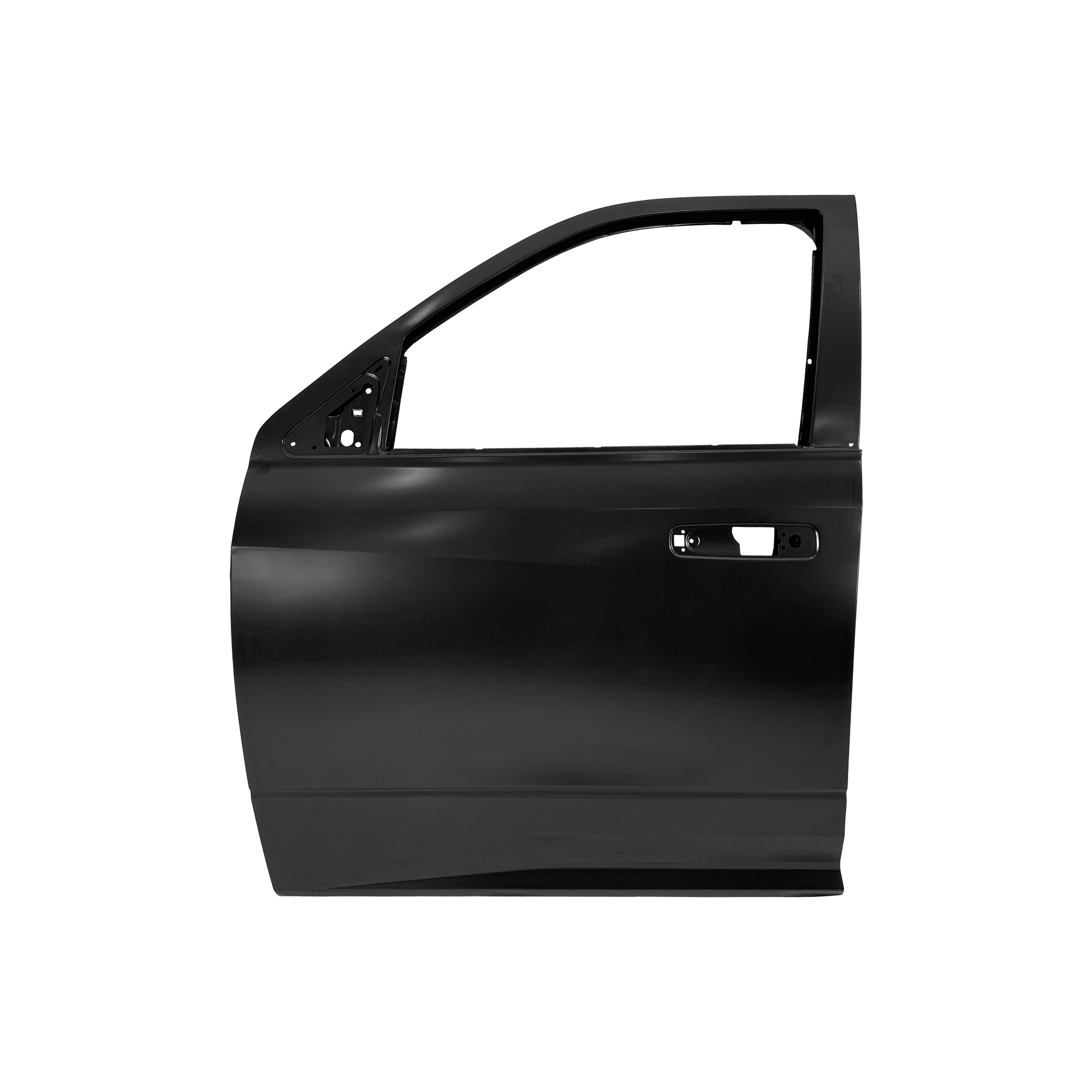 REPLACEMENT FRONT DOOR LH, 2013-2018, FOR DODGE RAM 1500, 68144729A, (STEEL)
-
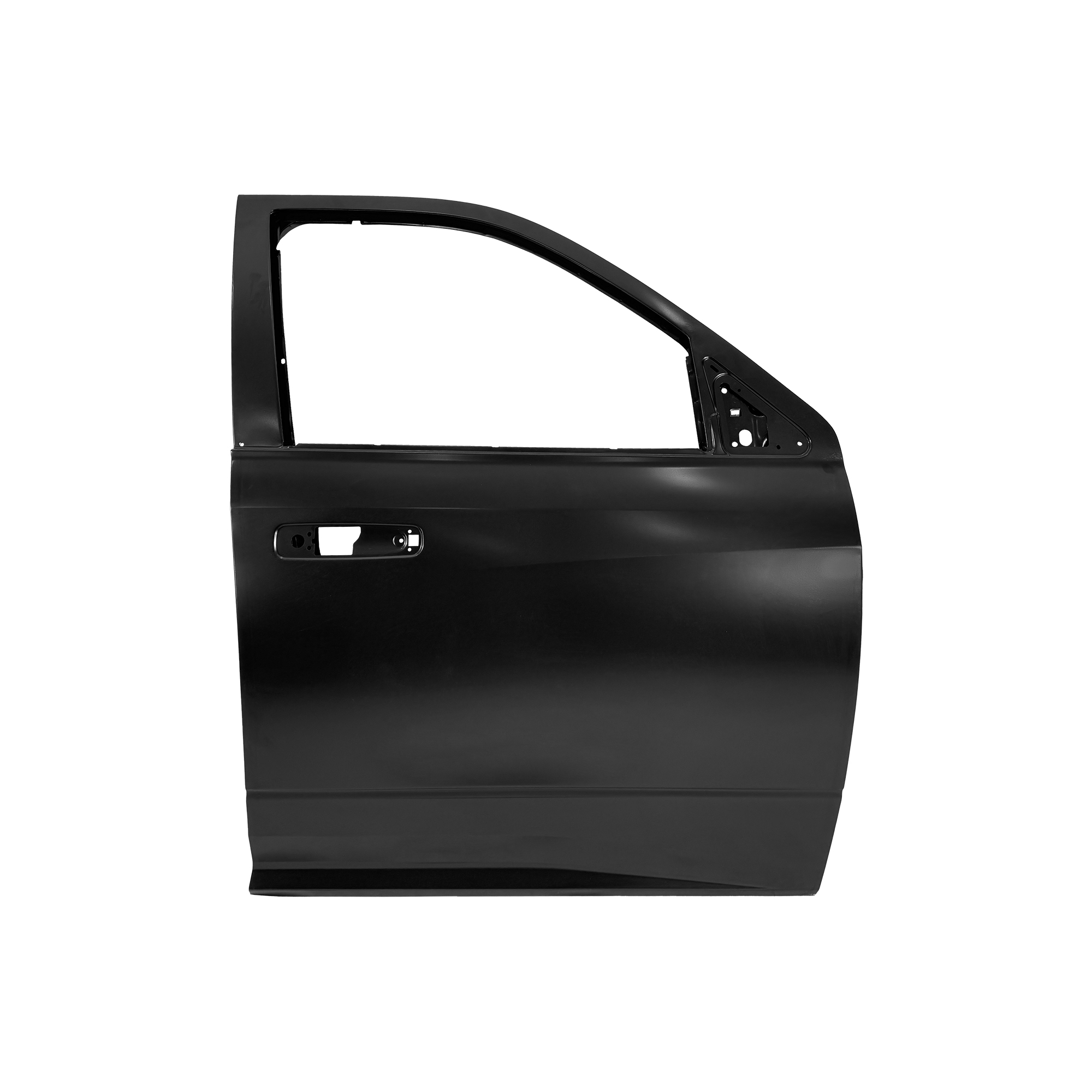 REPLACEMENT FRONT DOOR RH, 2013-2018, FOR DODGE RAM 1500, 68144728A, (STEEL)
-
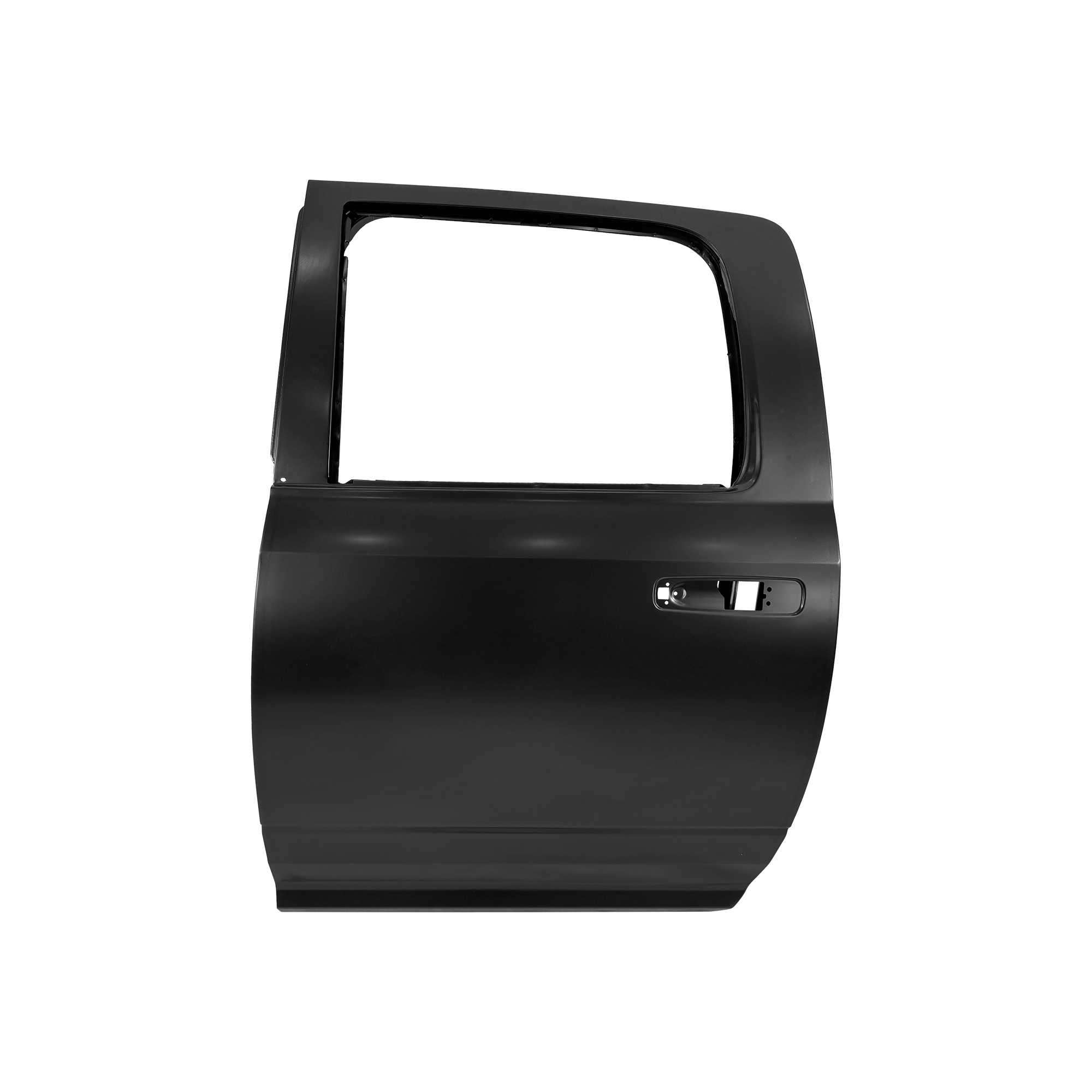 REPLACEMENT REAR DOOR LH, 2013-2018, FOR DODGE RAM 1500, 4589873A, (STEEL)
-
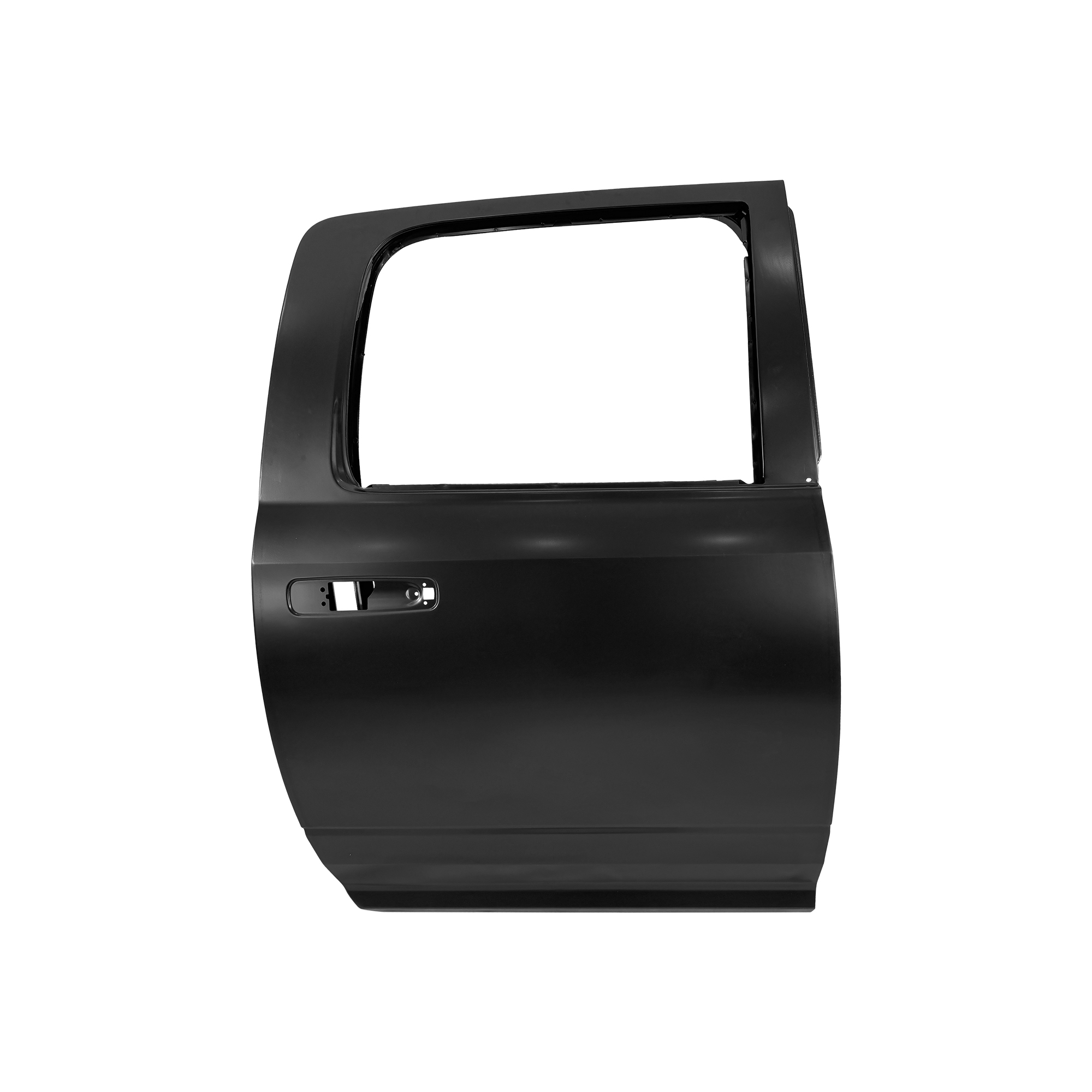 REPLACEMENT REAR DOOR RH, 2013-2018, FOR DODGE RAM 1500, 4589872A, (STEEL)
-
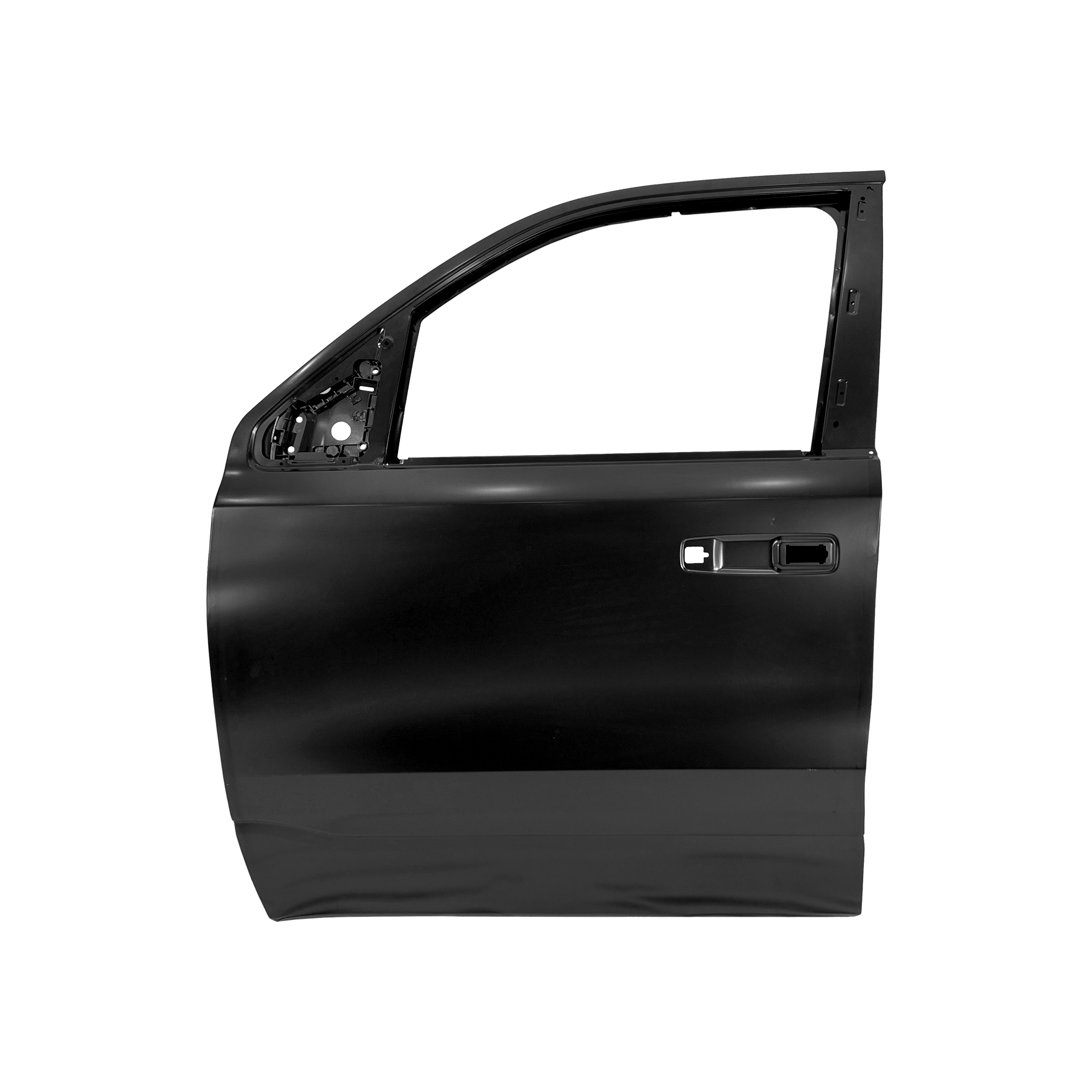 REPLACEMENT FRONT DOOR LH, 2019, FOR DODGE RAM 1500, 68292435AC, (STEEL)
-
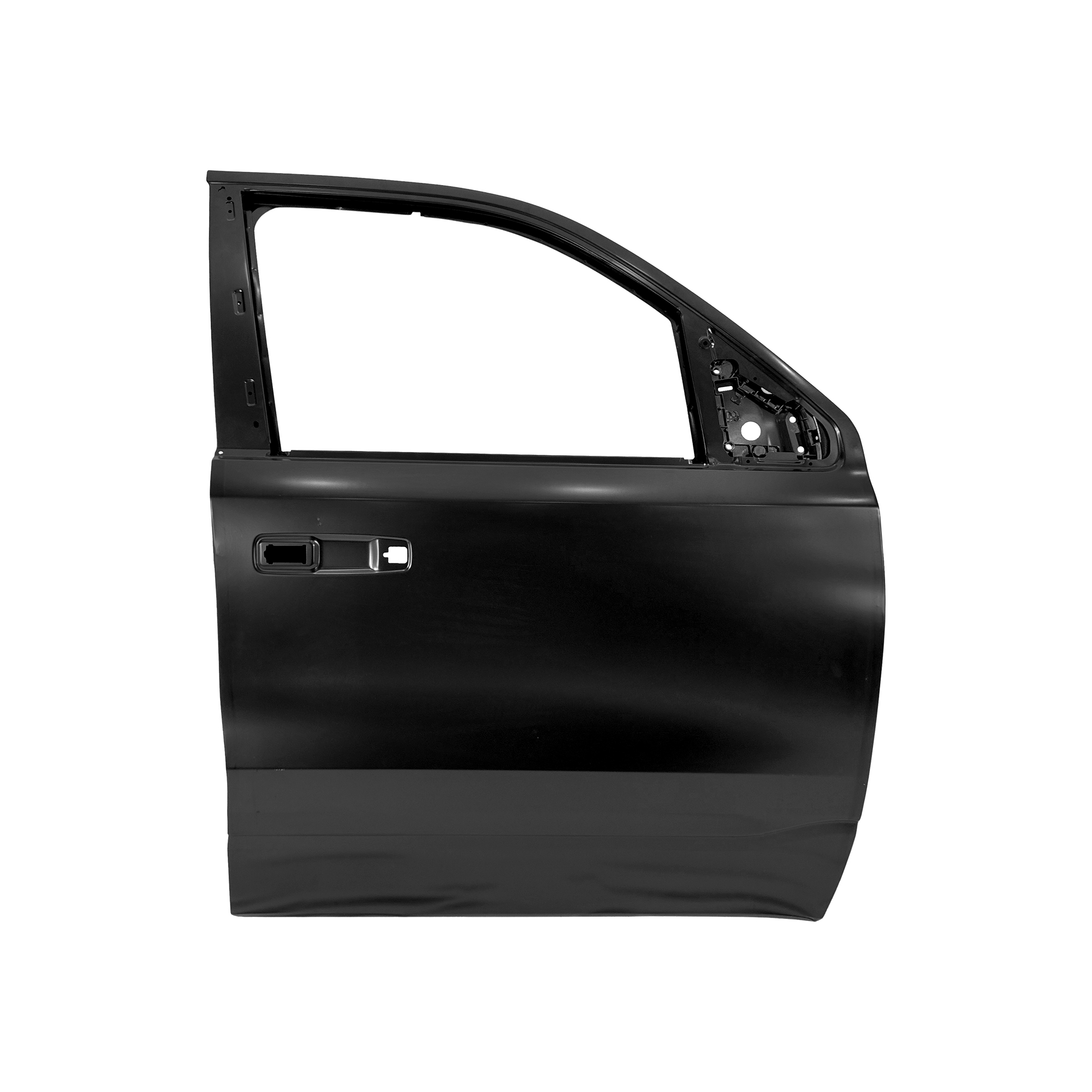 REPLACEMENT FRONT DOOR RH, 2019, FOR DODGE RAM 1500, 68292434AC, (STEEL)
Copyright @ Jiangsu Juncheng Vehicle Industry Co., Ltd. All Rights Reserved.
