
 English
 Español
 عربى
عربى русский
 中文简体
中文简体
Why Are Ford F150 Owners Obsessed with Custom Modifications
Why Ford Truck Owners Are Obsessed With Modification
For decades, the Ford F150 has held its ground as America's best-selling truck — not just because it works hard, but because it gives owners something to build on. Walk into any off-road trail, work site, or truck meet, and you'll find F150s that look nothing like what rolled off the assembly line. That's not a coincidence. It's a culture.
The modification scene around Ford F150 Modified Parts didn't appear overnight. It grew out of a simple truth: factory trucks are built for the average buyer. They're designed to handle most situations reasonably well, but they're not optimized for your situation. Whether you're hauling heavy equipment through rough terrain every week, or you want a truck that turns heads on the weekend, the stock configuration leaves room — and most F150 owners eventually start filling that room.
Ford Modified Parts — Why the Aftermarket Keeps Growing
The Ford Modified Parts market has expanded significantly over the past decade, and the numbers back it up. The global automotive aftermarket was valued at over $400 billion in recent years, with truck accessories and performance parts making up a substantial slice of that. Ford trucks — particularly the F150 and F150 Raptor — sit at the center of that growth.
A few reasons explain why:
1. Platform Consistency
Ford has maintained enough architectural continuity across F150 generations that many Ford Modified Parts carry over between model years. This means a larger supply of compatible components, more developed tuning knowledge, and a broader community of builders sharing real-world results.
2. The Raptor Effect
When the F150 Raptor arrived, it didn't just create a new truck segment — it raised the ceiling for what people believed a production truck could do. That inspired a wave of F150 owners to push their standard trucks closer to Raptor-level capability using Ford F150 Modified Parts, and it pushed Raptor owners to go even further beyond the factory setup.
3. Ownership Pride
There's a practical side to modification, but there's also an identity element that shouldn't be ignored. F150 owners tend to keep their trucks for years, sometimes decades. Modification becomes part of the ownership experience — an ongoing project rather than a one-time purchase.
Stock vs. Modified: What Actually Changes
Before diving into specific parts, it helps to understand what modification actually does to a truck's real-world behavior. The differences aren't just cosmetic.
| Category | Stock F150 | Modified F150 |
|---|---|---|
| Ground Clearance | ~8.5 inches (standard) | Up to 12–14 inches (with lift kit) |
| Suspension Travel | Limited by factory tuning | Expanded with aftermarket shocks/springs |
| Horsepower (3.5L EcoBoost) | ~400 hp (stock) | 430–480+ hp (with tune + intake + exhaust) |
| Towing Capacity Feel | Functional but soft | Firmer, more controlled under load |
| Approach/Departure Angle | Moderate | Significantly improved with bumper + lift |
| Interior Noise (exhaust note) | Subdued | Adjustable — from mild to aggressive |
| Brake Performance | Stock OEM sizing | Upgraded with big brake kits |
These aren't just numbers. Each change affects how the truck feels and performs in daily use. A suspension lift that improves ground clearance will also change your center of gravity. A cold air intake that adds horsepower will also affect fuel economy under light throttle. Understanding these trade-offs is part of making smart modification decisions — and it's why choosing the right Ford F150 Modified Parts matters more than just chasing specs.
The Raptor Benchmark
The F150 Raptor sits at the top of the Ford performance truck lineup, and Ford F150 Raptor Modified Parts occupy their own category for good reason. The Raptor ships from the factory with features that most trucks require extensive modification to match:
- Fox Live Valve shocks with 13 inches of travel
- Terrain Management System with multiple drive modes
- 37-inch tires from the factory (Gen 3)
- Wider track width for stability at speed
- Bead-lock capable wheels
- Reinforced front and rear bumpers
Even with all of that, Raptor owners modify. Why? Because the factory setup is a compromise — engineered to pass safety regulations, hit a price point, and satisfy a wide range of buyers. The moment you have a specific use case in mind — desert racing, rock crawling, towing in mountainous terrain — there are Ford F150 Raptor Modified Parts that will get you closer to that goal than the stock configuration ever could.
The modification obsession isn't irrational. It's the natural result of owning a capable platform and knowing there's more performance waiting to be unlocked.
Ford F150 Raptor Modified Parts: The Ultimate Performance Upgrade List
The Raptor is already a serious machine. But spend enough time on trails, in sand dunes, or hauling loads across unpaved roads, and you start to notice exactly where the factory setup runs out of answers. That's where Ford F150 Raptor Modified Parts come in — not to fix something broken, but to push a capable truck into genuinely exceptional territory.
Here's a breakdown of the most impactful upgrade categories, what they actually do, and what kind of performance shift you can expect.
Suspension System Upgrades
Suspension is where most Raptor owners start, and for good reason. The factory Fox shocks on the Gen 3 Raptor are genuinely good — but "genuinely good" has a ceiling. If you're running the truck hard off-road, or you've added weight with accessories and armor, the stock suspension starts to show its limits.
What gets upgraded:
- Coilover shocks (front)
- Rear bypass or reservoir shocks
- Upper control arms (UCA)
- Rear leaf springs or coil conversion (depending on generation)
- Bump stops
Performance comparison — Stock vs. Upgraded Suspension:
| Spec | Stock Raptor (Gen 3) | Upgraded Setup |
|---|---|---|
| Front suspension travel | ~13 inches | Up to 16–18 inches |
| Rear suspension travel | ~13 inches | Up to 16–18 inches |
| Shock adjustability | Limited (Live Valve) | Full remote/adjustable damping |
| High-speed desert performance | Capable | Significantly more controlled |
| Load handling | Moderate | Improved with heavier spring rates |
| Ride quality (street) | Comfortable | Tunable — firm or compliant |
The difference on rough terrain is not subtle. A properly tuned aftermarket suspension setup absorbs hits that would send a stock truck bouncing, and it does so more consistently across a wider range of speeds.
Cold Air Intake & Exhaust System
Engine breathing is one of the most straightforward performance upgrades, and among Ford F150 Raptor Modified Parts, intake and exhaust combinations consistently deliver measurable results without requiring drivetrain changes.
Cold Air Intake: Moves the air filter away from the hot engine bay and into a cooler, more direct airflow path. Cooler, denser air means better combustion.
Exhaust Upgrade: Cat-back systems replace the factory exhaust from the catalytic converter back. Headers go further upstream and offer more significant gains but involve more complex installation.
Power gain comparison:
| Modification | Estimated HP Gain | Torque Gain | Notes |
|---|---|---|---|
| Cold air intake alone | +10–20 hp | +15–25 lb-ft | Best paired with a tune |
| Cat-back exhaust alone | +15–25 hp | +20–30 lb-ft | Also improves exhaust note |
| Intake + exhaust combo | +25–40 hp | +30–50 lb-ft | Compound gains |
| Full combo + ECU tune | +50–80 hp | +60–90 lb-ft | Maximum street-legal gain |
These numbers vary depending on the engine (3.5L EcoBoost vs 5.2L supercharged R), baseline tune, and elevation. But the direction is consistent — paired upgrades always outperform single modifications.
Wheels & Tires
The Raptor runs 37-inch tires from the factory on Gen 3 models, which is already aggressive. But wheel and tire upgrades remain one of the most popular Ford F150 Raptor Modified Parts categories because the impact is immediately visible and immediately felt.
Tire upgrade considerations:
| Factor | Stock 37" Tire | Upgraded 37–40" Tire |
|---|---|---|
| Tread pattern | All-terrain | Mud-terrain or hybrid |
| Sidewall strength | Standard | Reinforced (3-ply options) |
| Off-road traction | Good | Excellent in loose terrain |
| On-road noise | Moderate | Higher (especially mud-terrain) |
| Fuel economy impact | Baseline | 1–2 MPG reduction (larger sizes) |
| Speedometer accuracy | Calibrated | Requires recalibration |
Beadlock wheels — which mechanically lock the tire bead to the rim — are popular for rock crawling and sand driving where you need to air down significantly without risk of the tire unseating. Many owners running Ford F150 Raptor Modified Parts in off-road-heavy builds consider beadlocks a practical necessity rather than an aesthetic choice.
Front & Rear Bumpers / Skid Plates
Factory bumpers are designed around pedestrian safety standards and aesthetics. They're not built to take a hit from a boulder or absorb a high-speed brush contact on a narrow trail.
Aftermarket steel or aluminum bumpers serve a different purpose entirely:
Front bumper upgrades provide:
- Integrated winch mounts (typically rated for 12,000–17,500 lb winches)
- Better approach angle (removing the lower factory valance)
- D-ring / shackle mounts for recovery
- Light bar mounting provisions
- Significantly heavier protection for the radiator and cooling components
Skid plate systems protect:
| Component | Factory Coverage | Full Skid Plate System |
|---|---|---|
| Engine oil pan | Partial | Full coverage |
| Transmission | Minimal | Covered |
| Transfer case | Minimal | Covered |
| Fuel tank | None | Covered |
| Steering rack | None | Covered |
The weight penalty of a full steel skid plate system typically runs 80–150 lbs depending on coverage area and material thickness. Aluminum systems reduce that to 40–80 lbs with comparable protection in most trail scenarios.
Performance Tuners & ECU Calibration
A tune is what ties everything together. On its own, an ECU calibration can extract meaningful gains from a stock engine. Paired with intake and exhaust upgrades, it becomes the most cost-effective horsepower dollar you'll spend on Ford F150 Raptor Modified Parts.
What a tune adjusts:
- Boost pressure (EcoBoost / supercharged engines)
- Fuel injection timing and duration
- Ignition timing
- Throttle response mapping
- Transmission shift points and firmness
- Rev limiter and speed limiter (where applicable)
Tune types and typical outcomes:
| Tune Type | HP Gain | Use Case | Notes |
|---|---|---|---|
| Off-the-shelf (OTS) | +20–40 hp | Mildly modified trucks | Plug-and-play, no dyno needed |
| Custom dyno tune | +40–80 hp | Heavily modified builds | Tailored to your specific mods |
| Towing/payload tune | Minimal HP focus | Work trucks | Improves shift logic, throttle control |
| Off-road tune | Moderate HP | Trail/desert builds | Optimizes throttle response at low speed |
One important note: tunes must be matched to your modification list. Running an aggressive boost tune on stock injectors, for example, creates risk. The tune and the hardware need to work as a system — which is why Ford F150 Raptor Modified Parts upgrades are most effective when planned together rather than added randomly over time.
Choosing the Right Raptor Modification Path
Not every Raptor owner has the same goal, and the right set of Ford F150 Raptor Modified Parts depends heavily on how the truck is actually used.
| Use Case | Priority Upgrades | Lower Priority |
|---|---|---|
| Desert/high-speed off-road | Suspension, tires, skid plates, tune | Interior mods, cosmetic bumpers |
| Rock crawling / trail | Skid plates, bumpers/winch, beadlocks, lockers | Exhaust note, aesthetics |
| Daily driver + weekend off-road | Tune, intake/exhaust, mild lift | Full armor, extreme tires |
| Towing-focused | Tune (tow map), suspension (load assist), brake upgrade | Exhaust, appearance mods |
| Show / aesthetics | Wheels, stance kit, exterior lighting, wrap | Performance tune, skid plates |
There's no wrong answer here — but there are mismatched builds. A show truck running 40-inch mud-terrain tires on a street-only setup is going to be loud, heavy, and slow. A trail truck with an aggressive tune but no skid plates is one bad rock strike away from an expensive repair. Match the parts to the purpose.
How to Choose Reliable Ford Modified Parts: Key Buying Criteria
Spending money on the wrong parts is one of the most frustrating experiences in truck modification. Not because the money is gone — but because a bad part can set a build back months, cause fitment headaches, or worse, create a safety issue that doesn't show up until you're on a trail 40 miles from the nearest town. Knowing how to evaluate Ford Modified Parts before you buy is as important as knowing what to buy.
OEM vs. Aftermarket vs. Performance Parts: Understanding the Difference
Before anything else, it helps to be clear on what these three categories actually mean — because they're often used loosely and confused with each other.
| Category | What It Is | Best For | Typical Trade-off |
|---|---|---|---|
| OEM (Original Equipment Manufacturer) | Factory-spec replacement parts | Restoring stock function | No performance gain, higher cost than aftermarket |
| Aftermarket (standard) | Third-party parts built to OEM spec or better | Cost-effective replacement | Quality varies widely by manufacturer |
| Performance / Specialty | Engineered specifically for improved output | Upgrades beyond stock capability | Higher cost, may affect warranty |
For Ford F150 Modified Parts that involve safety systems — brakes, steering, suspension — the quality gap between a reliable aftermarket part and a cheap imitation can be significant. This is not the category to optimize purely on price.
For cosmetic parts — bed mats, floor liners, light covers — the stakes are lower and budget options often perform adequately.
Ford Modified Parts — Buying Guide: What to Evaluate Before Purchasing
1. Fitment Verification
This sounds obvious, but fitment errors are the number one cause of returns and wasted installation time in the Ford Modified Parts market. The F150 has been produced across multiple generations with meaningful mechanical differences between them:
| Generation | Years | Key Differences Affecting Fitment |
|---|---|---|
| 12th Gen (P552) | 2009–2014 | Different front suspension geometry |
| 13th Gen (P415) | 2015–2020 | Aluminum body, redesigned frame mounting points |
| 14th Gen (P702) | 2021–present | Updated SYNC system, revised suspension pickup points |
Within each generation, cab configuration (Regular, SuperCab, SuperCrew), bed length, drivetrain (4x2 vs 4x4), and engine choice all affect which parts fit. A suspension component spec'd for a 2019 SuperCrew 4x4 with the 3.5L EcoBoost may not transfer directly to a 2019 Regular Cab 4x2 with the 5.0L V8.
Always verify:
- Model year
- Cab and bed configuration
- Drivetrain (2WD / 4WD)
- Engine variant
- Whether the truck has factory tow package (affects rear suspension and electrical)
2. Material & Construction Quality
For Ford F150 Raptor Modified Parts specifically — where parts are expected to absorb genuine punishment — material quality is non-negotiable.
| Component | Acceptable Material | Avoid |
|---|---|---|
| Skid plates | 3/16" steel or 1/4" aluminum minimum | Thin stamped steel under 1/8" |
| Bumpers | DOM steel tubing, plate steel | Hollow cast aluminum (off-road use) |
| Suspension arms | Chromoly or DOM steel | Cheap cast iron |
| Brake lines | Stainless braided | Rubber (upgrade scenario) |
| Exhaust | Mandrel-bent stainless | Crush-bent mild steel |
| Intake tubing | Rotomolded plastic or aluminum | Thin flexible rubber |
Mandrel-bent exhaust tubing maintains a consistent diameter through bends, preserving exhaust flow. Crush-bent tubing — common in budget exhaust systems — creates restriction at every bend. On a performance-oriented build, that difference shows up in dyno numbers.
3. Warranty & After-Sale Support
A warranty on Ford Modified Parts is only as good as the company standing behind it. When evaluating warranty terms, look for:
| Warranty Factor | What to Look For | Red Flag |
|---|---|---|
| Duration | Lifetime or limited lifetime on structural parts | 90-day warranty on suspension components |
| Coverage | Defects in materials AND workmanship | Covers materials only |
| Labor inclusion | Some premium brands cover reinstallation costs | No mention of labor |
| Transferability | Transfers to new owner if truck is sold | Non-transferable |
| Claim process | Clear documentation, reasonable timelines | Vague or no stated process |
For high-ticket items — full suspension systems, performance tune hardware, big brake kits — the warranty terms are worth as much attention as the specs themselves.
4. Certification & Standards Compliance
This matters more than many buyers realize, particularly for parts that interact with emissions systems or affect vehicle safety ratings.
Key certifications to look for:
| Certification | What It Means | Relevant Part Categories |
|---|---|---|
| CARB EO Number | California Air Resources Board approval — legal in all 50 states | Intakes, exhausts, tunes |
| DOT Compliance | Meets federal motor vehicle safety standards | Lighting, tires, brake components |
| SAE Standards | Society of Automotive Engineers — industry performance benchmarks | Fluids, electrical, lighting |
| ISO 9001 | Manufacturer quality management certification | General manufacturing quality |
| FMVSS Compliance | Federal Motor Vehicle Safety Standards | Lighting, glazing, tires |
A cold air intake or exhaust without a CARB EO number is technically illegal for street use in emissions-testing states, regardless of how well it performs. For owners in California, New York, and other CARB-compliant states, this isn't optional — it directly affects whether your truck passes inspection.
How to Spot Counterfeit Ford Modified Parts
The counterfeit aftermarket parts problem is real and growing. Fake components are most commonly found in:
- Suspension components (particularly control arms and ball joints)
- Brake pads and rotors
- Lighting (LED headlights and light bars)
- Filters (oil and air)
- Exhaust components
How to verify authenticity:
| Verification Method | How to Do It | What You're Looking For |
|---|---|---|
| Packaging quality | Examine print quality, spelling, part numbers | Blurry print, missing part numbers, spelling errors |
| Weight check | Compare to published spec weight | Significantly lighter = inferior material |
| Certification markings | Look for DOT, CARB, SAE stamps on the part itself | Markings only on box, not on part |
| Part number cross-reference | Match the part number against the manufacturer's official catalog | Numbers that don't appear in any official documentation |
| Heat markings on brakes | Legitimate brake pads have consistent heat scoring after break-in | Uneven or no scoring after proper break-in procedure |
| Weld quality (structural parts) | Inspect welds visually — consistent bead, no porosity | Irregular beads, spatter, gaps |
One of the more reliable indicators for structural Ford F150 Raptor Modified Parts like bumpers, sliders, and skid plates is weld quality. A properly MIG or TIG welded component from a reputable manufacturer will show consistent, uniform bead patterns. Counterfeit or low-quality fabrication tends to show irregular beads, excessive spatter, or welds that haven't fully penetrated the base material.
The Real Cost of Cheap Parts
There's a version of the Ford Modified Parts buying decision that looks purely at price, and it almost always ends up being more expensive in the long run. Here's why:
| Scenario | Cheap Part Cost | Failure Cost | Total |
|---|---|---|---|
| Budget suspension component fails on trail | $80 saved upfront | $400–800 recovery + replacement | Net loss: $320–720 |
| Counterfeit brake pads wear unevenly | $40 saved | Rotor replacement + labor: $300–500 | Net loss: $260–460 |
| No-name tune bricks the ECU | $150 saved | ECU replacement/reflash: $800–1,500 | Net loss: $650–1,350 |
| Cheap intake collapses under boost | $60 saved | Potential engine damage: $2,000+ | Net loss: significant |
The point isn't to always buy the most expensive option. It's to understand that for components where failure has consequences — safety systems, engine management, structural protection — the cost of a reliable part is usually a fraction of the cost of dealing with a failure.
Building a Trusted Parts List Over Time
Experienced F150 builders tend to develop a consistent approach to sourcing Ford Modified Parts that serves them well across multiple builds:
- Start with the safety-critical parts and buy quality there first — suspension, brakes, steering
- Be flexible on appearance parts where failure consequences are low
- Join owner communities — forums, truck clubs, social groups — where real-world failure rates get discussed honestly
- Document your build with part numbers, install dates, and mileage — this helps with warranty claims and resale value
- Buy complete kits where possible rather than mixing components from different manufacturers, especially in suspension — engineered systems perform better than mixed assemblies
A well-sourced build with reliable Ford F150 Raptor Modified Parts and Ford F150 Modified Parts isn't just about performance on paper. It's about a truck that holds up over time, behaves predictably under stress, and doesn't leave you stranded when you're depending on it most.
Installation Tips & Modification Safety for F150 Raptor
Getting the right Ford F150 Raptor Modified Parts is only half the equation. How those parts get installed determines whether your build performs the way it should — or becomes an expensive problem that takes months to diagnose. Installation quality separates a truck that handles better from one that handles unpredictably.
DIY vs. Professional Installation: An Honest Assessment
The truck modification community has a strong DIY culture, and for good reason. Many Ford F150 Modified Parts are genuinely installable at home with basic tools and a weekend afternoon. Others require alignment equipment, tuning software, or fabrication experience that most home garages simply don't have.
| Modification | DIY Difficulty | Special Equipment Needed | Recommended Approach |
|---|---|---|---|
| Leveling kit | Easy–Medium | Basic hand tools, floor jack | DIY friendly |
| Cold air intake | Easy | Basic hand tools only | DIY |
| Exhaust (cat-back) | Easy–Medium | Jack stands, basic tools | DIY friendly |
| Suspension lift (2–4 inch) | Medium | Spring compressor, torque wrench | DIY with research |
| Long-travel suspension | Hard | Alignment rack, specialty tools | Professional recommended |
| ECU tune (handheld device) | Easy | Device only | DIY |
| Custom dyno tune | N/A | Dyno required | Professional only |
| Big brake kit | Medium | Torque wrench, bleeding kit | DIY with experience |
| Bumper replacement | Easy–Medium | Basic tools, second person helpful | DIY friendly |
| Skid plate install | Easy | Basic hand tools | DIY |
| Wheel/tire swap | Easy | Torque wrench, jack | DIY |
| UCA (upper control arm) replacement | Hard | Alignment rack required after | Professional recommended |
Tools You Actually Need
One of the most common DIY mistakes with Ford F150 Modified Parts installation is starting a job and discovering midway through that a critical tool is missing. Here's a realistic toolkit for the most common F150 modifications:
Essential baseline tools:
- 3/8" and 1/2" drive socket sets (metric and SAE)
- Torque wrench (0–150 ft-lb range minimum)
- Floor jack rated for 3+ tons
- Jack stands (minimum 4, never work under a vehicle on a jack alone)
- Pry bars (multiple sizes)
- Penetrating oil (for any fastener exposed to weather)
- Rubber mallet
- Wire brush and rust treatment
Additional tools for suspension work:
- Spring compressor (rental available at most auto parts stores)
- Ball joint press / pickle fork
- Alignment caster/camber gauge (basic check before professional alignment)
- Breaker bar or impact wrench
For electrical/lighting modifications:
- Multimeter
- Wire crimping tool and heat shrink connectors
- Relay harness (for high-draw lights)
- Fuse tap kit
Ford F150 Raptor Modified Parts — Post-Installation Calibration & Setup
This is the step that gets skipped most often, and it's where many builds fall short of their potential. Installing a part correctly is necessary — but calibrating the truck after installation is what makes the modification actually work.
Alignment After Suspension Modification
Any change to ride height — leveling kit, lift kit, new control arms — changes the suspension geometry. Caster, camber, and toe angles all shift when you alter the height of the truck.
What happens without post-lift alignment:
| Alignment Issue | Symptom | Long-Term Consequence |
|---|---|---|
| Toe out of spec | Truck pulls to one side | Accelerated inner or outer tire wear |
| Camber out of spec | Uneven tire contact patch | Reduced grip, uneven wear |
| Caster out of spec | Steering feels light or darty | Poor high-speed stability |
| All three out of spec | Combination of above | Tire replacement every 15–20k miles |
A proper four-wheel alignment after any suspension modification is not optional — it's part of the installation cost. Budget for it upfront.
Speedometer & Odometer Recalibration
Installing larger tires changes your effective rolling diameter, which means your speedometer is now reading incorrectly. This matters more than many owners realize:
| Stock Tire Size | Upgraded Tire Size | Speedometer Error at 60 mph (indicated) | Actual Speed |
|---|---|---|---|
| 33" | 35" | 60 mph indicated | ~62.3 mph actual |
| 33" | 37" | 60 mph indicated | ~64.7 mph actual |
| 35" | 37" | 60 mph indicated | ~62.2 mph actual |
| 35" | 40" | 60 mph indicated | ~65.8 mph actual |
Beyond the legal implications of unknowingly speeding, an uncalibrated speedometer also affects transmission shift points, traction control thresholds, and ABS calibration — all of which are speed-referenced in the ECU. A tune or handheld programmer can correct this quickly once you input the new tire diameter.
Brake Bedding Procedure
New brake pads and rotors — whether stock replacements or upgraded Ford F150 Modified Parts — require a proper bedding procedure before they perform at full capacity. Skipping this step leads to glazed rotors, reduced stopping power, and uneven pad deposit transfer.
Standard bedding procedure:
- Find a safe, empty road or parking area
- Accelerate to 35 mph, apply moderate brake pressure to slow to 5 mph (don't stop completely)
- Repeat 6–8 times with 30–60 seconds between applications to allow cooling
- Accelerate to 55 mph, apply firm brake pressure to slow to 5 mph
- Repeat 4–6 times
- Allow brakes to cool completely — 15–20 minutes minimum without stopping (keeps pads from bonding to rotors)
Avoid hard stops from high speed in the first 300–500 miles after installation.
ECU Tune Initialization
After installing a performance tune on Ford F150 Raptor Modified Parts or standard F150 builds, the ECU requires a learning period. During this time:
- Avoid wide-open throttle runs for the first 50–100 miles
- Drive varied conditions — highway, city, light load, moderate load
- Allow the transmission to relearn shift patterns under the new calibration
- Monitor for any fault codes in the first week using an OBD-II reader
Common Installation Mistakes and How to Avoid Them
1. Under-Torquing or Over-Torquing Fasteners
Every structural fastener on Ford F150 Modified Parts has a specified torque value. Under-torquing leaves joints loose and prone to movement. Over-torquing can stretch or crack fasteners, particularly in aluminum components.
| Fastener Location | Typical Torque Spec | Consequence of Error |
|---|---|---|
| Wheel lug nuts | 150 ft-lb (F150 standard) | Under: wheel separation / Over: stud damage |
| Control arm bolts | 85–125 ft-lb (varies) | Under: suspension movement / Over: thread strip |
| Brake caliper bolts | 45–65 ft-lb | Under: caliper shift / Over: bracket crack |
| Exhaust flange bolts | 25–35 ft-lb | Under: exhaust leak / Over: broken stud |
| Skid plate mounting | 30–45 ft-lb | Under: plate contact with terrain / Over: frame thread damage |
Always use a torque wrench for structural fasteners. "Tight enough" is not a torque specification.
2. Ignoring Break-In Periods
New suspension components, particularly shocks and springs, have a physical break-in period during which the internal components seat properly. Running a freshly installed suspension system at full off-road intensity immediately can cause premature seal wear in shocks and affect the settled ride height of springs.
Most quality suspension manufacturers specify 500–1,000 miles of mixed driving before aggressive off-road use.
3. Skipping Rust Treatment on Fasteners
Any fastener being removed from a truck with road miles on it — particularly in rust-belt states — should be treated with penetrating oil at least 24 hours before the job. Forcing a corroded bolt is a guaranteed way to turn a two-hour job into a four-hour job involving extraction tools and potentially damaged threads.
For reinstallation, anti-seize compound on any steel fastener threading into aluminum prevents the galvanic corrosion that makes future removal difficult.
4. Mixing Incompatible Components
This is particularly relevant for Ford F150 Raptor Modified Parts suspension builds. Installing aftermarket upper control arms without the corresponding alignment adjustment, or running new shocks with worn stock springs, creates a system where the components work against each other rather than together.
| Mismatched Combination | Problem Created |
|---|---|
| Lift springs + stock shocks | Shock bottoms out, reduced travel, poor damping |
| Long-travel UCAs + stock coilovers | Geometry benefit lost, binding at full droop |
| Larger tires + uncalibrated ABS | ABS activates incorrectly, longer stopping distances |
| Performance pads + stock rotors (worn) | Uneven pad transfer, vibration under braking |
| Aggressive tune + stock fuel injectors | Lean condition at high load, engine risk |
Modification & Warranty: What You Need to Know
The Magnuson-Moss Warranty Act (US federal law) establishes that a dealer cannot void your entire factory warranty simply because you installed aftermarket parts. They must demonstrate that the aftermarket modification caused the specific failure being claimed.
Practical breakdown:
| Modification | Warranty Impact on Related Systems | Warranty Impact on Unrelated Systems |
|---|---|---|
| Cold air intake installed | Dealer may deny intake-related claims | Engine warranty otherwise intact |
| Suspension lift installed | Dealer may deny suspension/steering claims | Powertrain warranty intact |
| ECU tune installed | Dealer will deny engine/transmission claims | Body, electrical unrelated claims intact |
| Exhaust system replaced | Dealer may deny emissions-related claims | Unrelated systems intact |
| Wheels/tires upgraded | May affect tire warranty coverage | Other warranties intact |
The practical advice: keep records of all modifications, retain your stock parts where practical (particularly the ECU tune — most handheld tuners allow you to restore the stock calibration before a dealer visit), and understand which systems you've touched.
A tune is the modification most likely to affect warranty claims on powertrain components. If your truck is still under factory powertrain warranty and you're planning to tune, that's a trade-off worth thinking through carefully before proceeding.
FAQ — Ford F150 Raptor Modified Parts & Ford Modified Parts
Q1: Are Ford F150 Raptor Modified Parts and standard F150 modification parts interchangeable?
This is one of the most frequently asked questions by novice car mechanics, and the answer depends on the specific type of parts.
The parts that can be used interchangeably:
| Part Category | Generality | Precautions |
|---|---|---|
| Cold air intake (some models) | Partially compatible | Requires confirmation that the engine model is compatible |
| Cat-back exhaust | Partially universal | Depends on outlet location and pipe diameter |
| ECU tune | Not universal | Must be developed separately for specific car models and engines |
| Wheel hub (bolt pattern 6×135) | Universal | Both use the same bolt hole spacing |
| Brake parts | Not interchangeable | Raptor front braking system is larger |
| Suspension Component | Not Universal | Raptor Uses Wider Gauge and Dedicated Geometry |
| Mattress/Bed Accessories | Universal | Compatible with the same generation and size of bed frame |
| Interior Accessories | Some are universal | Depends on interior trim level and configuration |
Core principle: Powertrain-related parts must strictly correspond to the engine model; chassis and suspension parts are almost entirely incompatible; exterior and interior parts have the highest degree of compatibility. Always verify compatibility using the Vehicle Identification Number (VIN) before purchasing.
Q2: Will modifying a Ford F150 affect the original factory warranty?
This is a widely misunderstood topic. The Magnuson-Moss Warranty Act, a U.S. federal law, clearly states that dealerships cannot deny a full vehicle warranty claim simply because you installed an aftermarket part. They must prove that the modification *directly* caused the claimed malfunction.
Practical understanding:
| Modification Type | Impact on Warranty of Related Systems | Impact on Unrelated Systems |
|---|---|---|
| Cold air intake | May affect intake-related claims | Other system warranties are unaffected |
| Exhaust System | May affect emissions-related claims | No impact |
| ECU tuning | Dealers will most likely refuse engine/transmission claims | Unrelated systems such as vehicle electrical systems are unaffected |
| Suspension upgrade | May affect suspension/steering claims | Powertrain warranty is unaffected |
| Wheel and tire upgrade | May affect tire warranty | Other systems are unaffected |
Practical advice:
- Retain all original parts, especially the ECU — most handheld tuning devices support one-click factory reset
- Record the installation date and mileage of all modifications
- Before filing a warranty claim, consider temporarily restoring the relevant system to its factory settings.
Q3: Is a four-wheel alignment always necessary after raising the suspension?
Yes, there are no exceptions. Any change to the vehicle's ride height will affect the suspension geometry, including toe, camber, and caster.
Specific consequences of not positioning:
| Positioning parameter deviation | Direct symptoms | Long-term consequences |
|---|---|---|
| Toe deviation | Steering wheel pull | Abnormal wear on the inner or outer side of the tire |
| Camber Deviation | Decreased Cornering Grip | Rapid Tire Wear on One Side |
| Caster Deviation | High-speed directional feel unsteady | Poor straight-line stability, increased driver fatigue |
| Simultaneous deviation of three items | Combined symptoms | Tire life shortened by more than 50% |
Location Costs vs. Costs of Not Using Location Services:
| Project | Cost Reference |
|---|---|
| Four-wheel alignment cost | $80–$150 |
| Premature tire replacement due to misalignment (one set of 37-inch tires) | $1,200–$2,000 |
| Premature wear of tie rod/ball head due to positioning issues | $300–$800 |
Q4: How can I determine if the Ford F150 Raptor Modified Parts I purchased are genuine?
Counterfeit aftermarket parts are abundant in the market, especially in suspension, brake, and lighting products. Here are some practical methods for identification:
Outer packaging level:
| Inspection Items | Genuine Product Characteristics | Counterfeit Product Characteristics |
|---|---|---|
| Printing Quality | Clear and Uniform Color | Blurry and Obvious Color Difference |
| Part Number | Completely consistent with the official website catalog | Number does not exist or is formatted incorrectly |
| Language and Script | No Spelling Errors | Common Grammar or Spelling Errors |
| Barcode | Scannable | Unable to scan or redirects to invalid page |
Component body level:
| Inspection Items | Genuine Product Characteristics | Counterfeit Product Characteristics |
|---|---|---|
| Weight | Conforms to official specifications | Significantly lighter (material thinner) |
| Weld quality | Uniform and continuous, no porosity | Irregular, with a lot of spatter |
| Certification Marks | DOT/CARB/SAE markings are on the parts | Marks are only on the packaging; the parts themselves are not marked |
| Surface Treatment | Uniform Coating or Anodizing | Uneven Coating, Rough Edge Finish |
| Complete hardware | Complete and matching specifications | Missing parts, or use inferior bolts as substitutes |
Purchase channel level:
- Purchasing through officially authorized dealers is the
most
- reliable way to verify authenticity.
- Prices significantly lower than the market average (more than 30%) are a strong warning sign.
- Require sellers to provide original manufacturer authorization certificates or distributor qualification documents
-
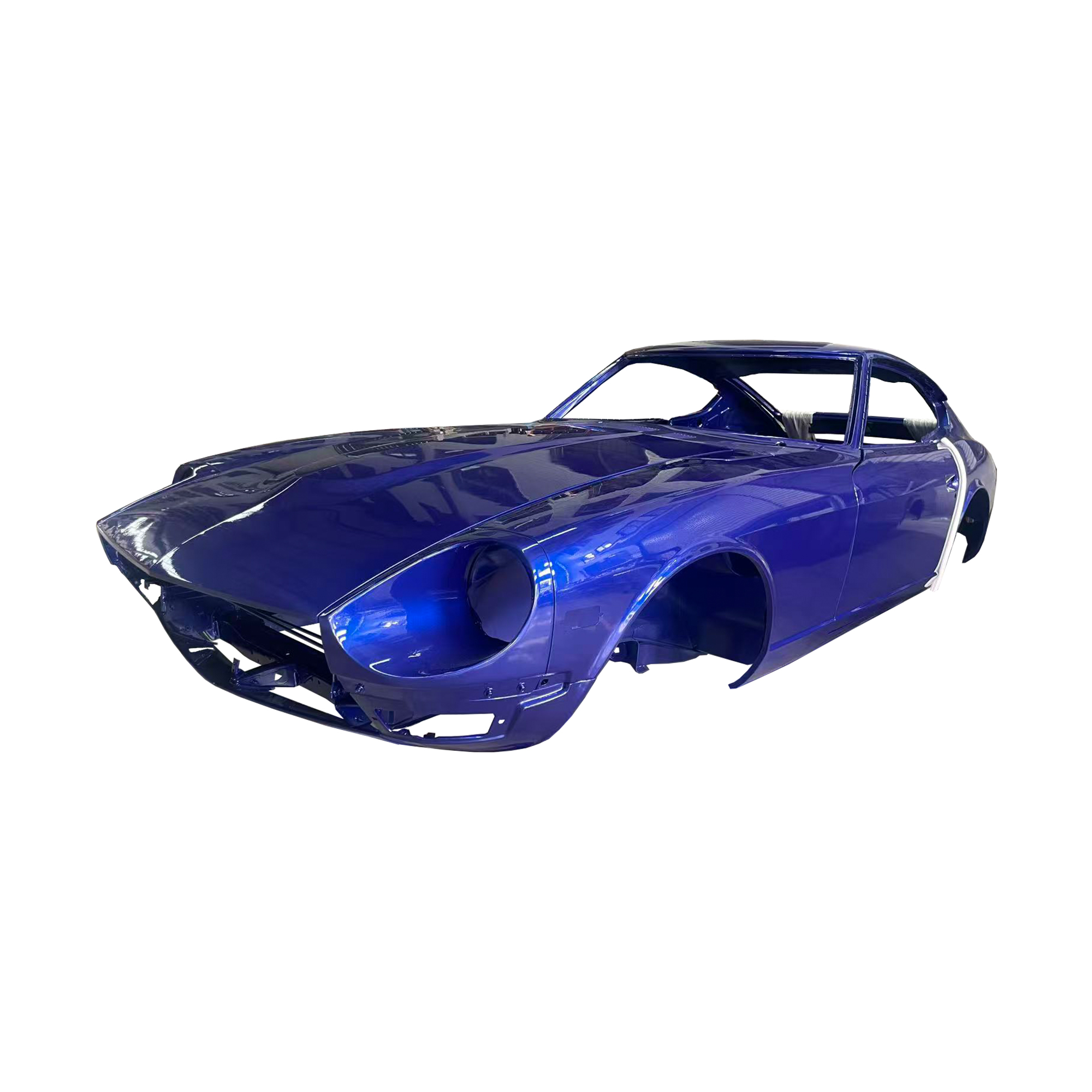 REPLACEMENT COMPLETE CAR BODY ASSEMBLY, 1969-1973, FOR NISSAN DATSUN 240Z
-
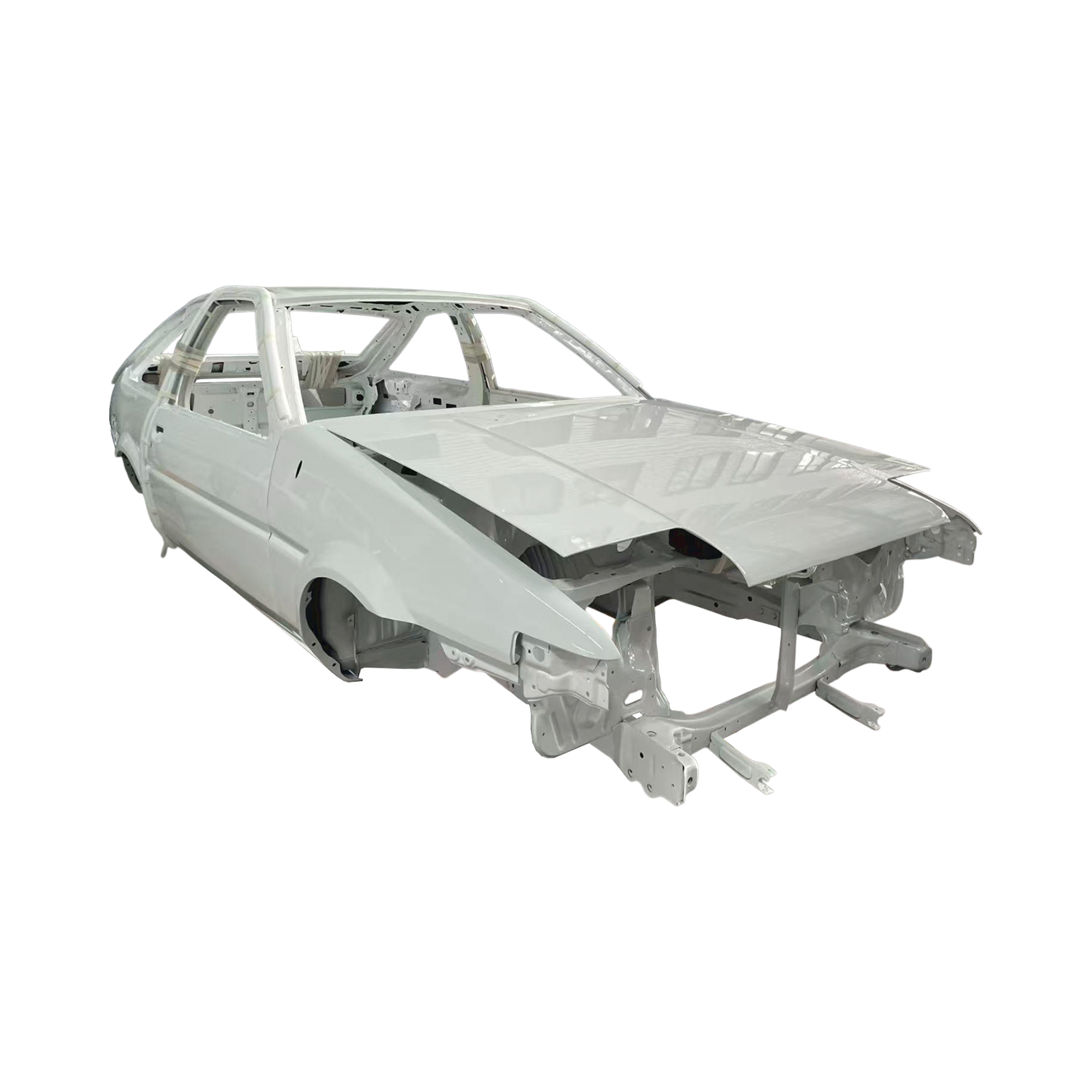 REPLACEMENT COMPLETE CAR BODY ASSEMBLY, 1983-1987, FOR TOYOTA AE86
-
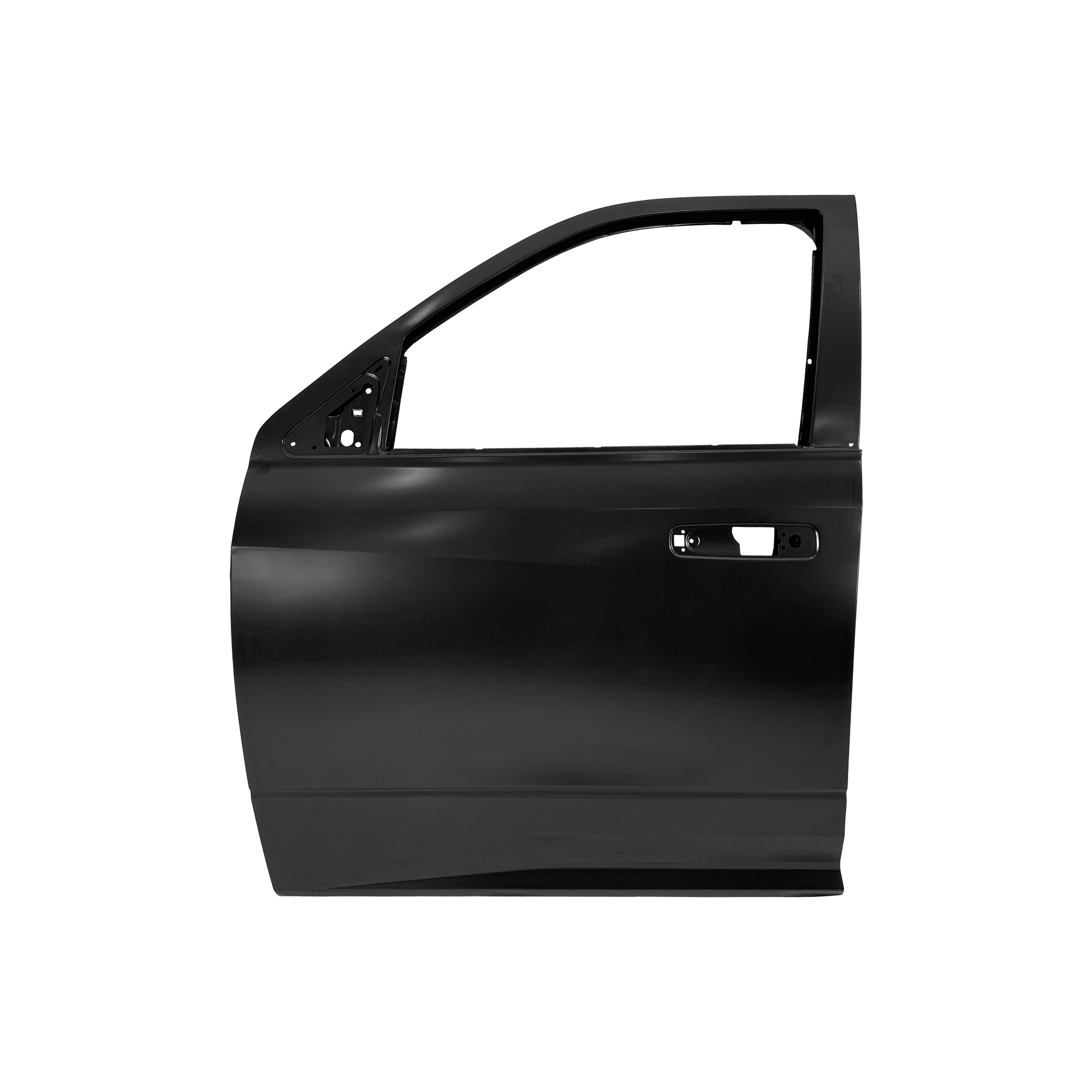 REPLACEMENT FRONT DOOR LH, 2013-2018, FOR DODGE RAM 1500, 68144729A, (STEEL)
-
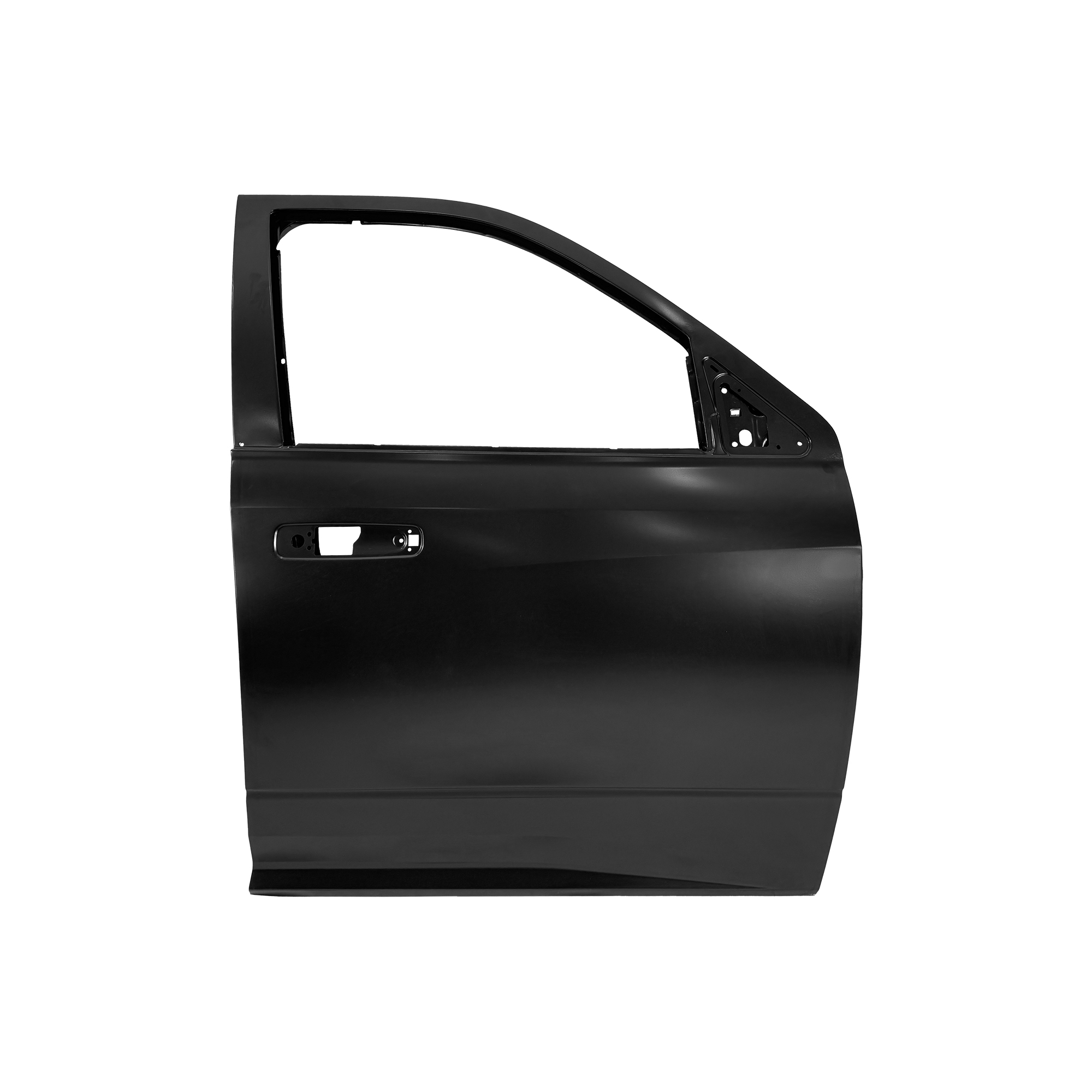 REPLACEMENT FRONT DOOR RH, 2013-2018, FOR DODGE RAM 1500, 68144728A, (STEEL)
-
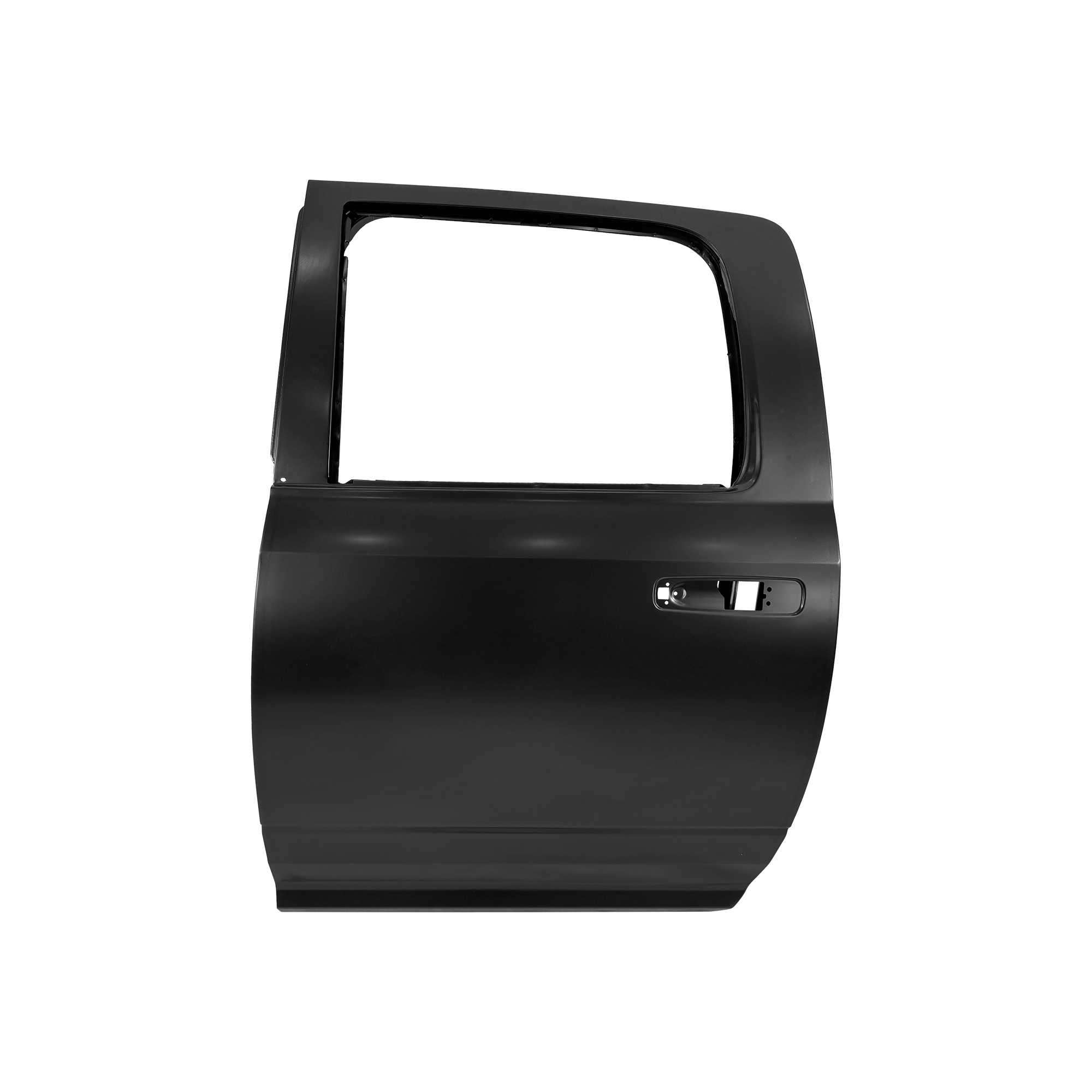 REPLACEMENT REAR DOOR LH, 2013-2018, FOR DODGE RAM 1500, 4589873A, (STEEL)
-
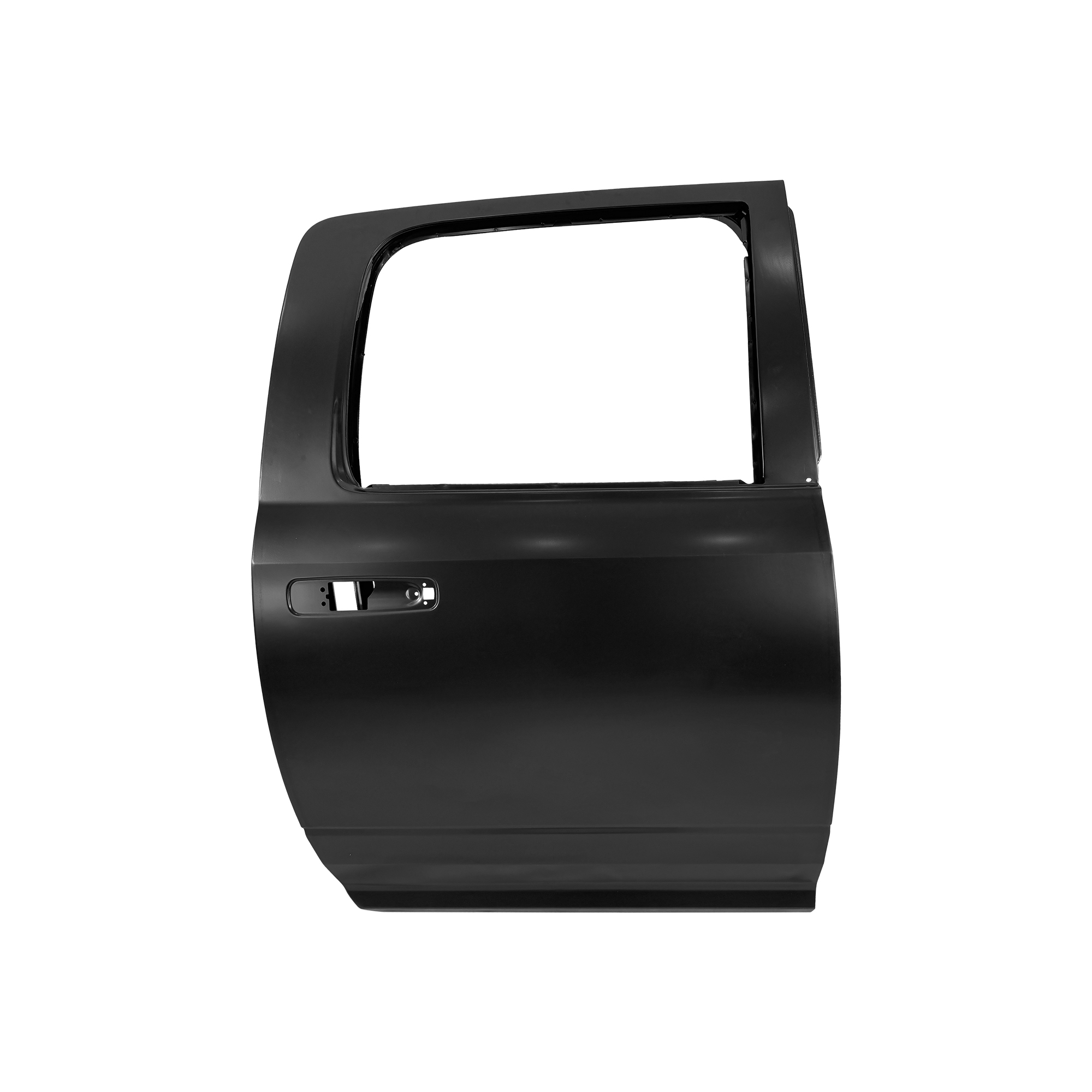 REPLACEMENT REAR DOOR RH, 2013-2018, FOR DODGE RAM 1500, 4589872A, (STEEL)
-
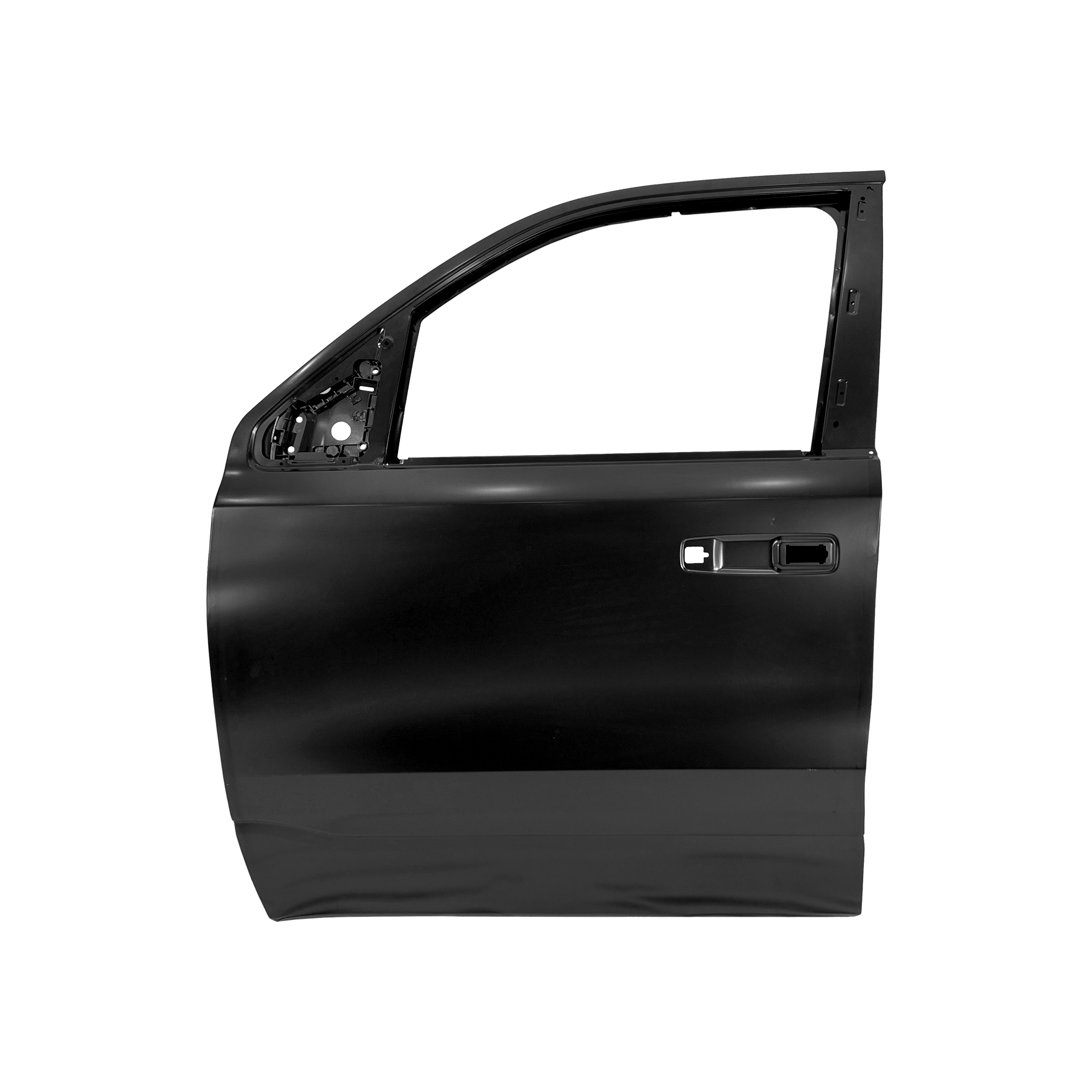 REPLACEMENT FRONT DOOR LH, 2019, FOR DODGE RAM 1500, 68292435AC, (STEEL)
-
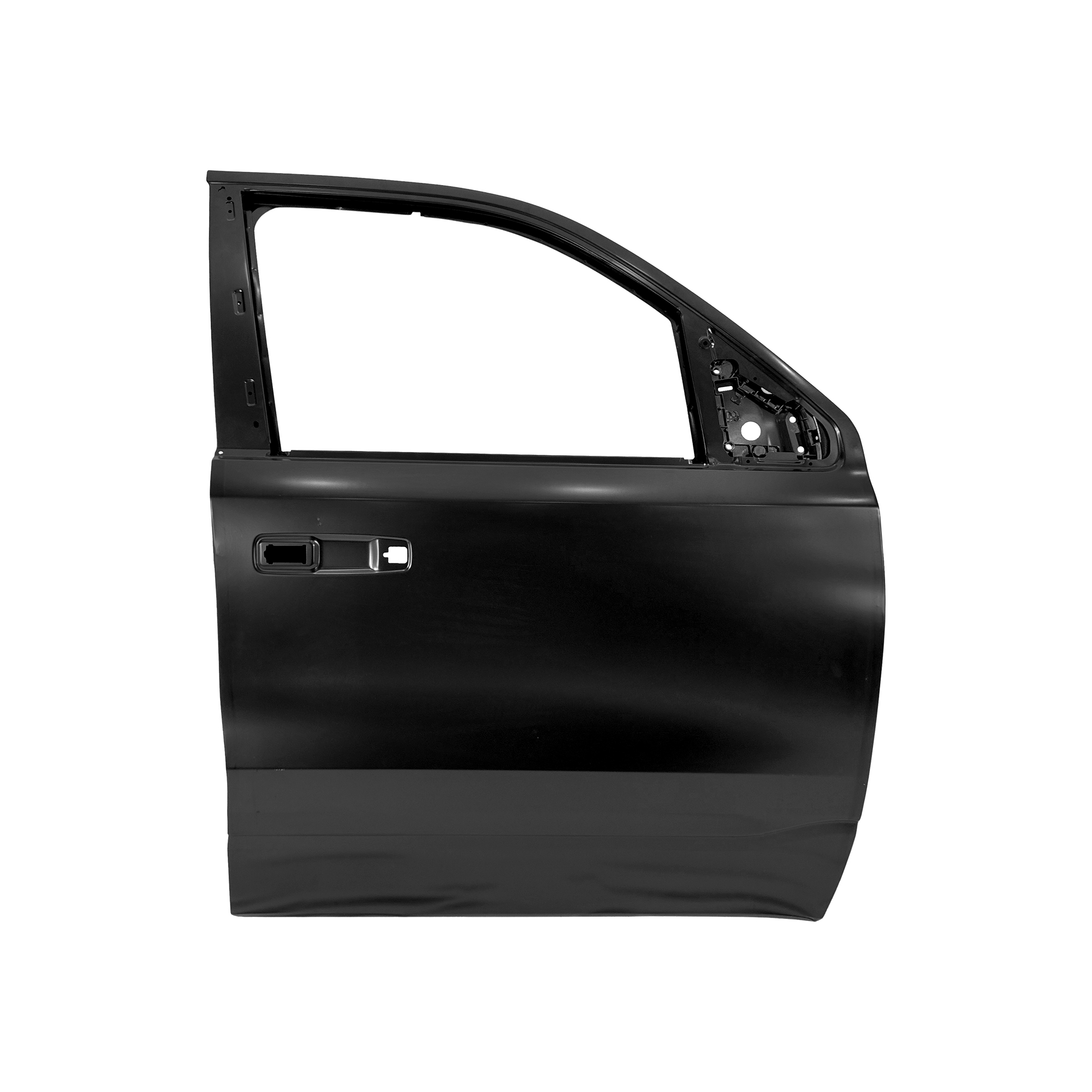 REPLACEMENT FRONT DOOR RH, 2019, FOR DODGE RAM 1500, 68292434AC, (STEEL)
Copyright @ Jiangsu Juncheng Vehicle Industry Co., Ltd. All Rights Reserved.
