
 English
 Español
 عربى
عربى русский
 中文简体
中文简体


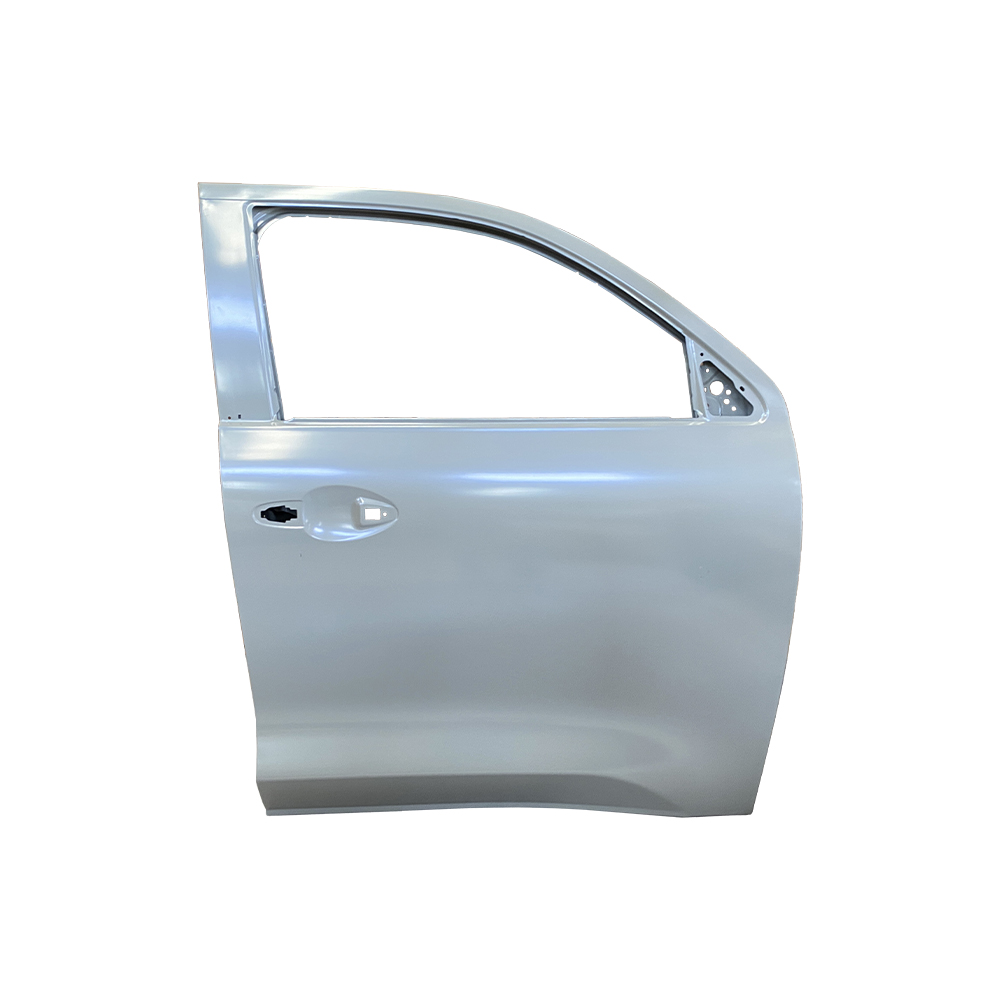
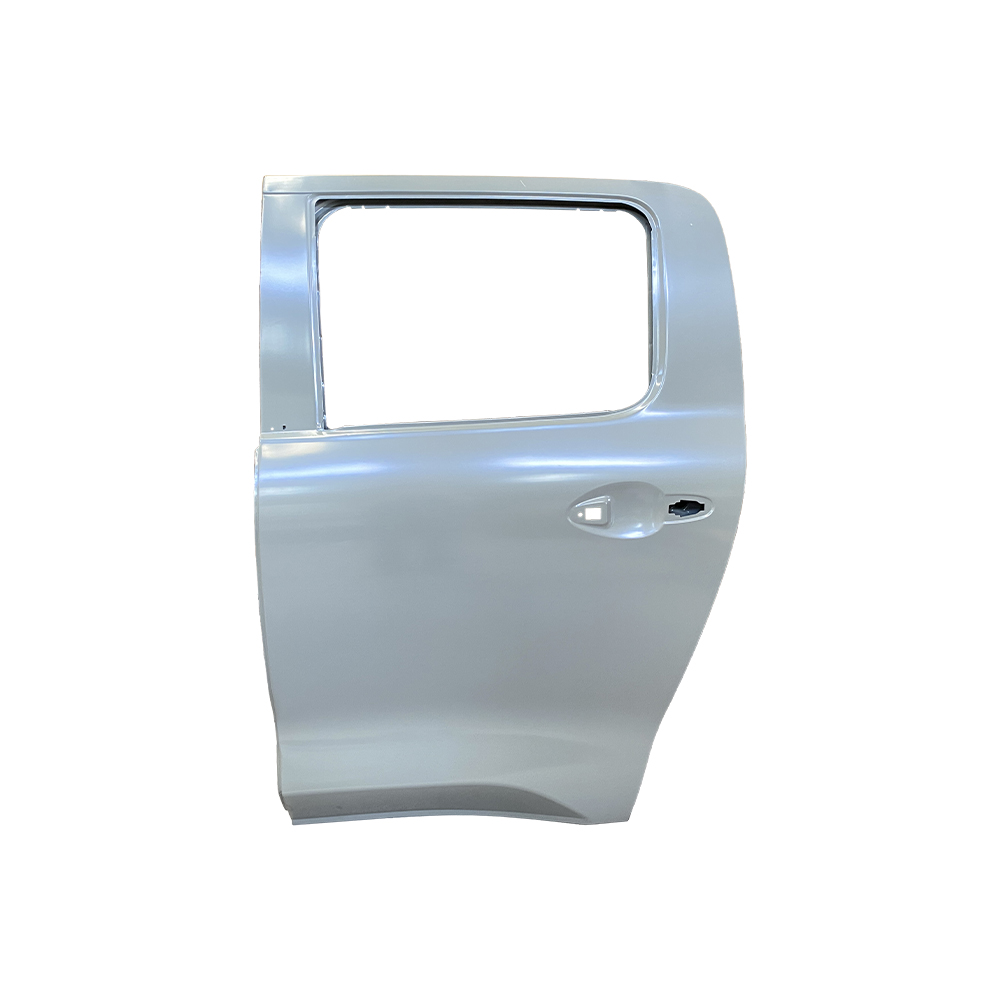
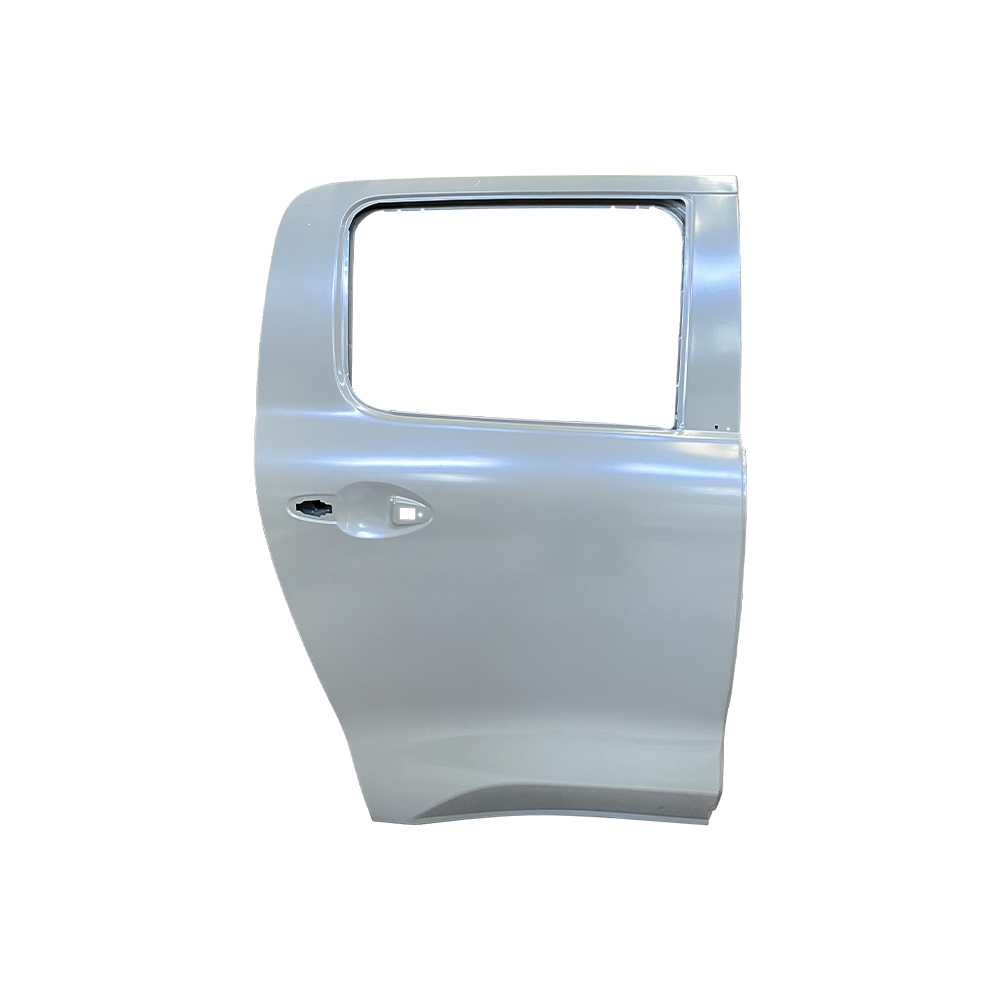
.jpg "REPLACEMENT TAIL GATE COMMERCIAL, 2019-2021, FOR GWM HAVAL POER")
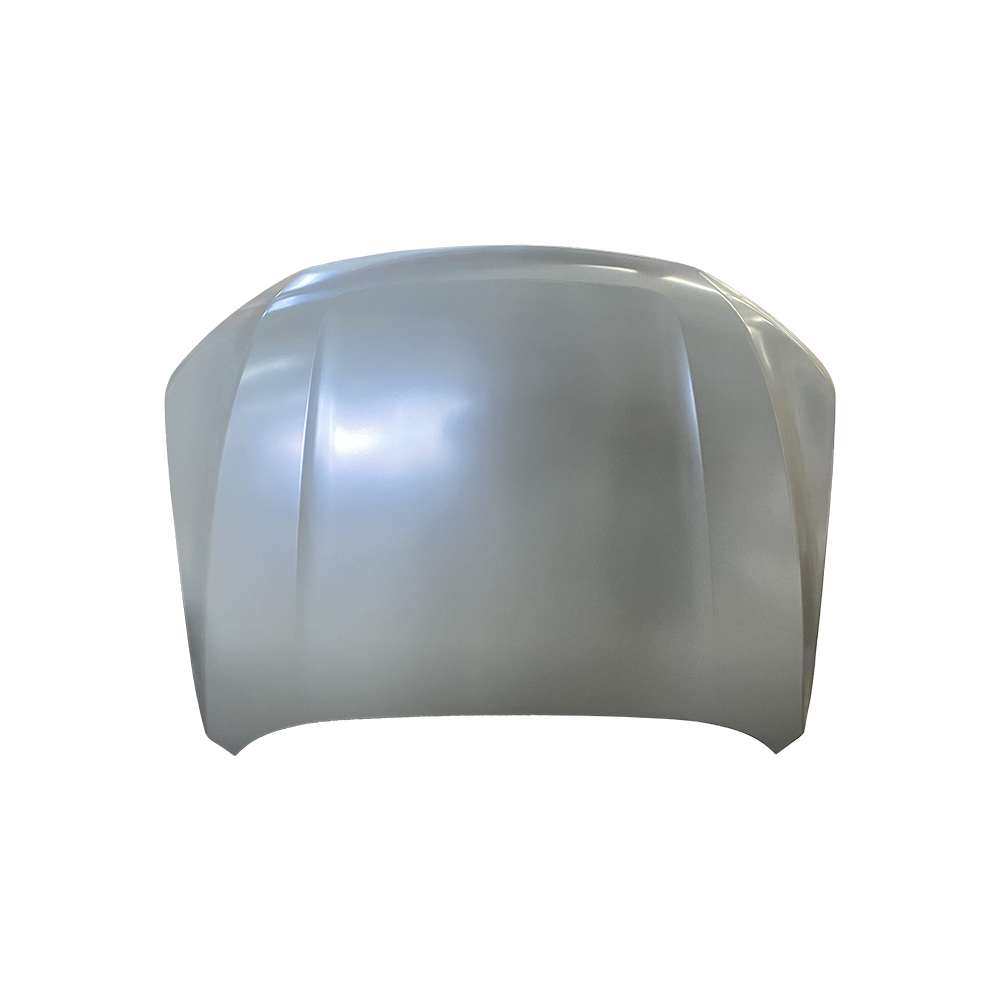
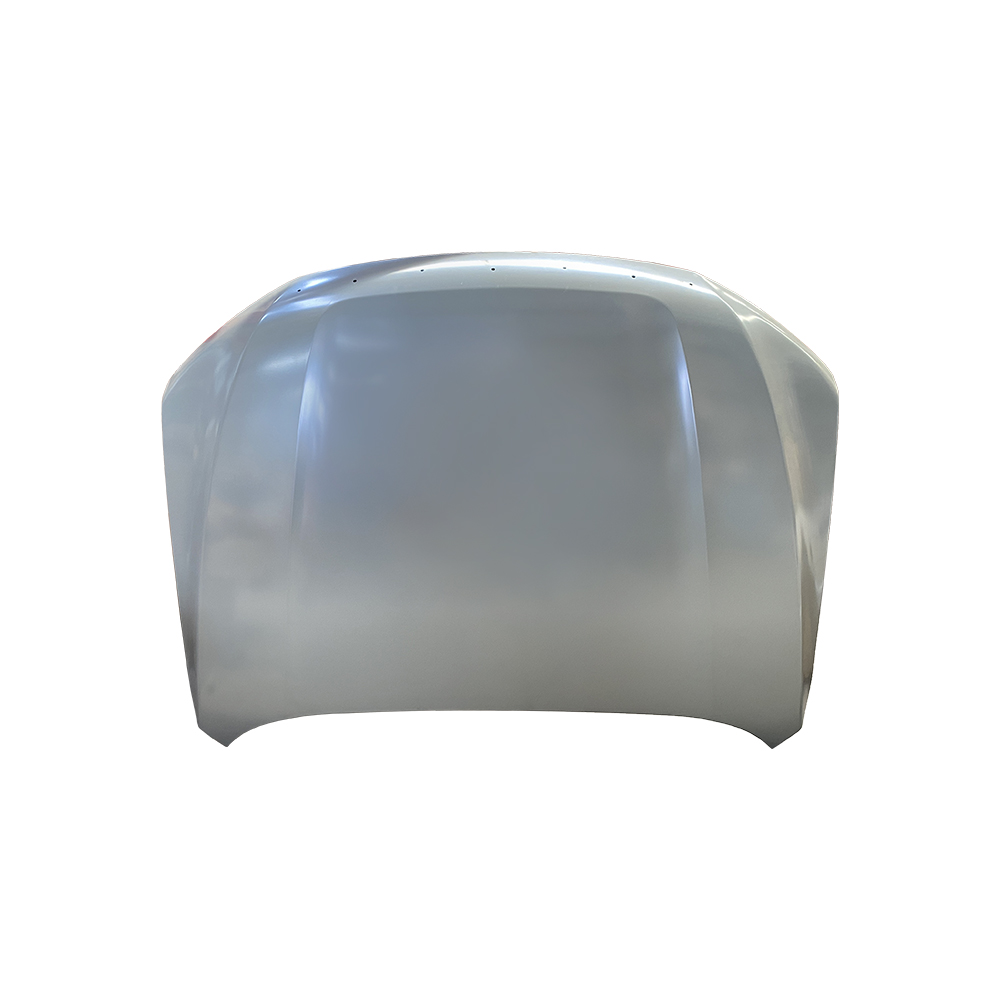
.jpg "REPLACEMENT TAIL GATE PASSENGER, 2019-2021, FOR GWM HAVAL POER")








What Are Great Wall Poer Parts?
The Great Wall Poer is a rugged, body-on-frame pickup truck engineered by GWM (Great Wall Motors) for both on-road comfort and serious off-road capability. Since its launch, it has built a loyal following across Australia, the Middle East, South Africa, and Southeast Asia — markets where durability and load capacity are non-negotiable. As the Poer's global footprint grows, so does the demand for reliable Great Wall Poer parts that keep these trucks performing at their best.
Great Wall Poer parts refer to every component used in the assembly, maintenance, and repair of the Poer pickup — from engine internals and brake systems to body panels and electrical sensors. Choosing the right parts is critical, not just for performance, but for safety and long-term vehicle value.
There are three main categories of Great Wall Poer parts available on the market:
| Type | Source | Fit & Quality | Typical Use Case |
|---|---|---|---|
| OEM | Made by or for GWM | Exact fit, factory standard | Warranty repairs, dealership service |
| OES | Same factory, different label | Exact fit, equivalent quality | Cost-conscious OEM alternative |
| Aftermarket | Third-party manufacturers | Varies by supplier | General replacement, performance upgrades |
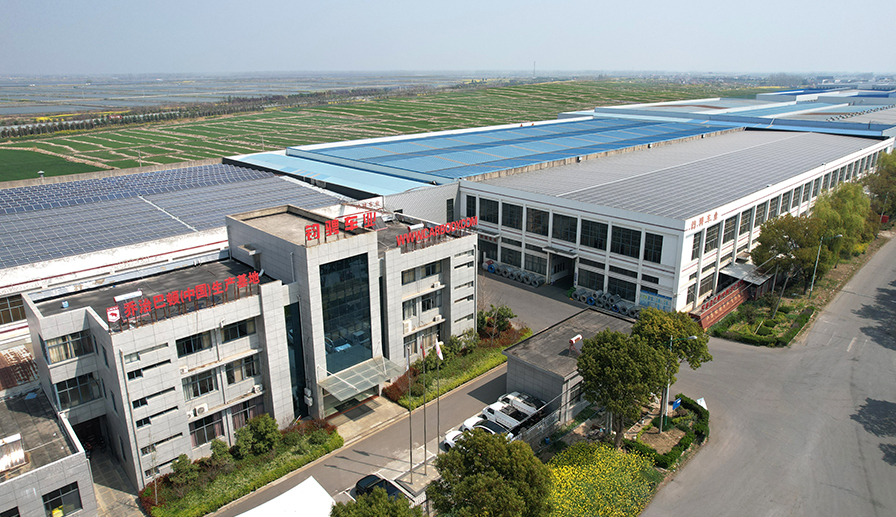
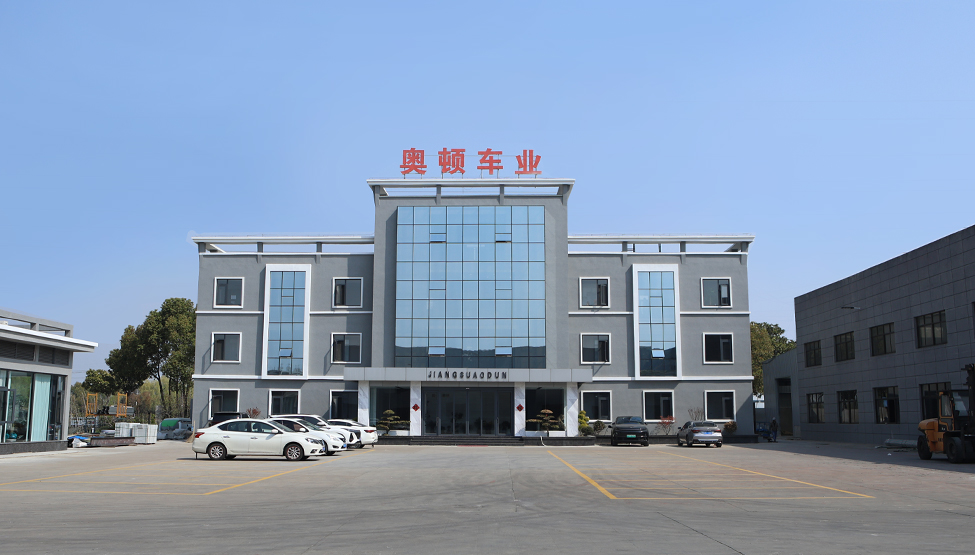
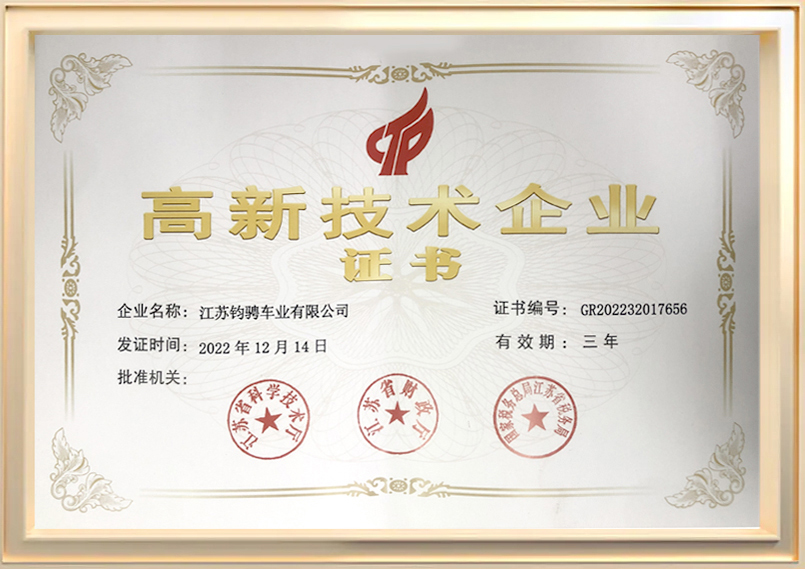
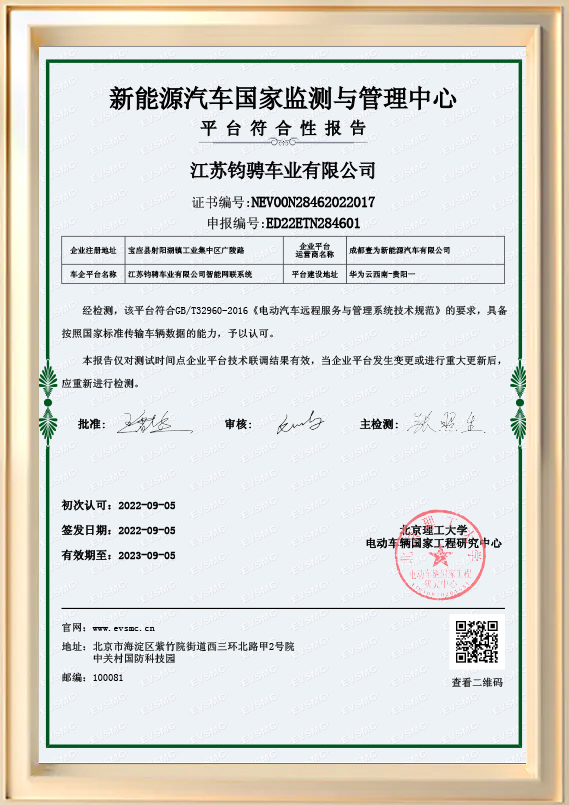
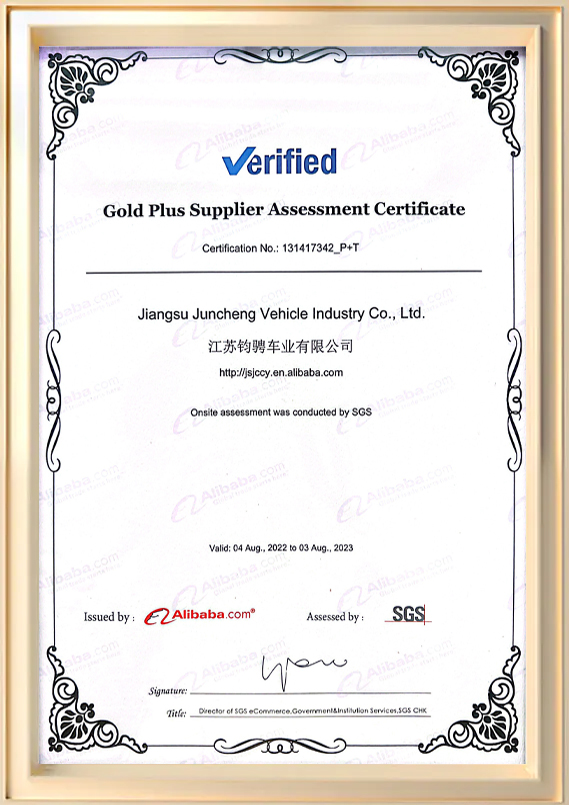
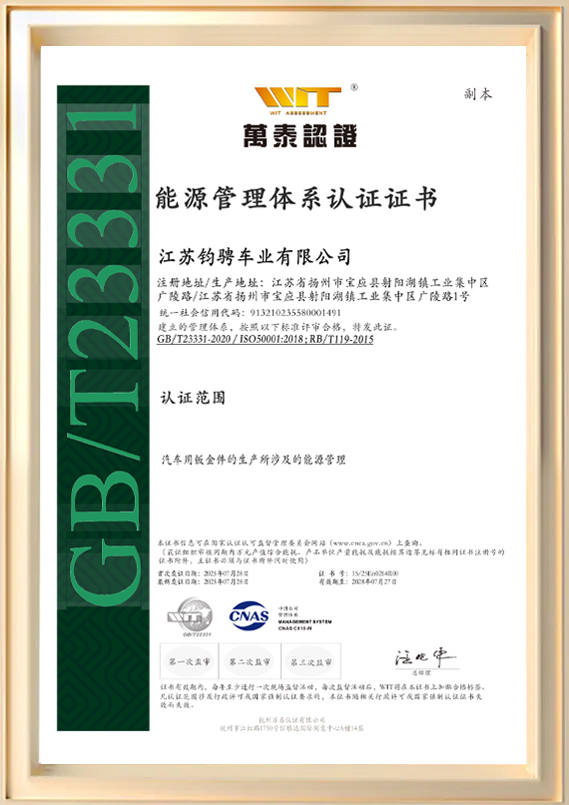
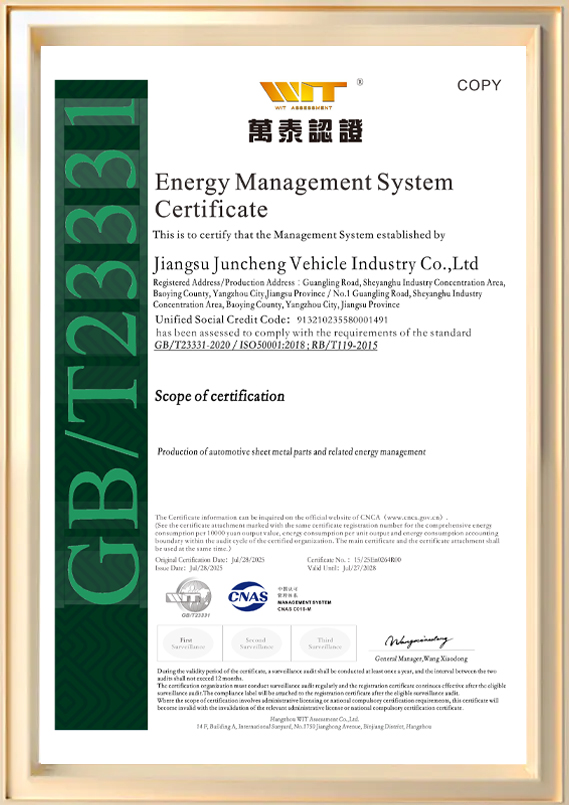
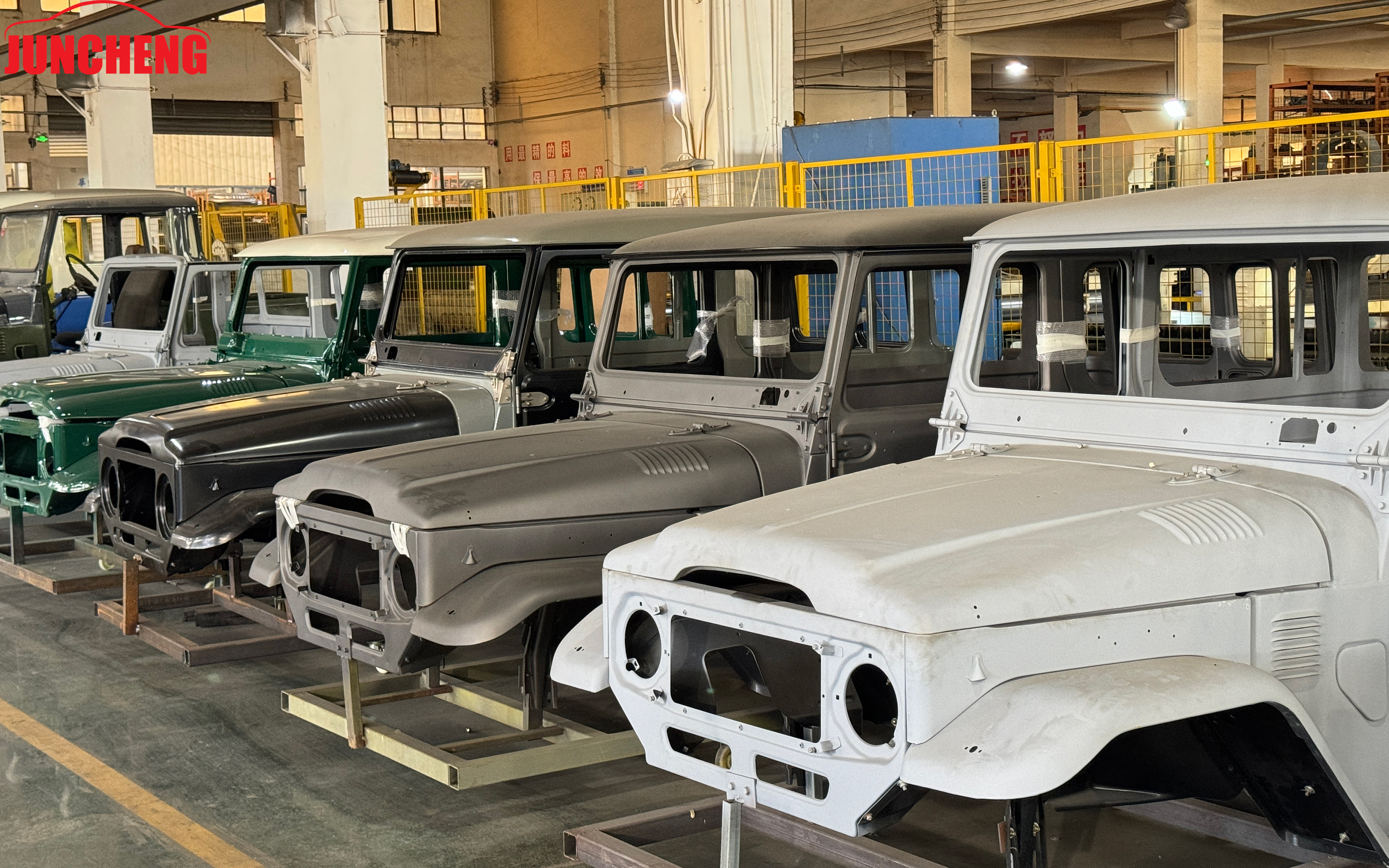
For owners who prioritize consistent quality, sourcing Great Wall Poer parts from established manufacturers matters enormously. Jiangsu Juncheng Vehicle Industry Co., Ltd., founded in 2012 and headquartered in Baoying County, Yangzhou, Jiangsu Province — a renowned industrial hub for automotive metal components in China — specializes in the research, development, precision manufacturing, and global distribution of high-quality automotive metal components, including parts compatible with GWM platforms. With advanced production technologies and robust quality management systems, Juncheng has established itself as a trusted supplier in the industry.
How to Identify the Right Great Wall Poer Parts for Your Vehicle
One of the most common mistakes Poer owners make is ordering parts based on model name alone. The Great Wall Poer has been produced in multiple variants across different markets, which means fitment can vary significantly. Here's how to get it right every time.
Use Your VIN Number
Your Vehicle Identification Number (VIN) is the most reliable way to match Great Wall Poer parts to your exact build. The VIN encodes your model year, engine type, drivetrain configuration, and regional specification. You'll find it on the driver's side dashboard, door jamb sticker, or vehicle registration documents.
Confirm Your Variant
The Poer is available in both 2WD and 4WD configurations, with different engine options (2.0T petrol and 2.4L diesel depending on market). Suspension components, driveshaft parts, and transfer case components are not interchangeable between these variants.
| Variant | Engine Options | Drivetrain | Key Part Differences |
|---|---|---|---|
| Poer 2WD | 2.0T Petrol | Rear-wheel drive | No front axle / transfer case parts |
| Poer 4WD | 2.0T Petrol / 2.4L Diesel | Four-wheel drive | Front axle, locking diff, transfer case |
Read the Part Number on the Existing Component
Before ordering any replacement Great Wall Poer parts, physically inspect the part being replaced. Most components carry a stamped or printed OEM part number. Cross-referencing this number with a supplier's catalog eliminates guesswork entirely.
Use a Parts Diagram or Catalog
A Great Wall Poer parts diagram breaks the vehicle into exploded-view sections — engine bay, chassis, interior, body — making it straightforward to identify the exact component and its associated part number. Reputable suppliers and GWM dealer networks often provide these catalogs digitally.
When sourcing metal components, working with a manufacturer like Jiangsu Juncheng Vehicle Industry Co., Ltd. — which maintains precise part number traceability and strict dimensional tolerances — ensures that the Great Wall Poer parts you receive match your vehicle's specifications without the need for modifications.
DIY vs Professional Installation of Great Wall Poer Parts
Not every Great Wall Poer parts replacement requires a workshop visit. Knowing which jobs are DIY-friendly and which genuinely need professional hands saves time and prevents costly mistakes.
DIY-Friendly Great Wall Poer Parts Replacements
These replacements require basic tools and moderate mechanical confidence:
| Component | Difficulty | Tools Needed |
|---|---|---|
| Air filter | Easy | Screwdriver |
| Cabin air filter | Easy | None |
| Wiper blades | Easy | None |
| Brake pads (front/rear) | Moderate | Jack, lug wrench, C-clamp, caliper tool |
| Battery | Easy | Wrench set |
| Engine oil & filter | Easy | Oil drain pan, filter wrench |
| Spark plugs (petrol models) | Moderate | Spark plug socket, torque wrench |
Professional Installation Recommended
These Great Wall Poer parts involve complex systems where incorrect installation can compromise safety or trigger electronic faults:
Suspension components (control arms, shock absorbers, ball joints) require wheel alignment after installation. Transmission and transfer case parts require fluid management and precise torque specifications. Electrical sensors and ECU-related components may need diagnostic software to calibrate correctly after fitting. Wheel bearings and hub assemblies require press tools and precise preload settings. Fuel system components involve safety and emissions compliance considerations that are best handled by a certified technician.
Common Tools for Great Wall Poer Parts Replacement
Metric socket set (8mm–32mm) covers the majority of fasteners found throughout the Poer. A torque wrench is essential for suspension and brake components where over- or under-tightening causes premature failure. An OBD-II diagnostic scanner is necessary for any sensor or electrical part replacement. A hydraulic floor jack and axle stands are required for any undercarriage work. Finally, penetrating oil is invaluable for freeing seized bolts, particularly on vehicles used in off-road or high-humidity conditions.
Maintenance Tips to Extend the Life of Your Great Wall Poer Parts
Proactive maintenance is the single most effective way to reduce how often you need to replace Great Wall Poer parts — and to avoid unexpected failures on the road or trail.
Recommended Service Intervals
| Component | Service Interval | Action |
|---|---|---|
| Engine oil & filter | Every 10,000–15,000 km | Replace |
| Air filter | Every 20,000–30,000 km | Inspect / replace |
| Fuel filter | Every 30,000–40,000 km | Replace |
| Brake pads | Every 30,000–50,000 km | Inspect / replace |
| Brake fluid | Every 2 years | Replace |
| Spark plugs (petrol) | Every 30,000–60,000 km | Replace |
| Timing belt / chain | Per manufacturer spec | Inspect / replace |
| Differential fluid | Every 40,000–50,000 km | Replace |
| Transfer case fluid (4WD) | Every 40,000–50,000 km | Replace |
Seasonal and Condition-Based Care
The Great Wall Poer is built for demanding conditions — dusty outback tracks, muddy construction sites, and heavily loaded highway runs. In these environments, Great Wall Poer parts wear faster than under normal driving conditions.
In dusty or off-road environments, inspect and replace air filters more frequently (every 10,000–15,000 km). Check brake components and wheel bearings for abrasive wear after extended off-road use. In coastal or high-humidity regions, inspect metal body parts, underbody brackets, and exhaust components for early-stage corrosion. Applying underbody protection prolongs the life of structural Great Wall Poer parts significantly. Under heavy load or towing conditions, brake pads, rotors, and suspension bushings experience accelerated wear — shorten brake inspection intervals to every 20,000 km under these conditions.
Manufacturers like Jiangsu Juncheng Vehicle Industry Co., Ltd. apply rigorous quality management systems to their automotive metal components — ensuring dimensional accuracy, surface treatment standards, and material consistency that directly translates to longer service life once installed on your Poer.
FAQ — Great Wall Poer Parts: What Owners Want to Know
Are Great Wall Poer parts compatible with other GWM models?
Some components share platforms with other GWM vehicles due to shared body-on-frame architecture. However, never assume cross-compatibility. Always verify fitment using the part number from your specific Poer variant. Suspension geometry, bolt patterns, and sensor calibrations can differ even between visually similar models.
How long do OEM Great Wall Poer parts typically last?
Lifespan depends heavily on usage and environment. Brake pads typically last 30,000–50,000 km under normal conditions, shorter under towing or off-road use. Engine air filters last 20,000–30,000 km. Shock absorbers generally reach 80,000–100,000 km before replacement is needed. Wheel bearings under normal conditions can last 100,000–150,000 km. Always refer to your owner's manual for model-specific guidance.
Can I use aftermarket parts without voiding my warranty?
In most markets, consumer protection legislation prevents manufacturers from voiding a warranty simply because aftermarket parts were used — provided those parts did not directly cause the fault in question. That said, always use quality-certified aftermarket Great Wall Poer parts from reputable suppliers, and keep installation records to protect yourself in any warranty dispute.
Are Great Wall Poer parts easy to find outside China?
Availability has improved significantly in recent years. GWM's expanding dealer network across Australia, the Middle East, South Africa, and Southeast Asia now stocks a broad range of Great Wall Poer parts. Additionally, specialist automotive component manufacturers with global distribution capabilities — including Jiangsu Juncheng Vehicle Industry Co., Ltd., which serves international markets directly from its production base in Yangzhou, Jiangsu Province — have made sourcing quality parts more accessible for Poer owners worldwide.
What is the difference between OEM, OES, and aftermarket Great Wall Poer parts?
OEM (Original Equipment Manufacturer) parts are produced by or directly for GWM, sold through official dealer channels with guaranteed fitment and factory-grade quality. OES (Original Equipment Supplier) parts are made by the same factory that supplies GWM but sold under the supplier's own brand — quality is typically equivalent to OEM at a lower price point. Aftermarket parts are manufactured independently by third-party companies, and quality varies widely. Always source aftermarket Great Wall Poer parts from suppliers with verifiable certifications and part number traceability.
How do I know if a Great Wall Poer part is counterfeit?
Counterfeit Great Wall Poer parts are a genuine concern in some markets. Watch for missing or poorly printed part numbers and barcodes, flimsy packaging with inconsistent branding, and pricing that undercuts legitimate suppliers by a suspiciously large margin. Reputable suppliers will always be able to provide documentation of origin, batch numbers, and material certifications. Purchasing from established manufacturers with documented quality management systems — such as Jiangsu Juncheng Vehicle Industry Co., Ltd., which operates under strict production and traceability standards — is the most reliable way to ensure you are receiving genuine, safe, and correctly specified Great Wall Poer parts.
