
 English
 Español
 عربى
عربى русский
 中文简体
中文简体

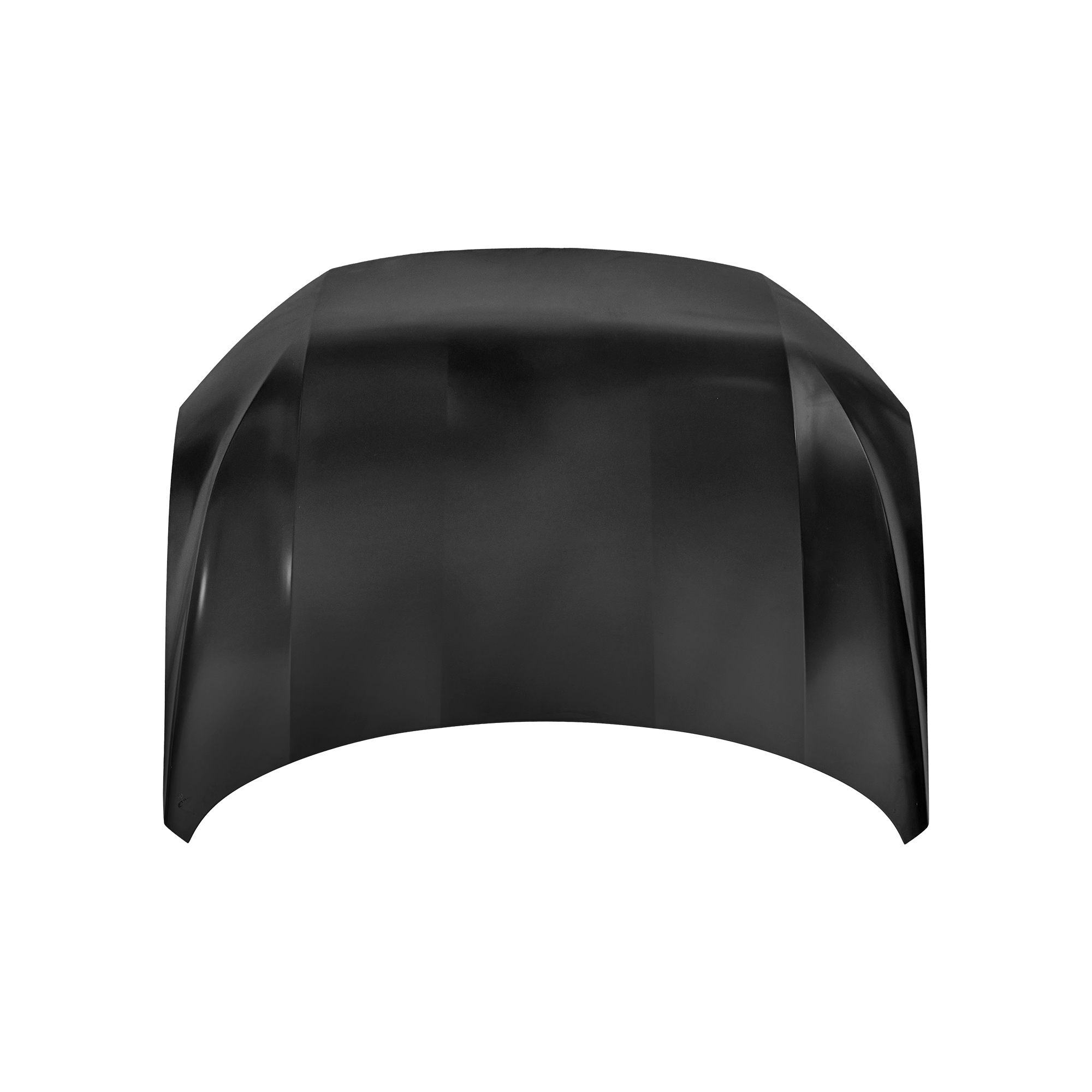
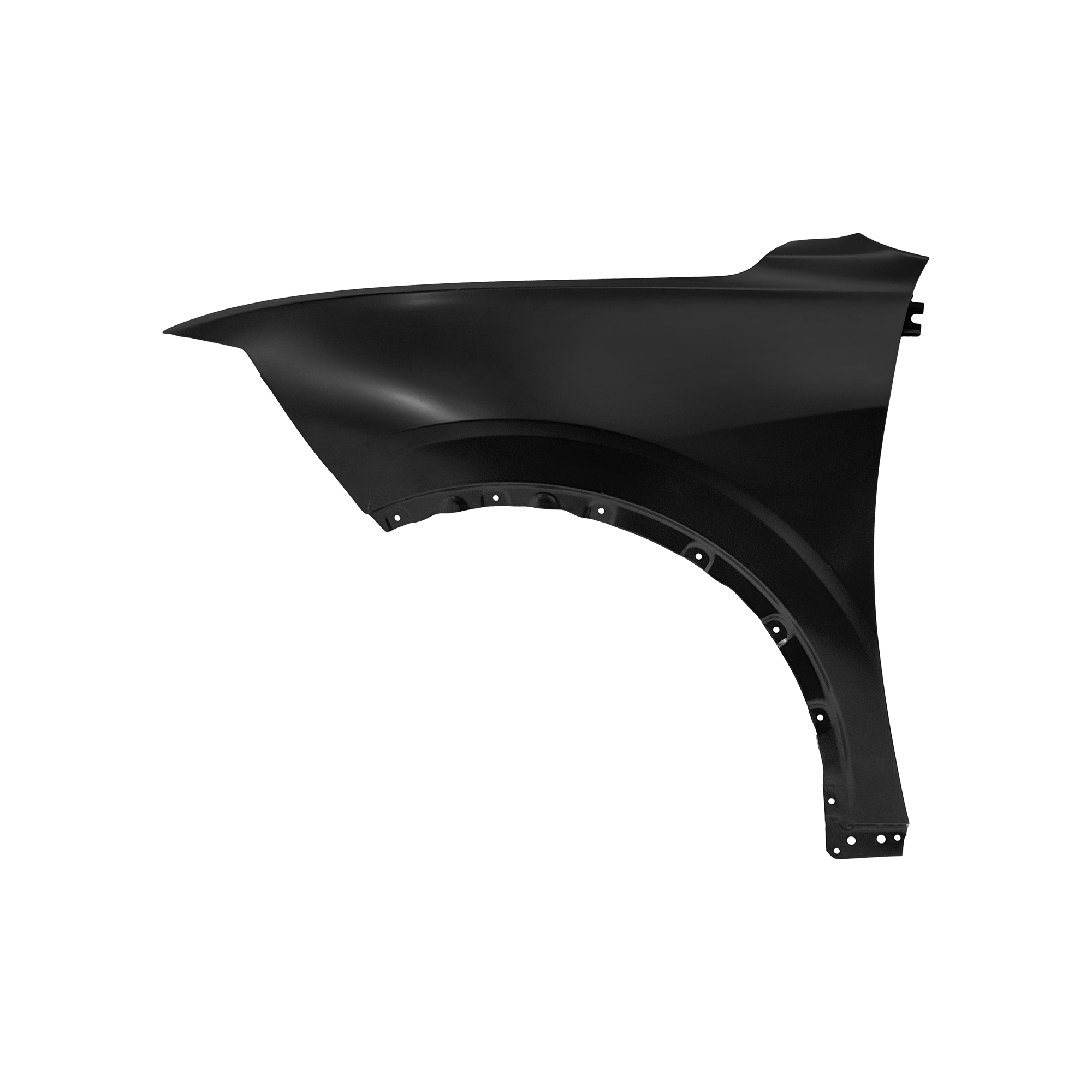
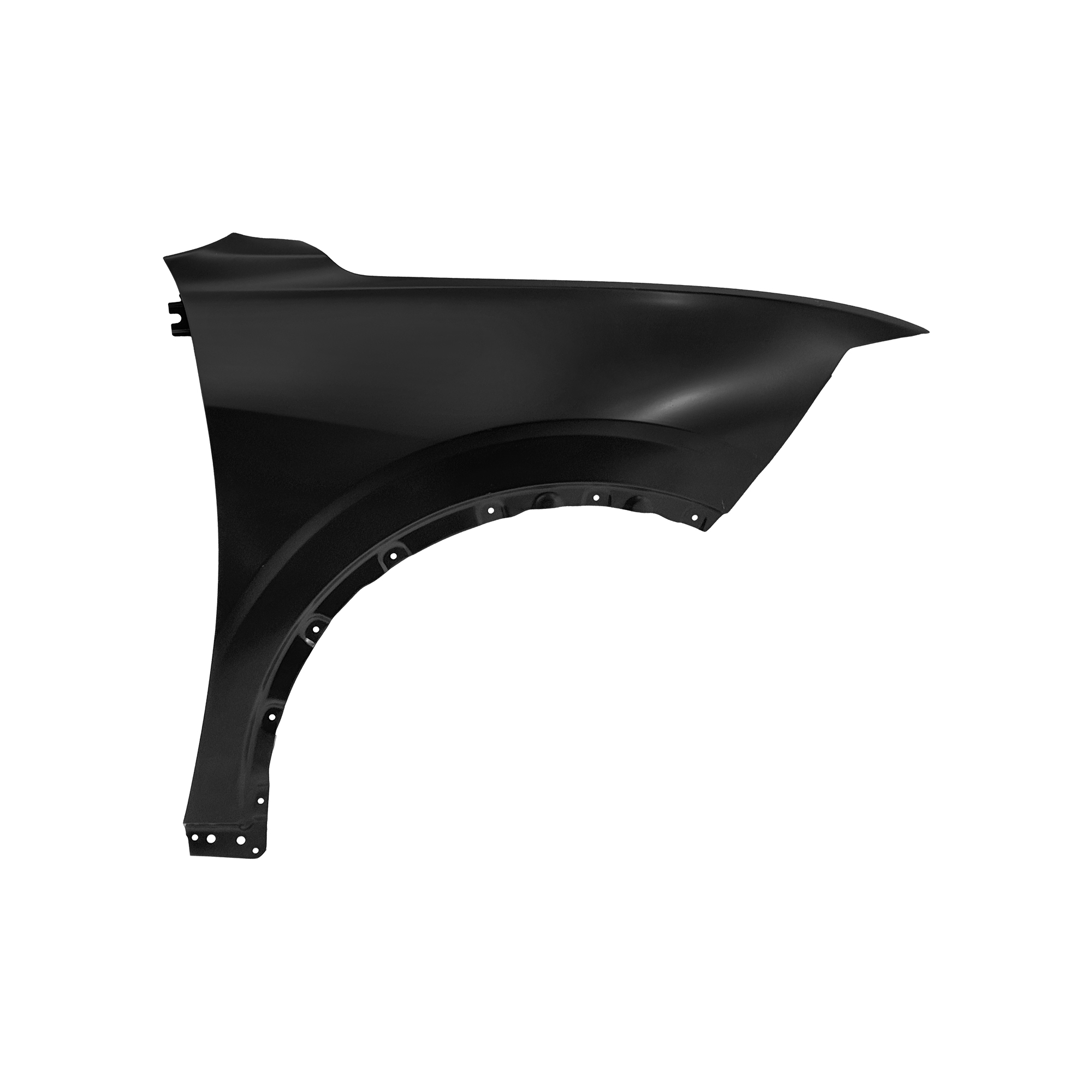







What Are Ford Equator Sport Parts and Why They Matter
The Ford Equator Sport is a compact SUV engineered for urban driving performance and cross-terrain versatility. As ownership numbers grow across global markets, the demand for reliable Ford Equator Sport Parts has increased significantly — both for routine maintenance and performance upgrades.
Understanding Ford Equator Sport Parts means knowing the difference between two major categories: OEM (Original Equipment Manufacturer) parts and aftermarket parts.
OEM Parts are manufactured to the exact specifications set by Ford, ensuring perfect fitment and performance consistency. Aftermarket Parts are produced by third-party manufacturers and vary widely in quality, price, and compatibility.
Using the correct Ford Equator Sport Parts directly impacts three critical areas:
| Area | Impact of Correct Parts | Risk of Wrong Parts |
|---|---|---|
| Safety | Reliable braking, stable handling | Brake failure, steering instability |
| Performance | Optimal engine output, smooth ride | Reduced power, poor fuel efficiency |
| Longevity | Extended vehicle lifespan | Accelerated wear on surrounding components |
Choosing verified, high-quality Ford Equator Sport Parts is not just a maintenance decision — it is a safety decision.
Essential Ford Equator Sport Parts You Should Know
A clear understanding of your vehicle's key systems helps you stay ahead of wear and avoid costly repairs. Below are the most critical categories of Ford Equator Sport Parts every owner should be familiar with.
Engine & Drivetrain Parts
The engine system is the heart of the Ford Equator Sport. Core Ford Equator Sport Parts in this category include:
Air Filter — Ensures clean airflow to the engine; a clogged filter reduces power and fuel economy.
Oil Filter — Removes contaminants from engine oil, protecting internal components.
Spark Plugs — Responsible for ignition; worn plugs cause misfires and increased emissions.
Timing Belt/Chain — Critical for engine synchronization; failure can cause severe engine damage.
| Part | Recommended Replacement Interval |
|---|---|
| Air Filter | Every 15,000–20,000 km |
| Oil Filter | Every 5,000–10,000 km (with oil change) |
| Spark Plugs | Every 30,000–60,000 km |
| Timing Belt | Every 60,000–100,000 km |
Suspension & Steering Parts
These Ford Equator Sport Parts directly affect ride comfort and handling control:
Shock Absorbers / Struts — Dampen road vibrations; worn units cause bouncy, unstable handling.
Control Arms — Connect the suspension to the vehicle frame, maintaining wheel alignment.
Ball Joints — Allow pivoting movement between the control arm and steering knuckle.
Tie Rod Ends — Link the steering rack to the wheel assembly; worn units cause loose steering.
| Symptom | Likely Faulty Part |
|---|---|
| Vehicle pulls to one side | Tie rod end or control arm |
| Excessive bouncing after bumps | Shock absorbers |
| Clunking noise over bumps | Ball joints |
| Uneven tire wear | Alignment-related suspension parts |
Brake System Parts
Brake-related Ford Equator Sport Parts are among the most safety-critical components on the vehicle:
Brake Pads — Create friction against the rotor to slow the vehicle; must be replaced regularly.
Brake Rotors (Discs) — The surface the pads clamp against; warped rotors cause vibration when braking.
Brake Calipers — House the pistons that press the pads onto the rotor.
Brake Fluid — Hydraulic fluid that transfers braking force; absorbs moisture over time and must be refreshed.
| Part | Replacement Interval |
|---|---|
| Brake Pads | Every 30,000–50,000 km |
| Brake Rotors | Every 60,000–70,000 km or when thickness is below spec |
| Brake Fluid | Every 2 years or 40,000 km |
OEM vs Aftermarket Ford Equator Sport Parts: How to Choose
One of the most common questions among Ford Equator Sport owners is whether to go with OEM or aftermarket parts. Here is a practical comparison:
| Criteria | OEM Parts | Quality Aftermarket Parts |
|---|---|---|
| Fitment | Perfect, factory-spec | Good, if from reputable manufacturer |
| Quality Consistency | Guaranteed | Varies by brand and certification |
| Price | Higher | Generally 20–50% lower |
| Warranty | Typically included | Depends on supplier |
| Availability | Limited to authorized dealers | Widely available |
| Best For | Critical safety components | General maintenance, cost-sensitive repairs |
For safety-critical Ford Equator Sport Parts — such as brake components and steering parts — OEM or certified aftermarket parts meeting international standards such as ISO 9001 or IATF 16949 are strongly recommended.
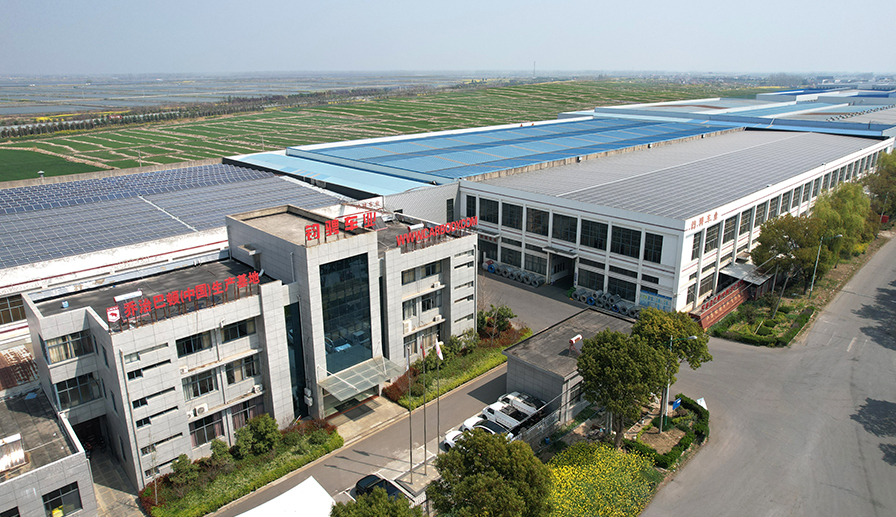
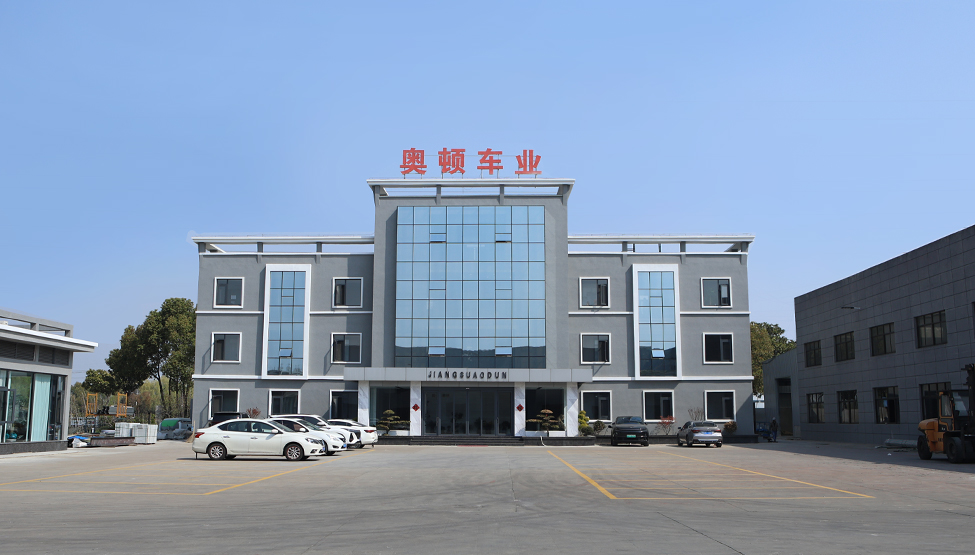
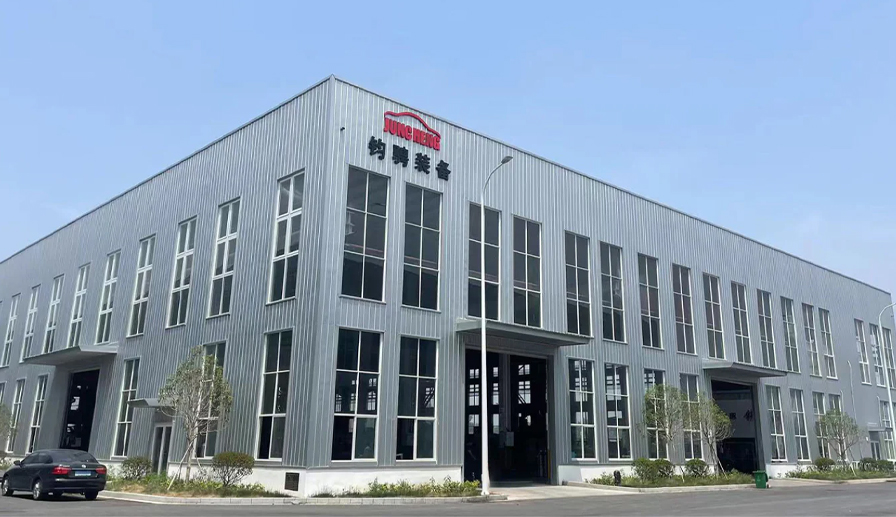
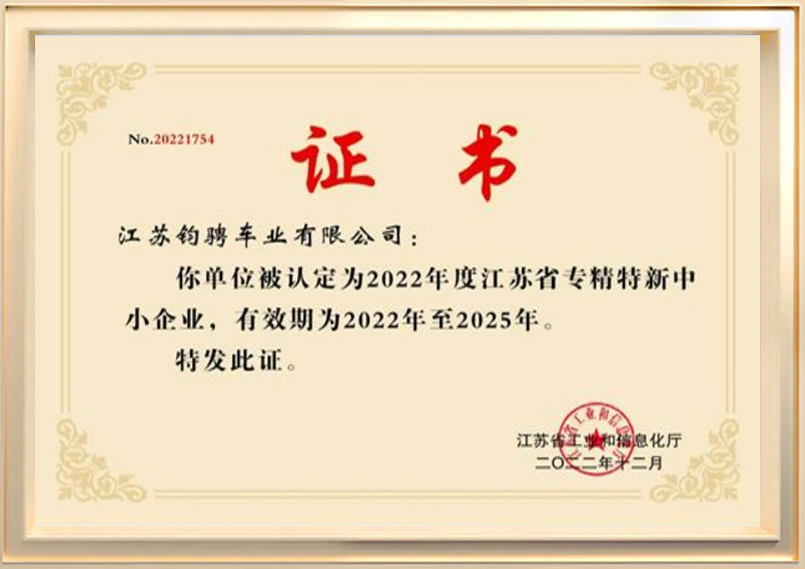
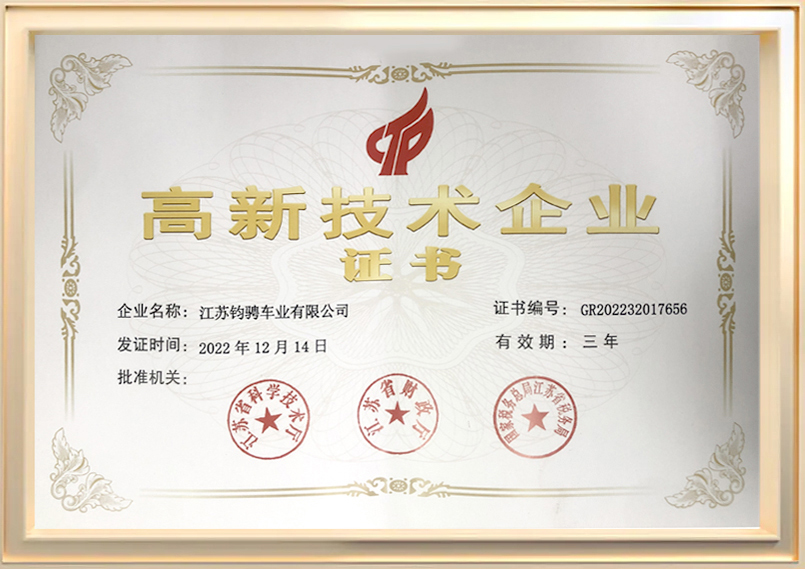
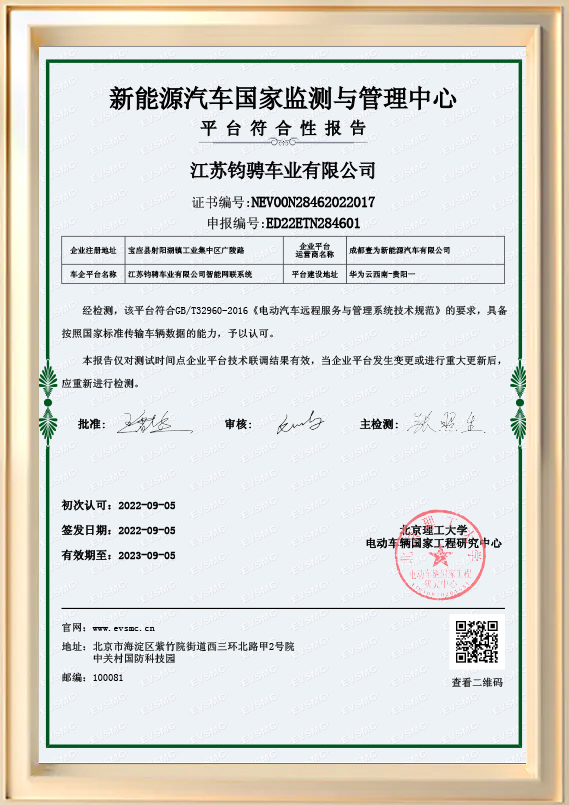
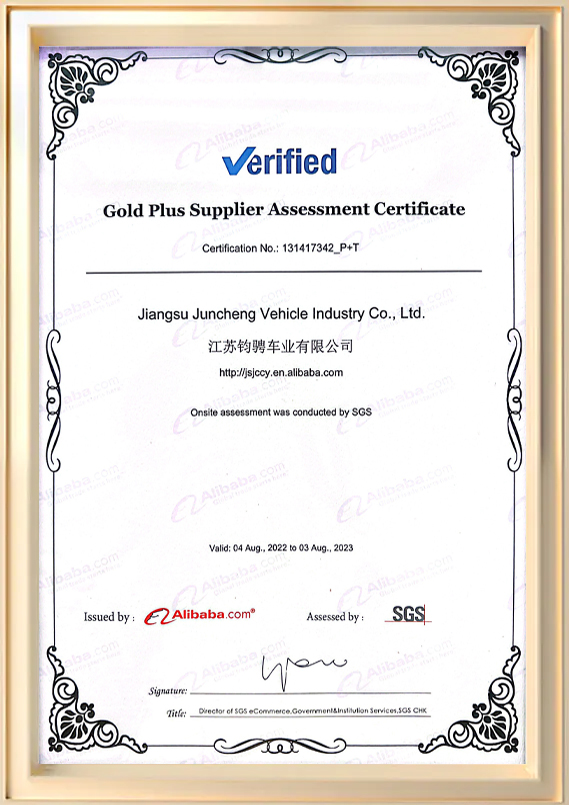
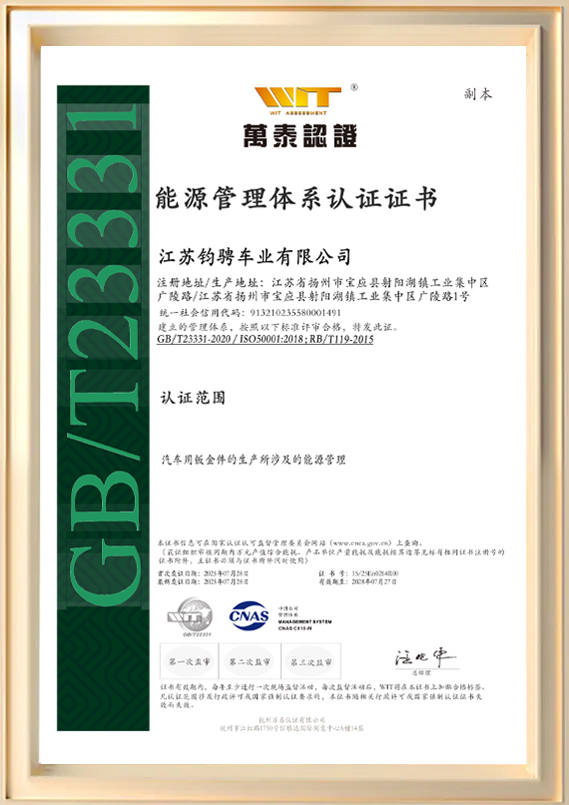
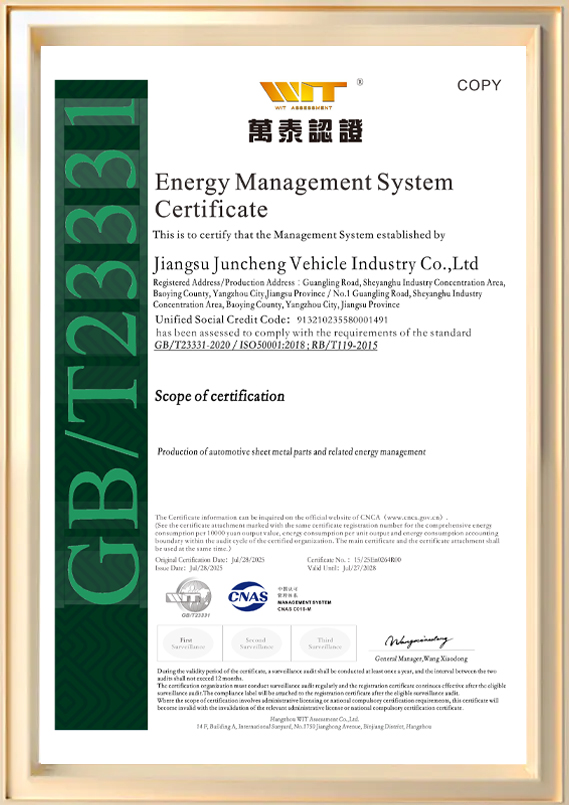
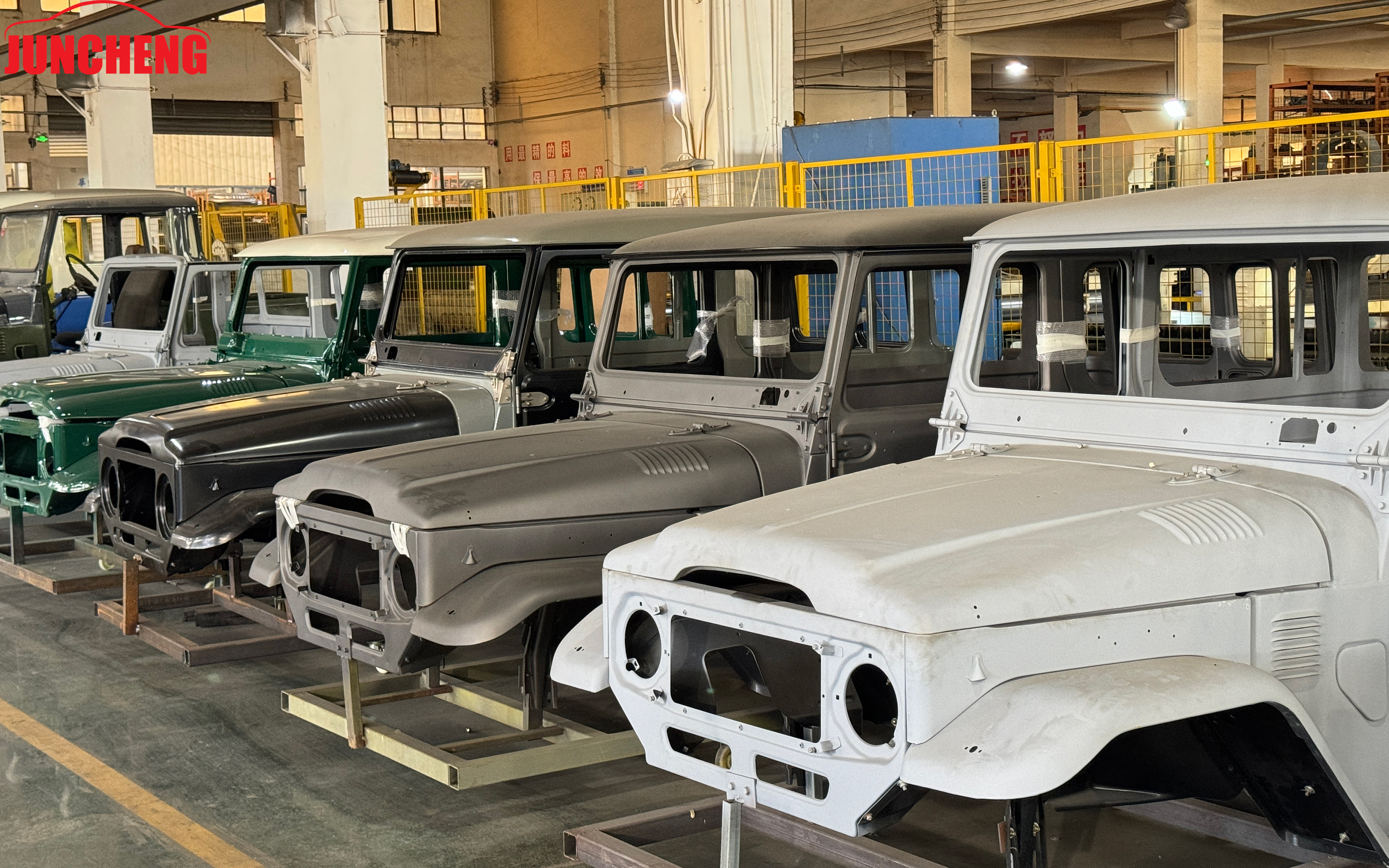
This is where manufacturers like Jiangsu Juncheng Vehicle Industry Co., Ltd. make a significant difference. Founded in 2012 and headquartered in Baoying County, Yangzhou — a renowned industrial hub for automotive metal components in China — Juncheng specializes in research and development, precision manufacturing, and global distribution of high-quality automotive metal components. With advanced production technologies and robust quality management systems, Juncheng delivers Ford Equator Sport Parts that meet strict international standards, offering a reliable alternative to OEM pricing without compromising on performance or safety.
Ford Equator Sport Parts Replacement & Maintenance Tips
Staying on top of maintenance means knowing when to replace Ford Equator Sport Parts — not just how. Here is a consolidated maintenance reference:
Maintenance Schedule Overview
| Component | Inspection Interval | Replacement Interval |
|---|---|---|
| Engine Oil & Filter | Every 5,000 km | Every 5,000–10,000 km |
| Air Filter | Every 15,000 km | Every 20,000 km |
| Spark Plugs | Every 30,000 km | Every 30,000–60,000 km |
| Brake Pads | Every 20,000 km | Every 30,000–50,000 km |
| Brake Rotors | Every 40,000 km | Every 60,000–70,000 km |
| Brake Fluid | Annually | Every 2 years |
| Shock Absorbers | Every 40,000 km | Every 80,000–100,000 km |
| Timing Belt | Every 50,000 km | Every 60,000–100,000 km |
| Coolant | Every 20,000 km | Every 40,000–60,000 km |
DIY vs Professional Service
| Task | DIY Friendly? | Notes |
|---|---|---|
| Air filter replacement | Yes | Simple tool-free swap |
| Oil & filter change | Yes | Requires basic tools and disposal plan |
| Brake pad replacement | Intermediate | Requires proper torque tools |
| Suspension components | Professional recommended | Alignment required after replacement |
| Timing belt replacement | Professional required | High-precision job; critical if done wrong |
Keep a Replacement Record
Every time you replace Ford Equator Sport Parts, document the following information to protect your warranty, increase resale value, and identify patterns of wear over time:
Date and mileage of replacement
Part name and part number
Supplier or manufacturer (OEM or certified aftermarket)
Workshop or technician who performed the work
FAQ — Ford Equator Sport Parts Common Questions
Q1: What is the difference between OEM and aftermarket Ford Equator Sport Parts?
OEM parts are produced to Ford's exact factory specifications and guaranteed to fit perfectly. Aftermarket Ford Equator Sport Parts are made by third-party manufacturers — quality varies widely. For critical safety systems, always choose OEM or certified aftermarket parts from manufacturers with verified quality standards such as IATF 16949 certification.
Q2: How do I find the correct Ford Equator Sport Parts using my VIN?
Your Vehicle Identification Number (VIN) is a 17-character code typically found on the driver's side dashboard (visible through the windshield) or on the door jamb sticker. This number encodes your vehicle's year, engine type, trim level, and production details — all essential for matching the right Ford Equator Sport Parts. Always provide your VIN when ordering parts to ensure compatibility.
Q3: How often should brake pads be replaced on the Ford Equator Sport?
Brake pads are generally recommended for inspection every 20,000 km and replacement every 30,000–50,000 km. However, driving habits matter significantly — frequent city driving with heavy braking will wear pads faster than highway driving. Warning signs include squealing noise, vibration when braking, or a brake warning light on the dashboard. Do not delay replacing brake-related Ford Equator Sport Parts, as worn pads can damage rotors and dramatically increase repair costs.
Q4: Can Ford Equator Sport Parts be shared with other Ford models?
Some components — particularly generic hardware like bolts, filters, and sensors — may be shared across Ford model lines. However, it is strongly advised not to assume cross-compatibility. Suspension geometry, brake specifications, and drivetrain configurations differ between models. Always verify Ford Equator Sport Parts by part number and vehicle specifications before installation. Using an incompatible part can cause premature failure or safety hazards.
Q5: How can I identify counterfeit Ford Equator Sport Parts?
Counterfeit parts are a real concern in the automotive aftermarket. Here are key indicators of genuine vs counterfeit Ford Equator Sport Parts:
| Indicator | Genuine Parts | Counterfeit Parts |
|---|---|---|
| Packaging | Clean, branded, includes part number | Generic, misspelled, no part number |
| Weight & Finish | Consistent with OEM spec | Often lighter, rough edges |
| Certifications | ISO/IATF certified markings | None or unverifiable |
| Price | Reflects material and quality cost | Unusually cheap |
| Supplier | Verified manufacturer or dealer | Unknown source |
Trusted manufacturers like Jiangsu Juncheng Vehicle Industry Co., Ltd. back their automotive metal components with verifiable certifications and traceable quality management systems — giving buyers confidence that every Ford Equator Sport Part meets international performance and safety benchmarks.
Q6: Is it worth investing in high-quality Ford Equator Sport Parts for an older vehicle?
Yes — in most cases. High-quality Ford Equator Sport Parts extend the service life of the vehicle, maintain resale value, and prevent minor issues from escalating into major repairs. A low-quality brake rotor or suspension component may save money upfront but often leads to accelerated wear on adjacent parts, turning a small saving into a much larger repair bill. Quality always pays in the long run.
For professional-grade Ford Equator Sport Parts backed by over a decade of precision manufacturing expertise, Jiangsu Juncheng Vehicle Industry Co., Ltd. — founded in 2012 in Yangzhou, Jiangsu Province — offers reliable automotive metal components trusted by customers worldwide. Committed to continuous innovation and a robust quality management system, Juncheng has established itself as a trusted and influential supplier in the global automotive industry.
