
 English
 Español
 عربى
عربى русский
 中文简体
中文简体
When replacing damaged parts, what specific requirements does the pillar structure of General Motors (GM) vehicles have regarding welding processes and structural adhesives
In modern American automotive manufacturing, General Motors (GM) extensively utilizes Ultra High Strength Steel (UHSS), such as Martensitic and Boron steel, in critical pillar structures. These materials often feature tensile strengths exceeding 700 MPa, reaching up to 1500 MPa in components like A-pillars, B-pillars, roof rails, and rocker reinforcements. This engineering choice is designed to create a rigid safety cage for passenger protection.
Because UHSS is extremely sensitive to heat, traditional collision repair methods are no longer applicable. When replacing accident-damaged body parts, adhering to GM OEM Procedures regarding welding and structural bonding is the only way to ensure the structural integrity of the vehicle is restored to factory standards.
Thermal Management and Heat Input Restrictions
The high-strength properties of UHSS are achieved through precise factory heat-treatment processes. Excessive heat during repair can lead to "annealing," a process where the steel loses its molecular tension and becomes soft and brittle.
Replacement Over Repair: GM guidelines strictly dictate that if a UHSS pillar component is "kinked" (sharp permanent deformation), it must be replaced as a whole unit. Attempting to pull or straighten these parts using a torch is prohibited as it compromises the metal's crashworthiness.
Welding Heat Limits: Continuous bead welding or "stitch welding" is generally restricted on UHSS. Excessive heat input creates a Heat Affected Zone (HAZ) that is prone to cracking or snapping during a secondary collision event.
Welding Technology: STRSW and Pulse MIG Plug Welding
Connecting replacement pillars requires specialized equipment that mimics factory production methods while controlling thermal energy.
Squeeze Type Resistance Spot Welding (STRSW): This is the preferred method for GM pillar replacement. It requires a spot welder capable of delivering high clamping force (typically > 350 daN) and high current (> 12,000 A). This allows the weld to penetrate coatings and form a reliable "nugget" in milliseconds, minimizing the surrounding heat spread.
MIG Plug Welding: In areas where a spot welding gun cannot reach both sides of the panel, MIG plug welding is used. GM specifies the use of specific welding wire, such as ER70S-3 or ER70S-6. The hole diameter is usually set at 8mm to ensure adequate fusion surface area without overheating the base metal.
MIG Brazing: For certain mixed-material joints, GM may require MIG Brazing with silicon bronze wire. Since the melting point of the wire is lower than the steel, it forms a bond without altering the UHSS crystalline structure.
Impact Resistant Structural Adhesive (IRSA) Requirements
In GM pillar replacement, structural adhesive is a load-bearing component, not just a sealant. It distributes stress across a larger surface area than welds alone.
Impact Resistance: Repairers must use Impact Resistant Structural Adhesive (IRSA), such as Pliogrip 5770P or 3M 07333. These adhesives are designed to absorb energy and prevent the "peeling" of panels during high-velocity impacts.
Weld Bonding: This is the industry-standard technique for GM vehicles. A layer of IRSA is applied between the panels, and STRSW (Spot Welding) is performed directly through the wet adhesive. This creates a joint that combines the rigidity of a weld with the superior fatigue resistance of an adhesive bond.
Critical Installation Details
Surface Preparation: Before applying structural adhesive, all e-coat, paint, and oxidation must be removed using specific grinding discs to achieve a "bright metal" finish. Residual contaminants will significantly degrade the bond strength.
Adhesive Setback: When performing MIG plug welding, the structural adhesive must be set back at least 25mm from the weld hole. This prevents the welding arc from burning the adhesive, which would release carbon contaminants into the weld pool and cause porosity.
Proper Mixing: Technicians must use the correct mixing nozzles to ensure the two-part epoxy achieves the proper chemical ratio. Improperly mixed adhesive will fail to reach the required tensile strength, leaving the pillar vulnerable.
-
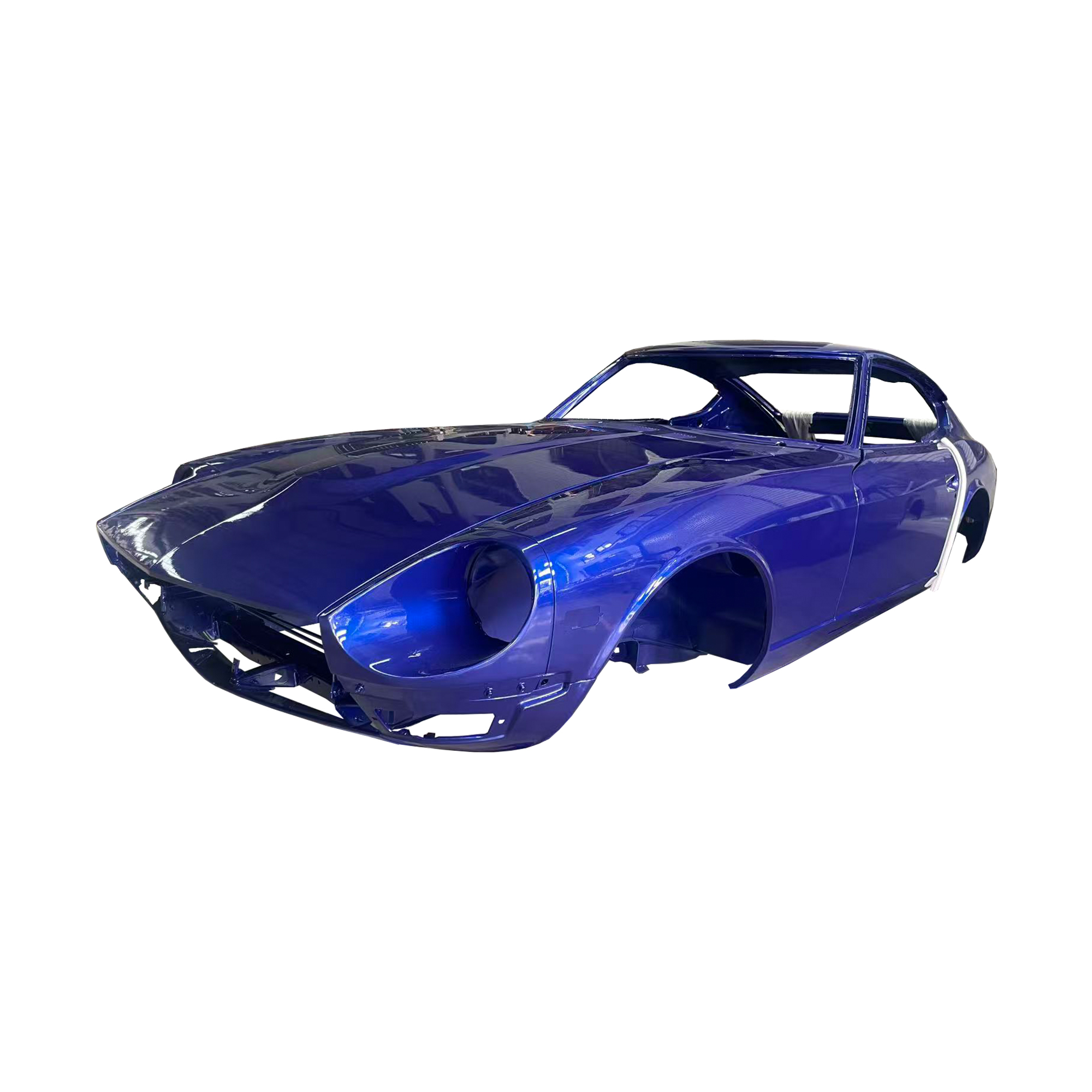 REPLACEMENT COMPLETE CAR BODY ASSEMBLY, 1969-1973, FOR NISSAN DATSUN 240Z
-
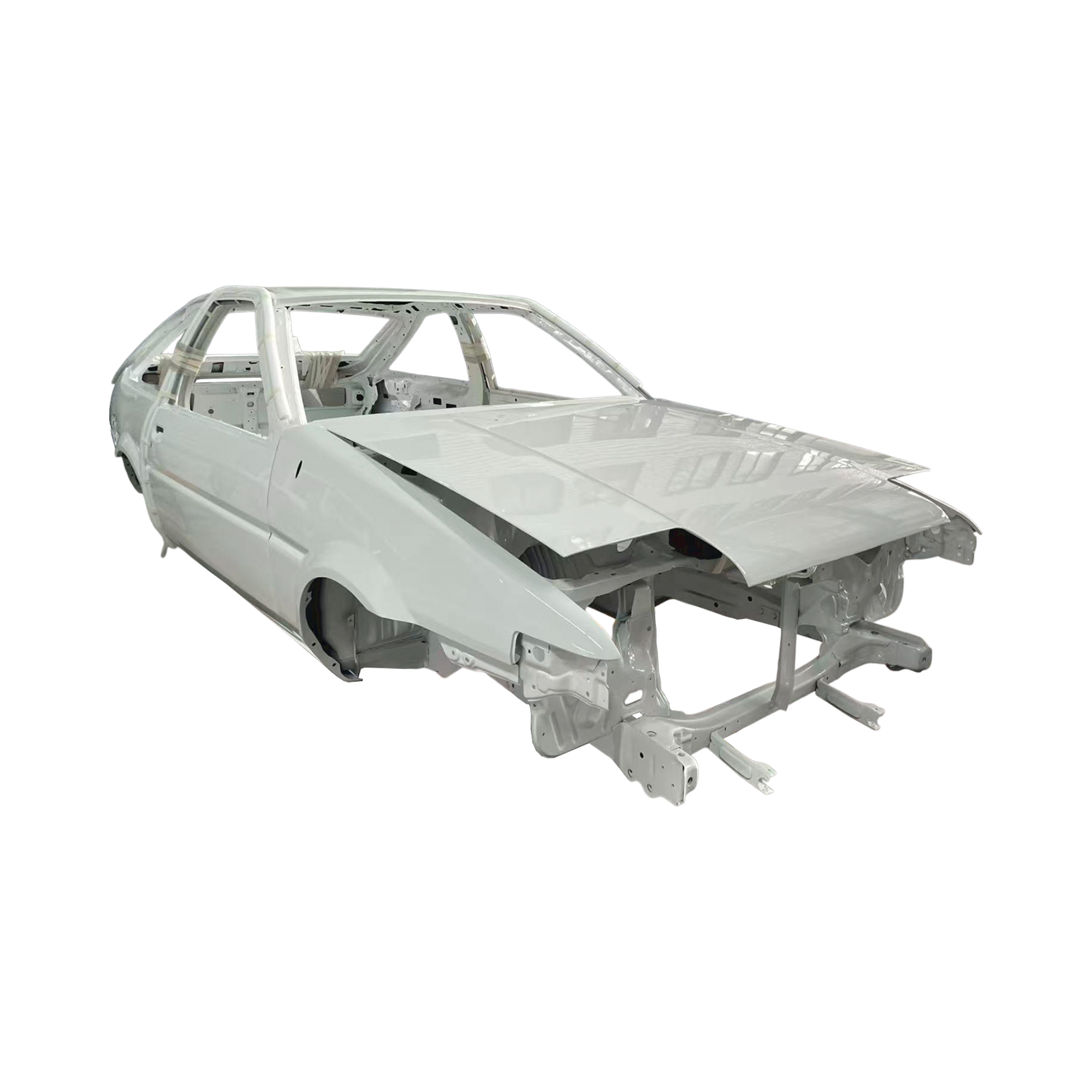 REPLACEMENT COMPLETE CAR BODY ASSEMBLY, 1983-1987, FOR TOYOTA AE86
-
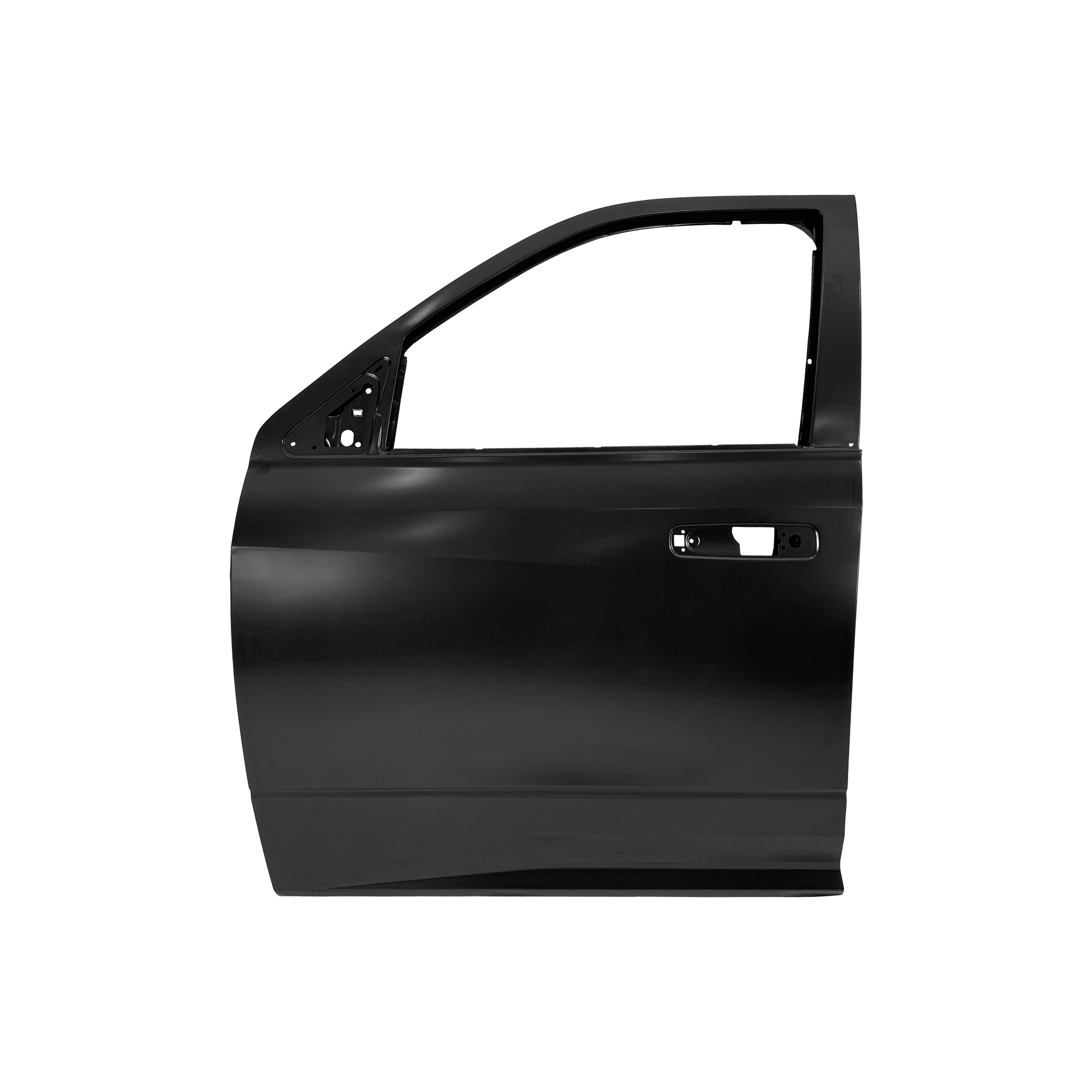 REPLACEMENT FRONT DOOR LH, 2013-2018, FOR DODGE RAM 1500, 68144729A, (STEEL)
-
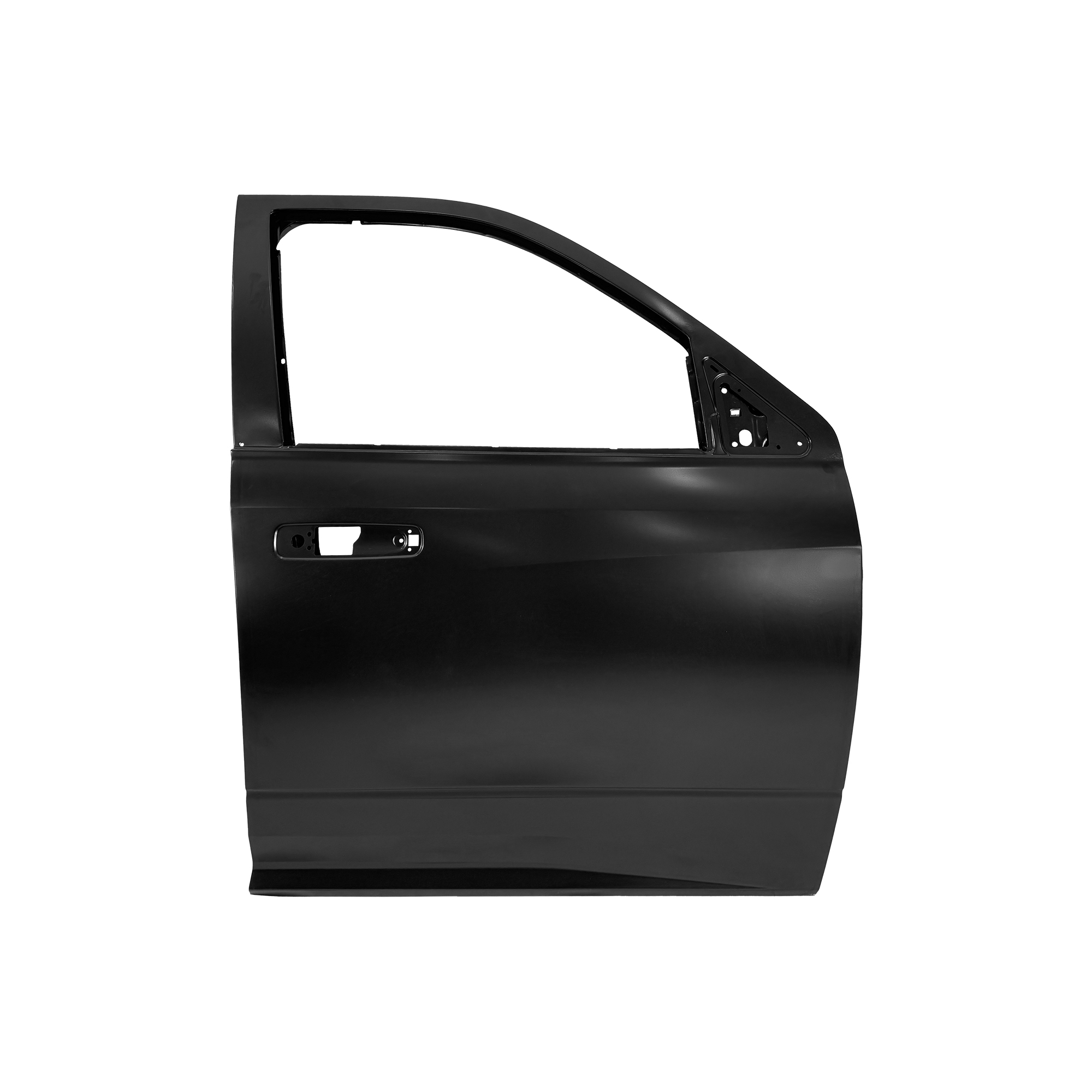 REPLACEMENT FRONT DOOR RH, 2013-2018, FOR DODGE RAM 1500, 68144728A, (STEEL)
-
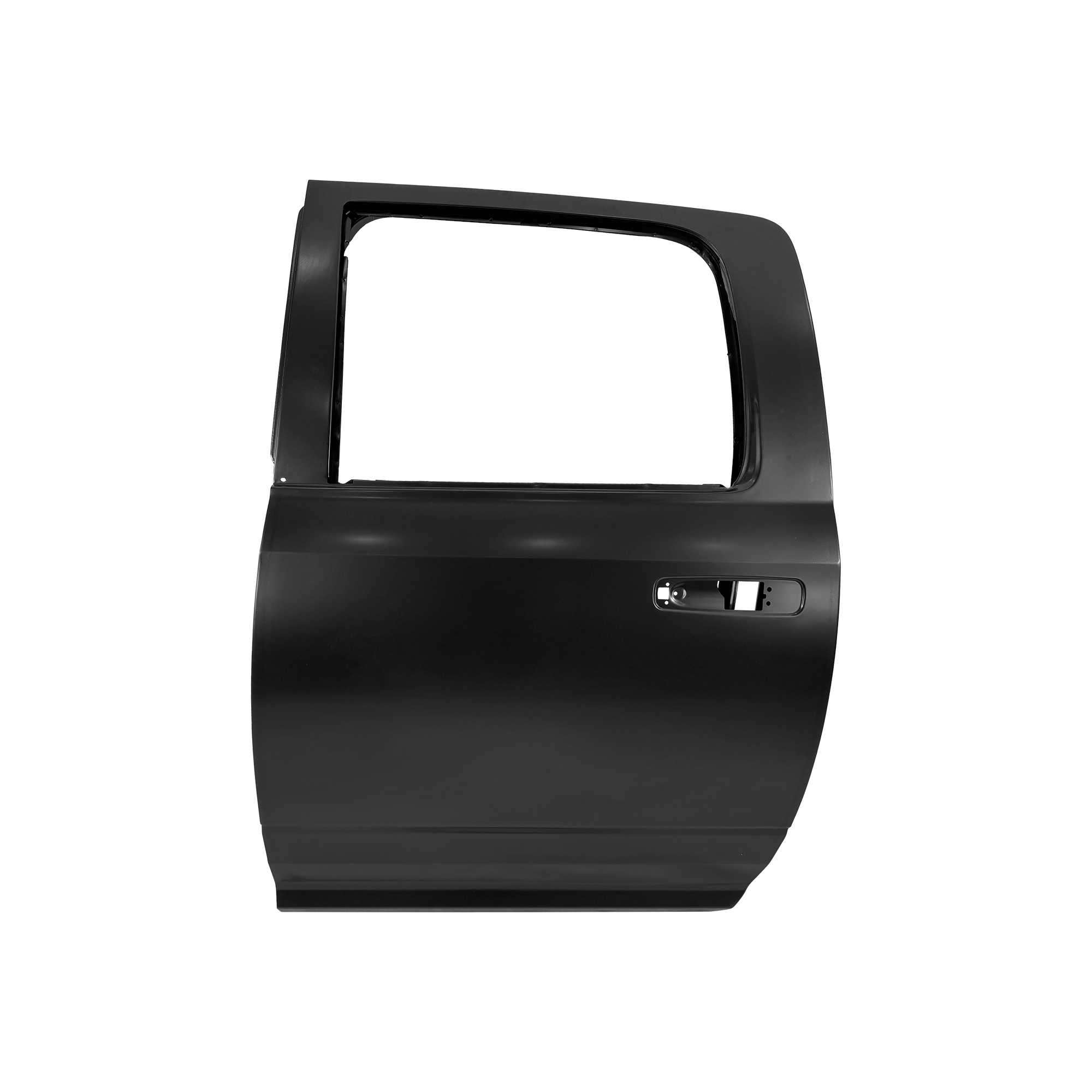 REPLACEMENT REAR DOOR LH, 2013-2018, FOR DODGE RAM 1500, 4589873A, (STEEL)
-
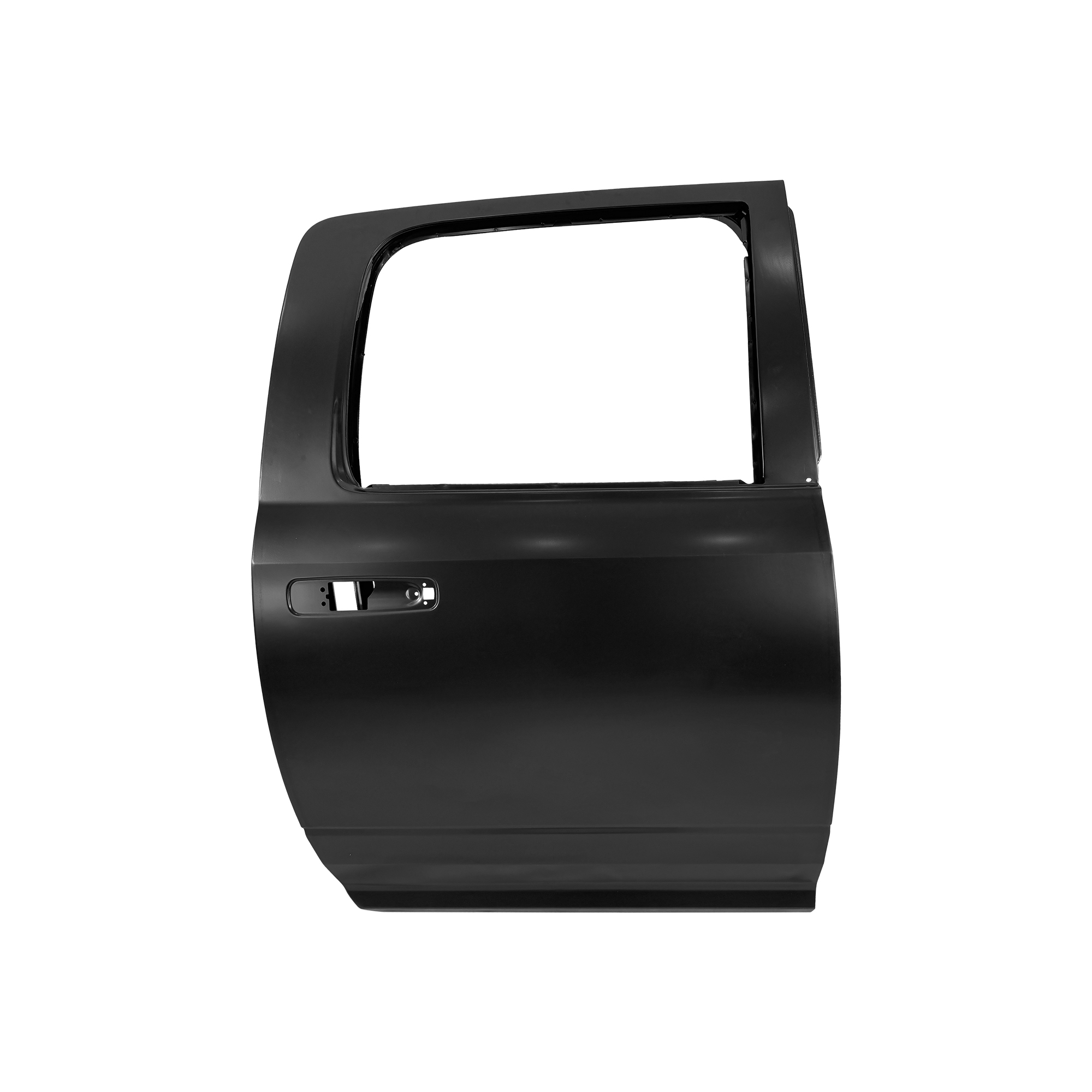 REPLACEMENT REAR DOOR RH, 2013-2018, FOR DODGE RAM 1500, 4589872A, (STEEL)
-
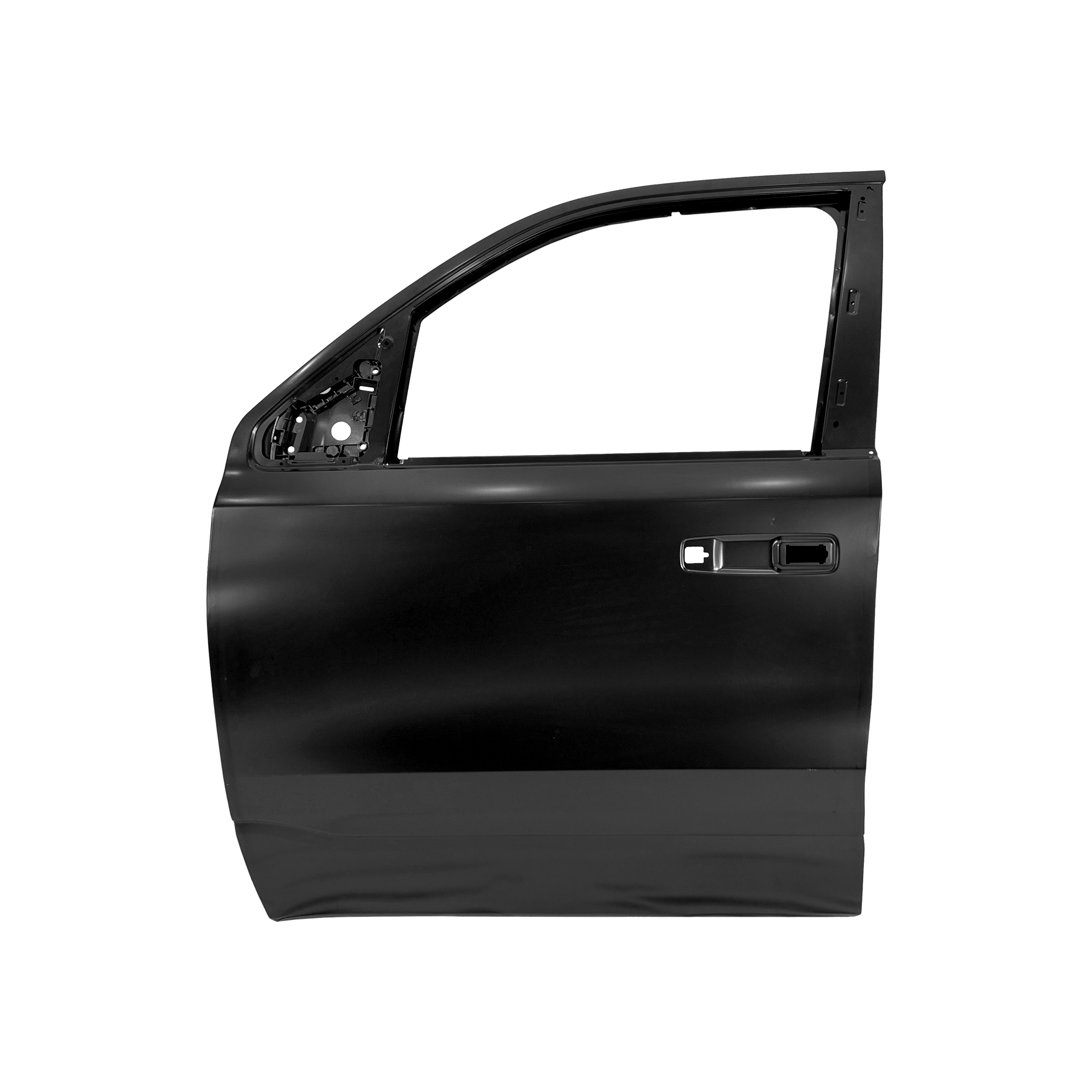 REPLACEMENT FRONT DOOR LH, 2019, FOR DODGE RAM 1500, 68292435AC, (STEEL)
-
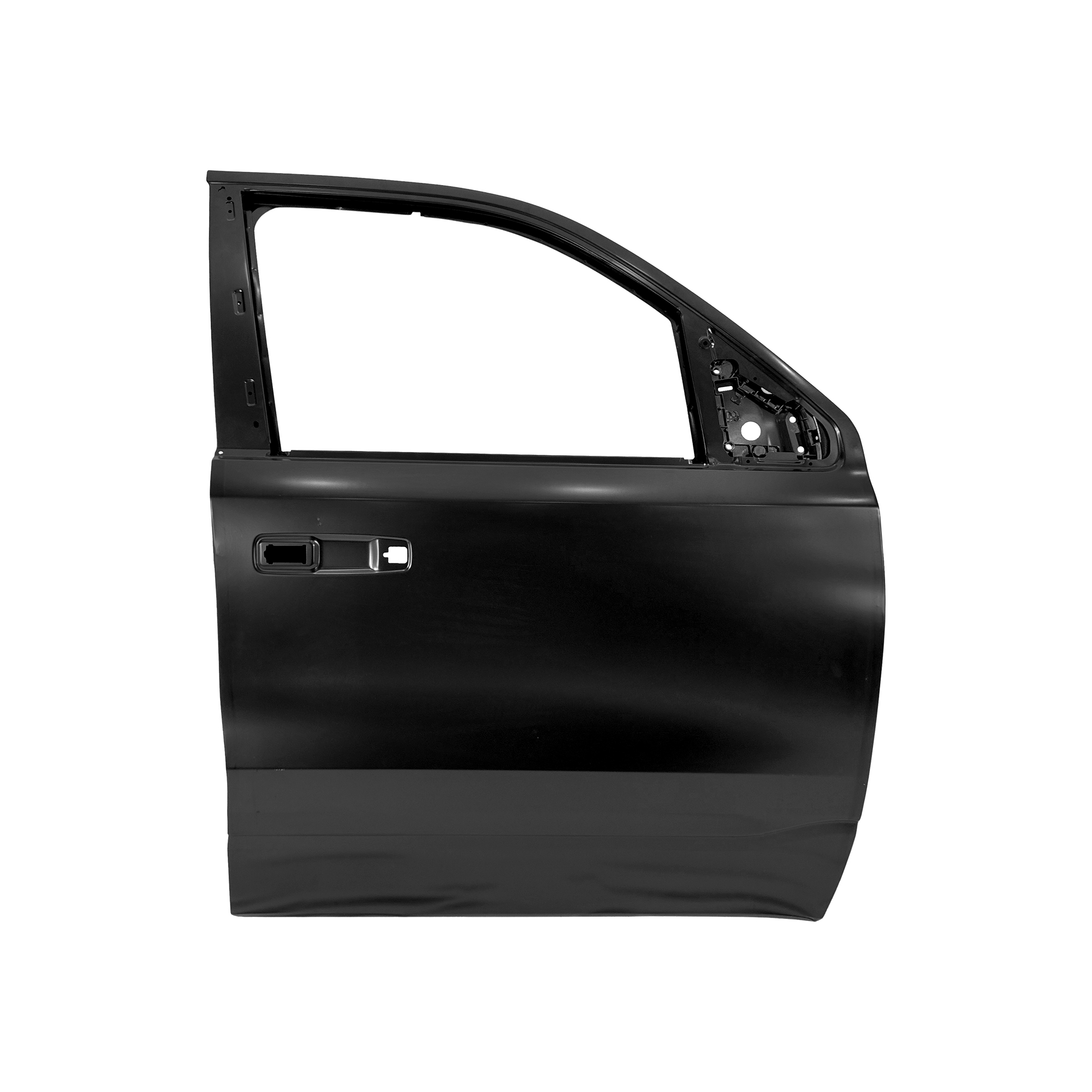 REPLACEMENT FRONT DOOR RH, 2019, FOR DODGE RAM 1500, 68292434AC, (STEEL)
Copyright @ Jiangsu Juncheng Vehicle Industry Co., Ltd. All Rights Reserved.
