
 English
 Español
 عربى
عربى русский
 中文简体
中文简体
What are the performance differences between carbon fiber, fiberglass, ABS plastic, and polyurethane (PU) in automotive body modification parts
In the automotive modification industry, the material used for body modification parts directly influences the modification's performance, durability, and overall appearance. Common materials for auto body modification include carbon fiber, fiberglass, ABS plastic, and polyurethane (PU). Each material has unique properties suited to different modification needs. This article delves into the performance differences between these four materials to help consumers make more informed decisions when selecting parts for their vehicles.
Carbon Fiber
Carbon fiber is a high-performance composite material widely used in automotive body modification parts. Its main advantages are its high strength and lightweight properties. Carbon fiber has a low density, significantly reducing the overall weight of modification parts, which in turn improves vehicle acceleration and handling. The material offers excellent rigidity and tensile strength, effectively resisting external impacts and maintaining the structural integrity of the body.
Advantages:
-
Lightweight: Carbon fiber is about five times lighter than steel, yet its strength is more than five times greater. This weight reduction enhances vehicle fuel efficiency and handling performance.
-
High Strength and Rigidity: Carbon fiber modification parts possess exceptional compressive strength and rigidity, allowing them to withstand aerodynamic forces and collision impacts at high speeds.
-
Corrosion Resistance: Carbon fiber is highly resistant to moisture and chemicals, making it suitable for use in various harsh environments.
Disadvantages:
-
High Cost: Due to the complex manufacturing process, carbon fiber is relatively expensive, making carbon fiber modification parts costlier.
-
Brittleness: Although carbon fiber is strong, it is prone to brittle fracture under extreme impact, especially during high-speed collisions.
Fiberglass
Fiberglass is one of the most commonly used materials for body modification parts, especially in the price-sensitive market. It is made from fine glass fibers woven together to form a composite material, offering a good balance between strength and cost. While fiberglass is not as strong or rigid as carbon fiber, it is more affordable and provides reasonable performance for most automotive applications.
Advantages:
-
Cost-Effective: Fiberglass is much cheaper than carbon fiber, making it an ideal choice for consumers with a more limited budget.
-
Good Molding Properties: Fiberglass is easy to mold, allowing manufacturers to produce complex shapes and precise parts for body modifications.
-
Corrosion Resistance: Fiberglass is resistant to water, chemicals, and UV rays, making it suitable for various environmental conditions.
Disadvantages:
-
Lower Strength and Rigidity: Compared to carbon fiber, fiberglass has lower tensile strength and rigidity, making it more susceptible to damage in high-impact situations.
-
Brittleness: Like carbon fiber, fiberglass is also prone to cracking or breaking under sudden impact or high stress, lacking the flexibility seen in some other materials.
ABS Plastic
ABS (Acrylonitrile Butadiene Styrene) plastic is a common thermoplastic used in automotive body parts, particularly in decorative elements and structural modifications. ABS is known for its high impact strength, resistance to heat, and excellent processability. While heavier than carbon fiber and fiberglass, ABS offers superior impact resistance and is easier to work with in terms of manufacturing.
Advantages:
-
Impact Resistance: ABS plastic has outstanding impact resistance, making it ideal for parts exposed to mechanical stress and wear.
-
Cost-Effective: ABS is cheaper than both carbon fiber and fiberglass, making it an excellent choice for consumers looking for durable yet affordable parts.
-
Ease of Manufacturing: ABS plastic can be processed via injection molding or blow molding, allowing for the production of parts with high dimensional accuracy and complex shapes.
Disadvantages:
-
Heavier: ABS plastic has a higher density compared to carbon fiber and fiberglass, which adds more weight to the vehicle and can affect performance.
-
Poor High-Temperature Resistance: ABS plastic is not suitable for high-temperature applications, as it may deform or melt when exposed to excessive heat.
Polyurethane (PU)
Polyurethane (PU) is an elastic material often used for softer modification parts, such as bumpers, body trim, and impact protection components. PU offers excellent flexibility, abrasion resistance, and the ability to absorb shock. It also has good UV and weather resistance, making it an ideal choice for exterior parts exposed to environmental elements.
Advantages:
-
Elasticity: PU is highly flexible and can absorb impacts, reducing the damage to the car body during collisions or contact with other objects.
-
Abrasion Resistance: PU is durable and resistant to wear, making it suitable for parts subject to friction and contact with external surfaces.
-
Manufacturing Flexibility: PU materials can be adjusted to different hardness levels, making them versatile for various types of auto body modification parts.
Disadvantages:
-
Relatively Heavy: While PU has excellent flexibility, it is denser than some other materials, increasing the overall weight of the vehicle.
-
Environmental Sensitivity: PU can degrade when exposed to extreme temperatures over time, leading to aging or cracking, particularly when exposed to high heat or prolonged sunlight.
-
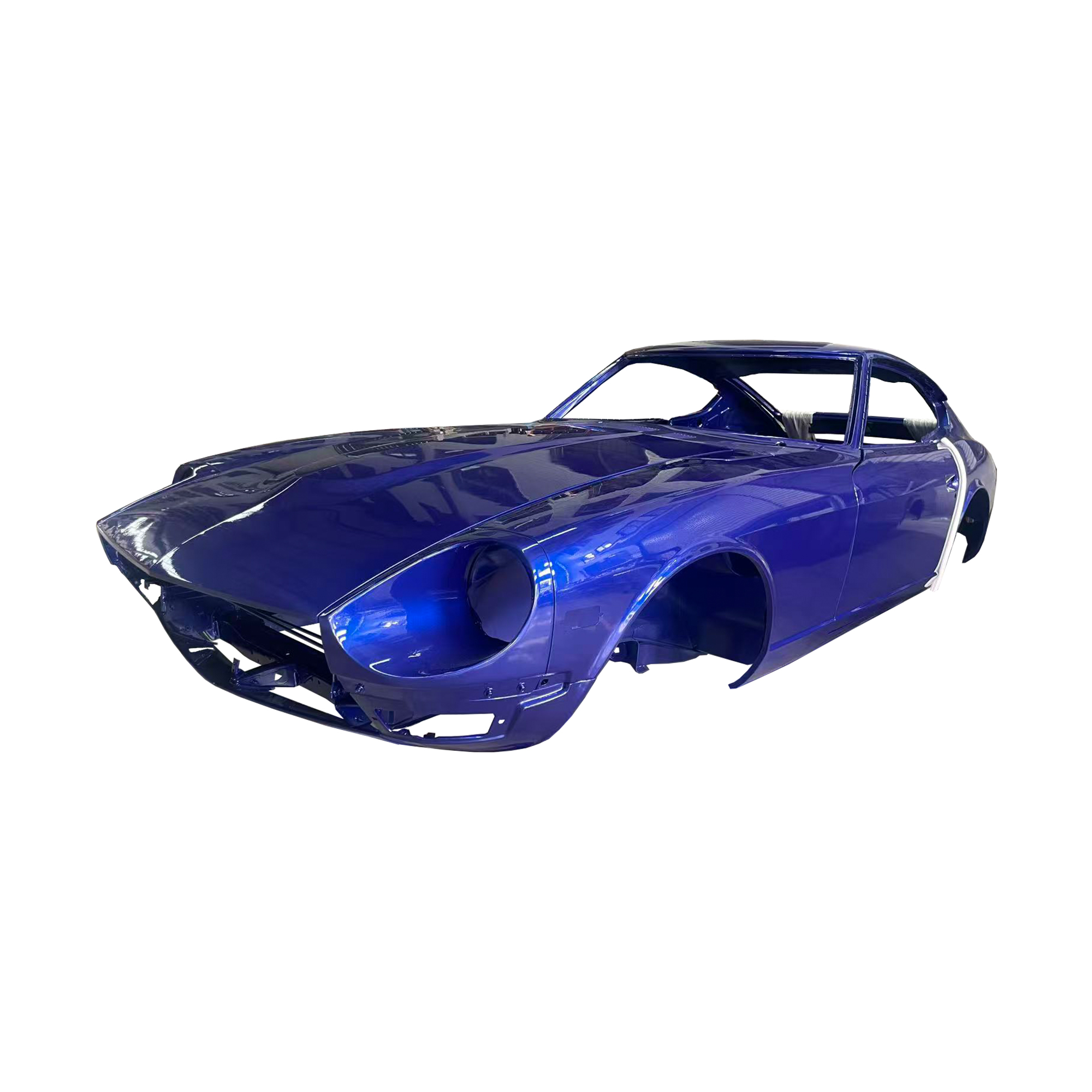 REPLACEMENT COMPLETE CAR BODY ASSEMBLY, 1969-1973, FOR NISSAN DATSUN 240Z
-
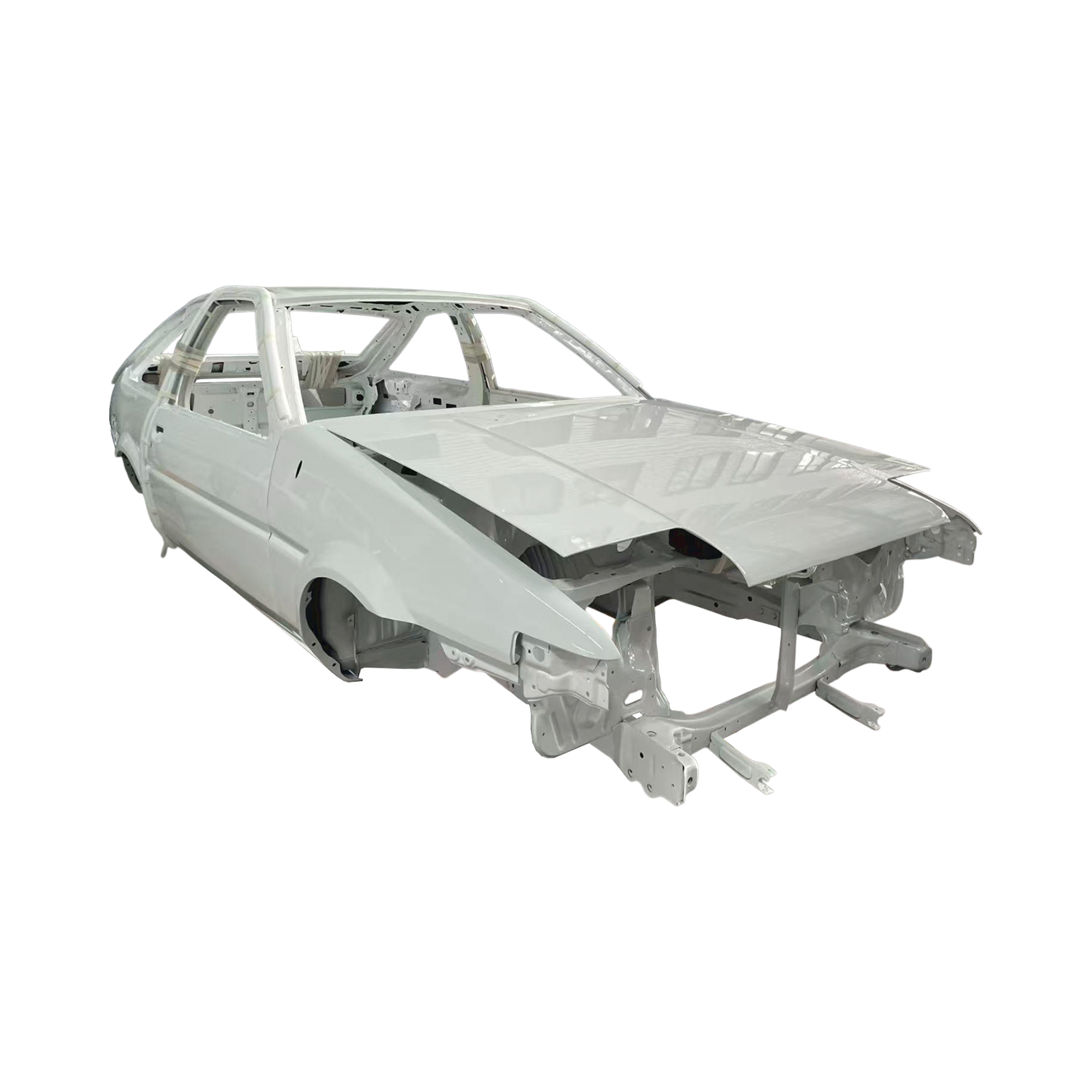 REPLACEMENT COMPLETE CAR BODY ASSEMBLY, 1983-1987, FOR TOYOTA AE86
-
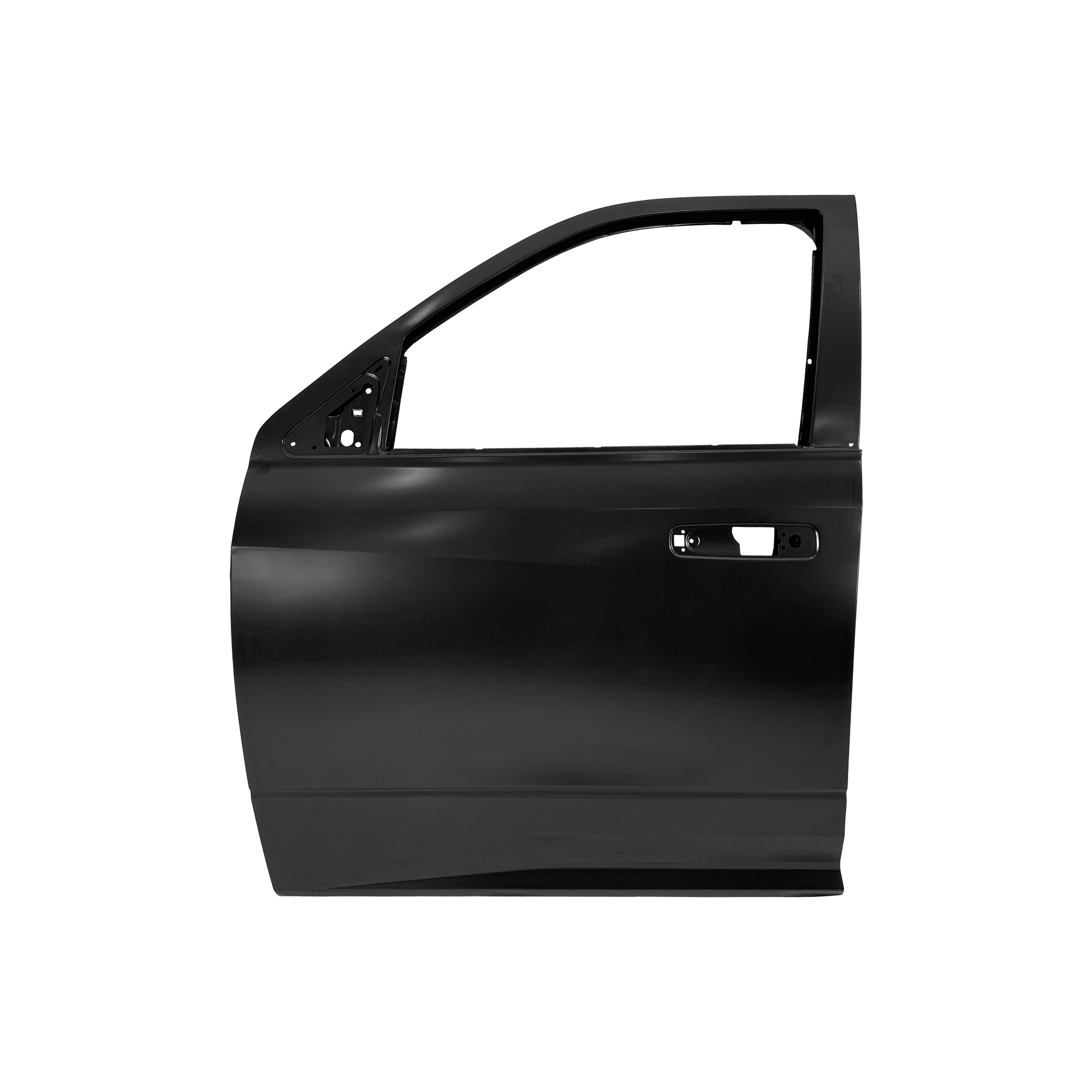 REPLACEMENT FRONT DOOR LH, 2013-2018, FOR DODGE RAM 1500, 68144729A, (STEEL)
-
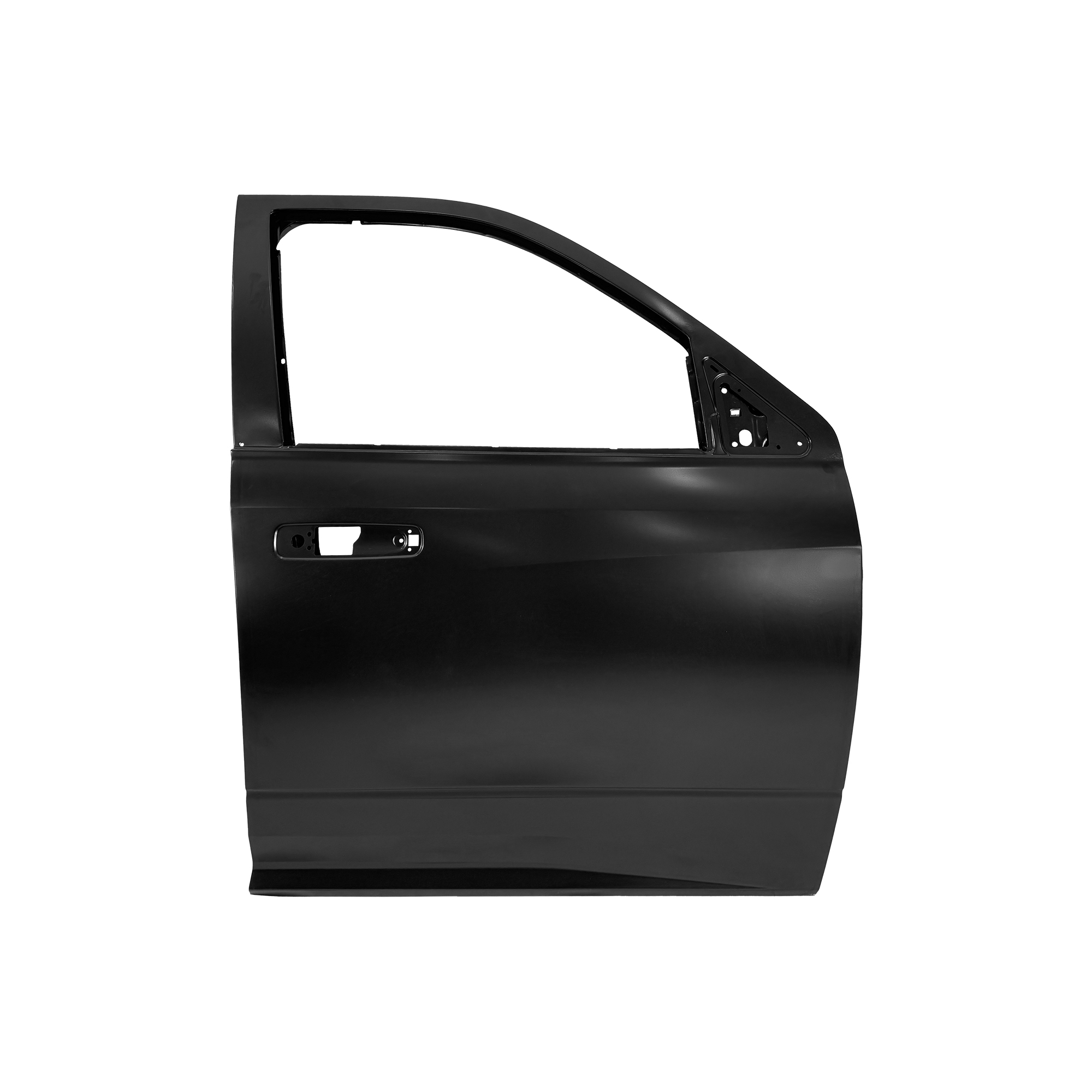 REPLACEMENT FRONT DOOR RH, 2013-2018, FOR DODGE RAM 1500, 68144728A, (STEEL)
-
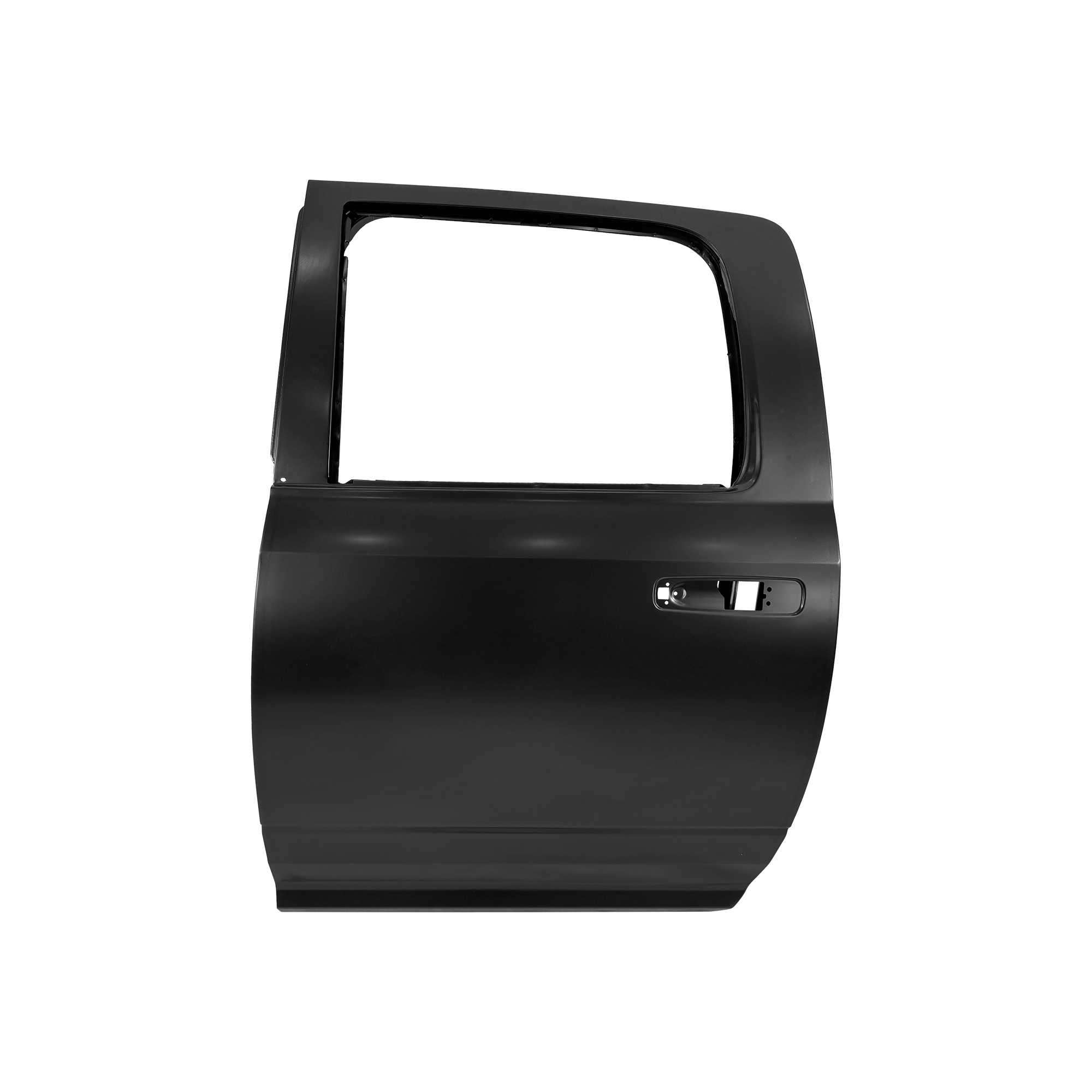 REPLACEMENT REAR DOOR LH, 2013-2018, FOR DODGE RAM 1500, 4589873A, (STEEL)
-
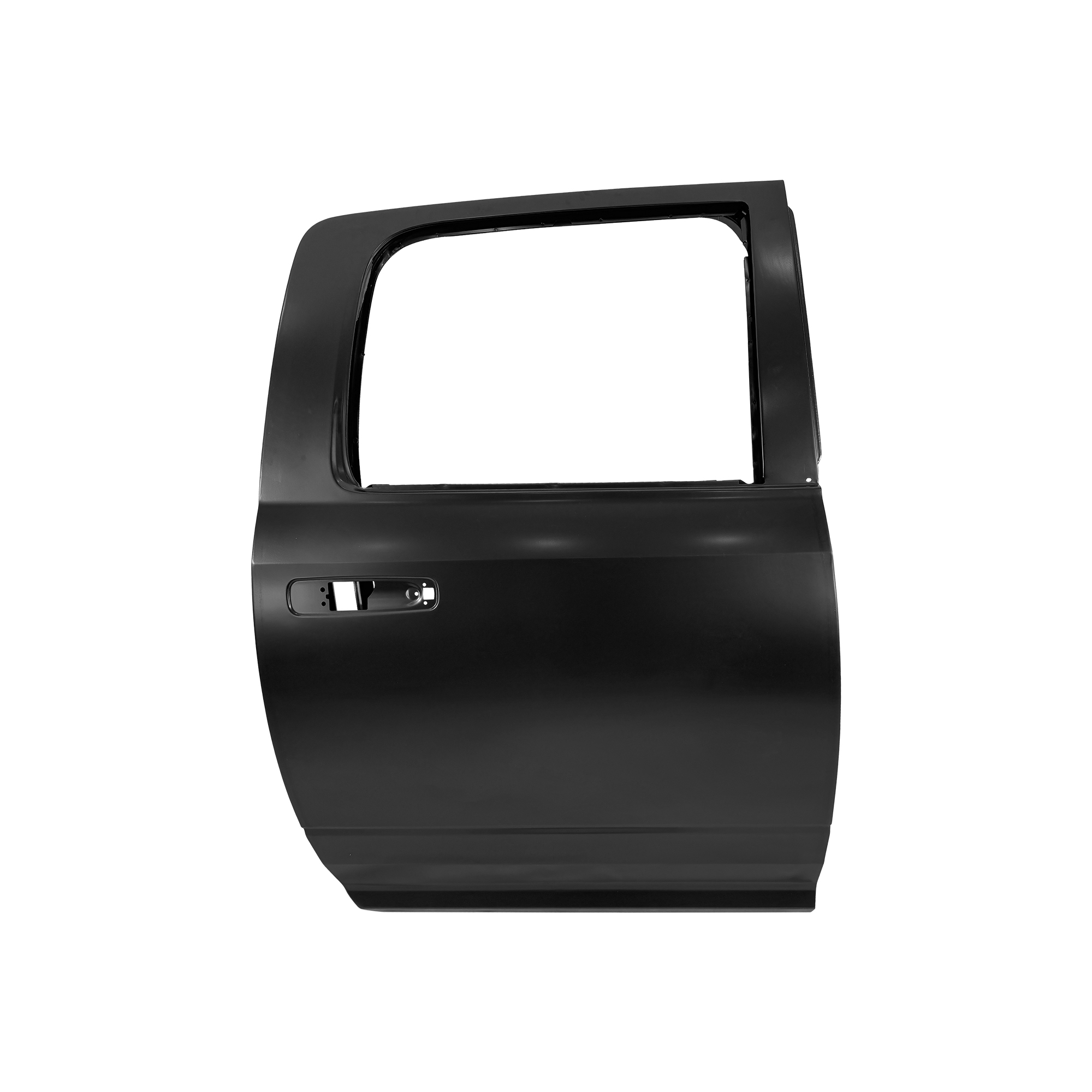 REPLACEMENT REAR DOOR RH, 2013-2018, FOR DODGE RAM 1500, 4589872A, (STEEL)
-
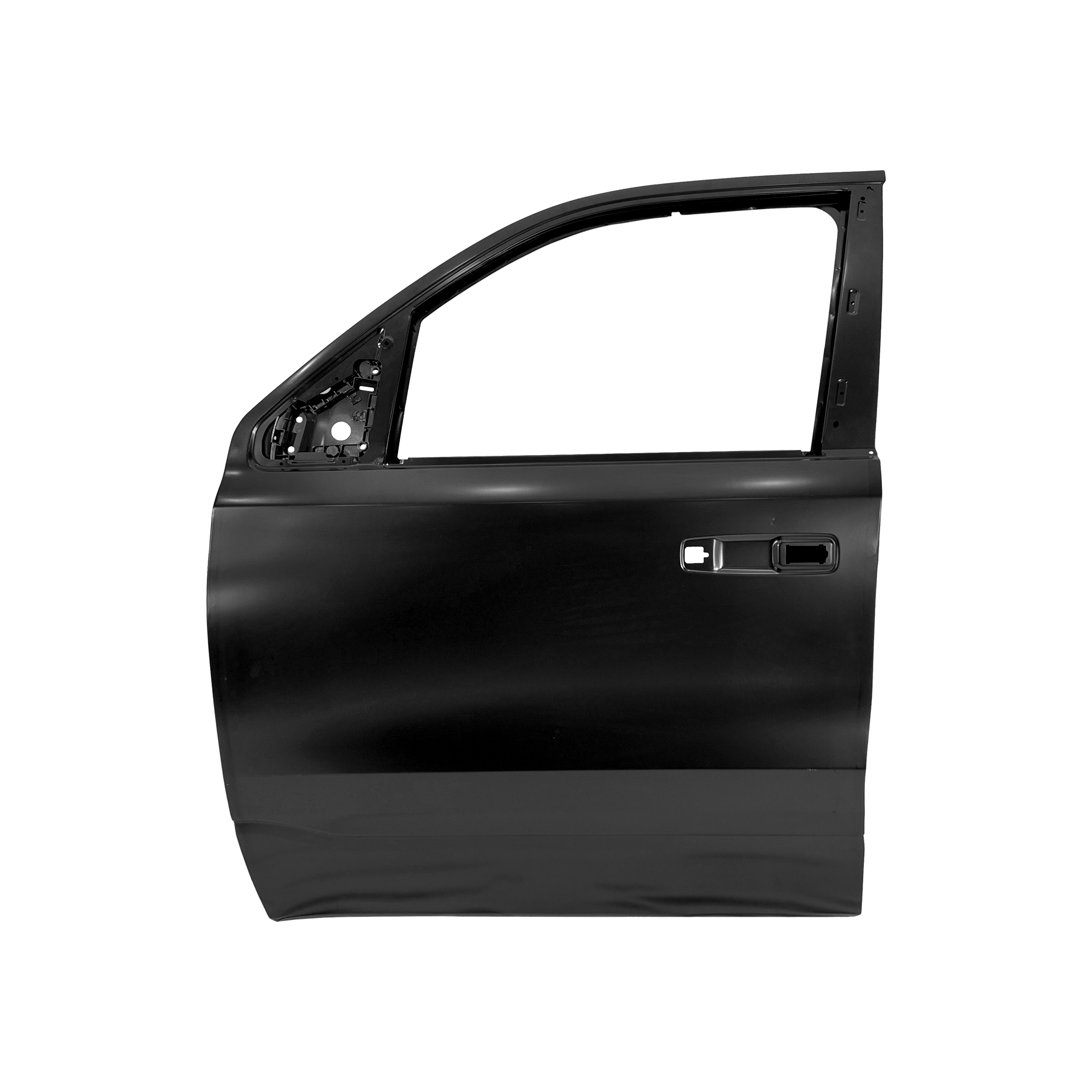 REPLACEMENT FRONT DOOR LH, 2019, FOR DODGE RAM 1500, 68292435AC, (STEEL)
-
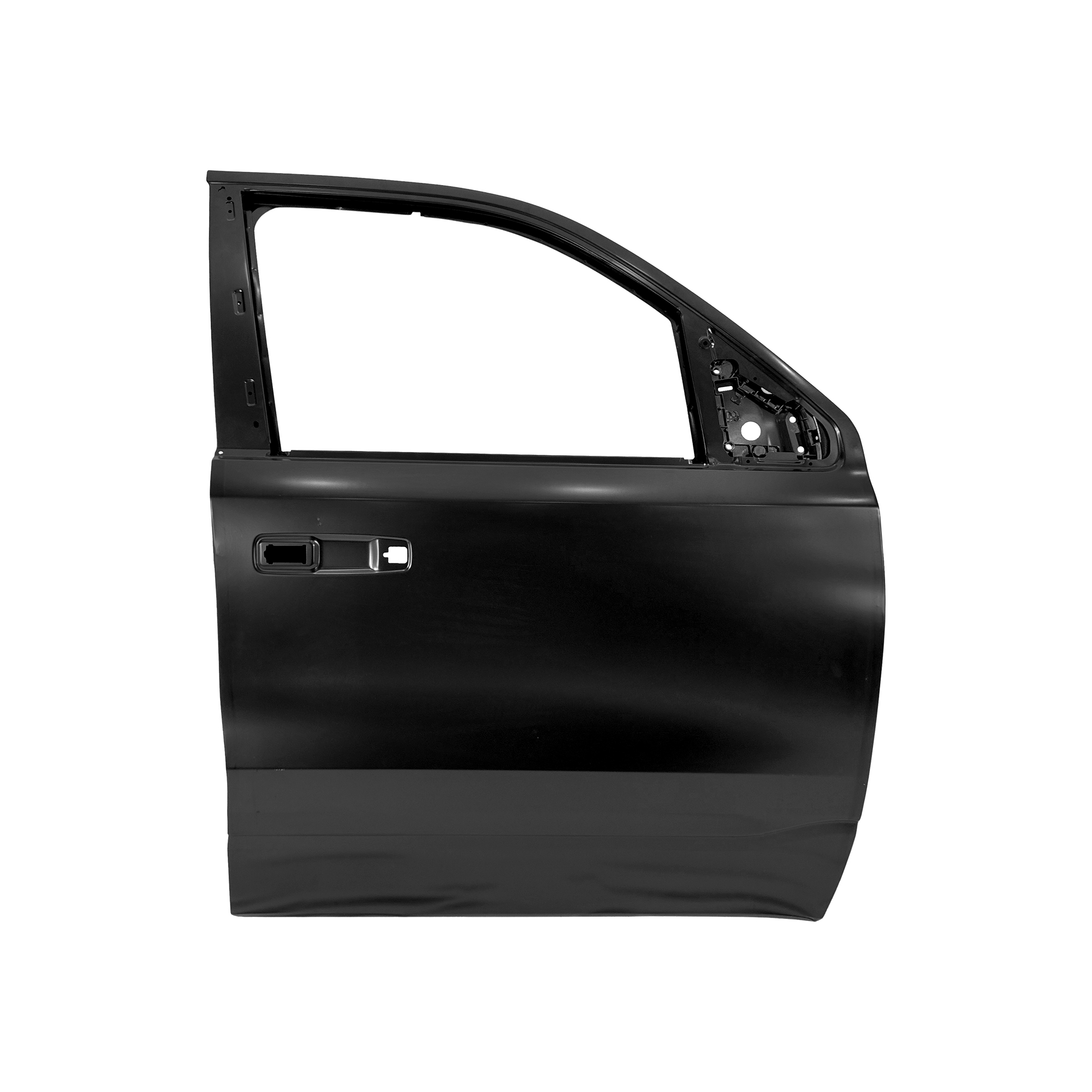 REPLACEMENT FRONT DOOR RH, 2019, FOR DODGE RAM 1500, 68292434AC, (STEEL)
Copyright @ Jiangsu Juncheng Vehicle Industry Co., Ltd. All Rights Reserved.
