
 English
 Español
 عربى
عربى русский
 中文简体
中文简体
What are the main differences in regulatory requirements for auto body replacement parts across different global markets
Auto Body Replacement Parts are subject to different regulatory frameworks across global markets. North America, Europe, and Asia have developed distinct legal and compliance systems based on vehicle safety priorities, environmental policies, insurance practices, and consumer protection requirements. Understanding these regulatory differences is essential for manufacturers and suppliers operating in international aftermarket channels.
Regulatory Characteristics of the North American Market
The North American market is primarily governed by federal guidelines supported by state or provincial regulations. The United States and Canada focus on consumer protection, functional equivalency, and market transparency.
In the United States, federal law does not mandate that Auto Body Replacement Parts meet OEM certification standards. Regulatory oversight emphasizes that aftermarket parts must not compromise vehicle safety or functionality. Several states enforce requirements related to exterior appearance, fitment quality, and disclosure obligations when non-OEM parts are used.
Insurance-driven standards play a significant role in regulatory enforcement. Many insurers require replacement parts to demonstrate verified quality performance. Certification programs such as CAPA (Certified Automotive Parts Association) are widely recognized and often used as benchmarks for dimensional accuracy, material thickness, corrosion resistance, and fit consistency.
Canadian regulations share structural similarities with U.S. frameworks. Additional attention is given to environmental compliance, including coating materials, chemical usage, and emissions control during manufacturing processes. These requirements influence production methods and material selection for Auto Body Replacement Parts supplied to Canadian markets.
European Regulatory Framework for Auto Body Replacement Parts
The European market operates under a highly structured and mandatory regulatory system. Auto Body Replacement Parts fall within broader vehicle safety and type approval regulations established by the European Union.
Structural replacement components must comply with UNECE safety regulations to ensure that crash performance and occupant protection remain consistent with original vehicle design. Exterior body panels are subject to pedestrian protection regulations that control geometry, deformation behavior, and surface characteristics.
European regulations also address intellectual property and design protection. Aftermarket replacement parts are prohibited from reproducing OEM trademarks or protected design elements. Clear labeling requirements ensure that consumers are informed when non-original parts are installed.
Third-party certification holds substantial authority in Europe. Organizations such as TÜV and Thatcham conduct independent evaluations covering material traceability, durability testing, corrosion resistance, and dimensional accuracy. Lack of recognized certification significantly limits market access for Auto Body Replacement Parts.
Regulatory Diversity in Asian Markets
Asian regulatory environments display considerable variation across countries. Differences in economic development, automotive industry maturity, and enforcement mechanisms result in diverse compliance requirements.
Japan maintains stringent quality and safety standards under its Road Transport Vehicle Act. Auto Body Replacement Parts must demonstrate reliable fitment, long-term durability, and compatibility with vehicle safety systems. Insurance providers impose strict conditions on part acceptance, often limiting the use of unverified aftermarket components.
South Korea applies a hybrid regulatory approach influenced by European and North American models. Government agencies enforce safety and environmental performance standards while promoting domestic certification systems. Noise, vibration, and material compliance are integral to regulatory approval.
China has strengthened oversight of Auto Body Replacement Parts through enhanced quality supervision, traceability requirements, and consumer protection measures. Certain regions mandate supplier registration and product documentation for repair parts. Environmental regulations restrict coating processes and material content, affecting production cost structures.
Southeast Asian markets historically maintained flexible regulatory conditions. Recent developments show increased adoption of international safety and environmental standards. Imported body replacement parts face growing scrutiny related to compliance verification and certification.
Differences in Safety Performance Requirements
North American regulations emphasize functional equivalency, ensuring that replacement parts do not negatively impact vehicle safety systems. European authorities require direct compliance with defined safety performance standards. Asian markets implement safety requirements at varying levels depending on national policy objectives and enforcement capacity.
These differences require Auto Body Replacement Parts suppliers to adopt market-specific engineering and validation strategies.
Environmental and Material Compliance Across Regions
Europe enforces the most comprehensive environmental regulations, focusing on hazardous substance restrictions, recyclability, and production emissions. North American environmental compliance varies by jurisdiction. Asian markets are rapidly expanding environmental oversight, with several countries aligning regulations closer to European benchmarks.
Material selection and surface treatment processes increasingly determine regulatory acceptance in global markets.
Impact of Regulatory Differences on Global Supply Chains
Regional regulatory variations influence tooling design, material sourcing, testing protocols, and certification investment. Suppliers serving multiple markets often develop differentiated product lines to meet specific compliance requirements.
Companies with strong regulatory knowledge and compliance infrastructure gain strategic advantages in international Auto Body Replacement Parts distribution.
-
 REPLACEMENT COMPLETE CAR BODY ASSEMBLY, 1969-1973, FOR NISSAN DATSUN 240Z
-
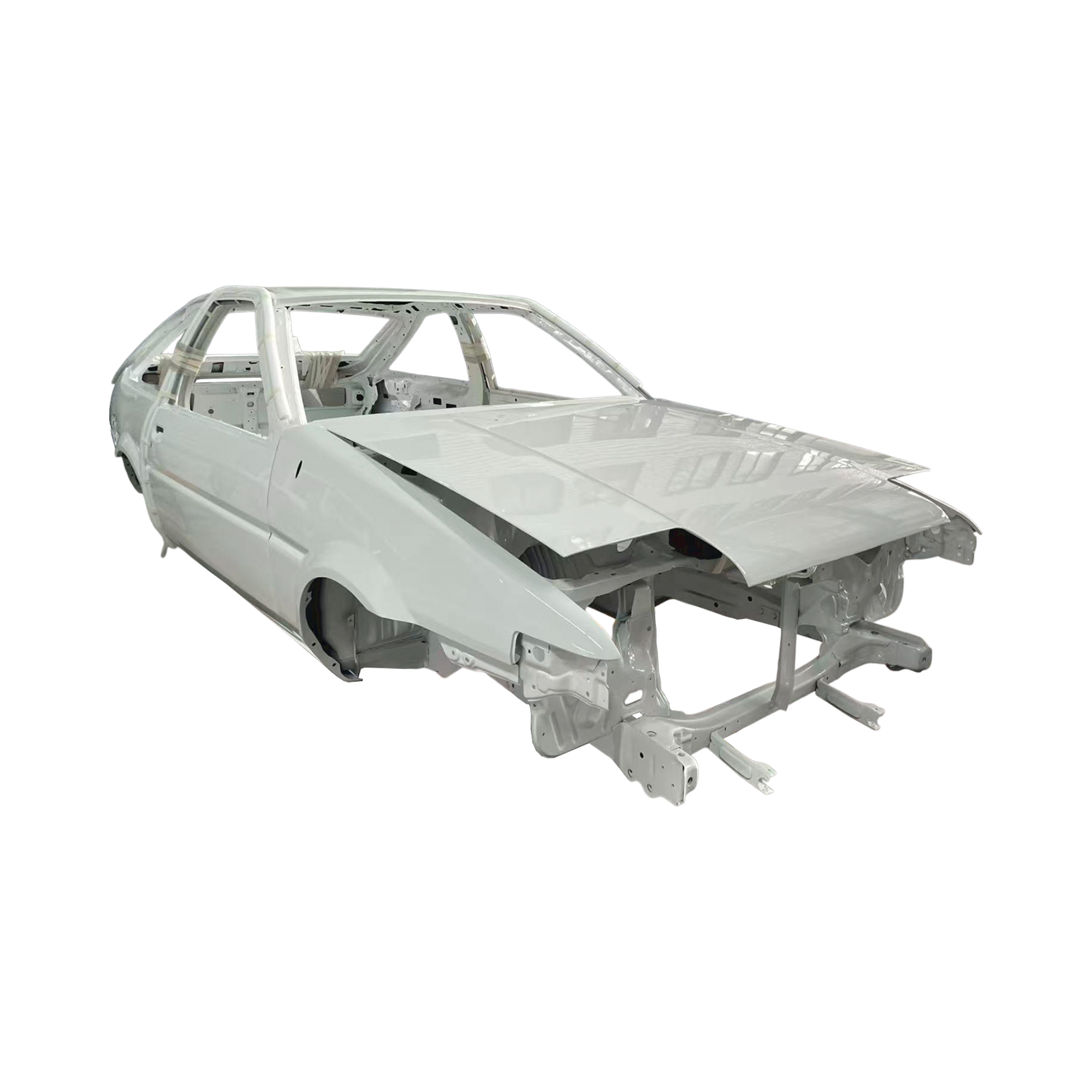 REPLACEMENT COMPLETE CAR BODY ASSEMBLY, 1983-1987, FOR TOYOTA AE86
-
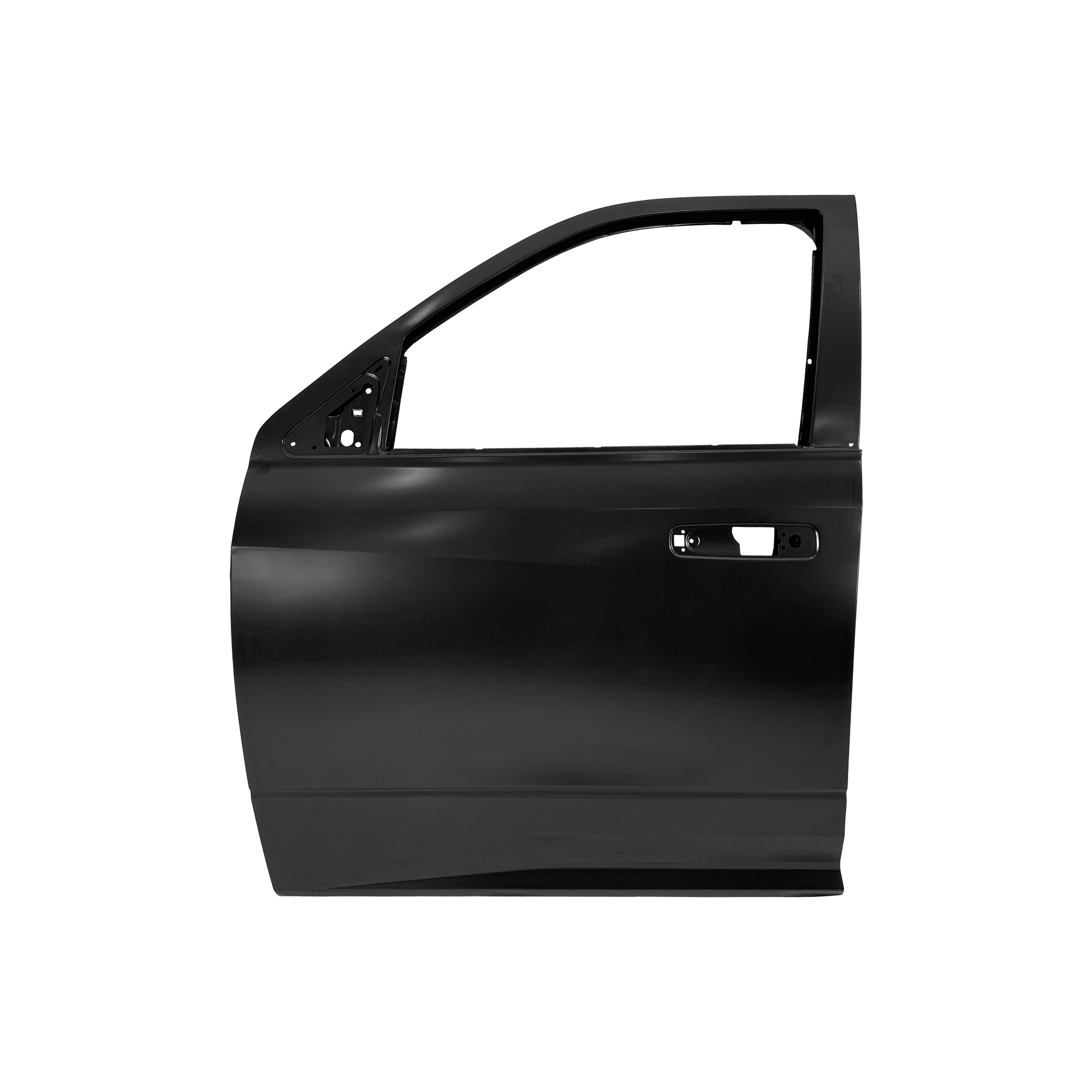 REPLACEMENT FRONT DOOR LH, 2013-2018, FOR DODGE RAM 1500, 68144729A, (STEEL)
-
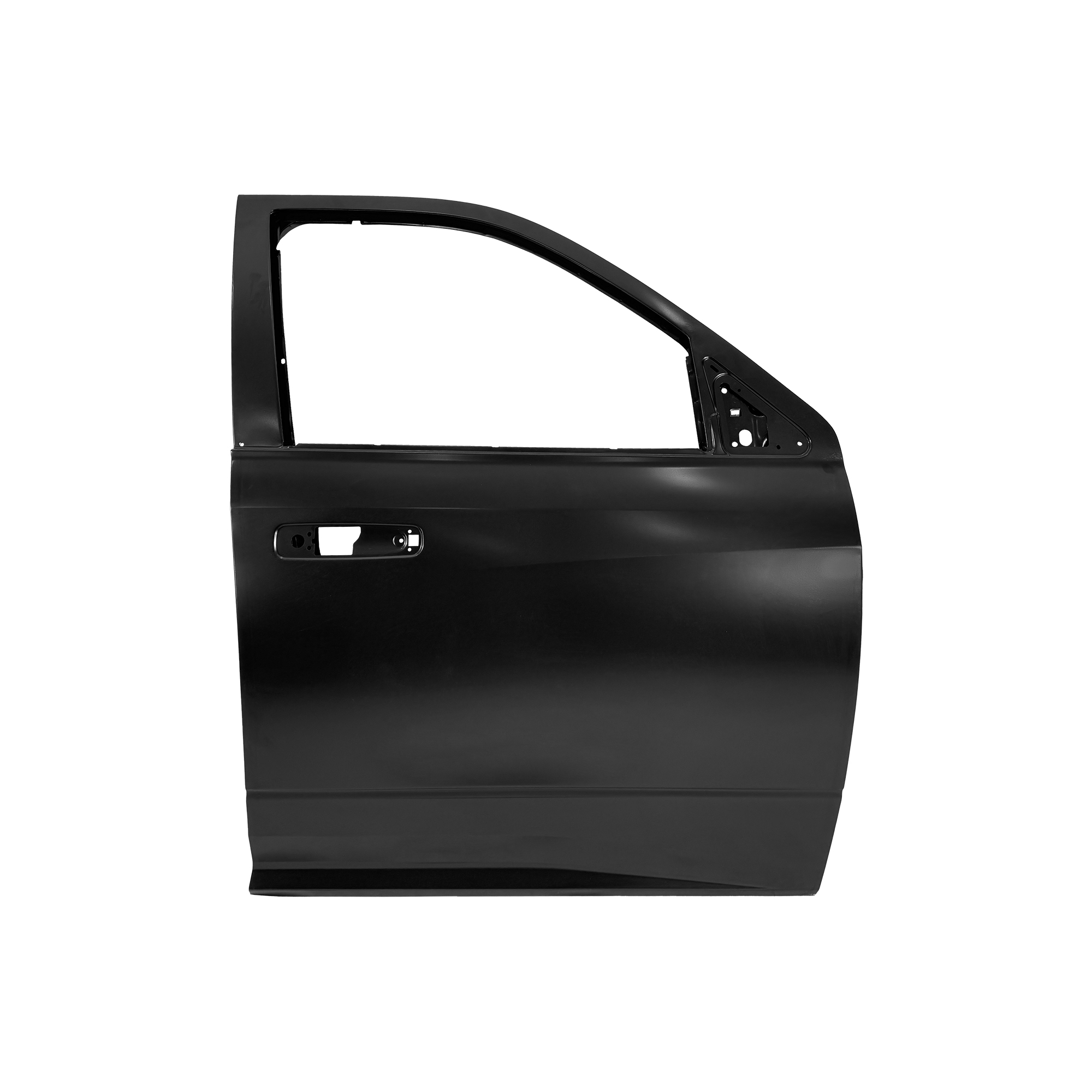 REPLACEMENT FRONT DOOR RH, 2013-2018, FOR DODGE RAM 1500, 68144728A, (STEEL)
-
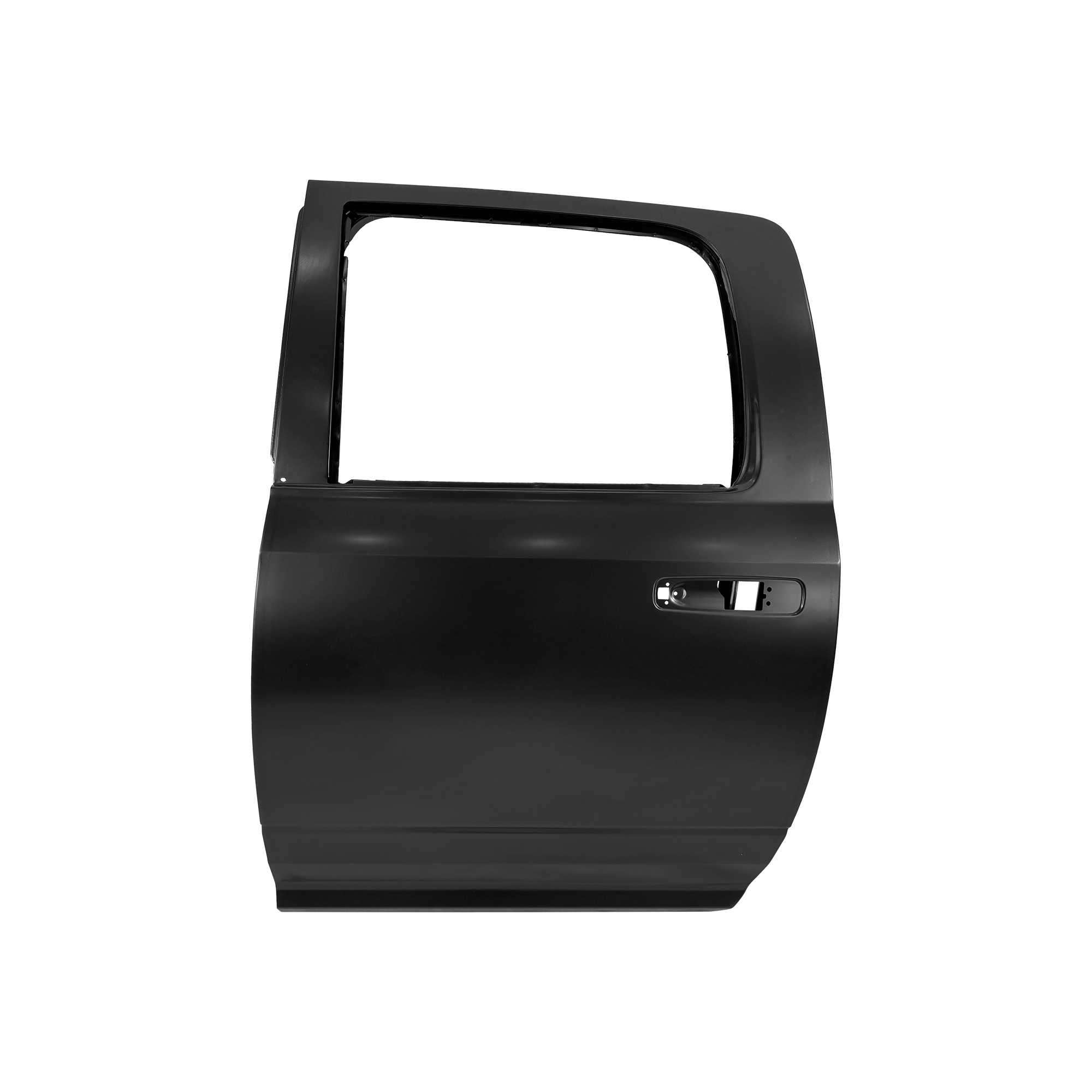 REPLACEMENT REAR DOOR LH, 2013-2018, FOR DODGE RAM 1500, 4589873A, (STEEL)
-
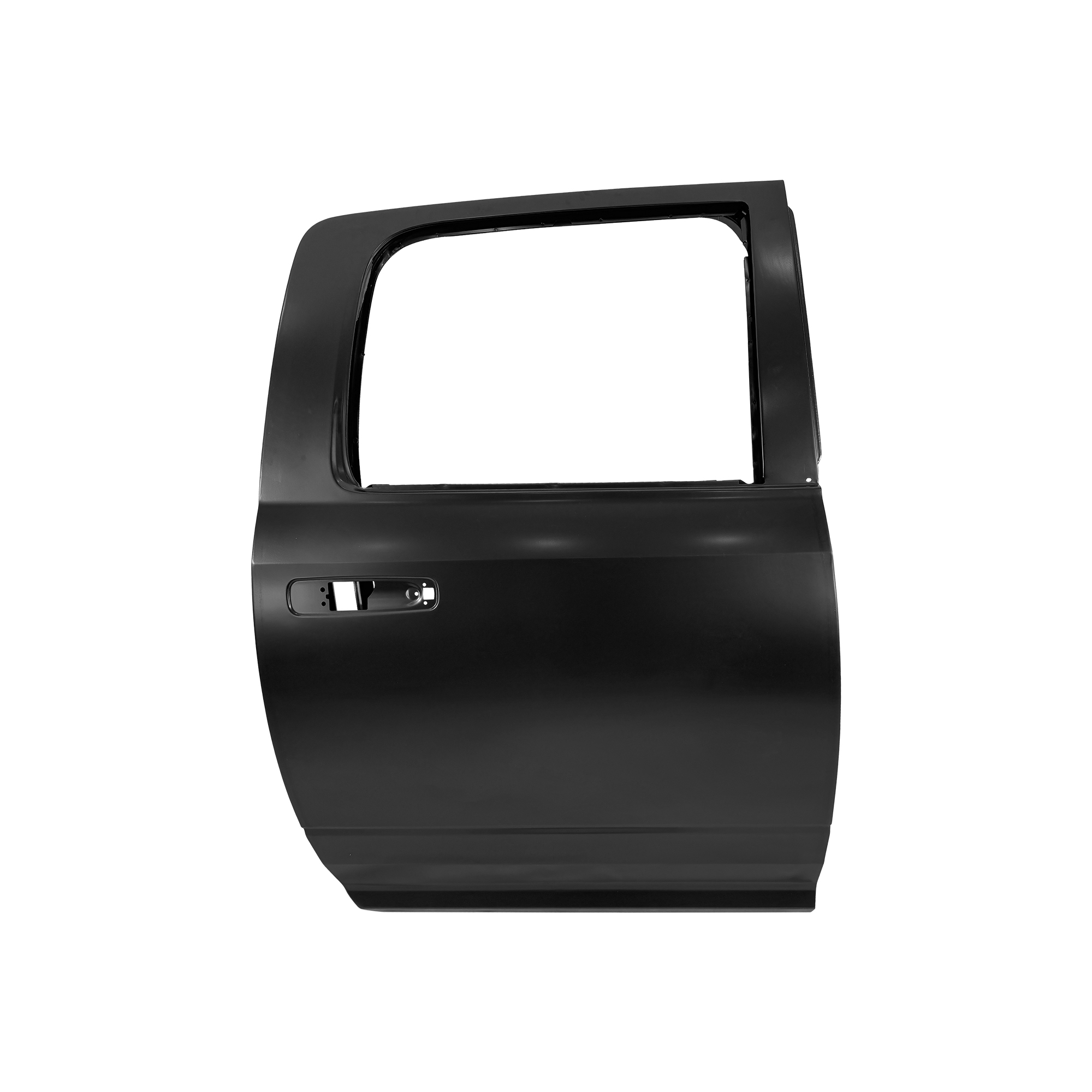 REPLACEMENT REAR DOOR RH, 2013-2018, FOR DODGE RAM 1500, 4589872A, (STEEL)
-
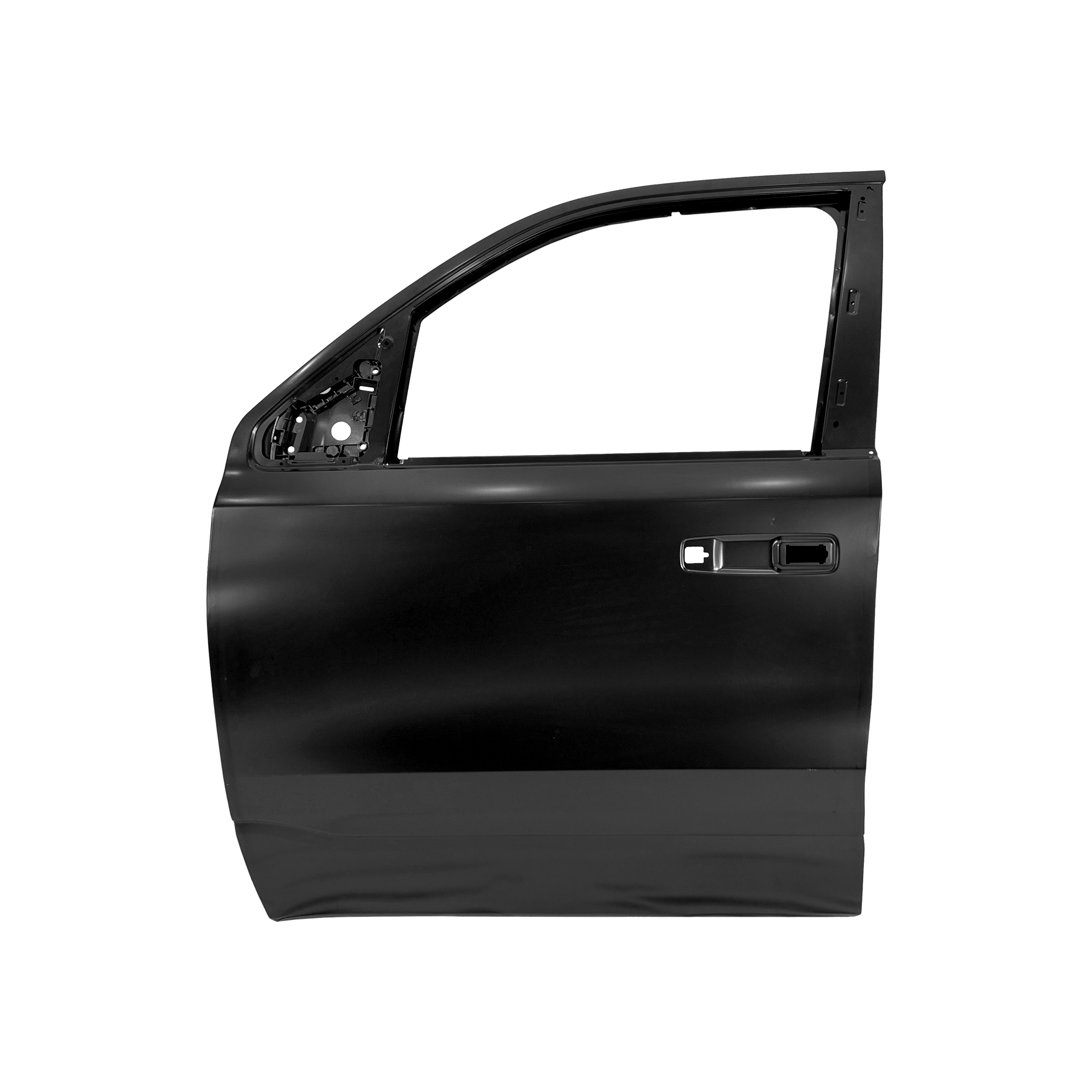 REPLACEMENT FRONT DOOR LH, 2019, FOR DODGE RAM 1500, 68292435AC, (STEEL)
-
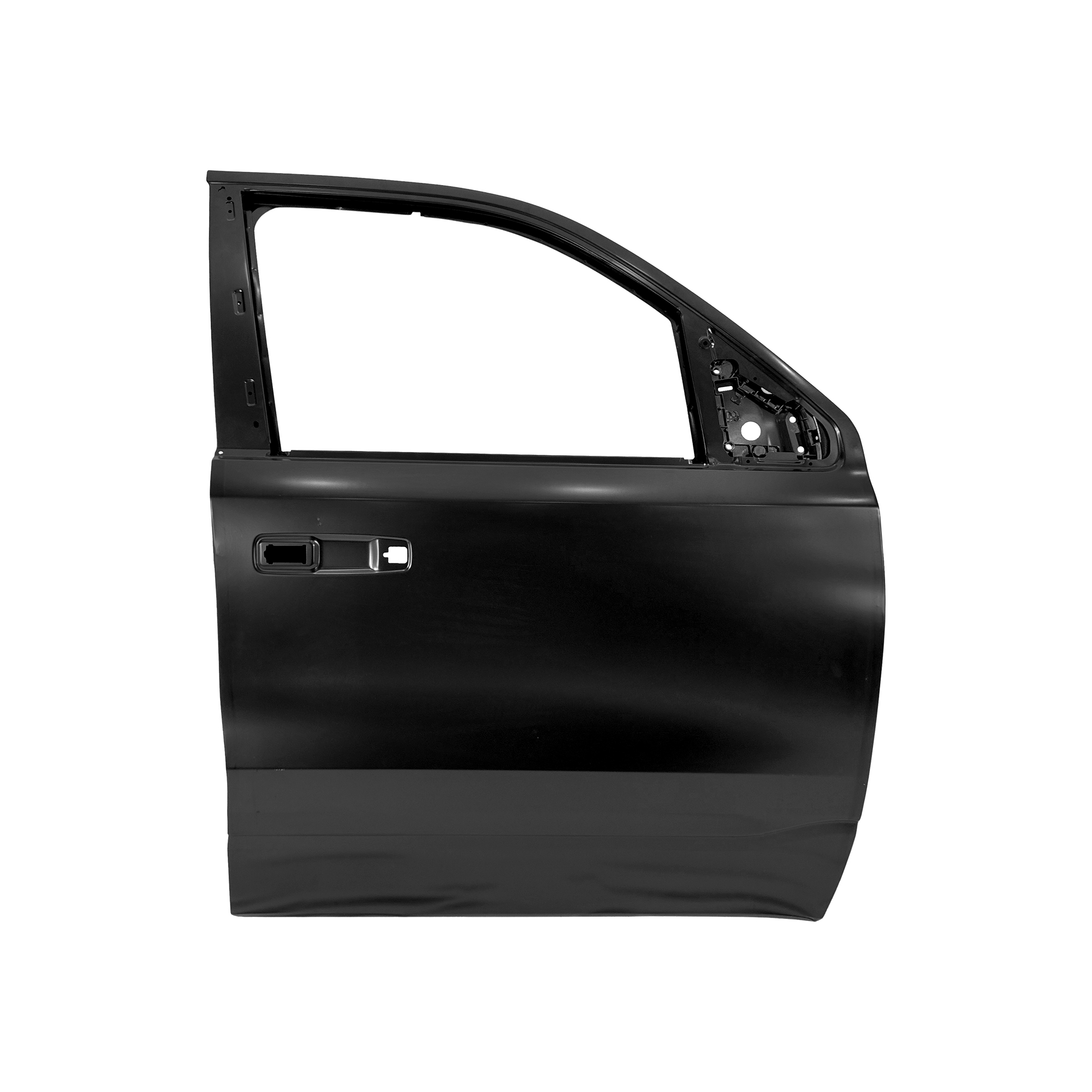 REPLACEMENT FRONT DOOR RH, 2019, FOR DODGE RAM 1500, 68292434AC, (STEEL)
Copyright @ Jiangsu Juncheng Vehicle Industry Co., Ltd. All Rights Reserved.
