
 English
 Español
 عربى
عربى русский
 中文简体
中文简体
What are the differences in regulations and certification requirements for vehicle body modification parts across different countries and regions
In the global automotive aftermarket industry, auto body modification parts are subject to very different regulatory frameworks depending on the country or region. These regulations directly affect product design, material selection, testing requirements, market access, and legal compliance. Understanding these differences is essential for manufacturers, distributors, and buyers involved in international markets. The following analysis explains the major regulatory and certification differences for auto body modification parts from a professional and industry-focused perspective.
European Union (EU): Type Approval and E-Mark Certification
The European Union applies a highly structured and unified regulatory system for vehicles and automotive components. Auto body modification parts sold within the EU must comply with the EU Whole Vehicle Type Approval (WVTA) framework, governed by Regulation (EU) 2018/858 and related technical regulations. Many exterior body components require E-Mark certification, indicating that the product has passed testing by an authorized technical service and meets EU safety, environmental, and performance standards.
E-Mark certification focuses on pedestrian protection, vehicle dimensions, lighting visibility, sharp edge control, aerodynamic safety, and material durability. Once approved, the certified part can be legally sold and installed across all EU member states without additional national approval. Products lacking E-Mark certification face import restrictions, sales bans, and liability risks. The EU system emphasizes pre-market testing, documentation, traceability, and consistent enforcement.
United States: Federal Standards and State-Level Enforcement
The United States does not operate a centralized type approval system for auto body modification parts. At the federal level, regulation is managed by the National Highway Traffic Safety Administration (NHTSA) through the Federal Motor Vehicle Safety Standards (FMVSS). These standards define minimum safety requirements for vehicles and components, including impact performance, lighting, crashworthiness, and occupant protection.
Unlike the EU, the U.S. follows a self-certification model. Manufacturers are responsible for ensuring compliance with FMVSS without prior government approval. NHTSA enforces compliance through audits, investigations, recalls, and penalties after products enter the market. Auto body modification parts that alter original safety systems may expose manufacturers or installers to legal liability.
State regulations vary significantly. Some states enforce strict vehicle inspections related to ride height, bumper position, lighting, and fender coverage. Other states impose minimal oversight. Emissions-related body modifications are tightly regulated in states such as California. This decentralized system creates compliance complexity for nationwide distribution.
Japan: Vehicle Inspection and Structural Compliance
Japan allows vehicle modifications within a clearly defined technical framework enforced through the Shaken vehicle inspection system. Any modification affecting body dimensions, weight distribution, suspension geometry, or structural integrity must comply with Japanese Road Transport Vehicle Law requirements.
Auto body modification parts such as wide body kits, aerodynamic components, and bumper replacements are permitted only if the modified vehicle remains within approved dimensional limits or is re-certified. Structural strength documentation and installation accuracy are critical factors during inspection. Excessively aggressive exterior modifications may fail inspection due to pedestrian safety or visibility concerns.
Industry standards such as JASMA apply to certain components, particularly exhaust and noise-related parts, influencing overall modification legality. The Japanese system prioritizes vehicle-level compliance rather than individual component certification.
Mainland China: Gradual Legalization and Regulatory Clarification
China has historically maintained strict restrictions on vehicle modification. Regulatory attitudes have shifted toward controlled legalization and standardization. Current policies allow limited exterior body modifications provided that vehicle length, width, and safety characteristics remain unchanged.
Auto body modification parts such as body kits, spoilers, and trims are increasingly accepted if they meet technical safety requirements and do not interfere with sensors, lighting systems, or structural components. Modified vehicles must pass annual inspections and may require registration updates depending on the modification scope.
China places growing emphasis on product quality, manufacturing consistency, and aftermarket industry regulation. Certification systems and technical guidelines are expanding to support legal compliance and market order.
United Kingdom: Independent Approval After Brexit
Following Brexit, the United Kingdom established its own regulatory framework independent of EU oversight. Auto body modification parts must comply with UK vehicle construction and use regulations. While many technical standards remain aligned with EU requirements, certification labeling and approval authorities differ.
Vehicle inspections such as the MOT test assess roadworthiness after modifications. Body parts that compromise safety, pedestrian protection, or lighting visibility may result in inspection failure. Importers and manufacturers must ensure that products align with UK-specific regulatory interpretations.
Australia: National Standards and Engineering Approval
Australia regulates vehicle modifications through Australian Design Rules (ADR) combined with state-level enforcement. Auto body modification parts affecting structural integrity, ride height, or vehicle mass distribution often require engineering approval.
Certification focuses on pedestrian safety, ground clearance, wheel track width, and impact resistance. Modified vehicles must be assessed by authorized engineers to confirm compliance. Failure to obtain approval may result in registration refusal or insurance invalidation.
Other Regions: Localized Enforcement Models
Markets such as Singapore, Hong Kong, and the Middle East enforce strict controls on exterior modifications. Regulations often prioritize road safety, emissions, and visual conformity. Approval processes may involve inspections, documentation submission, and re-registration.
Developing markets may lack comprehensive certification systems but enforce restrictions through vehicle inspections or import controls. Regulatory uncertainty increases compliance risk for aftermarket suppliers.
International Harmonization and UNECE Regulations
Global efforts toward regulatory harmonization are led by the UNECE World Forum for Harmonization of Vehicle Regulations (WP.29). Many countries adopt or reference UNECE regulations related to lighting, pedestrian safety, and exterior projections. Adoption levels vary, and national interpretations remain decisive for aftermarket parts.
Industry Implications
Regulatory differences influence material choice, structural design, fastening methods, and surface treatment of auto body modification parts. Manufacturers targeting multiple regions must adapt products or develop region-specific versions. Certification costs, testing timelines, and legal exposure vary significantly across markets.
-
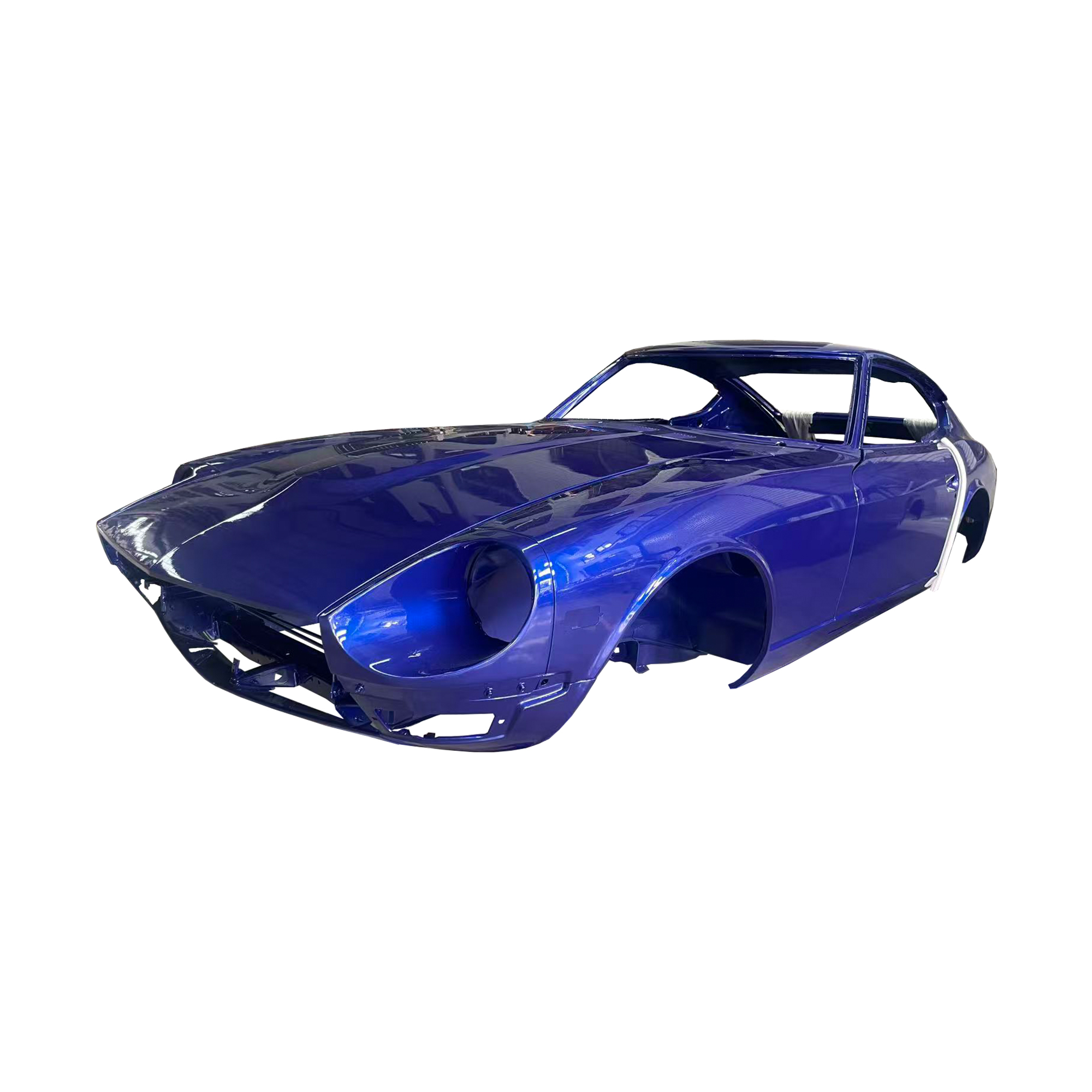 REPLACEMENT COMPLETE CAR BODY ASSEMBLY, 1969-1973, FOR NISSAN DATSUN 240Z
-
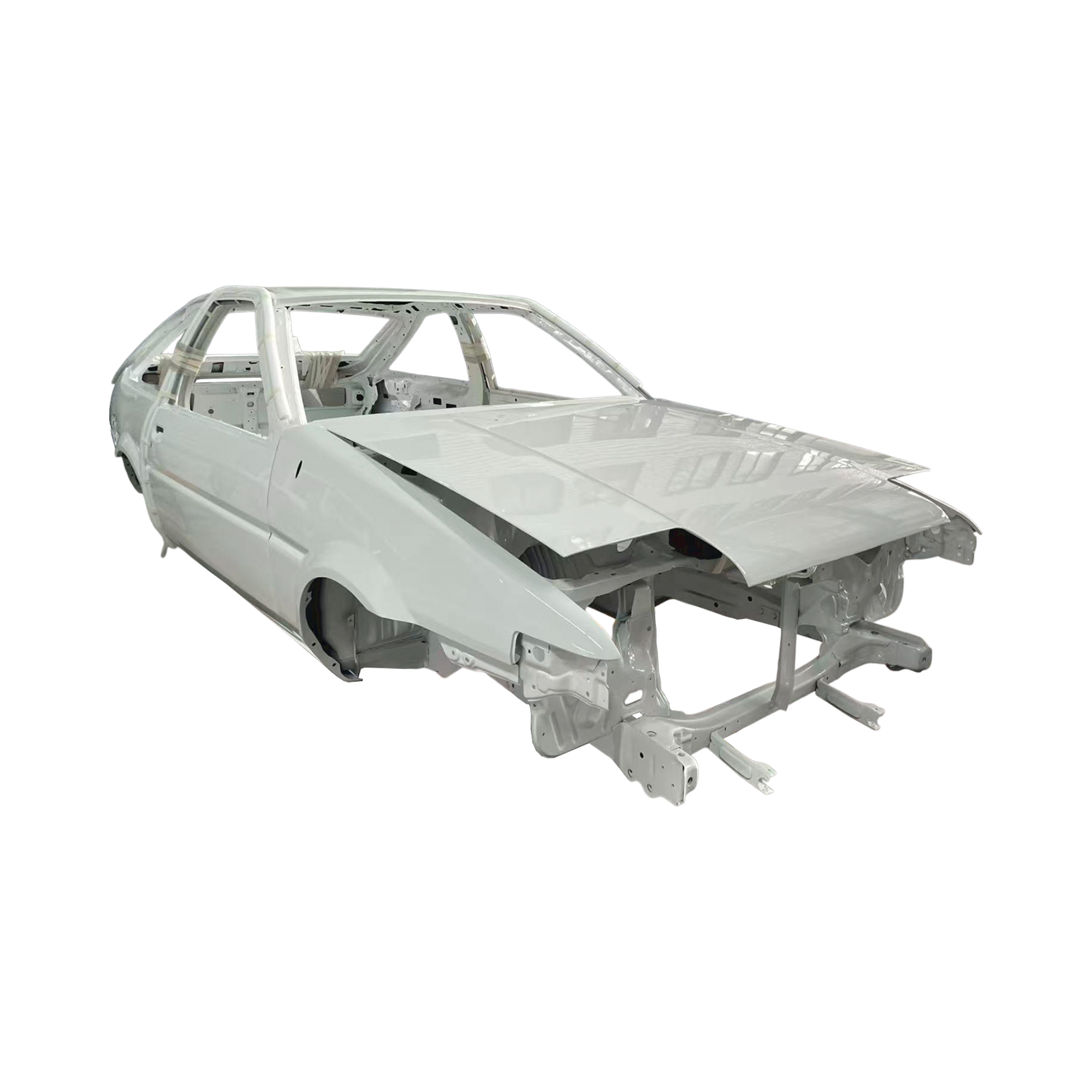 REPLACEMENT COMPLETE CAR BODY ASSEMBLY, 1983-1987, FOR TOYOTA AE86
-
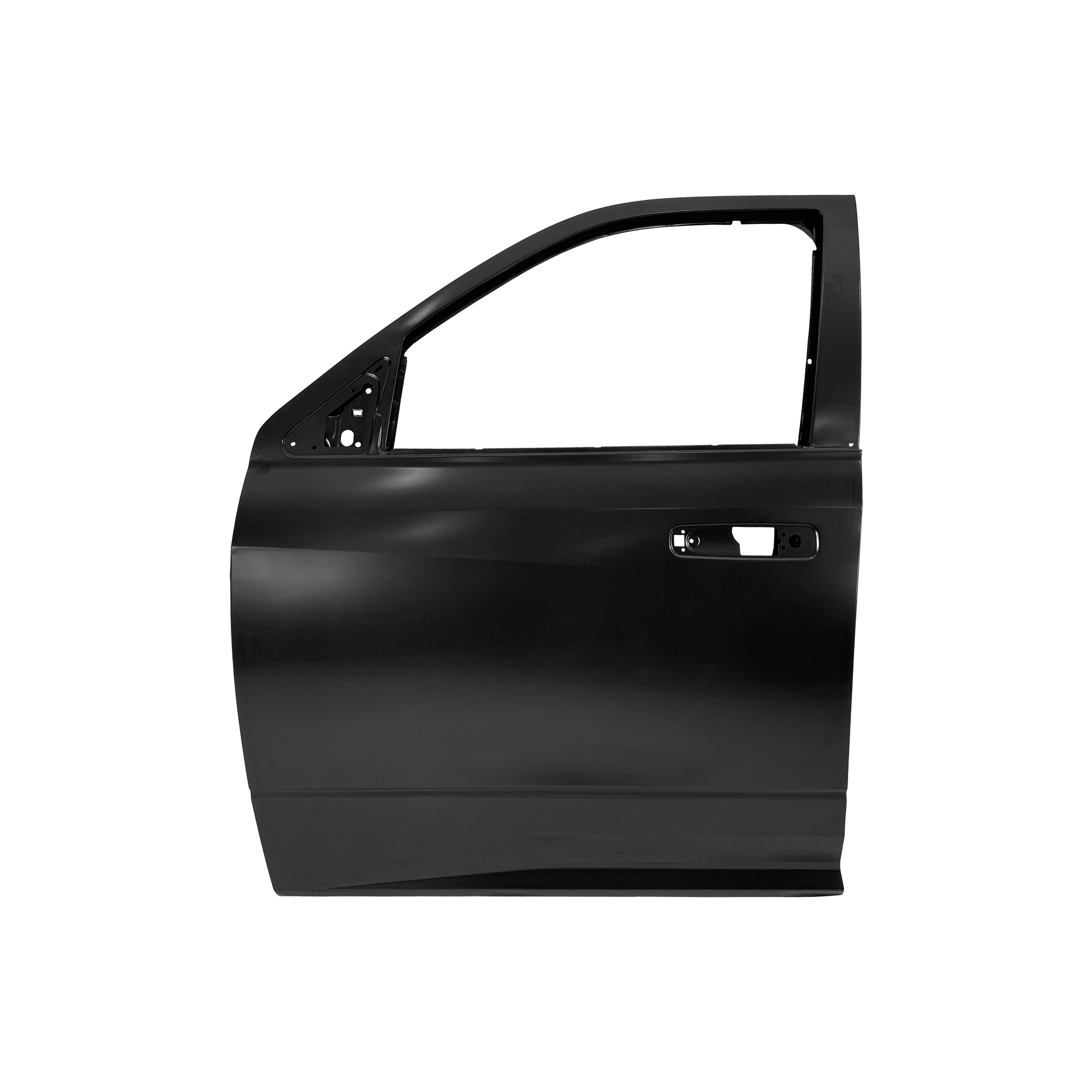 REPLACEMENT FRONT DOOR LH, 2013-2018, FOR DODGE RAM 1500, 68144729A, (STEEL)
-
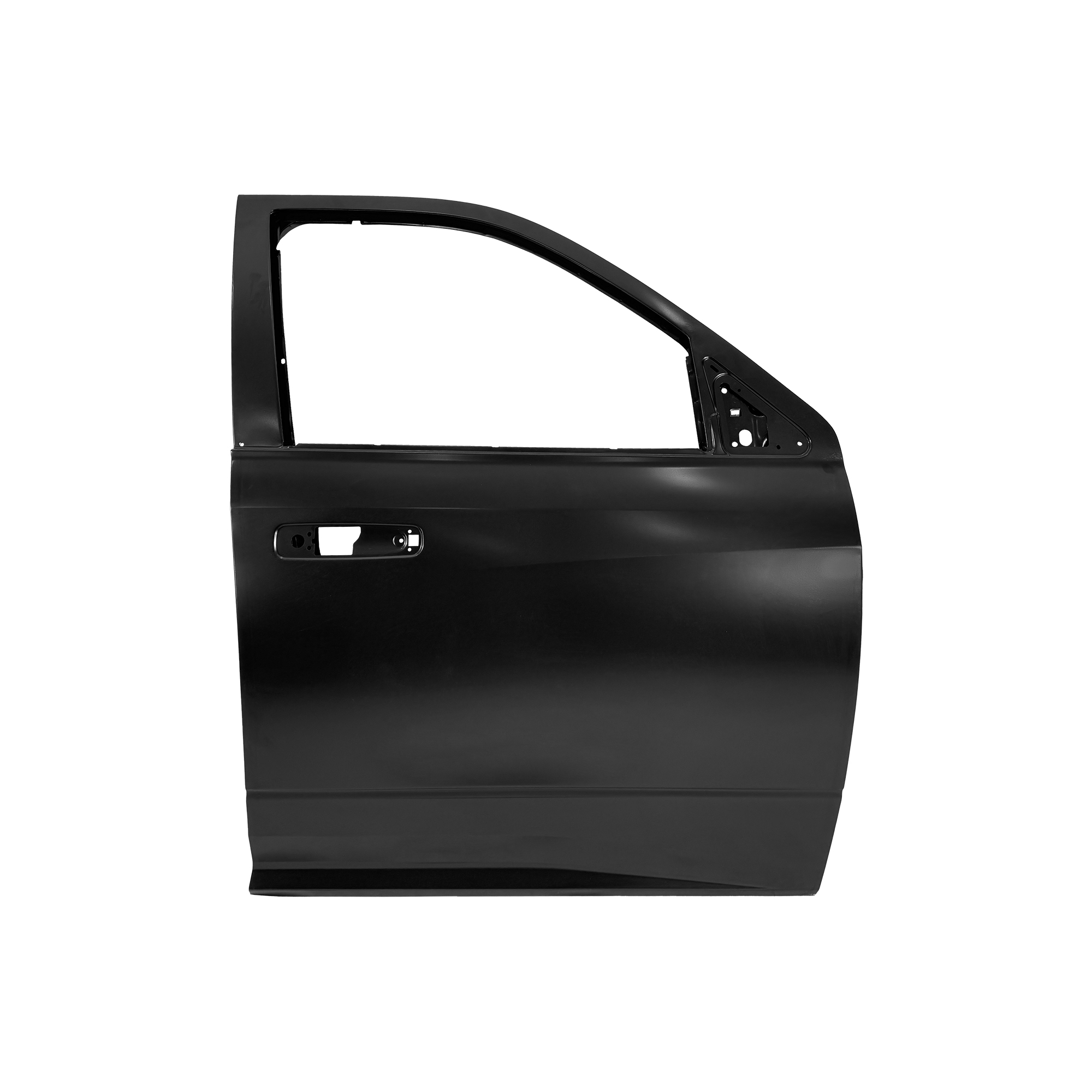 REPLACEMENT FRONT DOOR RH, 2013-2018, FOR DODGE RAM 1500, 68144728A, (STEEL)
-
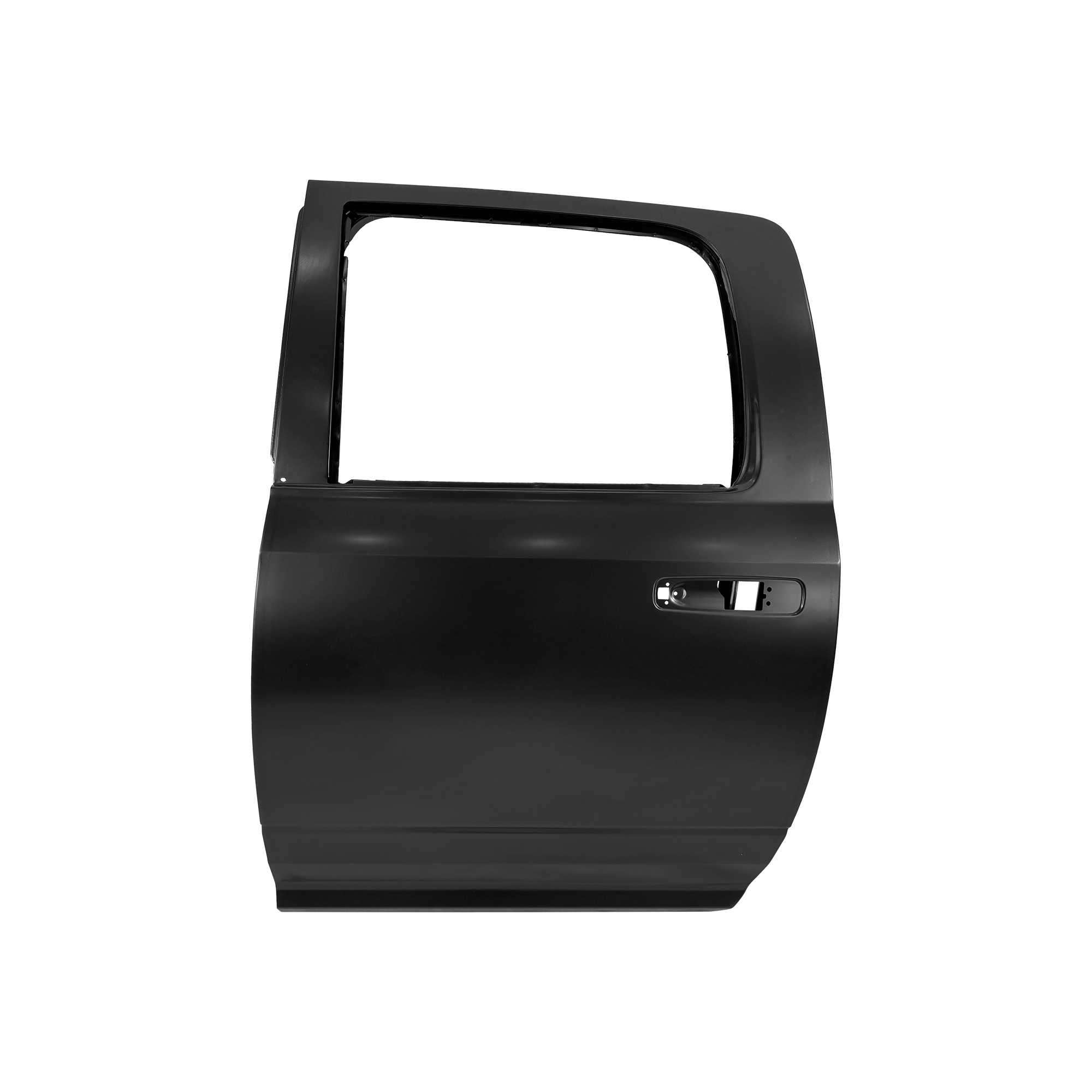 REPLACEMENT REAR DOOR LH, 2013-2018, FOR DODGE RAM 1500, 4589873A, (STEEL)
-
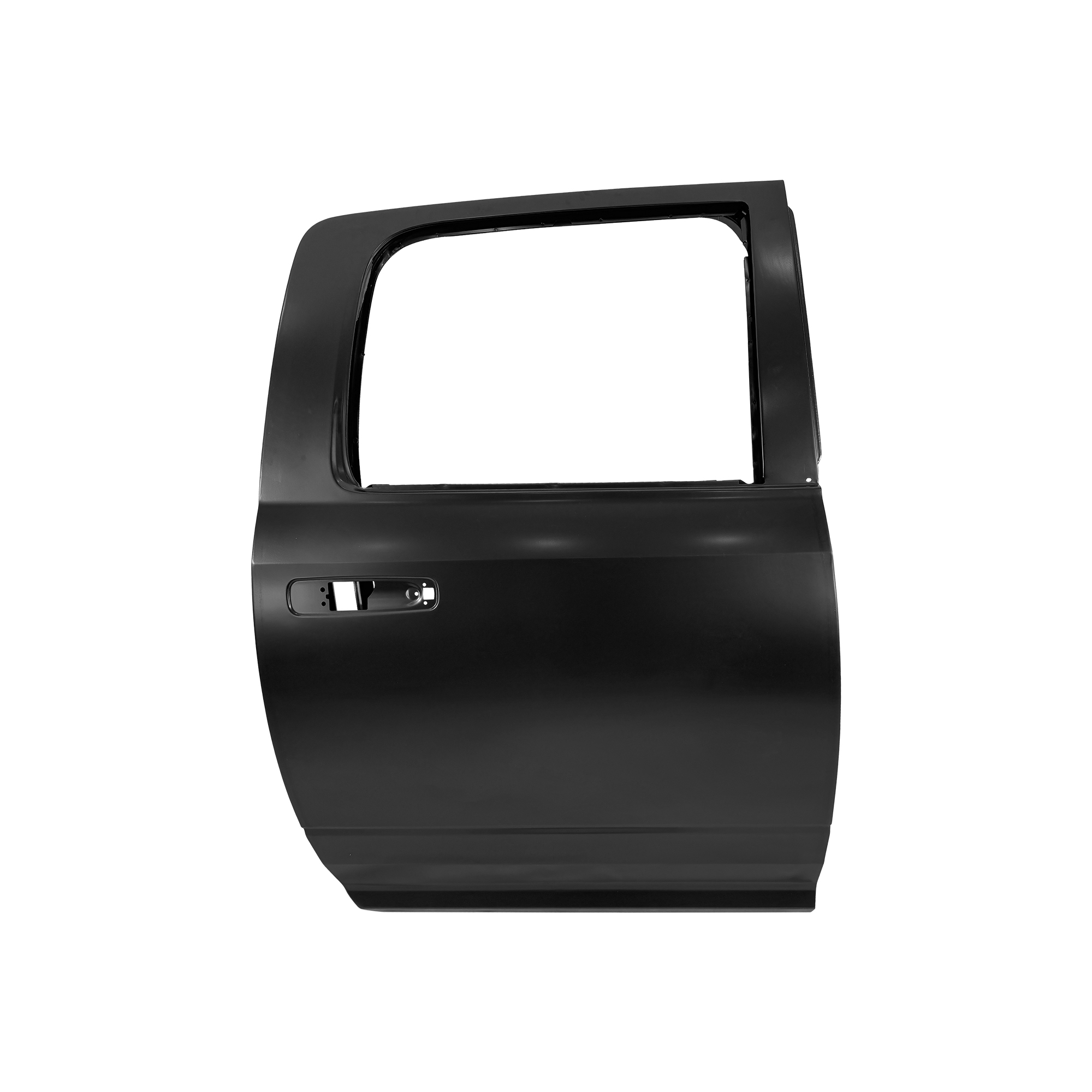 REPLACEMENT REAR DOOR RH, 2013-2018, FOR DODGE RAM 1500, 4589872A, (STEEL)
-
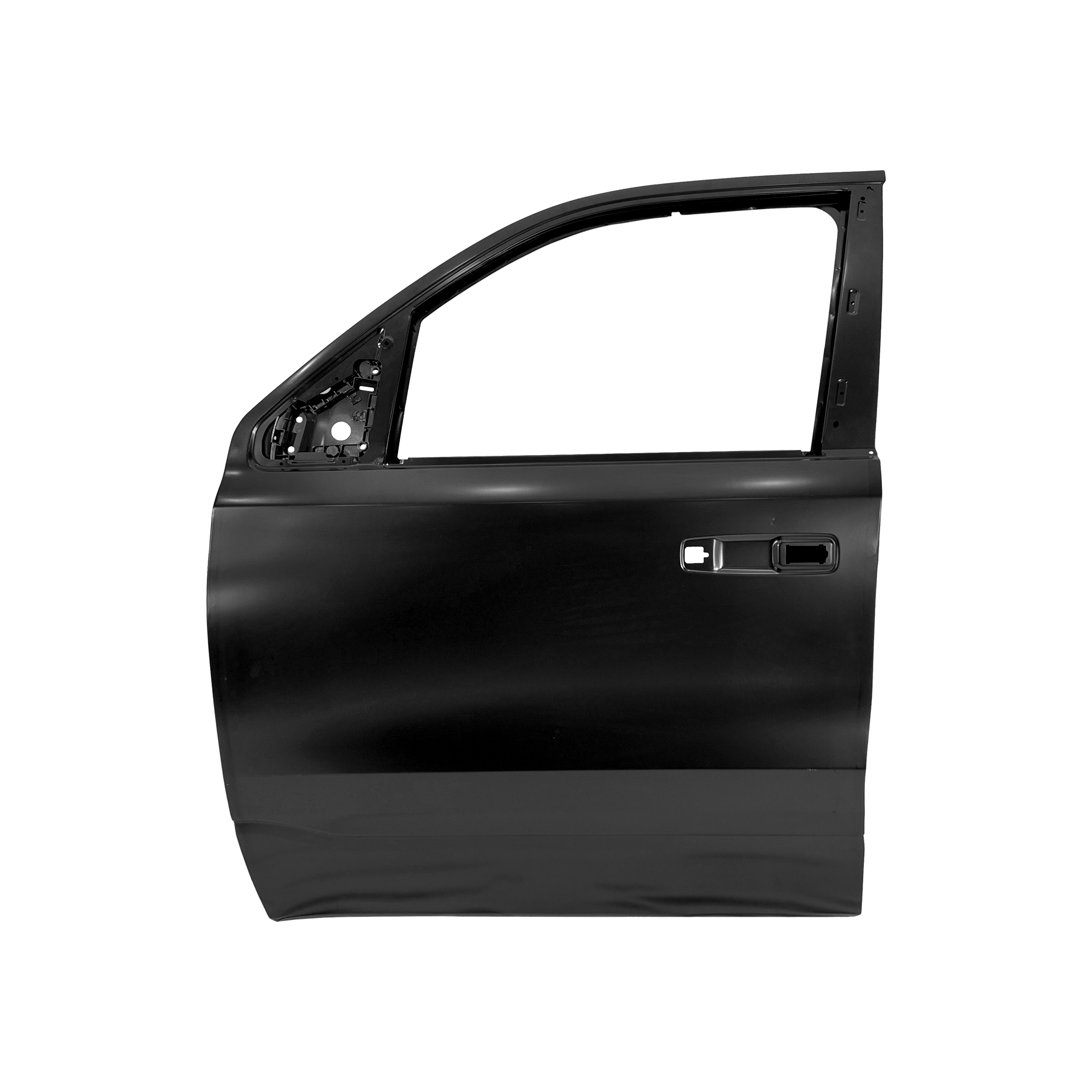 REPLACEMENT FRONT DOOR LH, 2019, FOR DODGE RAM 1500, 68292435AC, (STEEL)
-
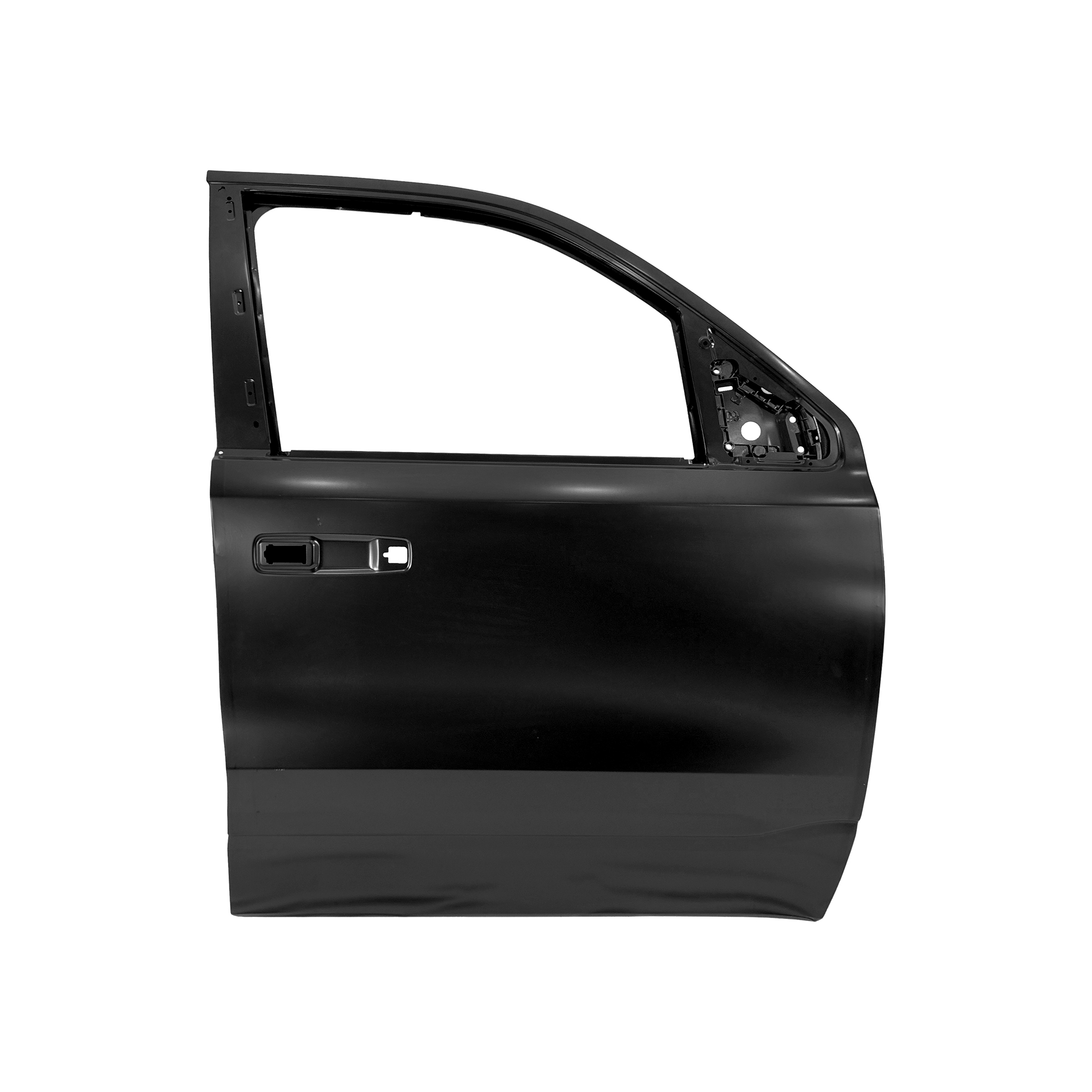 REPLACEMENT FRONT DOOR RH, 2019, FOR DODGE RAM 1500, 68292434AC, (STEEL)
Copyright @ Jiangsu Juncheng Vehicle Industry Co., Ltd. All Rights Reserved.
