
 English
 Español
 عربى
عربى русский
 中文简体
中文简体
What Are the Best Dodge Charger Replacement Parts — And Where Do You Start
Why Dodge Charger Parts Matter More Than You Think
There's a reason the Dodge Charger has stayed on American roads for decades. It's not just the wide-body stance or the rumble of a V8 at a stoplight — it's the fact that this car was built to be driven hard. But driving hard means parts wear out, and when they do, what you replace them with matters more than most people realize.
A lot of Charger owners make the mistake of grabbing whatever's cheapest when something breaks. That works fine for a commuter sedan. The Charger is a different animal. The loads it puts through its drivetrain, suspension, and braking system are significantly higher than most passenger cars, and Dodge Charger replacement parts that aren't up to spec will show their weakness fast — sometimes dangerously fast.
Using the right Dodge Charger parts isn't just about keeping the car running. It's about keeping it running the way it was designed to. Fit, material quality, and load ratings all affect how the car behaves under acceleration, cornering, and hard braking. Cheap parts might clear a warning light, but they won't restore the driving dynamics that made you want a Charger in the first place.
Beyond performance, there's a financial argument too. Properly maintained with quality Dodge Charger replacement parts, these cars hold their value well and can last well beyond 200,000 miles without major mechanical failures. That's not luck — it's the result of consistent, quality maintenance.
Understanding the Dodge Charger Parts Ecosystem
Before you buy anything, it helps to understand what you're actually choosing between. The Dodge Charger parts market is large, and not all parts are created equal — or priced that way for good reason.
OEM vs. Aftermarket Dodge Charger Parts
OEM stands for Original Equipment Manufacturer. These are the parts made to the exact same specifications as what came on your Charger from the factory — same materials, same tolerances, same fit. They're sold under the Mopar brand, which is Dodge's official parts division. If you want zero guesswork, OEM is the safest call.
Aftermarket Dodge Charger replacement parts are made by third-party manufacturers. Quality varies enormously. Some aftermarket parts are engineered to match or even exceed OEM specs — these are typically used in performance builds. Others are budget-grade parts designed purely to undercut OEM pricing, and the trade-off in durability is real.
| Factor | OEM Parts | Aftermarket Parts |
|---|---|---|
| Fit & Compatibility | Guaranteed exact fit | Varies by manufacturer |
| Quality Consistency | High, factory-controlled | Ranges from excellent to poor |
| Price | Higher | Generally lower |
| Warranty | Typically 12–24 months | Varies widely |
| Availability | Limited to authorized channels | Widely available |
| Best For | Daily drivers, warranty vehicles | Performance builds, budget repairs |
New vs. Remanufactured vs. Used Parts
This is another distinction worth understanding before spending money on Dodge Charger parts.
New parts are exactly that — unused, fresh from manufacturing. They carry the longest lifespan and typically the best warranty terms.
Remanufactured parts are used cores that have been fully disassembled, cleaned, and rebuilt to OEM specifications. Alternators, starters, and brake calipers are commonly sold this way. When done properly, remanufactured Dodge Charger replacement parts perform on par with new ones at a meaningfully lower price point.
Used parts pulled from salvage yards are the most affordable option, but come with the least predictability. For non-critical components — interior trim, body panels, mirrors — used parts make practical sense. For anything safety-related or mechanically stressed, the risk generally isn't worth the savings.
Most Common Dodge Charger Replacement Parts by Category
Every Charger owner will eventually need to replace something. The question is knowing what to expect, when to expect it, and what to look for when shopping for Dodge Charger parts. Here's a breakdown by system.
Engine & Drivetrain Components
The engine is where the Charger earns its reputation, and it's also where neglected maintenance shows up first. Spark plugs on the 3.6L Pentastar V6 typically need replacement around 30,000 miles, while the 5.7L and 6.4L HEMI V8 engines can stretch closer to 60,000 miles depending on plug type. Timing chain tensioners, valve cover gaskets, and oil pan gaskets are among the more commonly replaced Dodge Charger replacement parts on higher-mileage engines.
For the drivetrain, differential fluid and transfer case seals are easy to overlook until they become expensive problems. On Chargers equipped with all-wheel drive, front axle shaft seals tend to develop leaks after 80,000–100,000 miles and should be inspected regularly.
| Engine Component | Typical Replacement Interval |
|---|---|
| Spark Plugs (V6) | 30,000 miles |
| Spark Plugs (V8 HEMI) | 60,000 miles |
| Valve Cover Gaskets | 60,000–90,000 miles |
| Timing Chain Tensioner | 90,000–120,000 miles |
| Oil Pan Gasket | As needed / leak-based |
Brake System Parts
Brakes are among the most frequently replaced Dodge Charger parts, and for good reason — the car's weight and performance potential put serious demand on the braking system. Front brake pads on a standard Charger typically last 25,000–40,000 miles under normal driving. Rotors generally need replacement every second or third pad change, depending on wear pattern and driving style.
Performance trims like the Scat Pack and Hellcat come with larger Brembo-style calipers and rotors that require specific Dodge Charger replacement parts — standard-size components won't fit. Always confirm rotor diameter and caliper bracket specs before ordering.
| Trim Level | Front Rotor Diameter | Rear Rotor Diameter |
|---|---|---|
| SE / SXT | 12.6 in | 11.8 in |
| R/T | 13.6 in | 13.0 in |
| Scat Pack / 392 | 14.2 in | 13.8 in |
| SRT Hellcat | 15.4 in | 13.8 in |
Suspension & Steering Parts
Suspension wear on the Charger tends to follow predictable patterns. Front lower control arm bushings, sway bar end links, and strut mounts are the parts most owners replace first, usually somewhere between 60,000 and 90,000 miles. Rear toe links and lateral arms are also common wear items on higher-mileage cars.
If you notice uneven tire wear, pulling to one side, or clunking over bumps, suspension Dodge Charger replacement parts are almost always the first place to look. Wheel alignment should always follow any suspension component replacement.
Electrical & Sensor Components
Modern Chargers run a dense network of sensors, and a failing sensor can trigger everything from a check engine light to an ABS warning. The most commonly replaced electrical Dodge Charger parts include oxygen sensors, crankshaft position sensors, camshaft sensors, and wheel speed sensors for the ABS system.
Before replacing any sensor, always pull diagnostic codes with an OBD-II scanner. Sensors often throw codes due to wiring harness issues rather than sensor failure itself — replacing a perfectly functional sensor won't fix a corroded connector.
Exterior & Body Parts
Chargers are frequently involved in front-end collisions simply because of how they're driven. Bumper covers, grilles, headlight assemblies, and fender flares are consistently in demand as Dodge Charger replacement parts. When ordering exterior components, always verify the model year range and trim level — front fascia designs changed significantly between the 2011 refresh, the 2015 redesign, and the 2019 update.
Interior & Comfort Parts
Interior wear is gradual but inevitable. Door panel clips, center console lids, and seat bolster leather are among the first things to show age on a high-mileage Charger. HVAC blend door actuators are a notably common failure point — they produce a clicking or tapping noise from behind the dashboard and are relatively straightforward to replace once accessed. Climate control modules and infotainment screen assemblies round out the list of frequently sourced interior Dodge Charger parts.
Dodge Charger Parts by Model Year & Trim Level
One of the most common mistakes when shopping for Dodge Charger replacement parts is assuming that one year's parts fit another. The Charger has gone through several distinct generations, and even within the same generation, trim-level differences create real compatibility gaps.
The current-generation Charger launched in 2011 with a significant refresh over the 2006–2010 body style. Many mechanical components from 2006–2010 do not cross over to 2011 and later cars. Within the 2011–2023 production run, there were further updates in 2015 and 2019 that affected exterior panels, lighting assemblies, and some interior components.
| Generation | Model Years | Key Notes |
|---|---|---|
| 3rd Gen (LX) | 2006–2010 | Unique body panels, older electronics |
| 4th Gen (LD) Early | 2011–2014 | Refreshed interior, updated suspension geometry |
| 4th Gen (LD) Mid | 2015–2018 | Revised front fascia, new infotainment system |
| 4th Gen (LD) Late | 2019–2023 | Updated lighting, revised grille, new driver aids |
Trim level matters just as much as model year when sourcing Dodge Charger parts. The SE and SXT share most mechanical components, but the R/T introduces the 5.7L HEMI along with its associated drivetrain and cooling parts. The Scat Pack steps up to the 6.4L with larger brakes and a performance-tuned suspension. The Hellcat and its variants run an entirely different supercharged engine family with unique Dodge Charger replacement parts that don't interchange with naturally aspirated trims.
The safest approach is always to use your VIN number when ordering. A VIN decode will confirm exact production specs — engine, transmission, brake package, and option codes — eliminating guesswork and return shipping.
Where to Buy Dodge Charger Replacement Parts
Knowing what parts you need is only half the battle — knowing where to get them reliably is the other half. The Dodge Charger parts market is wide open, which is both a good and a bad thing.
Authorized Mopar dealerships are the most straightforward source for OEM Dodge Charger replacement parts. You get guaranteed fitment, manufacturer backing, and parts that match factory specs exactly. The trade-off is price — dealer pricing on common wear items can run 30–50% higher than equivalent aftermarket options.
Independent auto parts suppliers offer a broader range of price points and brands. The key is knowing how to filter out the noise. A few practical guidelines:
Always search by VIN, not just by year, make, and model. This eliminates the most common compatibility errors.
Check the part number against the OEM reference. Reputable aftermarket suppliers will list the OEM cross-reference number so you can verify you're getting the right component.
Read the warranty terms before purchasing. Quality Dodge Charger parts suppliers stand behind their products with at least a one-year warranty on most components.
Avoid unbranded or generic listings with no manufacturer information. If a part has no identifiable maker, there's no accountability if it fails.
For high-stress components — brakes, suspension, engine internals — spending a little more upfront on a reputable part almost always costs less than dealing with a premature failure down the road.
How to Install Dodge Charger Replacement Parts: DIY or Professional?
Not every repair on a Charger requires a shop visit, but not every repair should be attempted in a driveway either. Knowing which Dodge Charger replacement parts fall into which category saves both money and headaches.
DIY-Friendly Replacements
These are components where the skill requirement is low, the risk of doing it wrong is manageable, and the cost savings of doing it yourself are real:
| Part | Difficulty | Special Tools Needed |
|---|---|---|
| Air & Cabin Filter | Very Easy | None |
| Spark Plugs | Easy | Torque wrench, spark plug socket |
| Brake Pads | Moderate | C-clamp, basic hand tools |
| Battery | Easy | Basic hand tools |
| Oxygen Sensors | Moderate | Oxygen sensor socket, OBD-II scanner |
| Sway Bar End Links | Moderate | Basic hand tools |
| Wheel Speed Sensors | Moderate | Basic hand tools, OBD-II scanner |
Leave It to a Professional
Some Dodge Charger parts replacements carry enough complexity or safety risk that professional installation is the smarter call regardless of your mechanical confidence level:
Transmission rebuilds or replacements — requires specialized tooling and calibration
Airbag components — incorrect handling can cause accidental deployment
ECU / PCM replacement — requires dealer-level programming equipment
Rear differential rebuilds — precise bearing preload settings are critical
Timing chain replacement — engine timing must be set exactly to spec
The general rule is straightforward: if a mistake could affect vehicle safety or requires equipment you don't own and can't reasonably rent, the labor cost at a reputable shop is worth every dollar. Quality Dodge Charger replacement parts deserve quality installation — one without the other still leads to problems.
Tips for Maintaining Your Dodge Charger with Quality Parts
Reactive maintenance — fixing things after they break — is always more expensive than staying ahead of wear. Chargers are built to perform, but that performance comes with a maintenance responsibility that not every owner takes seriously until something goes wrong.
Build a maintenance schedule and stick to it. The factory service intervals in your owner's manual aren't suggestions. Oil changes, fluid flushes, belt inspections, and filter replacements done on time keep minor wear from becoming major repairs. Using quality Dodge Charger replacement parts at each service interval compounds over time — the car simply runs better and lasts longer when every component is functioning as designed.
Keep records of every replacement. A documented service history showing consistent use of proper Dodge Charger parts adds real value at resale time. Buyers pay more for cars with paper trails, and for good reason — it tells them the car was cared for with intention, not just patched together when something stopped working.
Don't ignore small symptoms. A slight vibration, an occasional squeak, or a warning light that comes and goes are all early signals. Catching a worn sway bar bushing before it damages the control arm, or replacing a marginal sensor before it causes a no-start condition, is the difference between a $40 fix and a $400 one.
| Maintenance Area | Recommended Interval | Impact of Neglect |
|---|---|---|
| Engine Oil & Filter | 5,000–7,500 miles | Accelerated engine wear |
| Brake Fluid Flush | Every 2 years | Reduced braking performance |
| Coolant Flush | Every 5 years | Overheating, corrosion damage |
| Transmission Fluid | 30,000–60,000 miles | Shift quality degradation |
| Spark Plugs (V8) | 60,000 miles | Misfires, fuel economy loss |
| Air Filter | 15,000–30,000 miles | Reduced engine efficiency |
Maintaining a Charger with quality Dodge Charger replacement parts isn't about being obsessive — it's about respecting what the car is capable of and making sure it stays that way.
FAQ – Dodge Charger Parts Questions Answered
Q1: How do I find the right Dodge Charger parts for my specific model year?
The most reliable method is using your VIN number. Every Charger has a unique 17-character VIN located on the driver's side dashboard, visible through the windshield. This number encodes your exact production specs — engine type, transmission, brake package, and factory-installed options. Any reputable supplier of Dodge Charger replacement parts will have a VIN lookup tool that eliminates compatibility guesswork entirely. Year, make, and model alone isn't enough on a Charger — two cars from the same year can have meaningfully different parts requirements depending on trim and factory options.
Q2: Are aftermarket Dodge Charger replacement parts reliable?
It depends entirely on the manufacturer. Aftermarket Dodge Charger parts range from genuinely excellent — engineered to match or exceed OEM specs — to borderline unusable. The safest way to evaluate aftermarket options is to look for parts that carry recognized certifications such as CAPA approval for collision components, or OE-equivalent designations for mechanical parts. Established manufacturers who specialize in specific component categories tend to produce more consistent quality than generic suppliers offering everything across every make and model.
Q3: How long do Dodge Charger brake parts typically last?
Brake pad lifespan varies considerably based on driving style, vehicle weight, and pad compound. As a general reference:
| Brake Component | Typical Lifespan |
|---|---|
| Front Brake Pads | 25,000–40,000 miles |
| Rear Brake Pads | 40,000–60,000 miles |
| Brake Rotors | 50,000–70,000 miles |
| Brake Calipers | 75,000–100,000 miles |
| Brake Fluid | Every 2 years regardless of mileage |
Aggressive driving, frequent highway-speed braking, and track use will push these numbers toward the lower end. If you regularly drive your Charger hard, inspect brake Dodge Charger replacement parts more frequently than the standard intervals suggest.
Q4: Can I use Dodge Charger parts from an older model on a newer one?
In some cases yes, but it requires careful verification. Certain mechanical components — particularly from within the same generation — do cross over between years. However, exterior body panels, lighting assemblies, and electronics are highly year-specific and rarely interchange between generations. The 2006–2010 and 2011–2023 cars share almost no exterior Dodge Charger parts despite being the same nameplate. Always confirm compatibility through a VIN-based parts lookup before assuming a part will fit.
Q5: What are the most frequently replaced Dodge Charger parts?
Based on typical ownership patterns across the model's lifespan, these are the components most Charger owners will replace at least once:
Brake pads and rotors, spark plugs, oxygen sensors, sway bar end links and bushings, strut mounts and bump stops, HVAC blend door actuators, valve cover gaskets (higher mileage V8s), battery, and serpentine belt and tensioner.
Most of these are routine Dodge Charger replacement parts that any competent independent shop — or a mechanically confident DIYer — can handle without specialized equipment.
Q6: Do performance upgrades count as replacement parts?
Not exactly, though the line can blur. Replacement Dodge Charger parts are components installed to restore the car to its original factory condition — same spec, same function. Performance upgrades intentionally change how the car behaves, typically improving output, handling, or braking beyond stock levels. Cold air intakes, performance exhaust systems, upgraded brake pads with higher temperature ratings, and stiffer suspension components are upgrades, not replacements — even when they're installed in place of worn factory parts. Both have their place, but they serve different purposes and should be evaluated on different criteria.
Q7: How can I tell if a Dodge Charger part is genuine OEM?
Genuine Mopar Dodge Charger replacement parts come with specific identifiers that are difficult to counterfeit convincingly.
Official Mopar packaging with consistent branding and part number labeling.
Stamped or molded part numbers on the component itself that match the box.
Purchase through authorized channels — licensed dealerships or verified Mopar parts distributors.
Warranty documentation included in the packaging with clear terms.
-
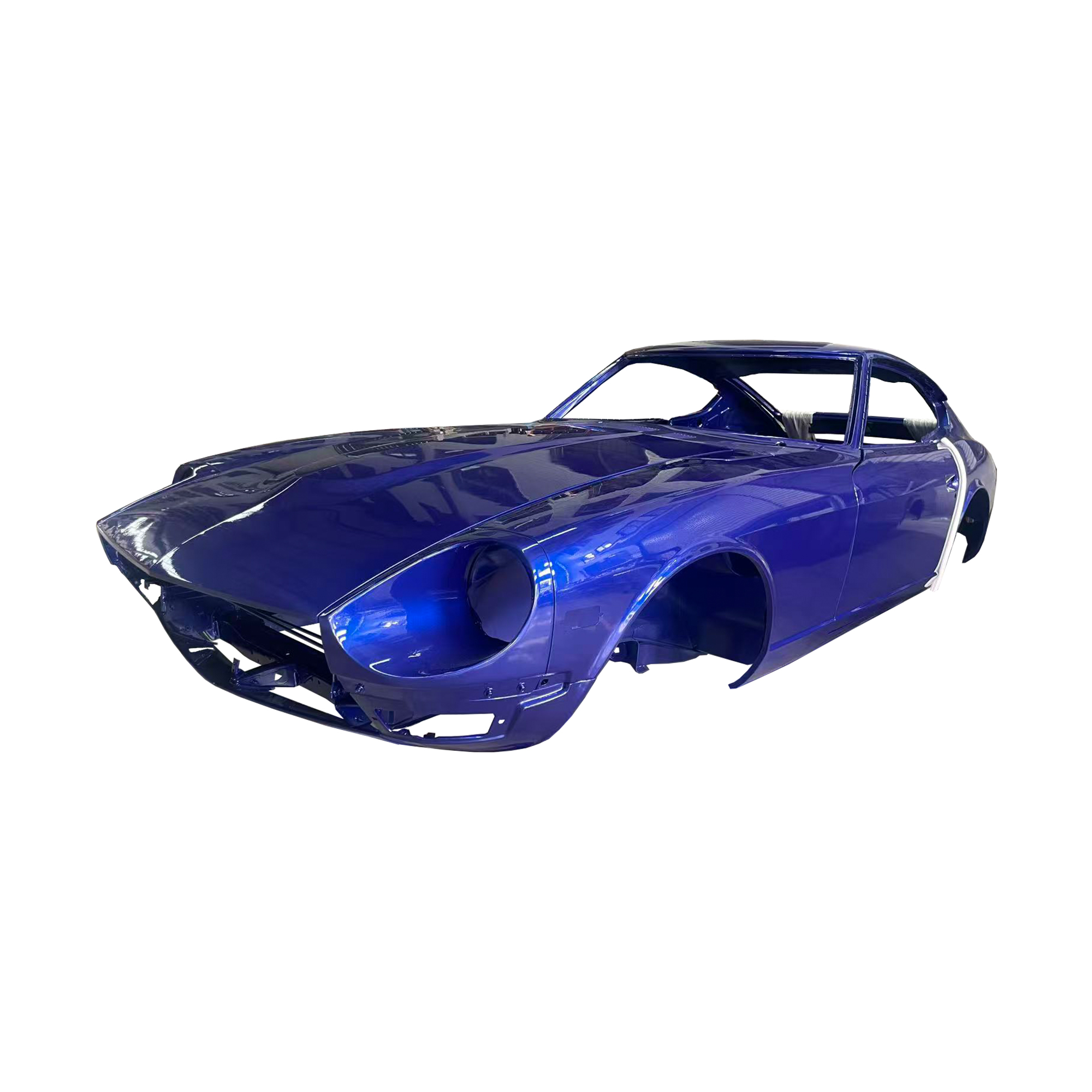 REPLACEMENT COMPLETE CAR BODY ASSEMBLY, 1969-1973, FOR NISSAN DATSUN 240Z
-
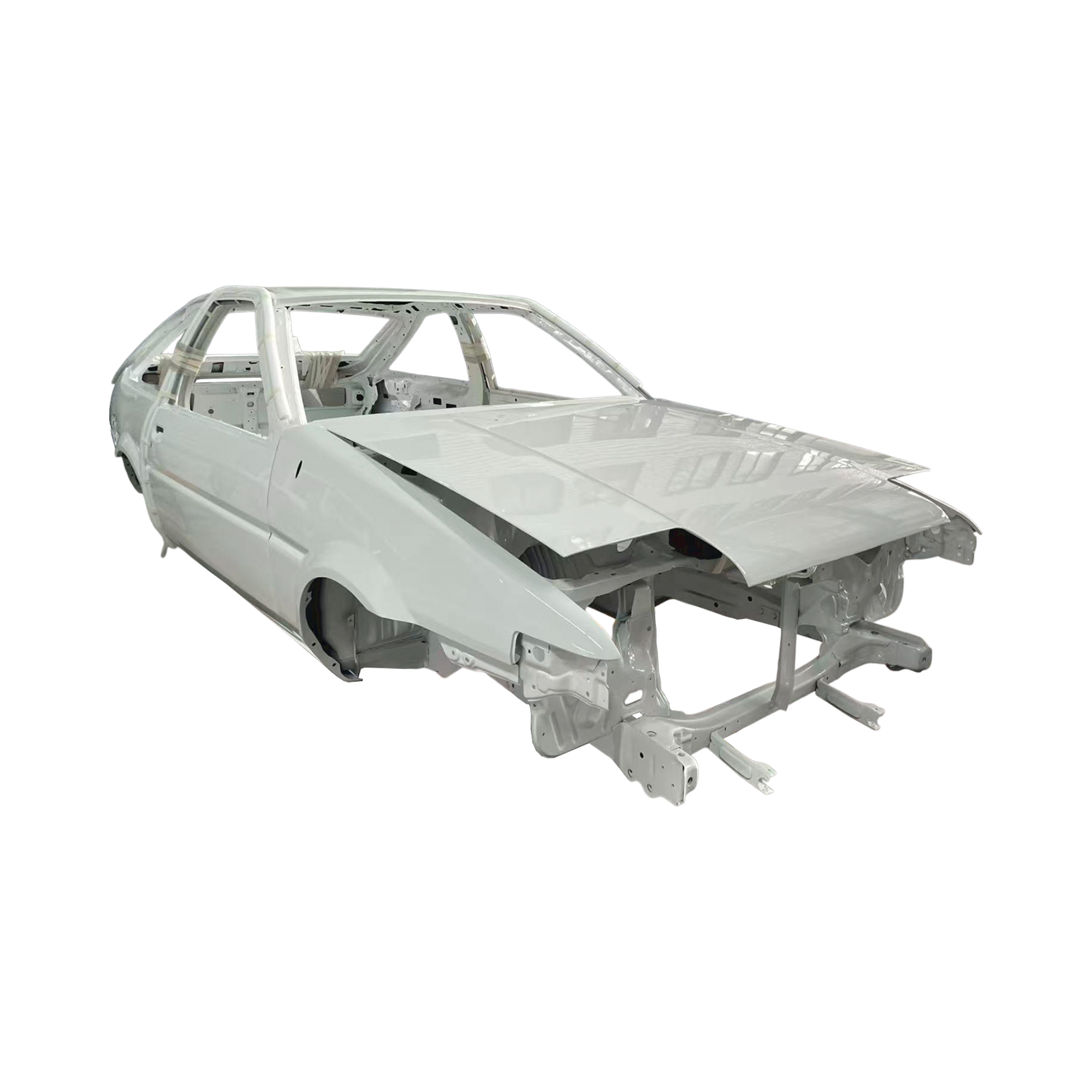 REPLACEMENT COMPLETE CAR BODY ASSEMBLY, 1983-1987, FOR TOYOTA AE86
-
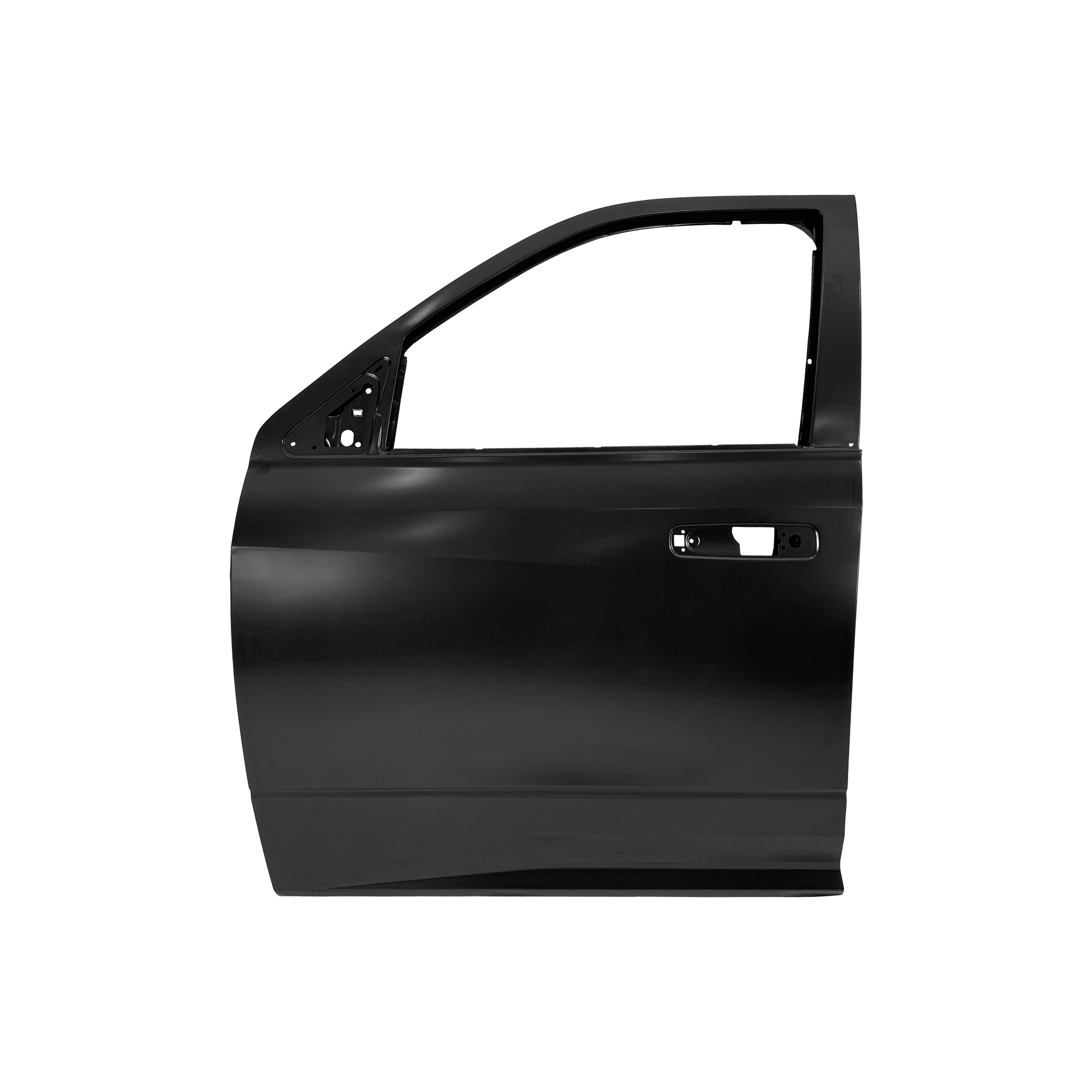 REPLACEMENT FRONT DOOR LH, 2013-2018, FOR DODGE RAM 1500, 68144729A, (STEEL)
-
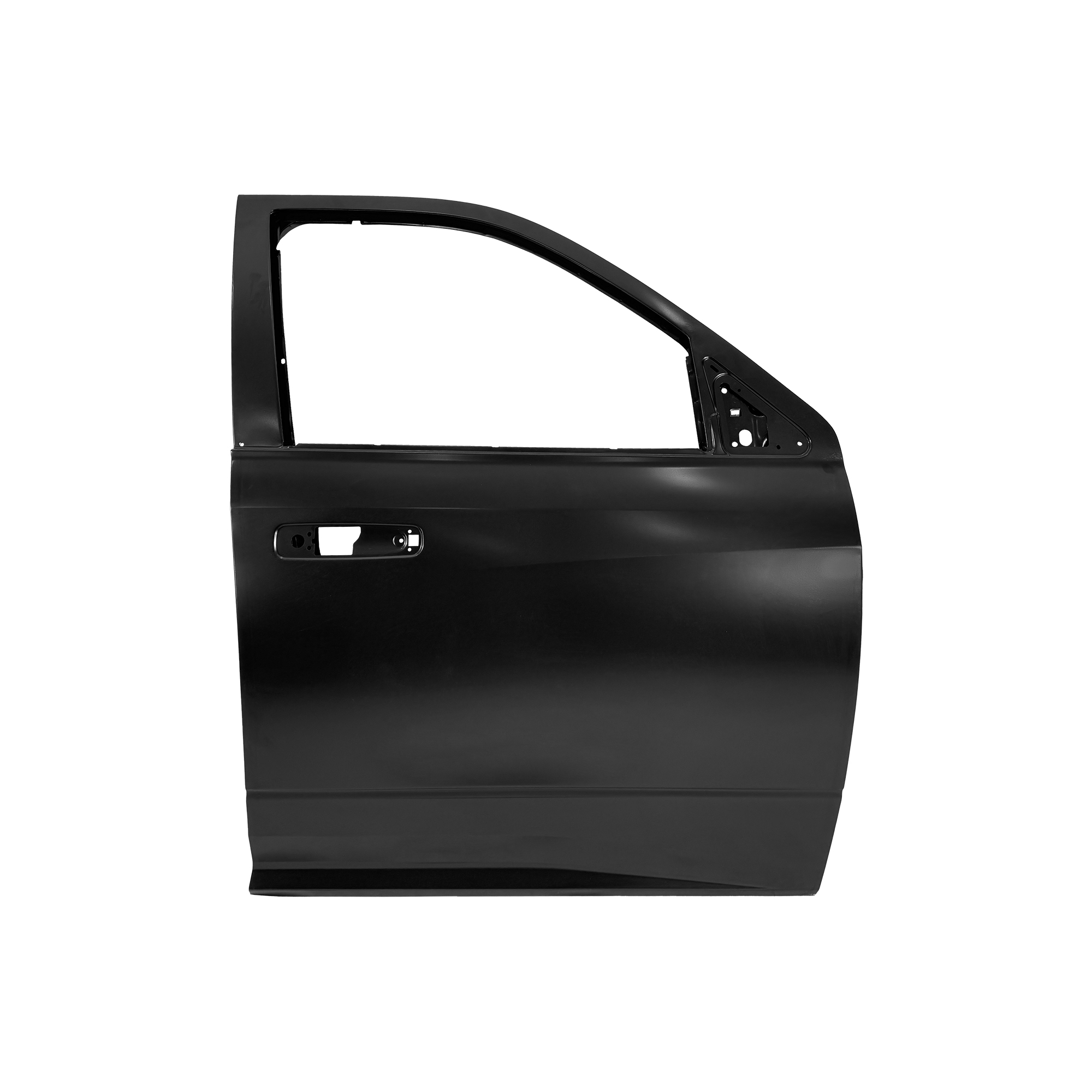 REPLACEMENT FRONT DOOR RH, 2013-2018, FOR DODGE RAM 1500, 68144728A, (STEEL)
-
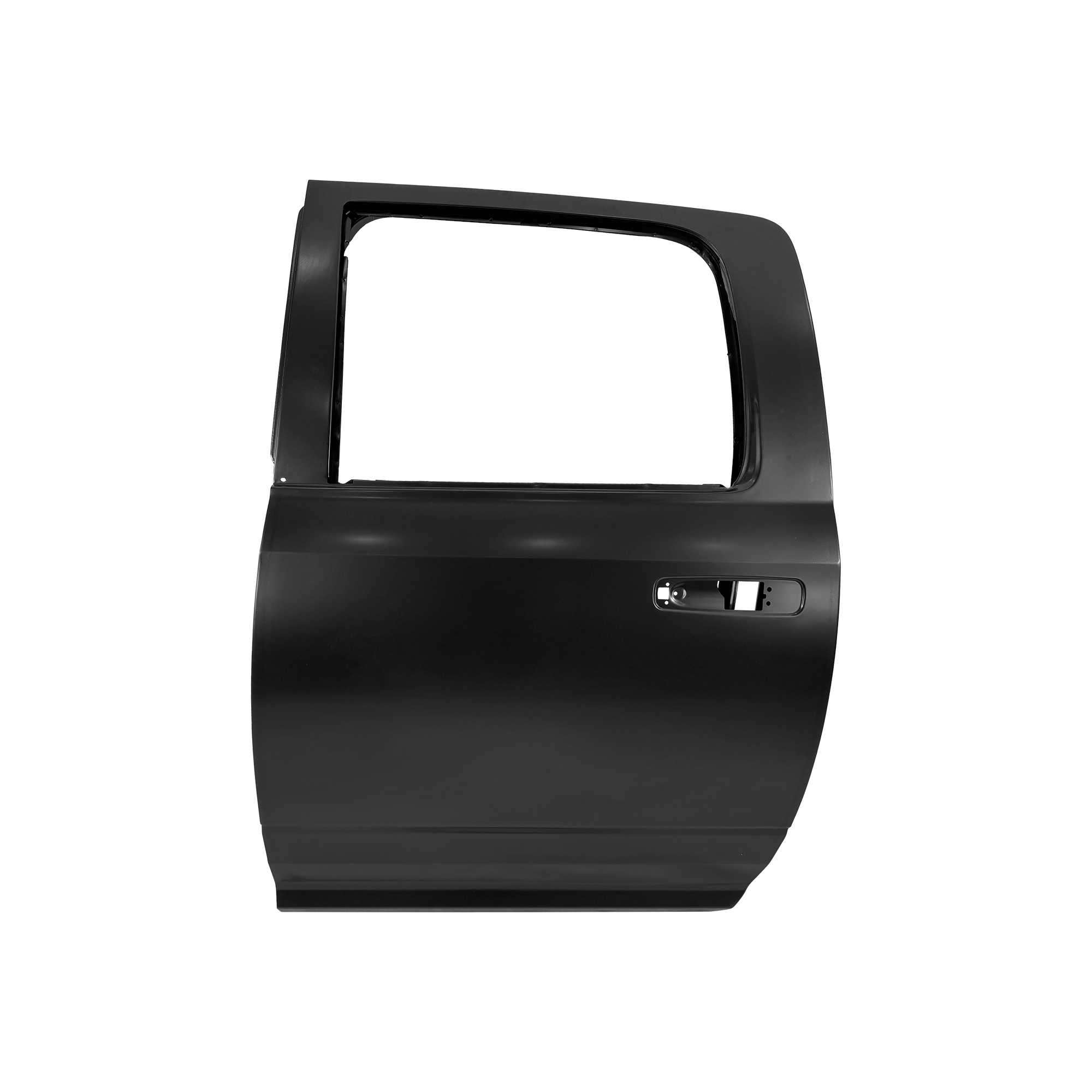 REPLACEMENT REAR DOOR LH, 2013-2018, FOR DODGE RAM 1500, 4589873A, (STEEL)
-
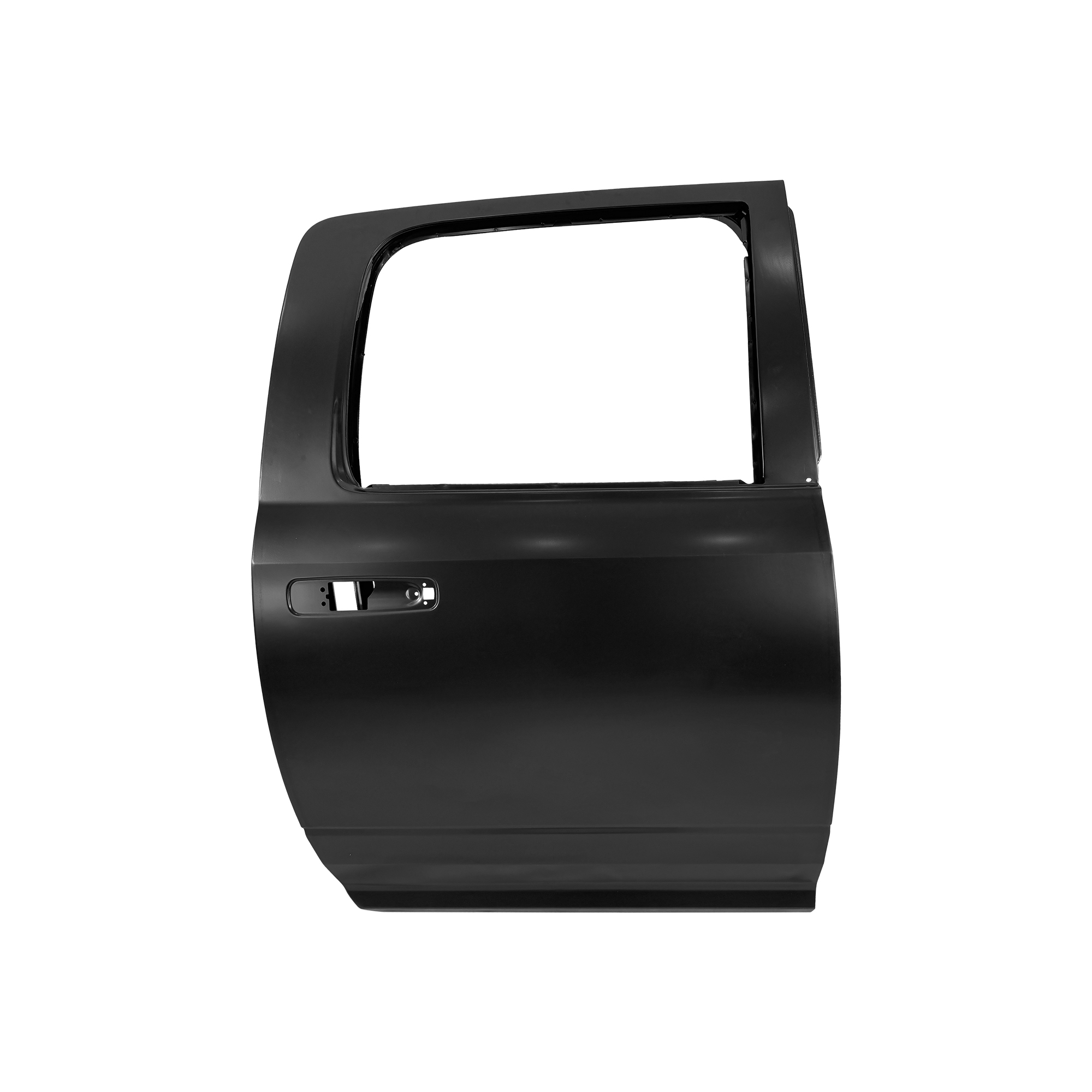 REPLACEMENT REAR DOOR RH, 2013-2018, FOR DODGE RAM 1500, 4589872A, (STEEL)
-
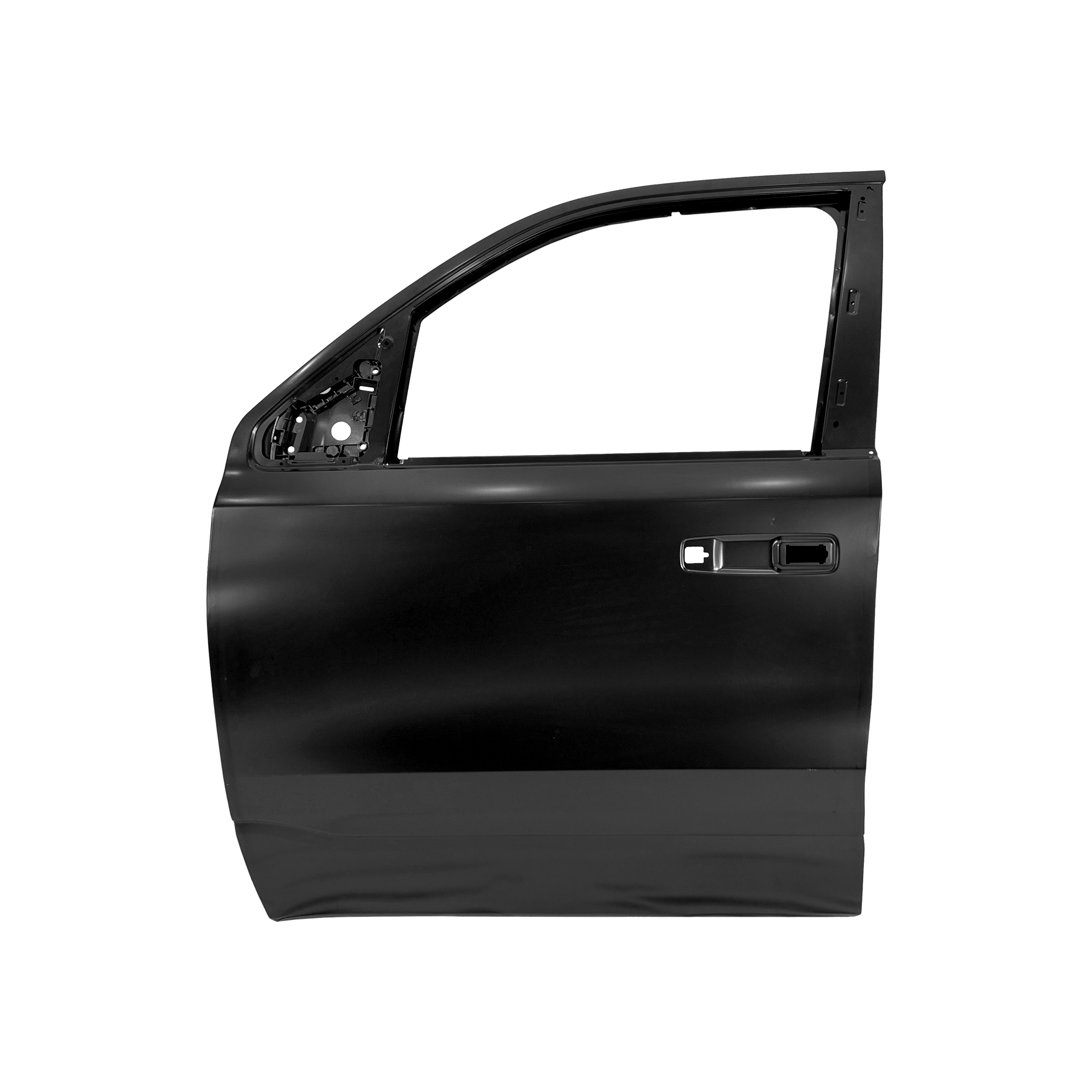 REPLACEMENT FRONT DOOR LH, 2019, FOR DODGE RAM 1500, 68292435AC, (STEEL)
-
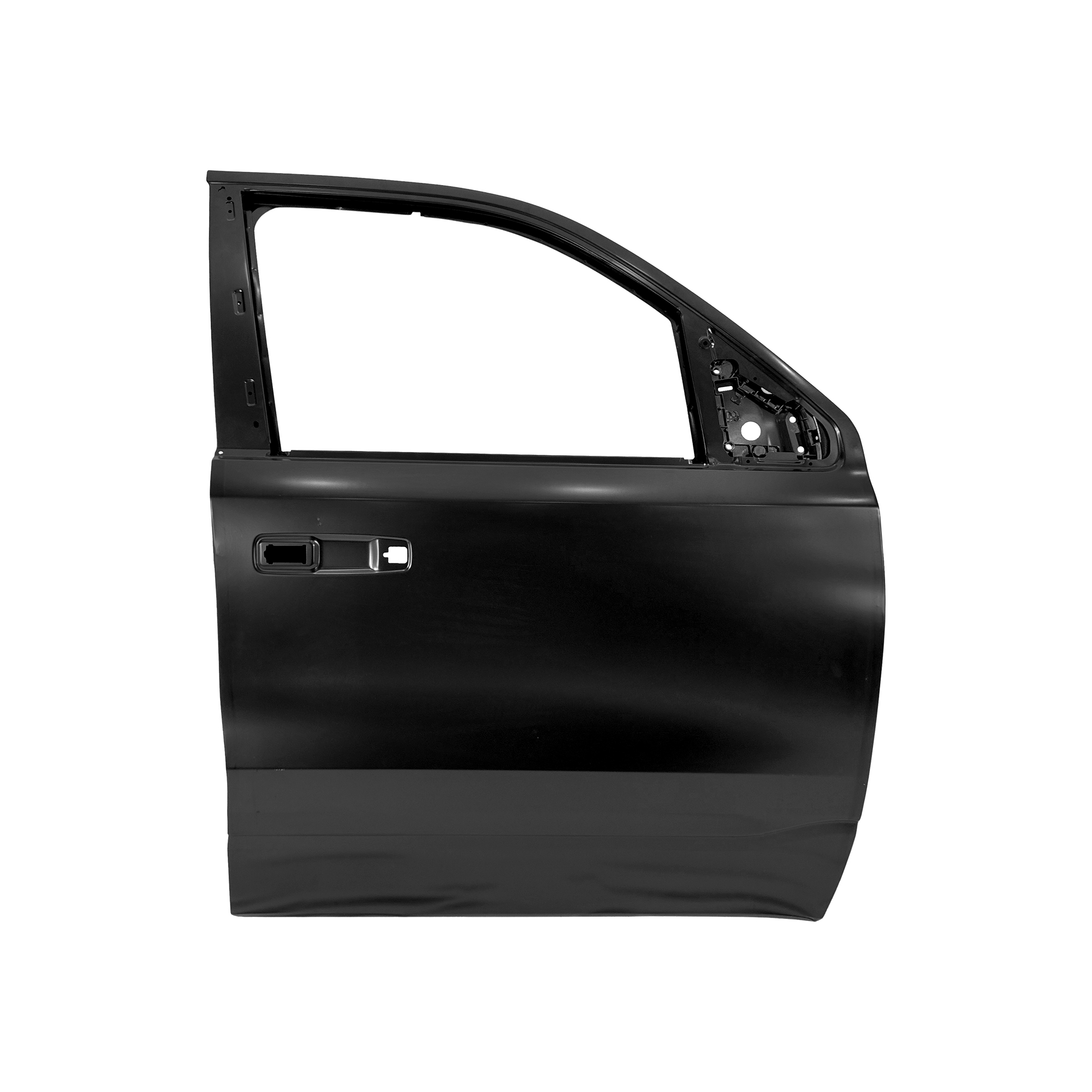 REPLACEMENT FRONT DOOR RH, 2019, FOR DODGE RAM 1500, 68292434AC, (STEEL)
Copyright @ Jiangsu Juncheng Vehicle Industry Co., Ltd. All Rights Reserved.
