
 English
 Español
 عربى
عربى русский
 中文简体
中文简体
What are some common problems encountered when replacing car parts
Auto parts require replacement due to wear, aging, or failure during vehicle use. The replacement process can encounter multiple issues, including part quality, installation, compatibility, safety, and service life. Understanding these common problems is crucial for repair shops, retailers, and vehicle owners.
Part Quality Issues
Part quality directly affects vehicle performance and safety. The market offers OEM (Original Equipment Manufacturer) parts and aftermarket parts, with varying quality levels. Common problems include material degradation, manufacturing tolerance deviations, and process defects. For example, brake pads with insufficient hardness may increase stopping distance, while timing chains with tolerance deviations can cause premature wear or abnormal noise. Low-quality parts often result in shorter service life and secondary failures.
Improper Installation
Auto parts require precise installation, and improper installation can create safety risks. Common issues include loose bolts, incorrectly installed seals, and reversed orientation. Incorrect brake system installation can lead to brake failure. Improper suspension installation affects handling stability and tire wear. Incorrect installation of electrical components may cause short circuits or sensor misreports, affecting the overall vehicle electronic control system.
Compatibility Issues
Mismatched part models and vehicle models are frequent problems. Different models, production years, and engine types often require different parts. Using incompatible components can lead to assembly difficulties, functional failure, or premature damage. An incorrectly sized air filter may reduce engine intake efficiency, while the wrong wheel size can cause uneven tire wear or suspension damage.
Service Life and Replacement Cycle Misjudgment
Incorrect assessment of replacement cycles can result in premature or delayed part replacement. Many vehicle owners rely on general guidelines or experience, ignoring differences in vehicle model and operating environment. Components like brake pads, spark plugs, and batteries may degrade faster under extreme conditions. Correct replacement timing should be based on mileage, vehicle condition, and inspection results.
Counterfeit and Low-Quality Parts
Counterfeit parts in the market pose safety hazards. Fake brake discs, air filters, and sensors often use substandard materials and have poor durability, potentially causing serious accidents. Counterfeit electrical components may damage circuits or affect vehicle electronic control systems. Purchasing from authorized channels and verifying certifications or test reports helps reduce risks.
Safety and Environmental Issues
Some replacement parts are subject to safety and environmental regulations. Exhaust system components, such as catalytic converters and tailpipes, must meet emission standards. Brake system components, including brake fluid and pads, must meet friction and temperature requirements. Replacing EV high-voltage components, including battery modules, requires strict adherence to safety procedures to prevent electric shock or fire hazards.
Technical Skill and Installation Cost
Replacing auto parts involves not only material costs but also labor and technical requirements. Complex parts such as transmissions, engine control modules, and ADAS sensors require high-level installation skills. Inadequate expertise may cause damage or functional failure, increasing repair costs due to repeated installation. Professional tools and training are essential for high-quality replacement.
Impact on Related Systems
>Replacing some parts may affect other vehicle systems. For example, upgrading high-performance brake discs may require compatible brake lines, calipers, and ABS adjustments. Replacing EV battery modules may require recalibration of the vehicle’s electronic control system. Ignoring these adjustments can reduce part performance or create safety risks.
Insufficient Testing and Calibration
Failing to conduct proper testing and calibration after replacement can hide potential risks. Brake systems require performance testing, suspension components need alignment checks, and electronic sensors require system calibration. Lack of testing and adjustment may result in secondary repairs or accidents.
Consumer Awareness Issues
Vehicle owners often lack knowledge about part performance, brands, and installation requirements, leading to improper choices. Some prioritize low cost over quality or follow non-professional advice, resulting in unsuitable part selection. Professional guidance and education help reduce problems caused by poor part selection.
-
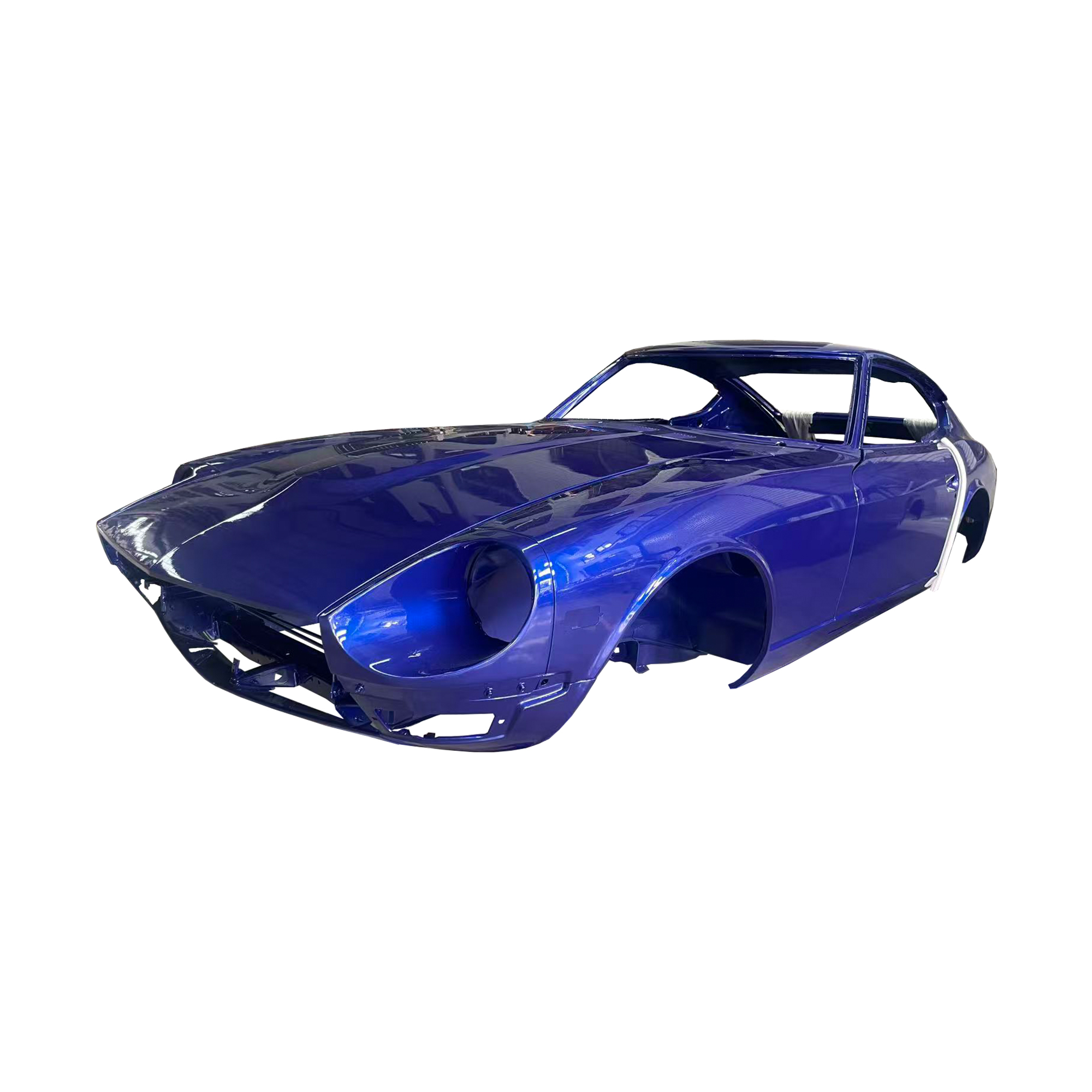 REPLACEMENT COMPLETE CAR BODY ASSEMBLY, 1969-1973, FOR NISSAN DATSUN 240Z
-
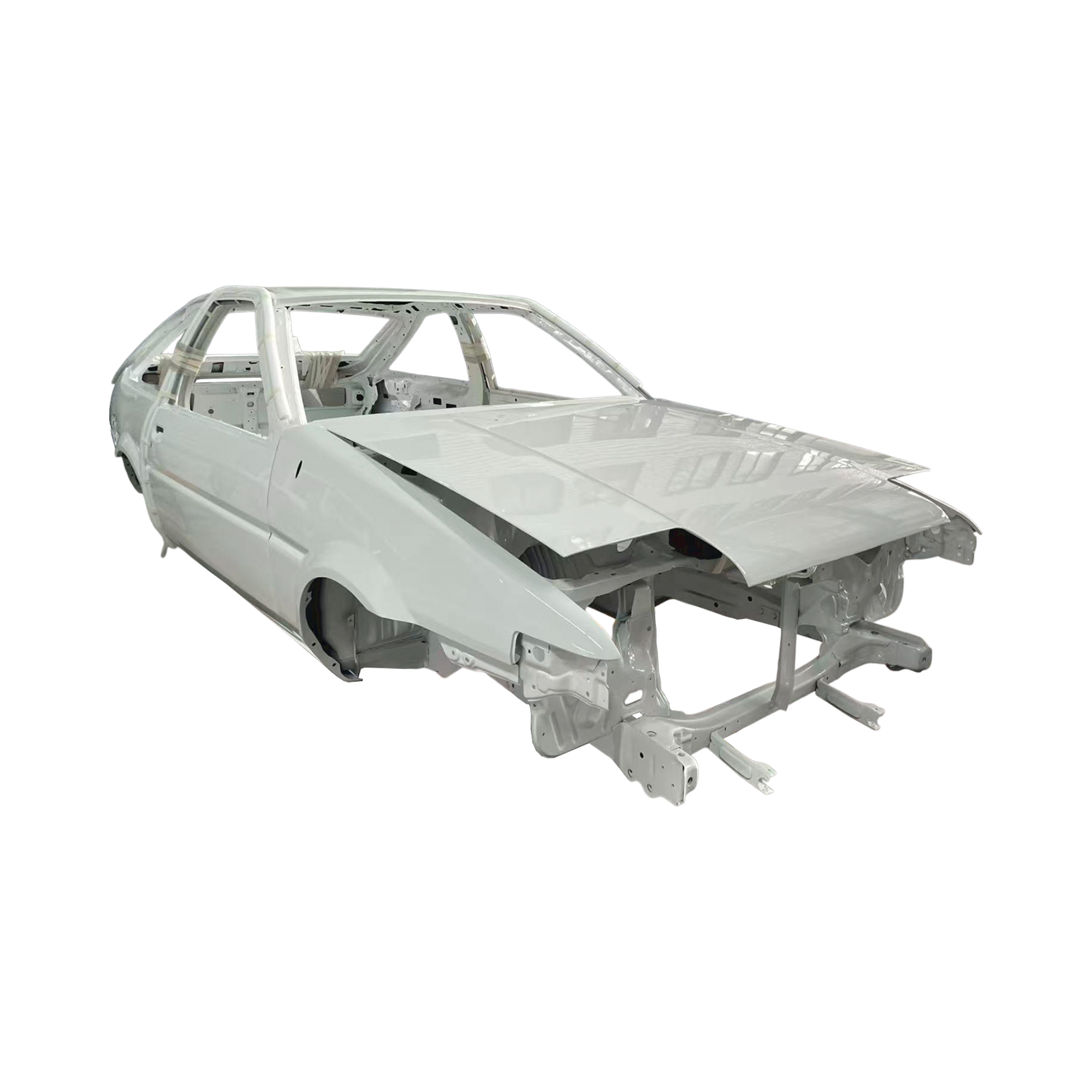 REPLACEMENT COMPLETE CAR BODY ASSEMBLY, 1983-1987, FOR TOYOTA AE86
-
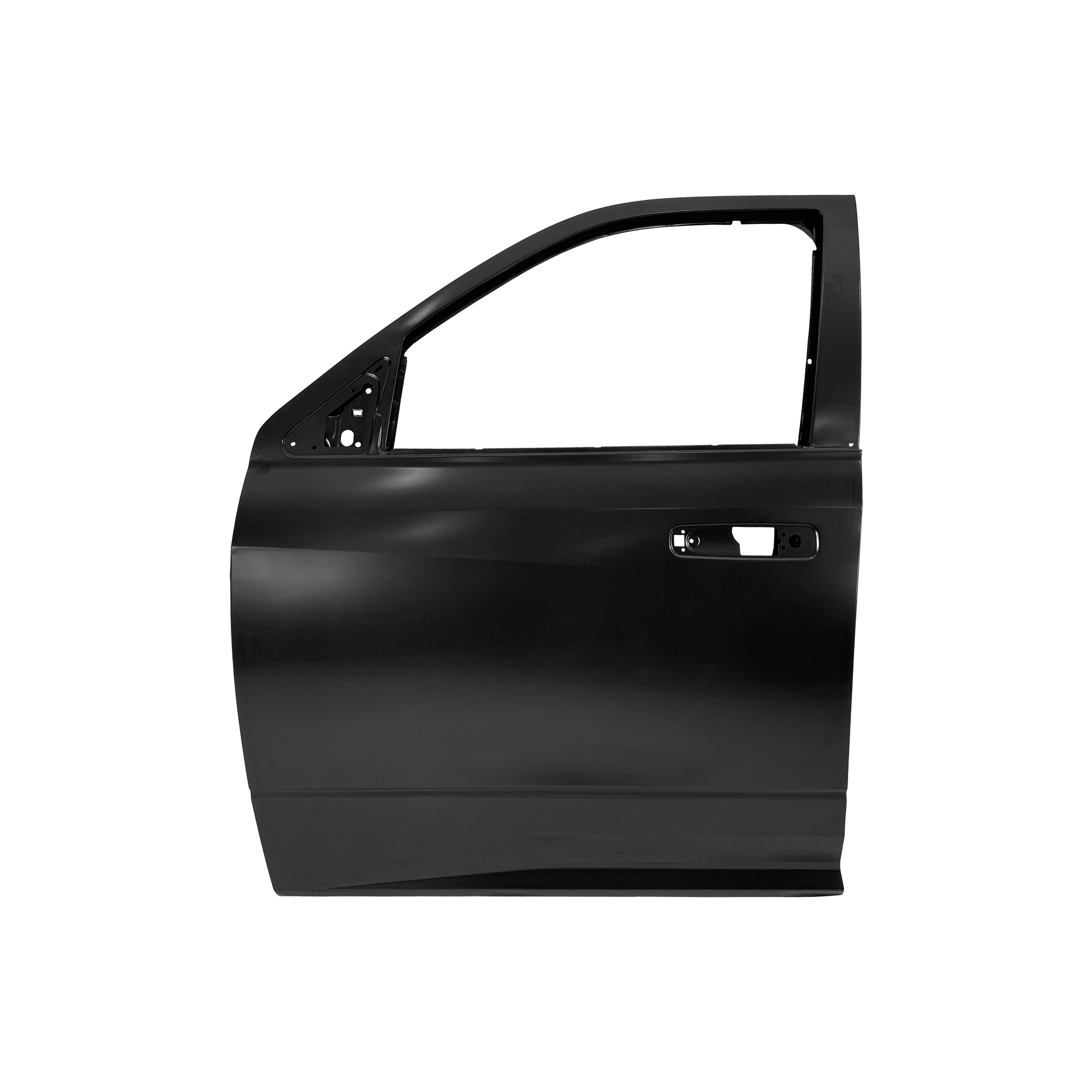 REPLACEMENT FRONT DOOR LH, 2013-2018, FOR DODGE RAM 1500, 68144729A, (STEEL)
-
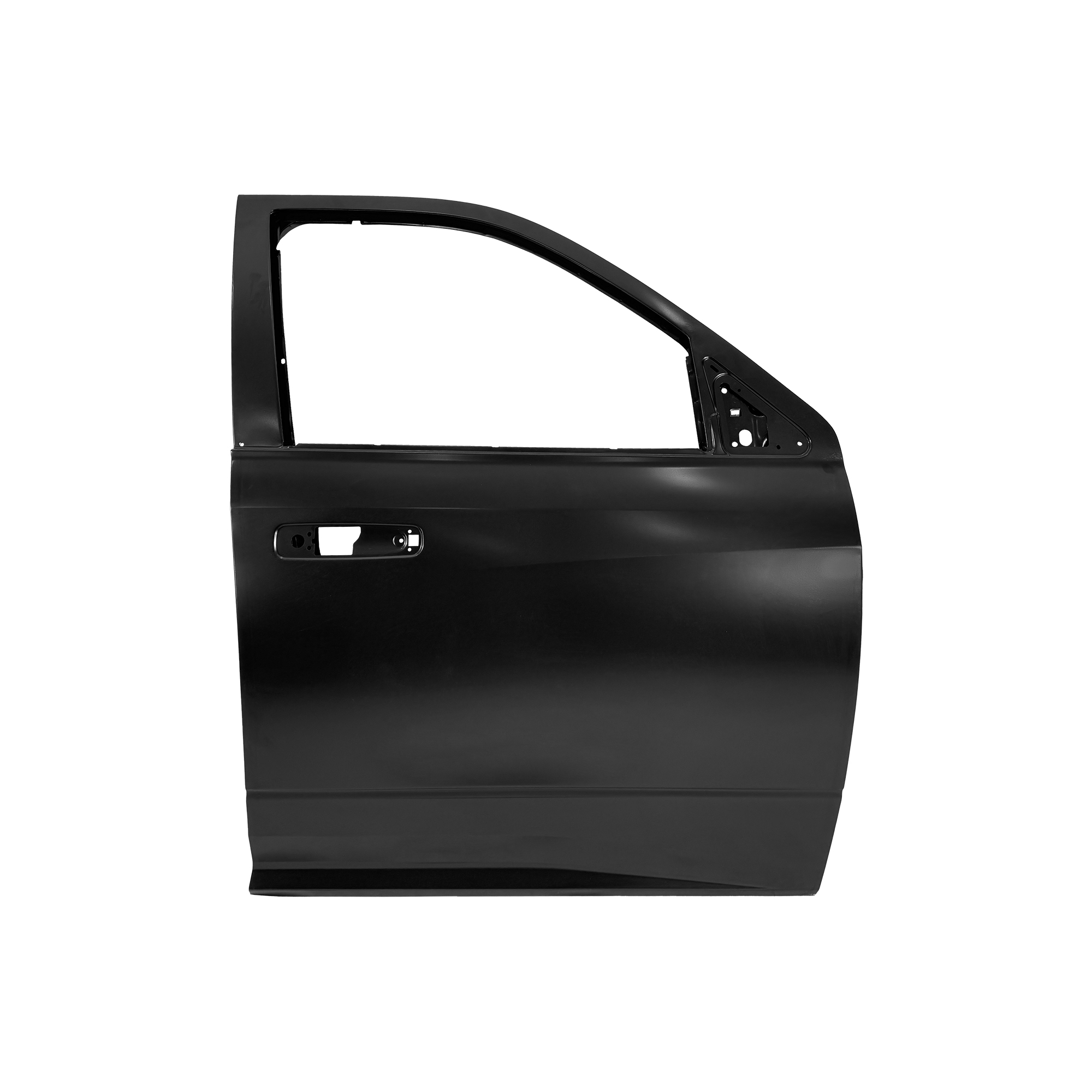 REPLACEMENT FRONT DOOR RH, 2013-2018, FOR DODGE RAM 1500, 68144728A, (STEEL)
-
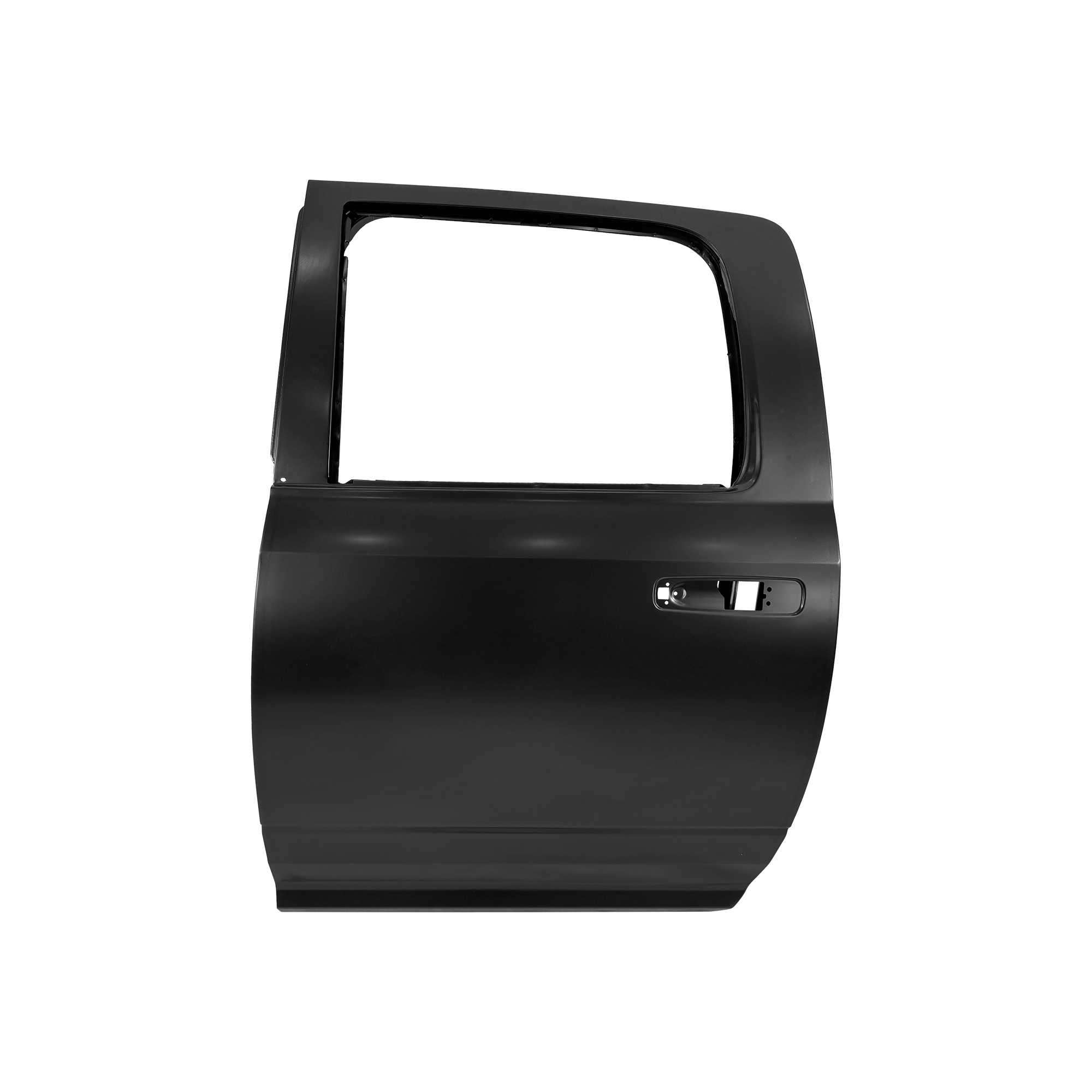 REPLACEMENT REAR DOOR LH, 2013-2018, FOR DODGE RAM 1500, 4589873A, (STEEL)
-
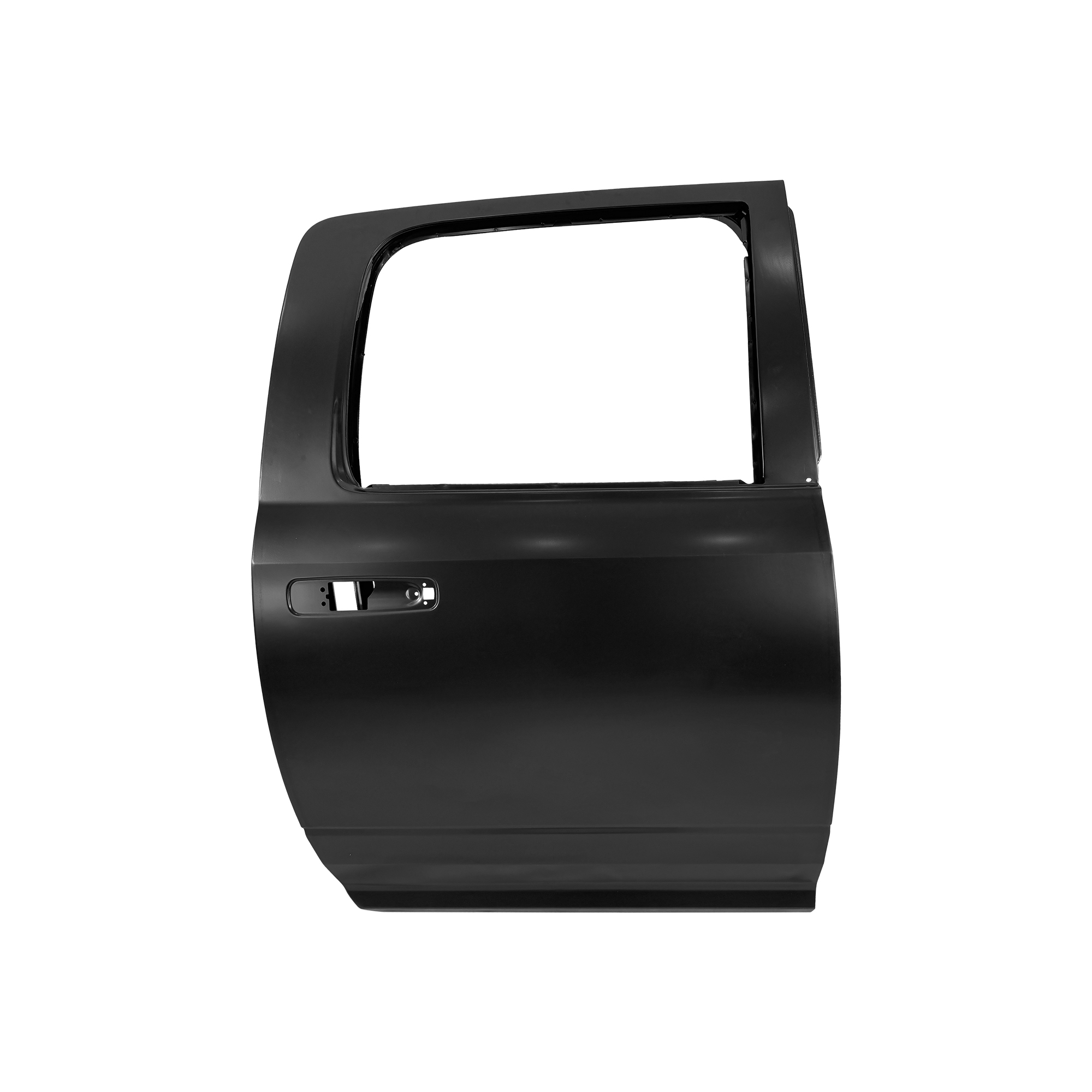 REPLACEMENT REAR DOOR RH, 2013-2018, FOR DODGE RAM 1500, 4589872A, (STEEL)
-
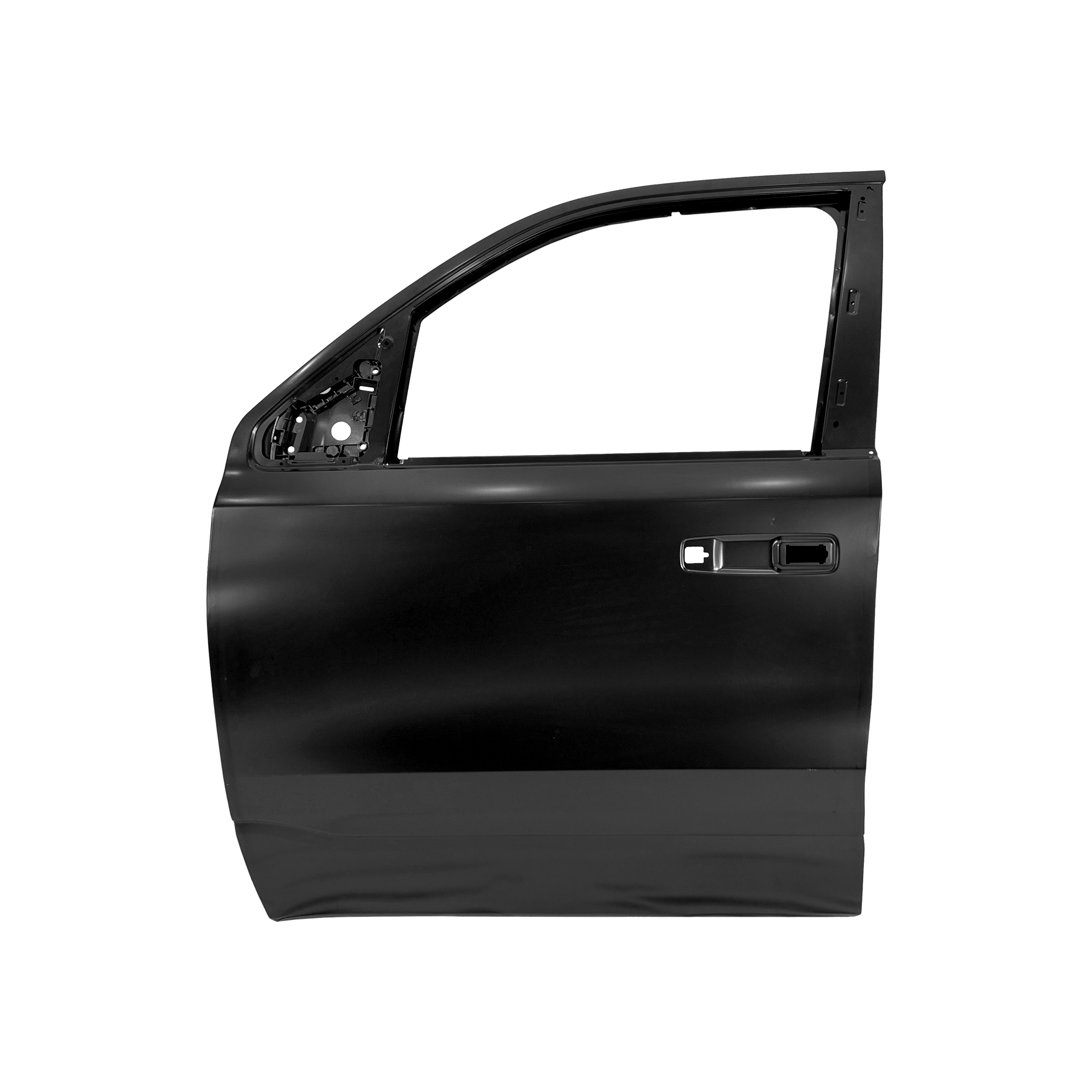 REPLACEMENT FRONT DOOR LH, 2019, FOR DODGE RAM 1500, 68292435AC, (STEEL)
-
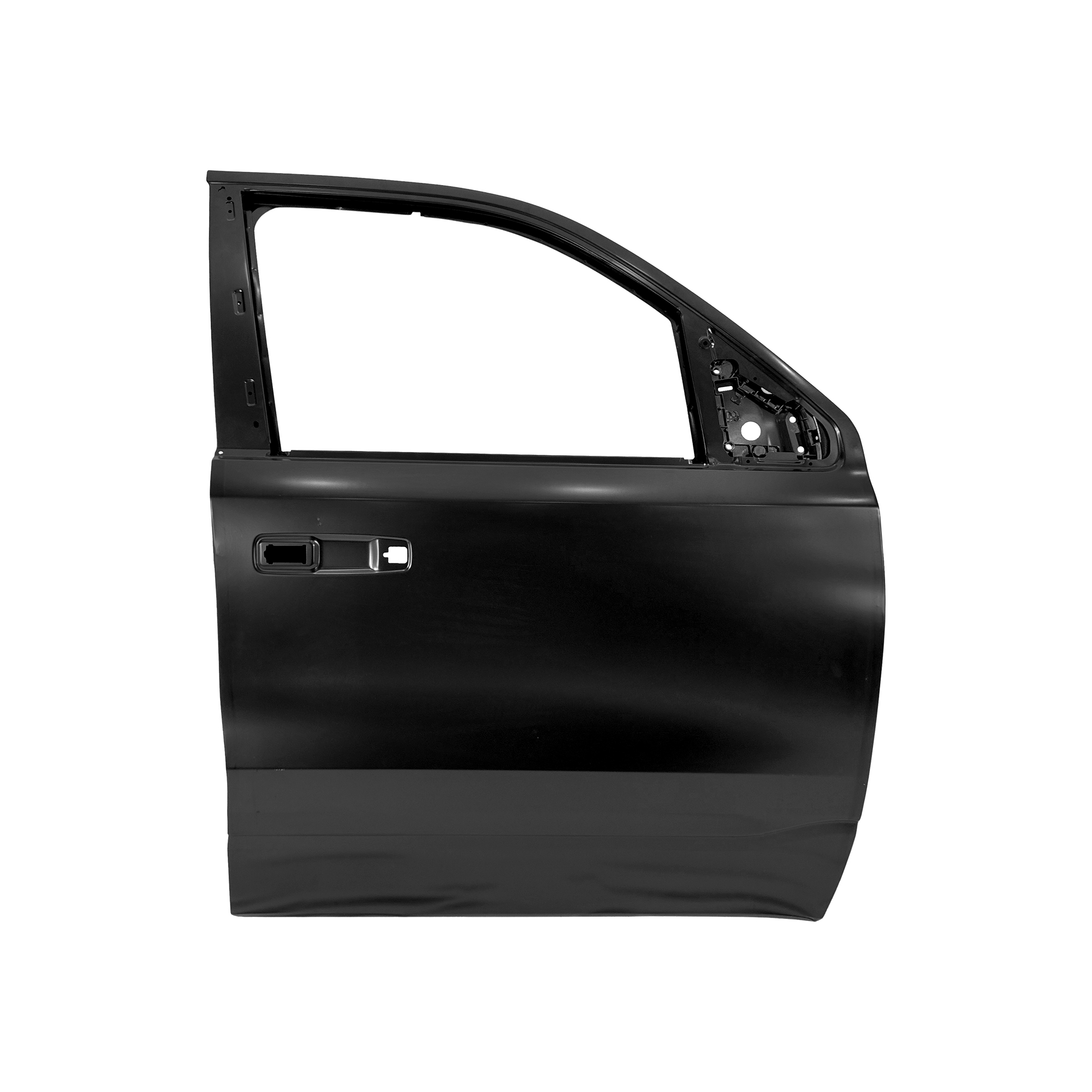 REPLACEMENT FRONT DOOR RH, 2019, FOR DODGE RAM 1500, 68292434AC, (STEEL)
Copyright @ Jiangsu Juncheng Vehicle Industry Co., Ltd. All Rights Reserved.
