
 English
 Español
 عربى
عربى русский
 中文简体
中文简体
What Are Complete Car Shells and How Do You Choose the Right One
What Are Complete Car Shells?
Complete car shells refer to the full body structure of a vehicle — essentially the car's outer framework stripped of its mechanical components. This includes the roof, doors, floor pan, quarter panels, pillars, and front and rear sections, all welded together as one unified unit. Unlike partial panels or individual replacement sections, complete car shells provide the entire body in one piece, preserving the factory geometry and structural integrity of the original vehicle.
For restorers, custom builders, and motorsport teams, complete car shells represent the ideal foundation. They eliminate the guesswork of sourcing multiple separate panels and ensure that all body lines align correctly from the start. Whether you're rebuilding a classic muscle car, preparing a race vehicle, or tackling a major collision repair, starting with a complete car shell gives you a clean, solid base to work from.
Types of Complete Car Shells Available
Not all complete car shells are created equal. They broadly fall into three categories, each with its own strengths, trade-offs, and ideal use cases.
Used OEM
Sourced from salvage vehicles. Most affordable, carries original factory quality — but may need rust treatment or straightening before use.
New Old Stock
Rare, unused factory bodies held in storage. Command a premium price but offer the closest experience to an original factory build.
Reproduction
Manufactured by specialists to replicate original designs. Popular for Mustangs, Camaros, and Challengers — quality has improved dramatically.
Modern reproduction complete car shells have closed the quality gap considerably. Reputable manufacturers now produce shells with consistent door gaps, sharp body line stampings, and correctly positioned mounting points — making them a practical choice when original shells are unavailable or prohibitively expensive.
Who Uses Complete Car Shells?
Starting with a complete car shell allows a restoration to proceed without compromise — the original drivetrain and trim transplanted into a fresh foundation.
The demand for complete car shells spans several industries and communities. Classic car restorers are among the most active buyers. When an original vehicle's body is too far gone — eaten by rust, crushed, or fire-damaged — a replacement shell allows the restoration to proceed without compromise. The original drivetrain, interior, and trim pieces can be transplanted into a fresh shell, effectively giving the car a new life.
Motorsport builders also rely heavily on complete car shells. Track-prepared vehicles often need to start from a bare, clean shell to allow full roll cage installation and weight reduction. A shell free from previous damage or repair work simplifies the cage build and ensures consistent weld points throughout. In drag racing in particular, complete car shells from popular models are frequently sought to create competitive, lightweight builds.
Insurance repair facilities and collision centers also occasionally source complete car shells when the extent of structural damage on a high-value vehicle makes a full body replacement more economical than panel-by-panel repair.
What to Look for When Buying
Purchasing complete car shells requires careful evaluation. The most critical areas to inspect are the floor pans, door apertures, firewall, and any structural seams. Rust is the primary enemy — surface rust can often be treated, but rust that has compromised structural metal requires welding repairs that add cost and complexity to any project.
When evaluating complete car shells, always assess: floor pan integrity · door gap consistency · firewall condition · weld seam quality · quarter panel rust · any prior straightening repairs.
For reproduction complete car shells, fitment quality is the key concern. Always verify that the supplier has a track record with positive reviews from the restoration community. Check that door gaps are consistent, body line stampings are sharp and correctly positioned, and that mounting points for mechanical components are accurately placed. Poor fitment on a reproduction shell can cost you far more in labor corrections than you saved on the purchase price.
If purchasing used OEM complete car shells remotely, request thorough photo documentation of all four corners, the underside, and any areas known for rust on that particular model. A professional pre-purchase inspection is a small investment that can prevent costly surprises upon delivery.
Shipping and Handling Complete Car Shells
Transporting complete car shells is a significant logistical undertaking. Due to their size and weight, standard freight shipping is not suitable. Most buyers use flatbed truck transport or enclosed car carriers. It is essential to ensure the shell is properly supported at its designated lift points during loading and unloading — improper handling can distort door openings and structural seams.
Some suppliers of complete car shells offer delivery with skid mounting, which provides a stable base and protects the underside during transit. Always factor shipping into your total project cost as a substantial line item — moving complete car shells across long distances can rival or exceed the cost of the shell itself in some cases.
FAQs
Are complete car shells VIN-titled?
This depends on the source. Used OEM complete car shells from salvage yards typically come with a title tied to the original VIN. Reproduction shells do not carry a factory VIN. If you're building a road-registered vehicle, check your local regulations regarding VIN assignment and modified vehicle titling requirements.
Can I use a complete car shell from a different model year?
Yes — particularly within generation-specific model families that share the same basic dimensions and mounting points. However, always verify component compatibility for your specific mechanical setup before committing to a shell from a different year.How do I protect a complete car shell during a long-term project?
Apply a quality primer or epoxy coating as soon as possible after receiving the shell. Store it in a dry, enclosed space off the ground. Moisture is the biggest threat to bare metal complete car shells during extended storage periods.
Are reproduction complete car shells street-legal?
Reproduction shells are just a body structure — legality depends on how the finished vehicle is registered and whether it meets your jurisdiction's requirements for road-going vehicles. Consult a local registration authority or automotive specialist if you are uncertain about compliance.
-
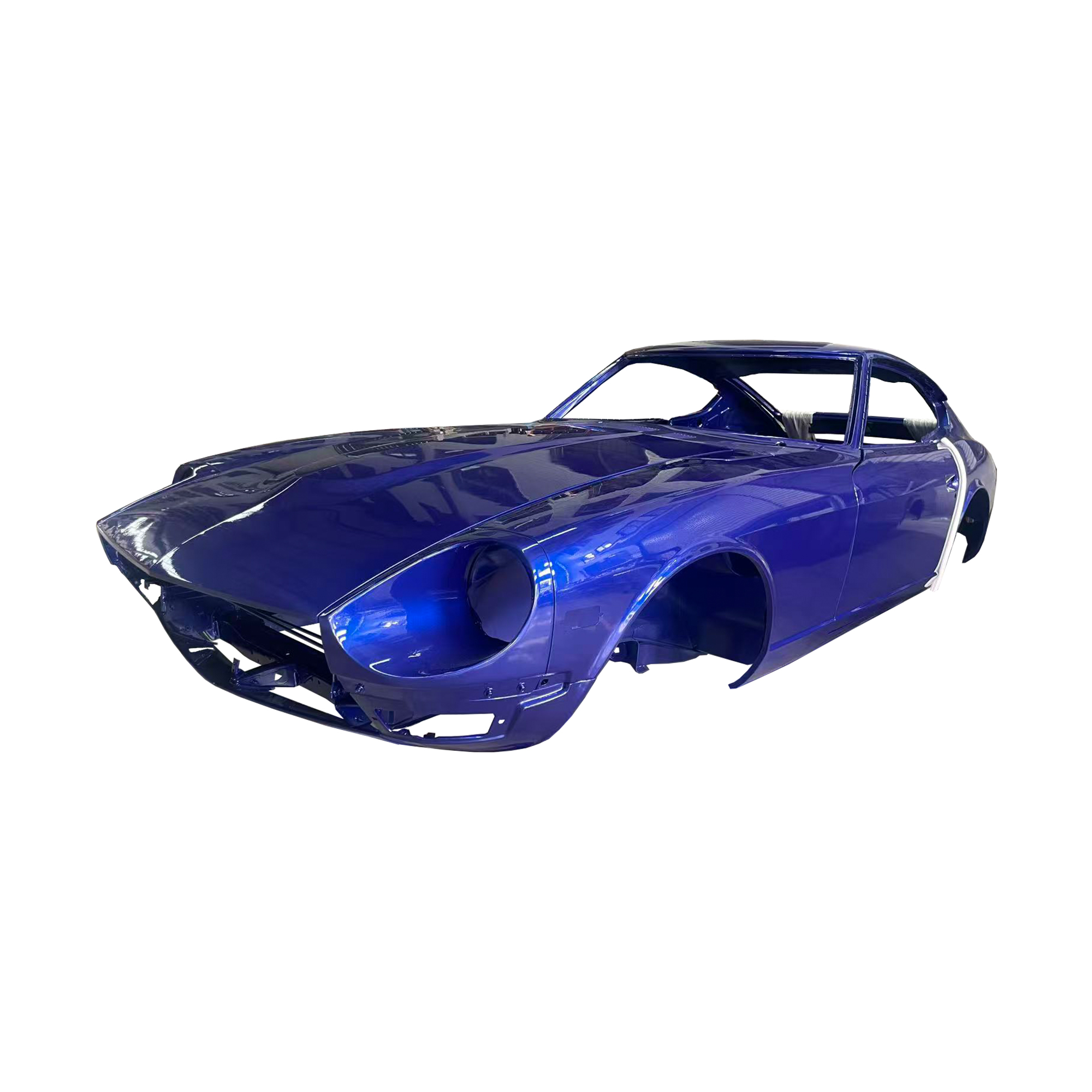 REPLACEMENT COMPLETE CAR BODY ASSEMBLY, 1969-1973, FOR NISSAN DATSUN 240Z
-
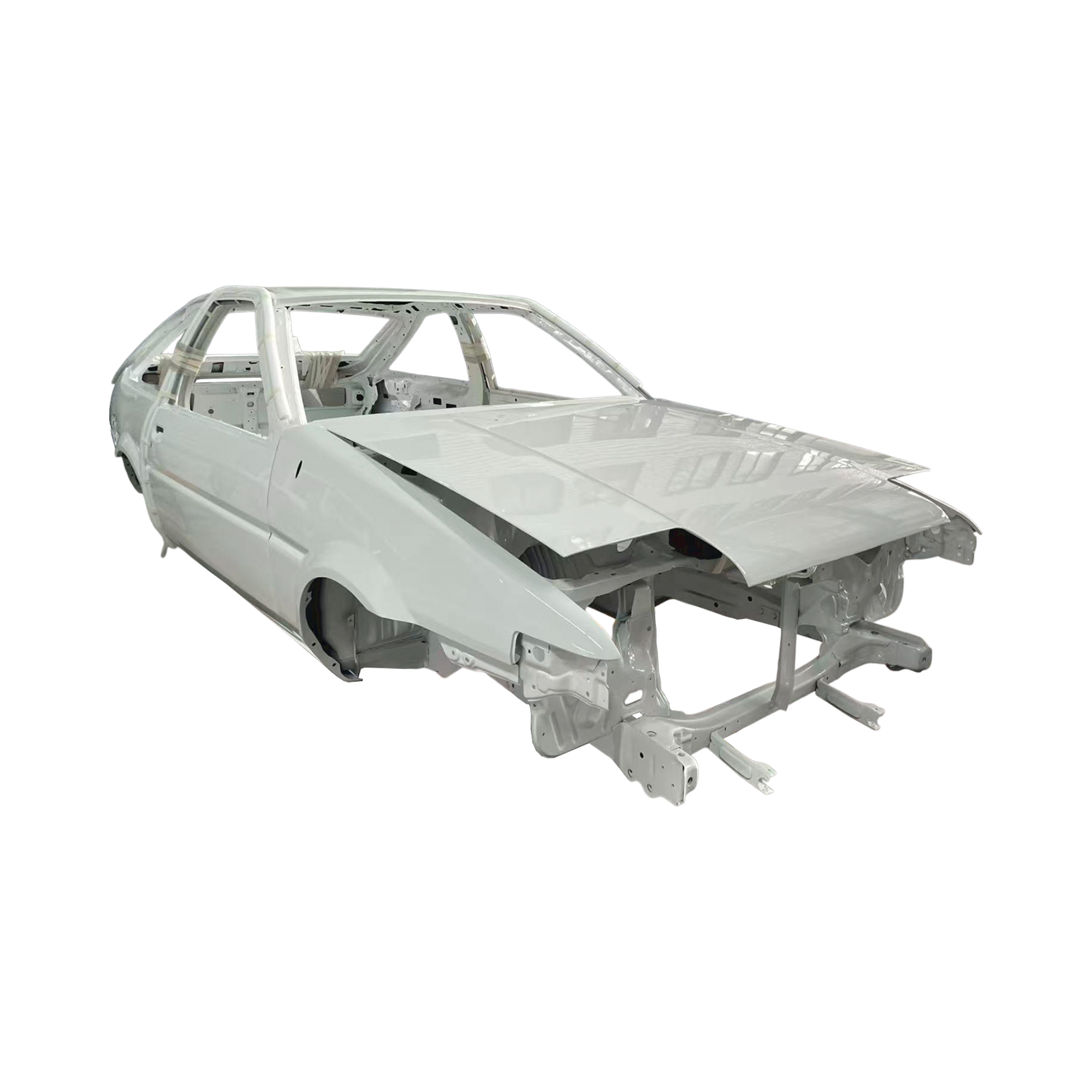 REPLACEMENT COMPLETE CAR BODY ASSEMBLY, 1983-1987, FOR TOYOTA AE86
-
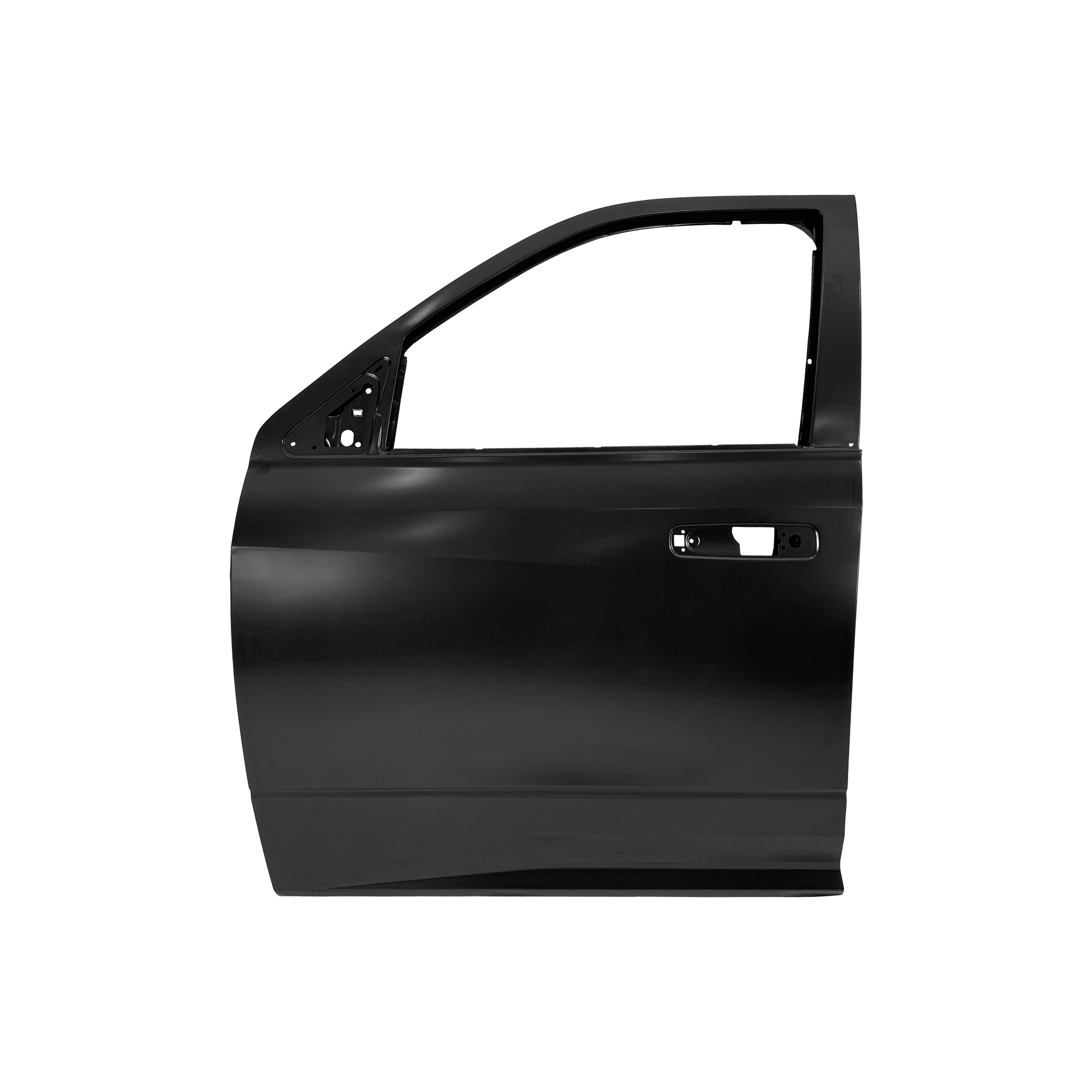 REPLACEMENT FRONT DOOR LH, 2013-2018, FOR DODGE RAM 1500, 68144729A, (STEEL)
-
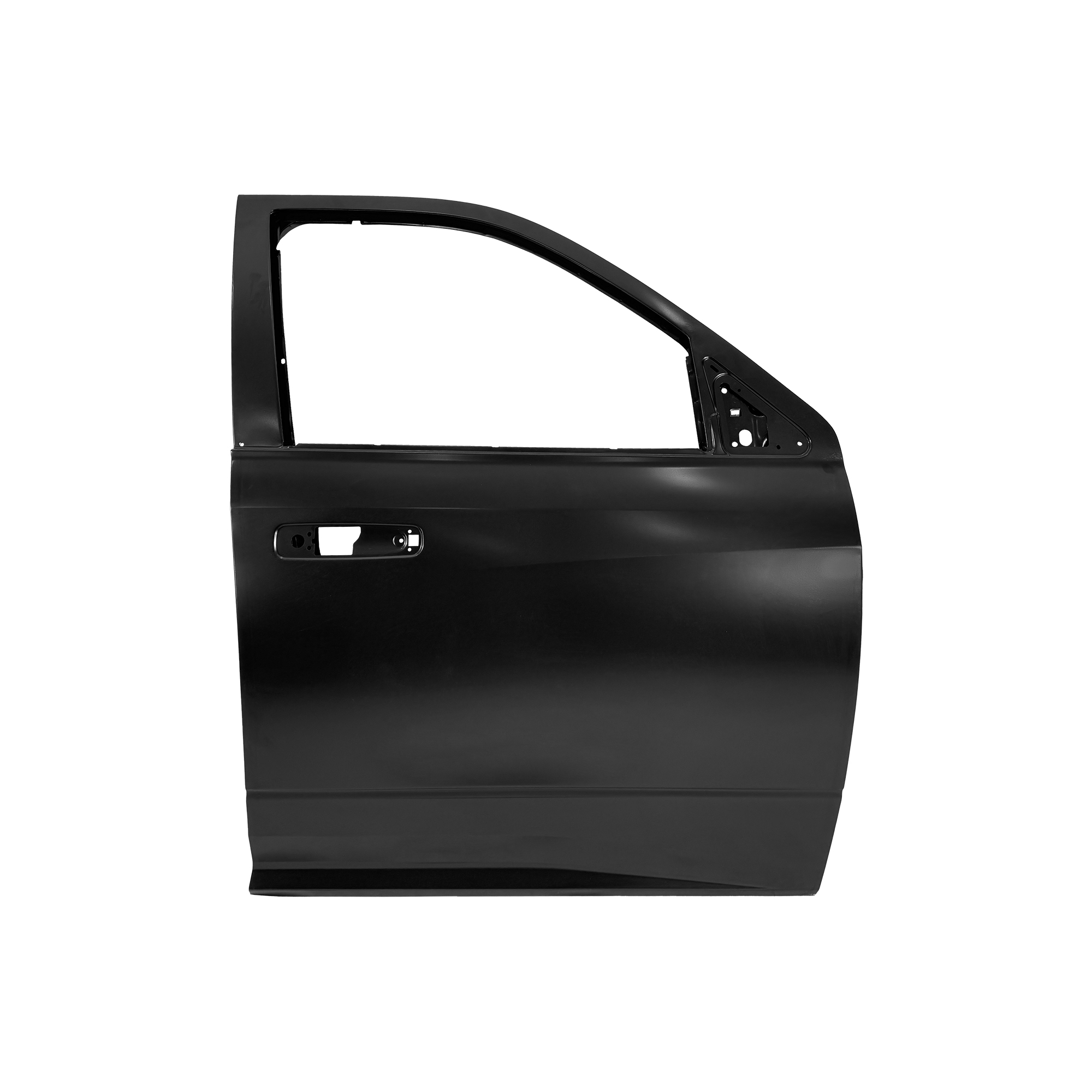 REPLACEMENT FRONT DOOR RH, 2013-2018, FOR DODGE RAM 1500, 68144728A, (STEEL)
-
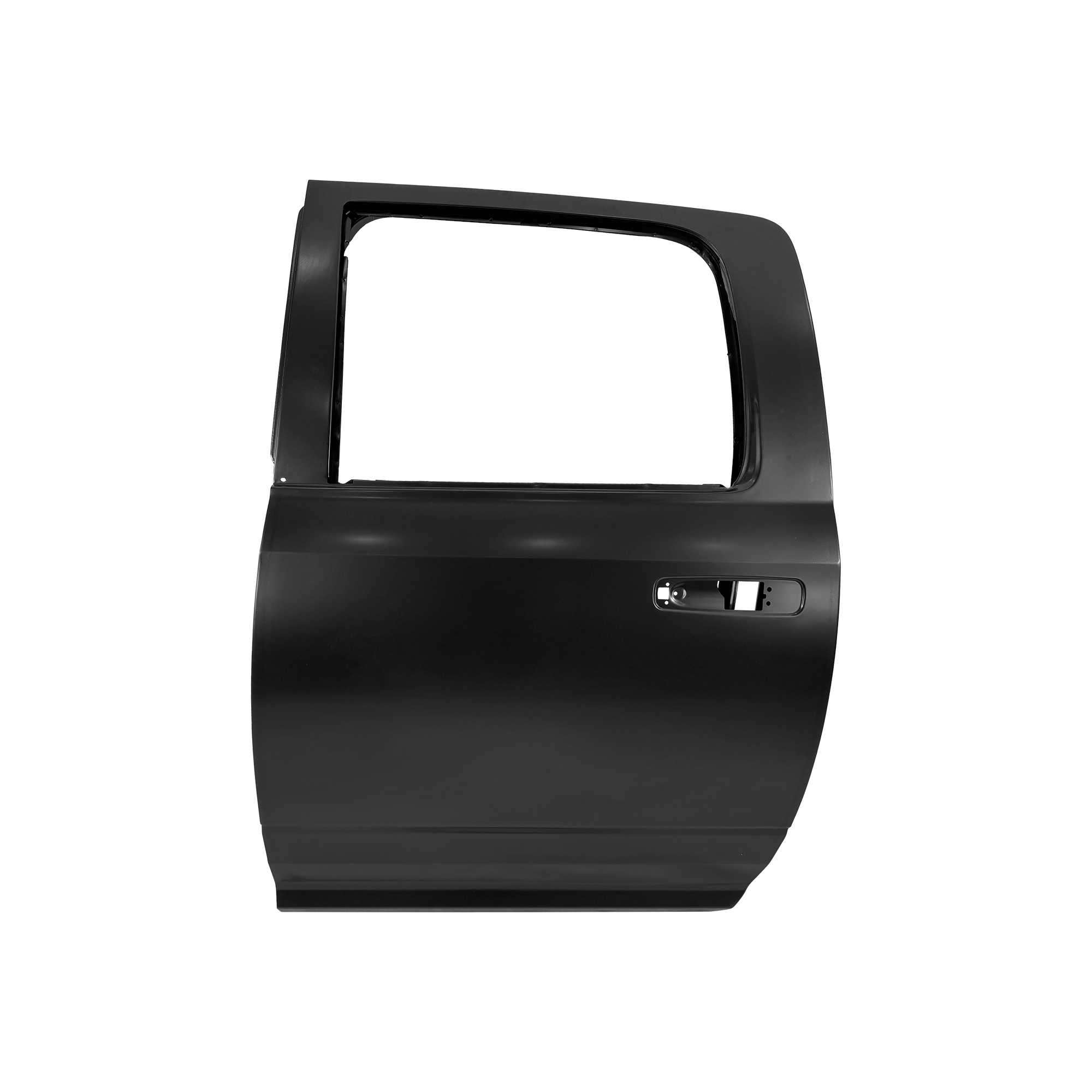 REPLACEMENT REAR DOOR LH, 2013-2018, FOR DODGE RAM 1500, 4589873A, (STEEL)
-
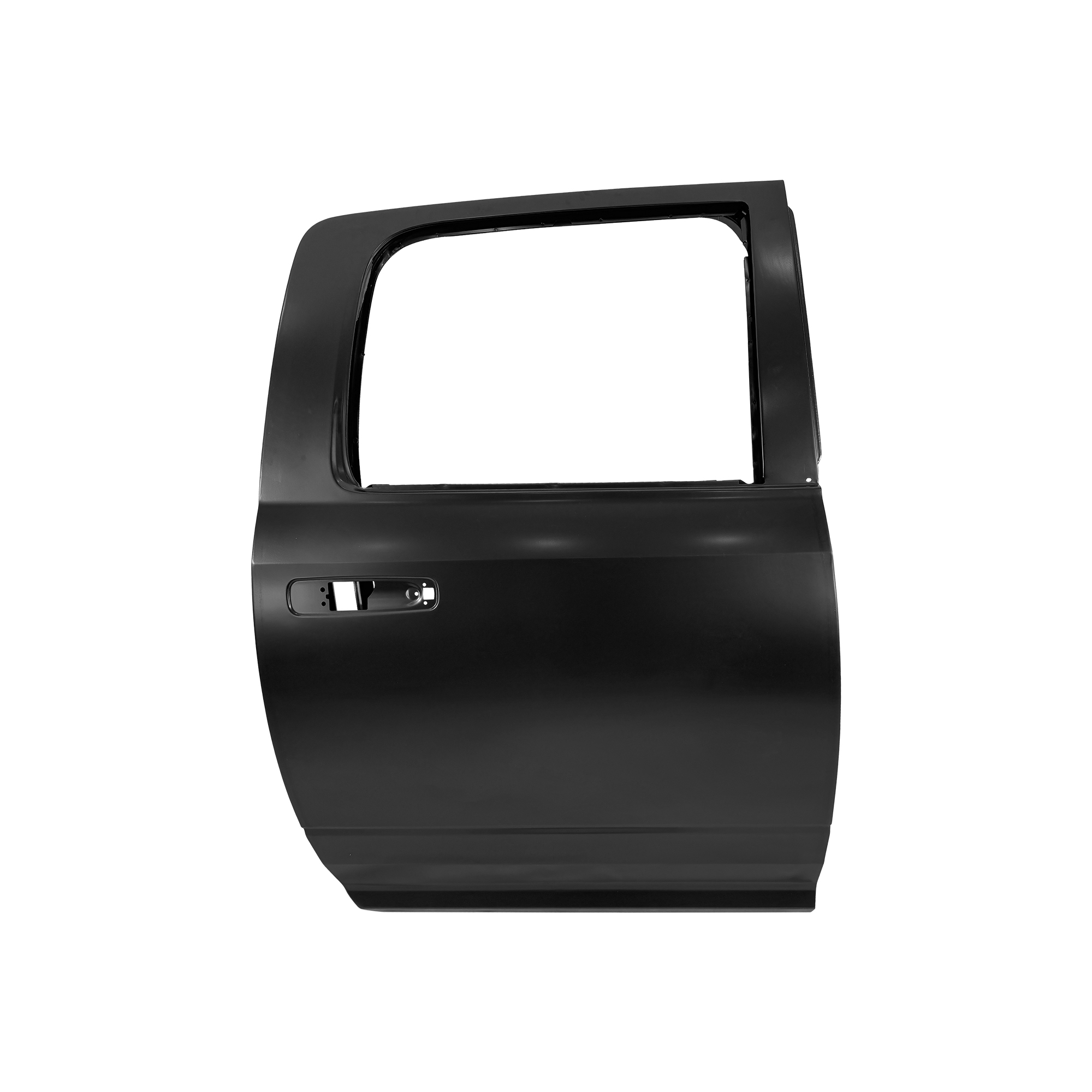 REPLACEMENT REAR DOOR RH, 2013-2018, FOR DODGE RAM 1500, 4589872A, (STEEL)
-
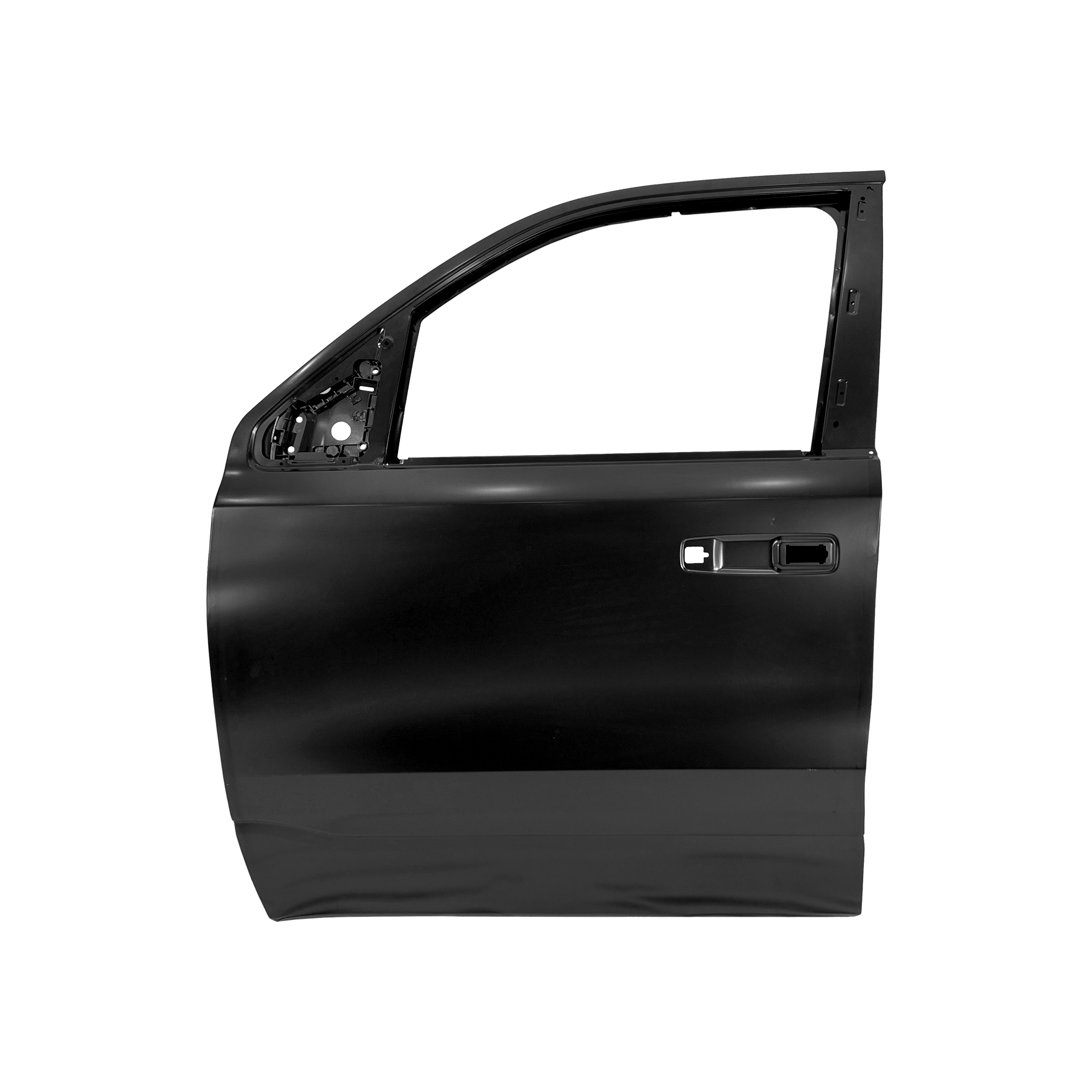 REPLACEMENT FRONT DOOR LH, 2019, FOR DODGE RAM 1500, 68292435AC, (STEEL)
-
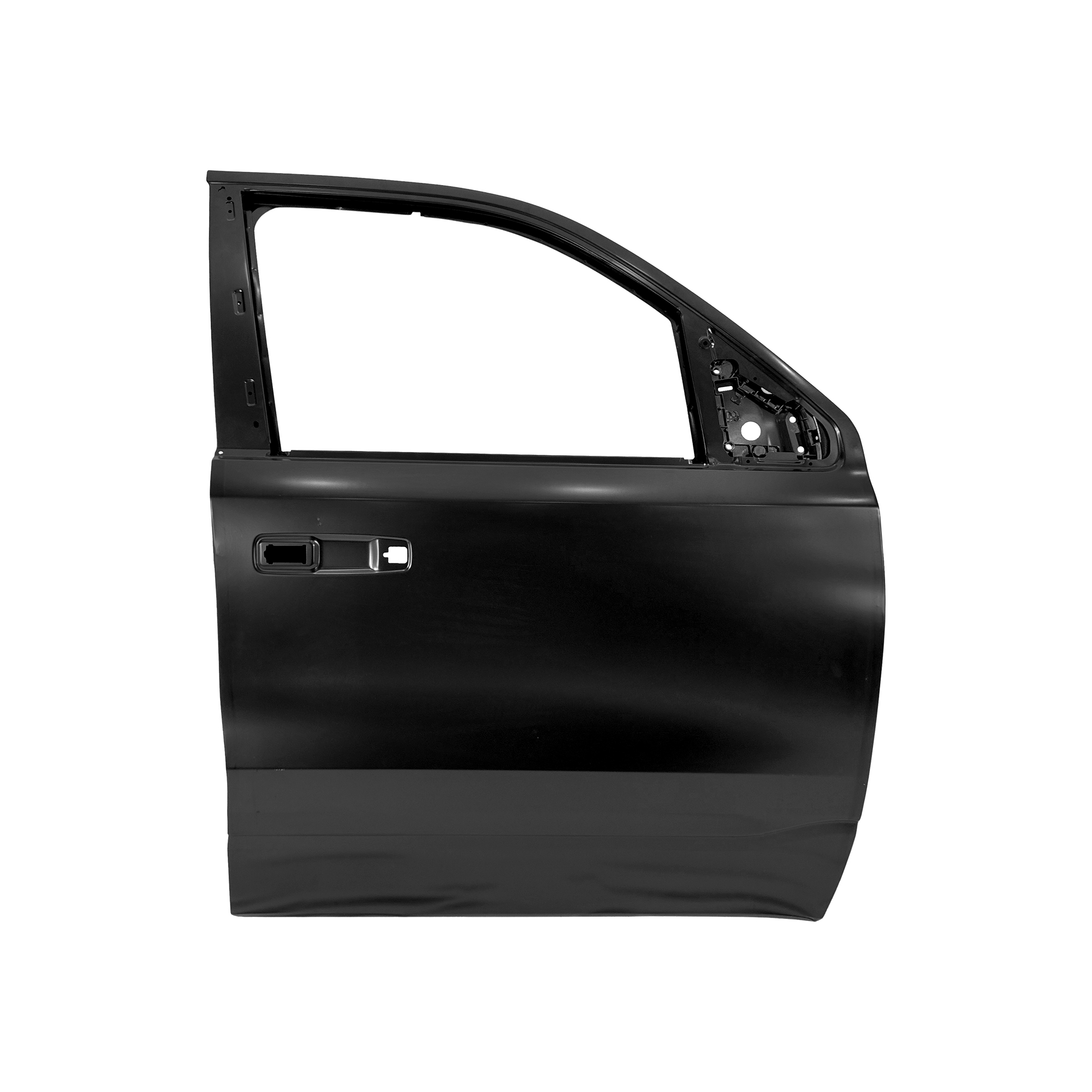 REPLACEMENT FRONT DOOR RH, 2019, FOR DODGE RAM 1500, 68292434AC, (STEEL)
Copyright @ Jiangsu Juncheng Vehicle Industry Co., Ltd. All Rights Reserved.
