
 English
 Español
 عربى
عربى русский
 中文简体
中文简体
How to choose the right auto body replacement parts
Understanding Auto Body Replacement Parts
In the process of owning or maintaining a vehicle, understanding and selecting the appropriate automotive parts is crucial, especially those core components that make up the vehicle's exterior appearance and protective structure. This guide will focus on the importance, types, and how to make the right choices regarding Auto Body Replacement Parts.
1. Defining Auto Body Replacement Parts
Auto Body Replacement Parts refer to the exterior and structural frame components of a vehicle that are replaced due to damage, corrosion, or wear. These car body parts primarily serve two major functions:
- Protective Function: Acting as the vehicle's outer "skin," they protect internal mechanical parts, electronic systems, and occupants from environmental impact and collision damage.
- Structural Function: Including key components like the frame rails and pillars, they collectively determine the vehicle's overall rigidity, handling performance, and the ability to absorb energy and protect occupants during a crash.
Common Auto Body Replacement Parts include fenders, hoods, bumpers, doors, lights, and the structural components hidden beneath the exterior panels.
2. The Critical Role of Quality Auto Body Replacement Parts
Using high-quality auto body replacement parts is about more than just aesthetics; it directly impacts the vehicle's safety, performance, and long-term value.
| Consideration Factor | Benefits of Using High-Quality Parts | Risks of Using Low-Quality Parts |
| Safety | Ensures collision energy absorption zones and occupant protection systems (like airbag sensors) function correctly, maintaining vehicle structural integrity. | May not absorb or deform as expected during a crash, endangering occupant safety. |
| Structural Integrity | The material and manufacturing precision of car body parts meet OEM standards, preserving the vehicle's original rigidity and geometry. | Could lead to frame distortion or loose components, affecting vehicle handling and suspension alignment. |
| Fit and Compatibility | Precise parts ensure a perfect fit, simplifying installation and preventing water, wind, or dust from entering the cabin. | Large part tolerances may require additional cutting or modification to install, leaving visible gaps. |
| Appearance and Durability | Quality surface treatments (like anti-rust coating) and materials resist corrosion, maintaining long-term appearance consistency. | Prone to rust, poor paint adhesion, and potential fading or peeling in the short term. |
| Resale Value | Repaired vehicles maintain an appearance and structural condition close to the original, helping to maintain a higher market value. | Visible seams or uneven paint finishes will lower the vehicle's overall appeal. |
3. Common Scenarios Requiring Auto Body Replacement Parts
The demand for auto repair parts typically arises from the following situations:
- Collision Damage: This is the primary cause. Whether it's a minor scratch or a severe accident, it often requires replacing exterior panels and lighting such as bumpers, fenders, headlights, or taillights.
- Rust and Corrosion: In humid or high-salt areas, auto body panels (especially rocker panels and the bottom of doors) need replacement due to corrosion.
- Wear and Tear: The plastic casing of headlights may fog due to UV exposure, affecting illumination; or active components like door hinges may loosen or fail due to long-term use.
Selecting the correct Auto Body Replacement Parts is the first step toward a successful repair, impacting your vehicle's safety, performance, and longevity.
Categories of Auto Body Replacement Parts
This section details the various types of Auto Body Replacement Parts, covering everything from visible exterior panels to crucial internal structural components, which constitute the vehicle's appearance, safety, and function.
1. Exterior Body Panels and Shells
These are the most common auto body panels to be damaged in a collision and are crucial for aesthetics and aerodynamics.
- Fenders:
- Function: Cover the tires and protect the engine bay and cabin from road debris and splashes.
- Materials: Traditionally steel, but modern vehicles also widely use aluminum (for weight reduction) or plastic/composite materials.
- Replacement Considerations: Ensure the new fenders align perfectly with the bumper, door, and hood lines to maintain correct gaps and appearance.
- Hoods:
- Types and Materials: Primarily steel or aluminum. High-performance vehicles may use carbon fiber for ultimate weight savings.
- Aerodynamic Impact: The shape of the hood helps direct airflow, influencing the vehicle's drag.
- Safety Aspects: Modern hoods are designed with pedestrian protection in mind, offering a cushioning space during a collision.
- Doors:
- Composition: Can involve replacing the entire door assembly or just individual components (such as window regulators, door handles, door mirrors, and hinges).
- Function: Contain complex safety systems (side impact beams) and convenience features (power windows, central locking).
- Bumpers:
- Type and Function: Primarily consist of a plastic shell and internal energy absorbers (such as foam or a metal beam). In low-speed collisions, bumpers absorb the impact to protect the main body structure.
- Safety Standards: Replaced bumpers must comply with strict safety standards for collision and pedestrian protection.
- Role: Differentiate between the bumpers shell in pure car body parts (for appearance only) and the internal structural crash beam (a critical safety part).
- Grilles:
- Materials: Typically plastic or chrome trim.
- Function: Serve both a decorative and functional role; their design dictates the airflow into the engine bay, which is critical for the cooling system (radiator).
- Tailgates/Liftgates:
- Functionality: Provide access to the trunk or cargo area and often integrate the rear window, locking mechanisms, and wiring harnesses.
- Common Issues: May require replacement due to hinge, shock absorber, or locking mechanism failure from frequent use or external impact.
2. Vehicle Structural Components
These are Auto Body Replacement Parts hidden beneath the exterior panels and are vital for the vehicle's passive safety.
- Frame Rails:
- Importance: The vehicle's main structure, responsible for absorbing and dispersing energy during a collision to protect the occupant cabin. Any repair or replacement of Frame Rails must be precise to maintain the vehicle's original structural integrity.
- Rocker Panels:
- Location and Function: Located beneath the doors, connecting the front and rear wheel arches. They provide structural support, play a role in side impact safety, and are common areas for corrosion.
- Repair Options: Depending on the extent of the damage, they can be partially patched or fully replaced.
- Pillars (A, B, C):
- Role: The A-pillars are on either side of the windshield; the B-pillars are between the front and rear doors (on four-door vehicles); the C-pillars are on either side of the rear window. They are critical for roof support and crucial in vehicle rollover accidents. Replacing or repairing these car body parts often requires professional welding and calibration.
3. Lighting System Auto Body Replacement Parts
The lighting system consists of important safety auto repair parts that must ensure correct operation and proper aiming.
- Headlights:
- Types: halogen, LED (Light-Emitting Diode), and HID (High-Intensity Discharge).
- Beam Patterns and Regulations: When replacing headlights, ensure their beam pattern and brightness comply with traffic regulations, and perform correct aiming.
- Taillights:
- Function: Provide vehicle position indication, brake indication, and turn indication.
- Safety: The brightness and color of taillights must adhere to safety standards to ensure clear visibility for following vehicles.
- Signal Lights:
- Importance: Crucial for clearly communicating driving intentions. Their proper function is a basic requirement for road safety.
4. Essential Miscellaneous Auto Body Replacement Parts
- Mirrors:
- Types: Can be manual or power-adjustable, and may include features like heating, integrated turn signals, and advanced blind-spot monitoring.
- Function: Ensure rear and side visibility; many modern vehicle mirrors also integrate critical electronic systems.
- Windows and Glass:
- Composition: Includes windshields, side windows, and rear windows.
- Structural Role: The windshield is a vital component of the structural rigidity between the A-pillars and must be installed by professionals using the correct adhesives.
- Trim and Molding:
- Function: These car body parts primarily serve aesthetic and protective roles, such as wheel arch trim to prevent splashing, and window molding for appearance and waterproofing.
Critical Factors for Choosing Auto Body Replacement Parts
When purchasing car body parts, making an informed decision is vital, as it directly affects the quality of the repair, the cost, and the vehicle's long-term safety and performance. This section will guide you on how to weigh different types of auto repair parts and ensure you select components with the highest quality and compatibility.
1. Understanding OEM vs. Aftermarket Parts
This is the most central decision when selecting Auto Body Replacement Parts.
Definitions and Comparison:
| Characteristic | OEM Parts (Original Equipment Manufacturer) | Aftermarket Parts |
| Definition | Produced by the vehicle manufacturer or its authorized supplier, identical to the component installed when the vehicle left the factory. | Auto repair parts produced and sold by third-party companies, designed to be compatible with specific vehicle models. |
| Advantages | Perfect fit, guaranteed quality and material, preserves vehicle's original warranty and structural integrity. | Cost is usually significantly lower than OEM, wide market availability, and various quality and price options. |
| Disadvantages | More expensive, procurement may take a longer time. | Fit may have slight deviations, inconsistent material and manufacturing quality, may lack certain safety certifications. |
| Applicable Scope | Critical safety parts (e.g., structural beams, interior of bumpers), vehicles under warranty, auto body panels requiring extreme precision. | Non-critical appearance parts (e.g., trim), budget-conscious repairs, older vehicles. |
Consideration of Certified Aftermarket Parts:
To address the inconsistent quality of regular aftermarket parts, Certified Aftermarket Parts have emerged in the market. These car body parts are tested and certified by independent third-party organizations (e.g., for material strength, corrosion resistance, and fitment), aiming to provide near-OEM quality while maintaining a cost advantage.
2. Ensuring Quality and Material Integrity
Quality auto body replacement parts must meet strict physical and chemical standards.
- Importance: Material Strength and Durability
For structural components (like frame rails and A/B/C pillars), the material's yield strength and thickness must match the original part. Using materials with insufficient strength can compromise the vehicle's performance in a future crash.
- Checking for Rust Resistance and Corrosion Protection
All metal auto body panels should undergo professional anti-corrosion treatment, such as galvanization or electrophoretic coating (E-coating). Auto body replacement parts lacking these protective layers will rust quickly, leading to costly secondary repairs.
- Meeting Safety Standards
Especially for headlights, taillights, and bumpers, you must ensure they comply with local traffic and safety regulations for optimal illumination performance and crash protection.
3. Fit and Compatibility Verification
Regardless of whether you choose OEM or aftermarket, accuracy is key to a successful installation.
- Crucial Role of Part Compatibility
Auto Body Replacement Parts can vary in shape and mounting points based on the vehicle's Make, Model, Year, and even Trim Level. You must verify the selected part is fully compatible with your vehicle before purchase.
- Using VIN (Vehicle Identification Number) for Accurate Identification
The VIN is your vehicle's unique digital fingerprint. It contains all the configuration information for the vehicle. Using the VIN to look up auto repair parts minimizes errors, especially for complex electronic or structural components.
4. Cost and Value Considerations
While cost is an important constraint, when it comes to auto repair parts, value should be prioritized over low price.
- Balancing Cost, Quality, and Longevity
Investing in more durable, quality auto body replacement parts can prevent repeat repair costs caused by corrosion or poor fitment. Low-cost parts may end up costing more overall if they require extra labor hours for adjustment during installation.
- Obtaining Multiple Supplier Quotes
For important auto body panels, it is advisable to get quotes from different suppliers (such as dealerships, professional parts distributors, and certified aftermarket part suppliers) to make the most economical and high-quality decision.
Installation and Practical Considerations for Auto Body Replacement Parts
Even when the highest quality Auto Body Replacement Parts have been selected, correct installation is critical to ensuring the vehicle is restored to a safe and aesthetically pleasing condition. This section will discuss the choice between DIY and professional installation, the tools required, and essential safety precautions.
1. DIY vs. Professional Installation
Before beginning the installation of car body parts, you must assess the complexity of the repair and your own skill level.
- Assessing Your Skills and Tools
Simple, non-structural replacements, such as replacing a damaged headlight cover, an easily removable fender, or a taillight, can be performed by individuals with basic mechanical knowledge and tools.
- Advantages: Saves labor costs, increases understanding of the vehicle's structure.
- When to Seek Professional Help
- Structural Repairs: Any work involving welding or calibration of frame rails, rocker panels, or pillars must be handled by a repair shop with specialized equipment (like frame straightening racks) and experience. This directly affects passive safety.
- Safety Systems: Replacement of bumpers or mirrors integrated with airbag sensors or Advanced Driver-Assistance Systems (ADAS). These systems need professional calibration.
| Type of Repair | Recommended Operator | Risk Level |
| Exterior Part Replacement (e.g., simple plastic bumper cover, fender) | DIY or Professional | Low (mainly affects appearance and fitment) |
| Lighting System Replacement (e.g., headlights or taillights) | DIY or Professional | Medium (involves wiring and light aiming) |
| Structural Parts or Body Welding (e.g., frame rails, pillars) | Must be performed by a professional | Extremely High (directly impacts occupant safety and vehicle geometry) |
2. Essential Tools and Equipment
Successful installation of auto body replacement parts requires a range of basic and specialized tools.
- List of Common Bodywork Tools
- Disassembly Tools: Various sizes of wrenches, socket sets, panel removal tools (for clips and trim), rivet guns (for certain fenders or liners).
- Fastening Tools: Torque wrench (to ensure bolts are tightened to the correct specification, especially for critical safety areas).
- Safety Aids: Jack, high-quality jack stands (for supporting the vehicle), tools for disconnecting the battery.
- Safety Gear
Wear safety gloves, eye protection, and dust masks when necessary, especially when sanding or cutting auto body panels.
3. Step-by-Step Guides (General Principles)
While the installation details for every Auto Body Replacement Parts vary, the basic principles are universal.
- Emphasize the Importance of Following Instructions
Always consult the vehicle manufacturer's service manual or the installation guide provided with the auto repair parts. This is crucial for ensuring the correct installation of all fasteners, seals, and electrical connections.
- Basic Disassembly and Installation Steps
- Preparation: Disconnect the battery and secure the vehicle.
- Disassembly: Carefully remove all surrounding connected parts (such as lights, wiring harnesses, trim, and liners).
- Removal of Old Part: Remove all bolts, nuts, and clips, and take out the damaged old car body parts.
- Test Fit New Part: Before tightening the bolts, place the new auto body replacement parts in position and check if all holes and seams align (fitment check).
- Fastening and Adjustment: Gradually tighten the fasteners, adjusting the component as needed to achieve the best panel gaps.
- Reassembly: Reconnect surrounding components and wiring harnesses, and finally, reconnect the battery.
4. Crucial Safety Precautions
Safety must be the number one priority during any auto repair parts installation process.
- Disconnecting the Battery
Always disconnect the negative battery terminal before performing any repairs involving wiring or near airbag sensors.
- Properly Supporting the Vehicle
Never rely solely on a jack to support the vehicle. In any situation where a person needs to be under the vehicle or apply force, certified jack stands with the appropriate load rating must be used.
- Handling Hazardous Materials
Properly dispose of old paint, corroded metal, damaged bulbs, or glass. Many car body parts repairs can generate sharp edges or potentially harmful dust.
Maintaining and Protecting Auto Body Replacement Parts
Once the Auto Body Replacement Parts are installed, proper maintenance and protection are essential to ensure their longevity and preserve the vehicle's overall appearance. Well-maintained car body parts effectively prevent premature corrosion and structural degradation.
1. Regular Cleaning and Washing
Regular cleaning is the foundation for protecting auto body panels and maintaining their appearance.
- Preventing Rust and Corrosion
Especially in winter or coastal regions, road salt and chemicals accelerate the corrosion of metal car body parts. The vehicle should be washed regularly, paying close attention to the inside of the wheel arches, rocker panels, and the liners around the fenders.
- Using Appropriate Cleaning Products
It is recommended to use pH-neutral car-specific detergents. Avoid using strong chemical cleaners or abrasive cleaning tools, as these can damage the paint finish or protective coating of the newly replaced auto body panels.
2. Protective Coatings and Sealants
Providing an extra physical and chemical barrier for auto body replacement parts is an effective way to maximize their lifespan.
- Applying Wax or Paint Sealant
Regularly apply high-quality car wax or polymer paint sealant to all newly painted auto body panels. This creates a protective film on the paint surface, guarding against UV rays, contaminants, and minor physical damage.
| Protective Product Type | Main Advantages | Duration (Approximate) |
| Car Wax (Natural/Synthetic) | Easy to apply, provides deep gloss, basic water protection. | 1–3 months |
| Paint Sealant | Offers stronger chemical and UV protection with excellent durability. | 6–12 months |
| Ceramic Coating | Strongest long-lasting protection, high hardness, strong resistance to scratches and chemicals. | 2–5 years |
- Using Rust Inhibitors
For the vehicle's chassis and internal structural components (such as unpainted frame rails or floor pans), consider spraying professional anti-rust primers or oils to provide extra corrosion protection in damp environments.
3. Addressing Minor Damage Promptly
Quickly dealing with minor damage prevents it from escalating into major problems that require replacing car body parts.
- Repairing Small Dents and Scratches
Even small paint scratches can breach the anti-corrosion barrier on metal, allowing moisture and oxygen to contact the steel, leading to rust. Deep scratches should be repaired immediately using touch-up paint or professional repair kits.
- Preventing Further Deterioration
Address minor dents from collisions promptly to restore the flat surface of the auto body panels and reapply protective coatings. Timely intervention is key to preventing corrosion from spreading to adjacent auto repair parts.
FAQ About Auto Body Replacement Parts
This section answers the most common questions readers encounter when dealing with and selecting Auto Body Replacement Parts.
- Q: Will using Aftermarket Auto Body Replacement Parts void my vehicle's warranty?
A: Generally, no. Using aftermarket parts will not void your entire vehicle warranty unless the manufacturer can prove that the failure of the aftermarket part directly caused damage to the original OEM component. However, during the warranty period, OEM parts are the safer replacement choice.
- Q: How long do Auto Body Replacement Parts typically last before needing replacement again?
A: High-quality car body parts, especially those from reliable suppliers or OEM, can theoretically last as long as the vehicle's lifespan with normal use and proper maintenance. Low-quality aftermarket parts or those without proper anti-corrosion treatment will have a significantly shorter lifespan and may show rust within a few years.
- Q: What is the difference between Bolt-on and Weld-on Auto Body Replacement Parts?
A: Bolt-on: Parts are secured with bolts, nuts, and clips, allowing for relatively easy removal and replacement, such as fenders and bumpers. Weld-on: Parts are integral to the vehicle's structure (like frame rails, pillars) and require professional cutting and welding. This type of repair is critical for safety and must be performed by experienced technicians.
- Q: Can I mix and match OEM and Aftermarket car body parts on my vehicle?
A: Yes, you can. In many cases, a mix is used to balance cost and quality during repairs. It is recommended to choose OEM or certified aftermarket parts for critical safety or structural components (like the internal crash beam of bumpers), while high-quality aftermarket parts can be considered for purely aesthetic components (like grilles or some trim).
- Q: What should I do if my new Auto Body Panel doesn't fit correctly?
A: If the auto body panel you purchased (especially an aftermarket one) has clear mounting hole mismatches or excessively large gaps with adjacent panels, you should contact the supplier immediately. If a replacement is not possible, the panel may require additional sheet metal adjustment by a body repair technician, which will increase the repair cost and time.
-
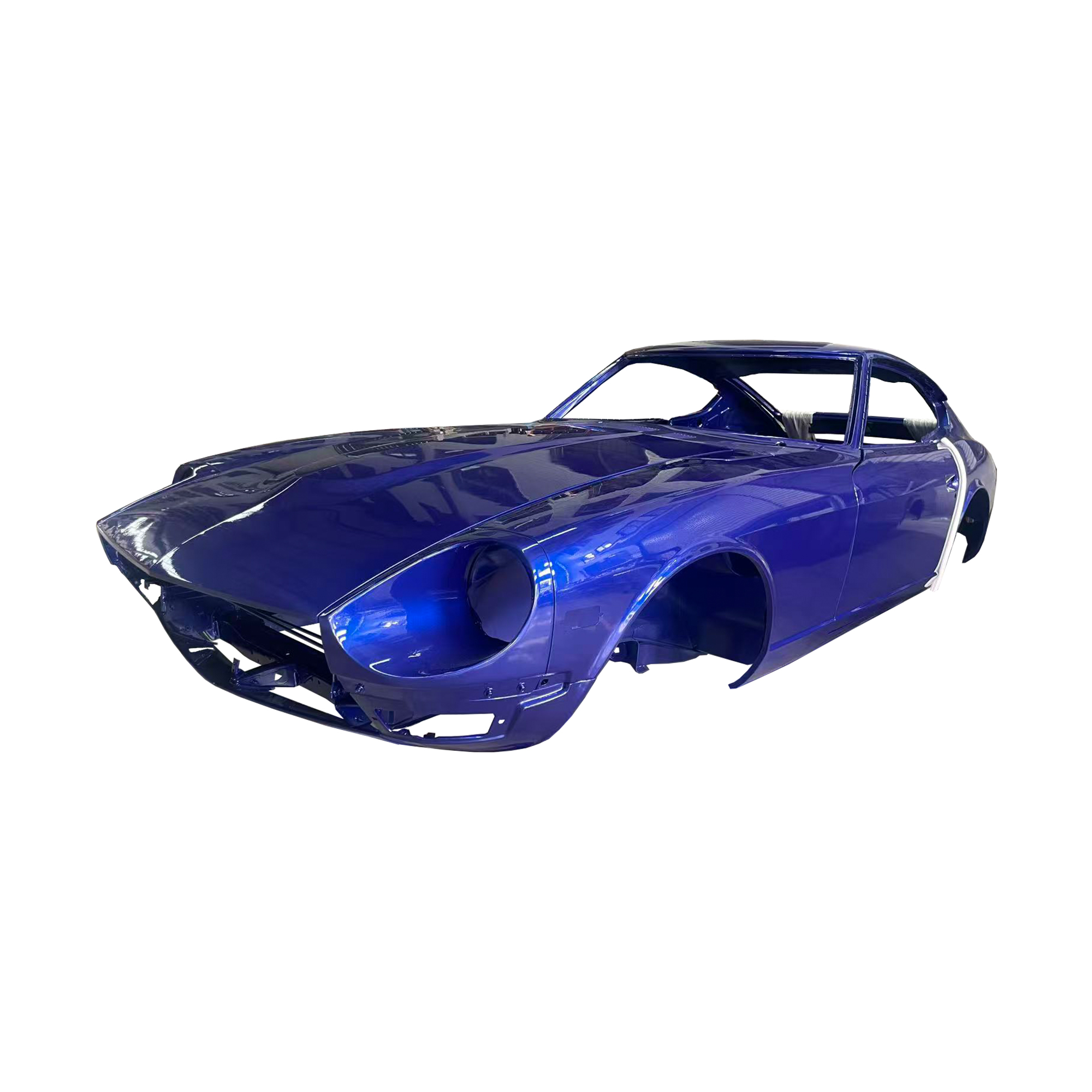 REPLACEMENT COMPLETE CAR BODY ASSEMBLY, 1969-1973, FOR NISSAN DATSUN 240Z
-
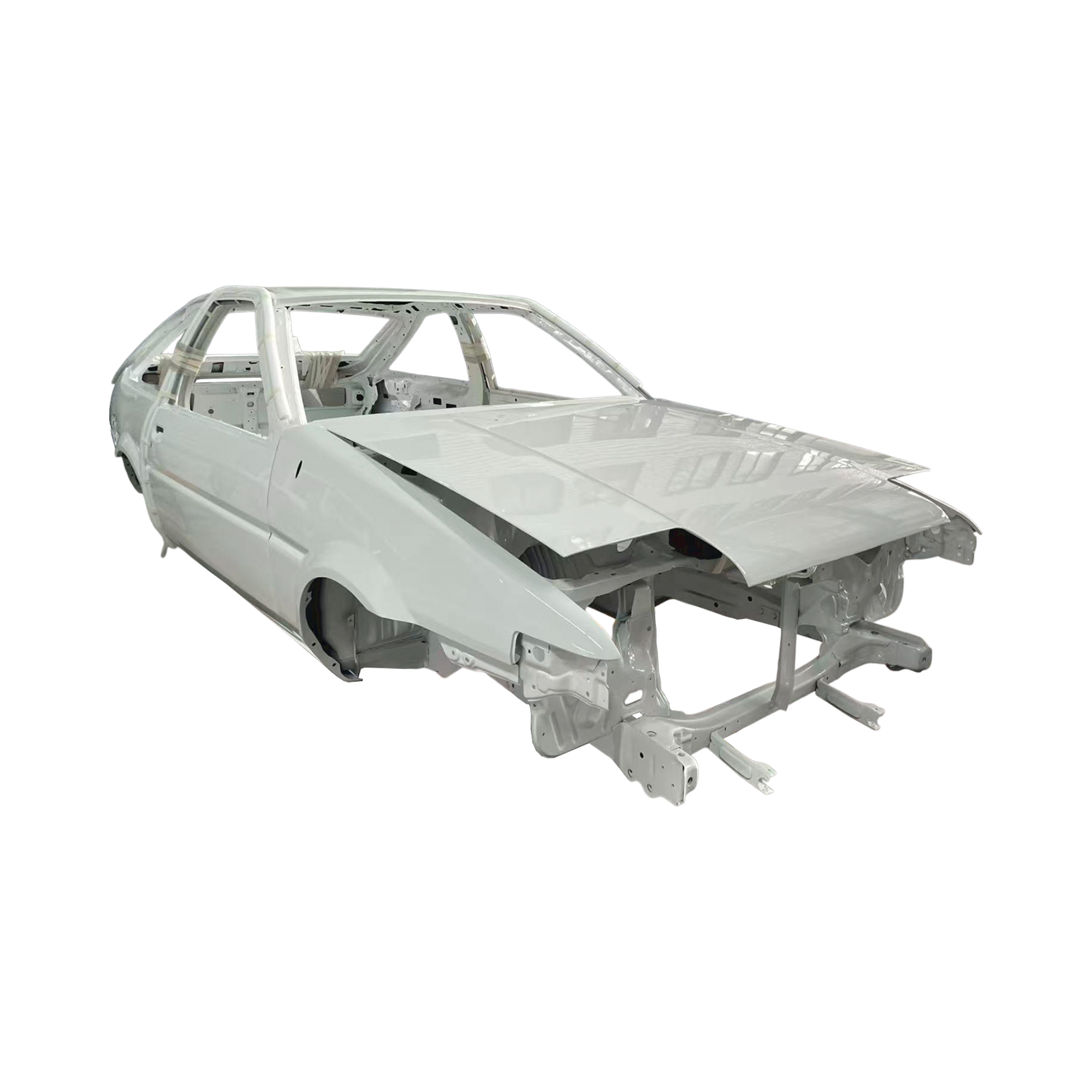 REPLACEMENT COMPLETE CAR BODY ASSEMBLY, 1983-1987, FOR TOYOTA AE86
-
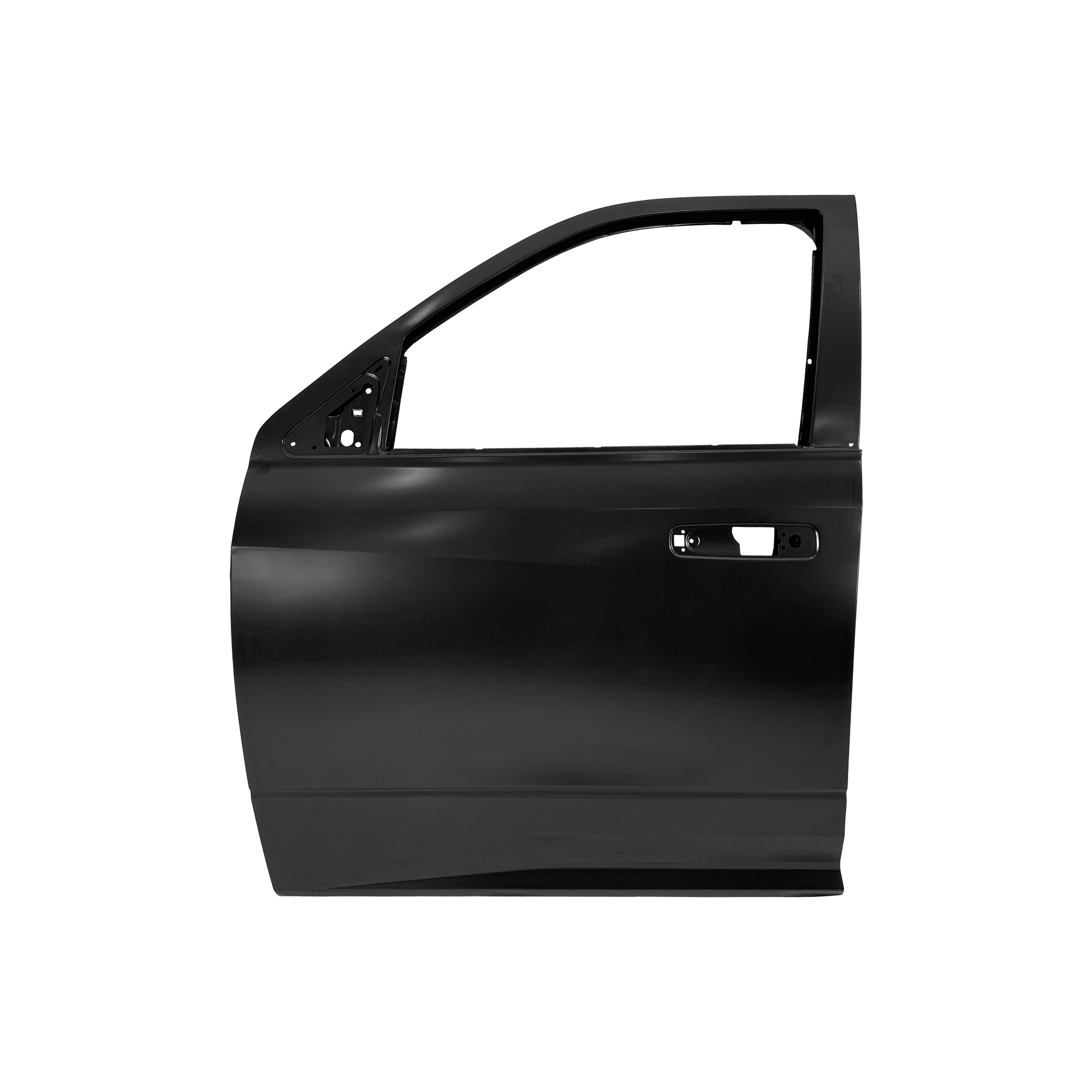 REPLACEMENT FRONT DOOR LH, 2013-2018, FOR DODGE RAM 1500, 68144729A, (STEEL)
-
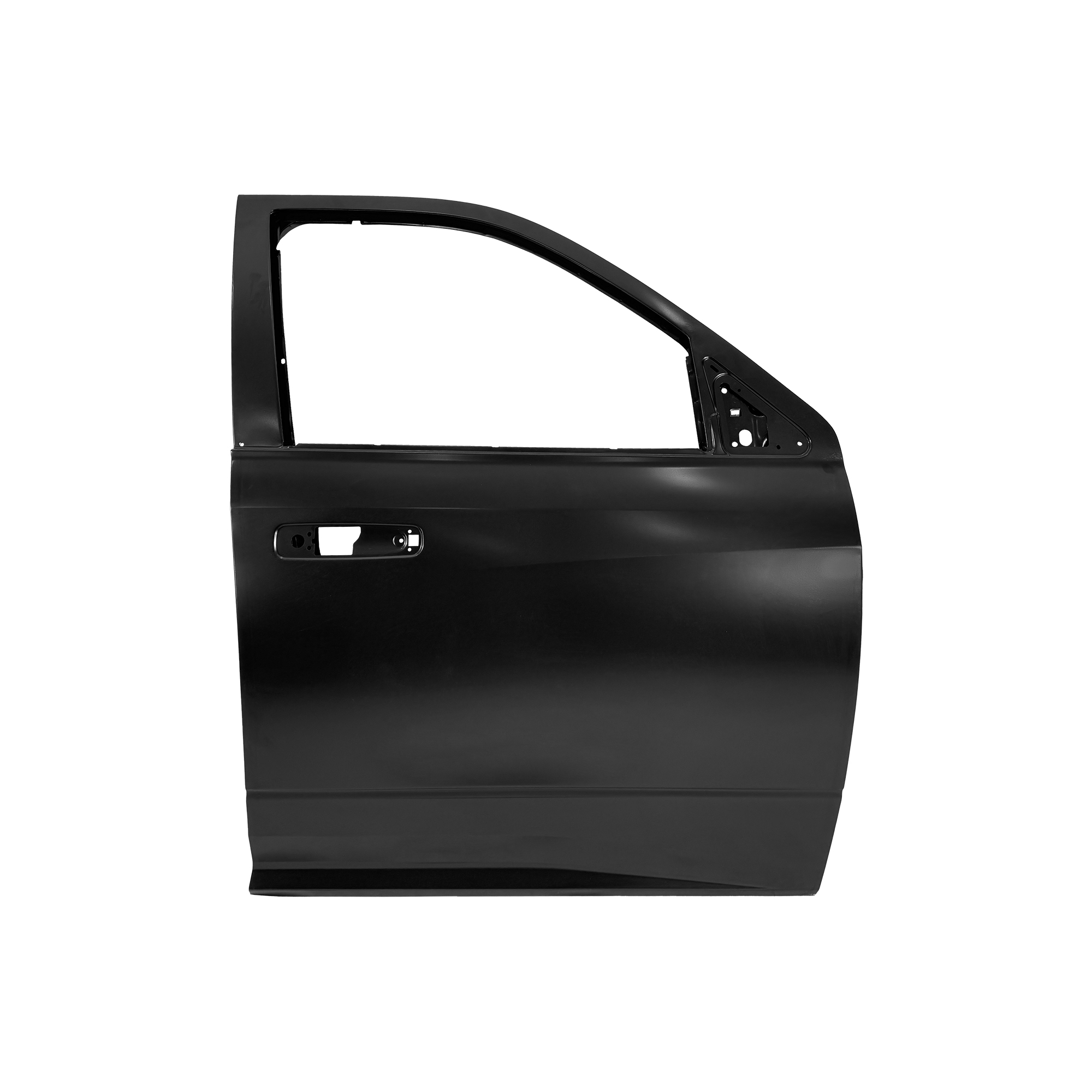 REPLACEMENT FRONT DOOR RH, 2013-2018, FOR DODGE RAM 1500, 68144728A, (STEEL)
-
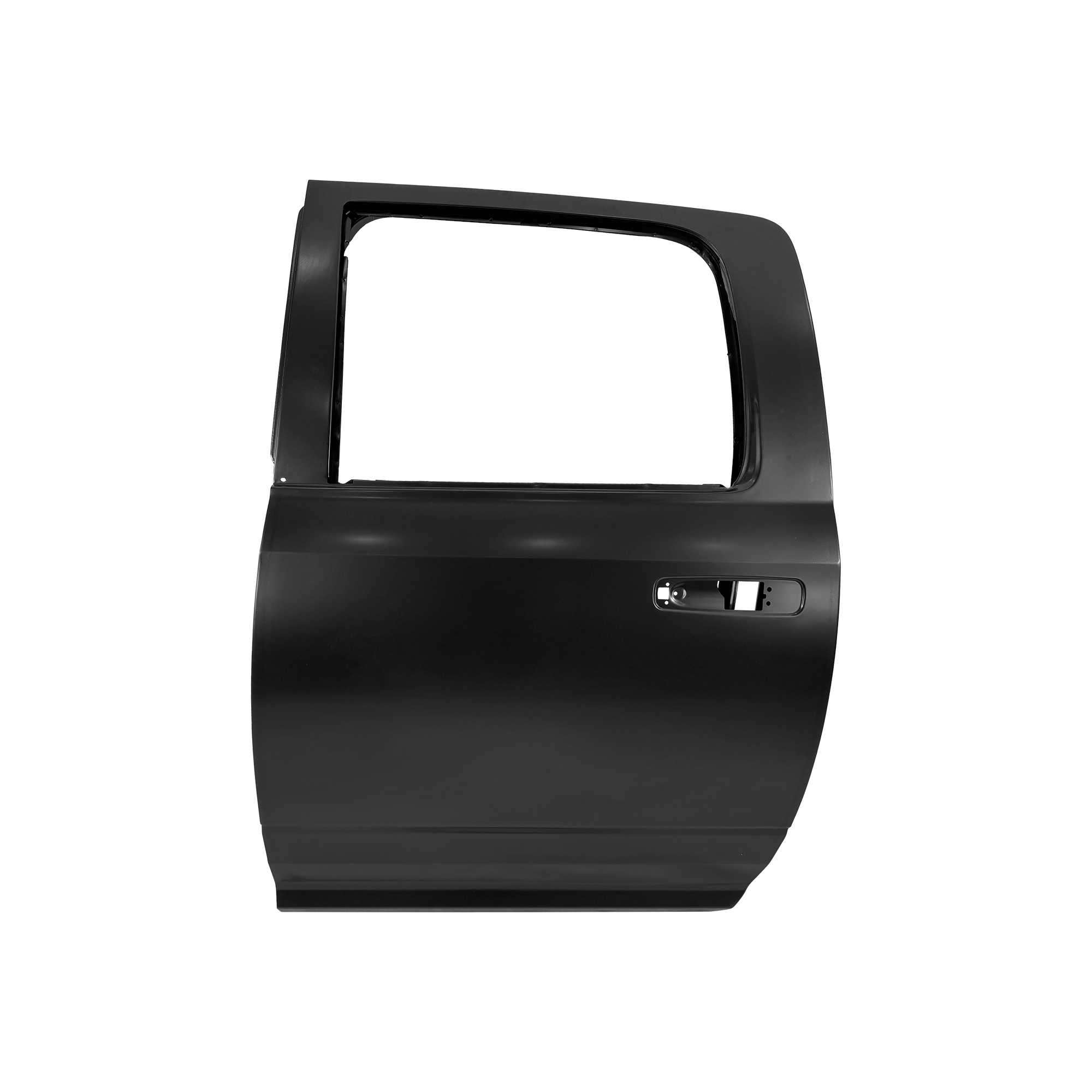 REPLACEMENT REAR DOOR LH, 2013-2018, FOR DODGE RAM 1500, 4589873A, (STEEL)
-
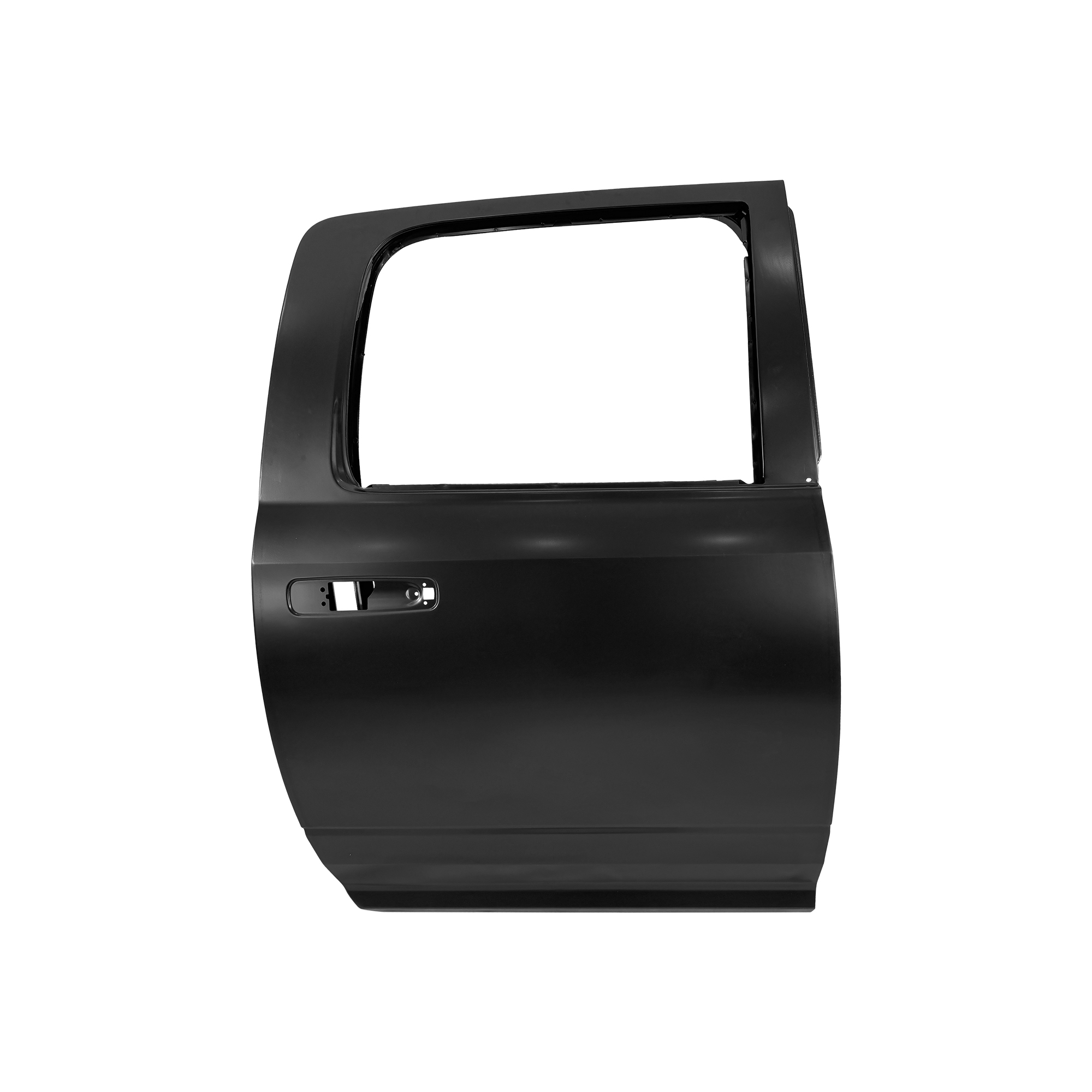 REPLACEMENT REAR DOOR RH, 2013-2018, FOR DODGE RAM 1500, 4589872A, (STEEL)
-
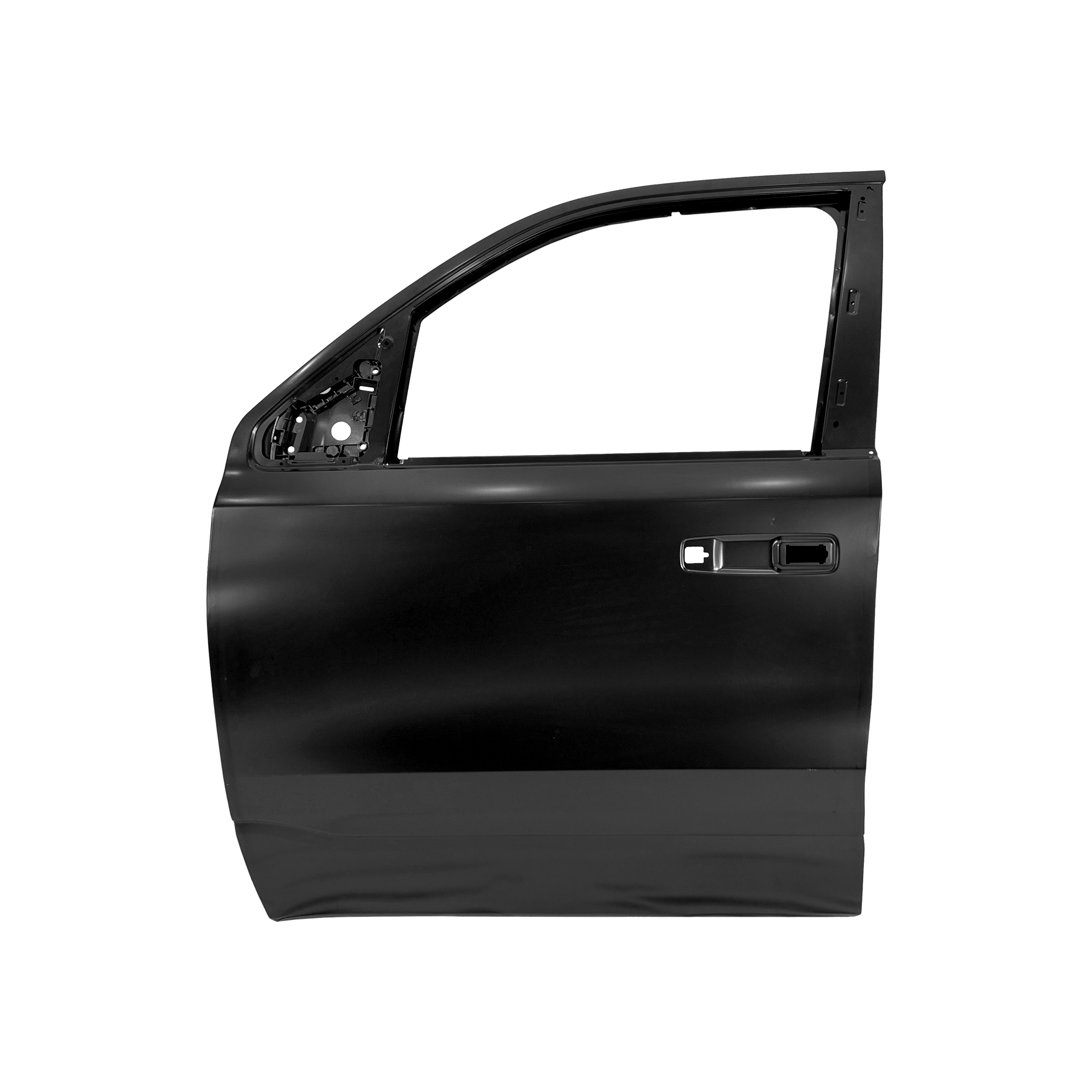 REPLACEMENT FRONT DOOR LH, 2019, FOR DODGE RAM 1500, 68292435AC, (STEEL)
-
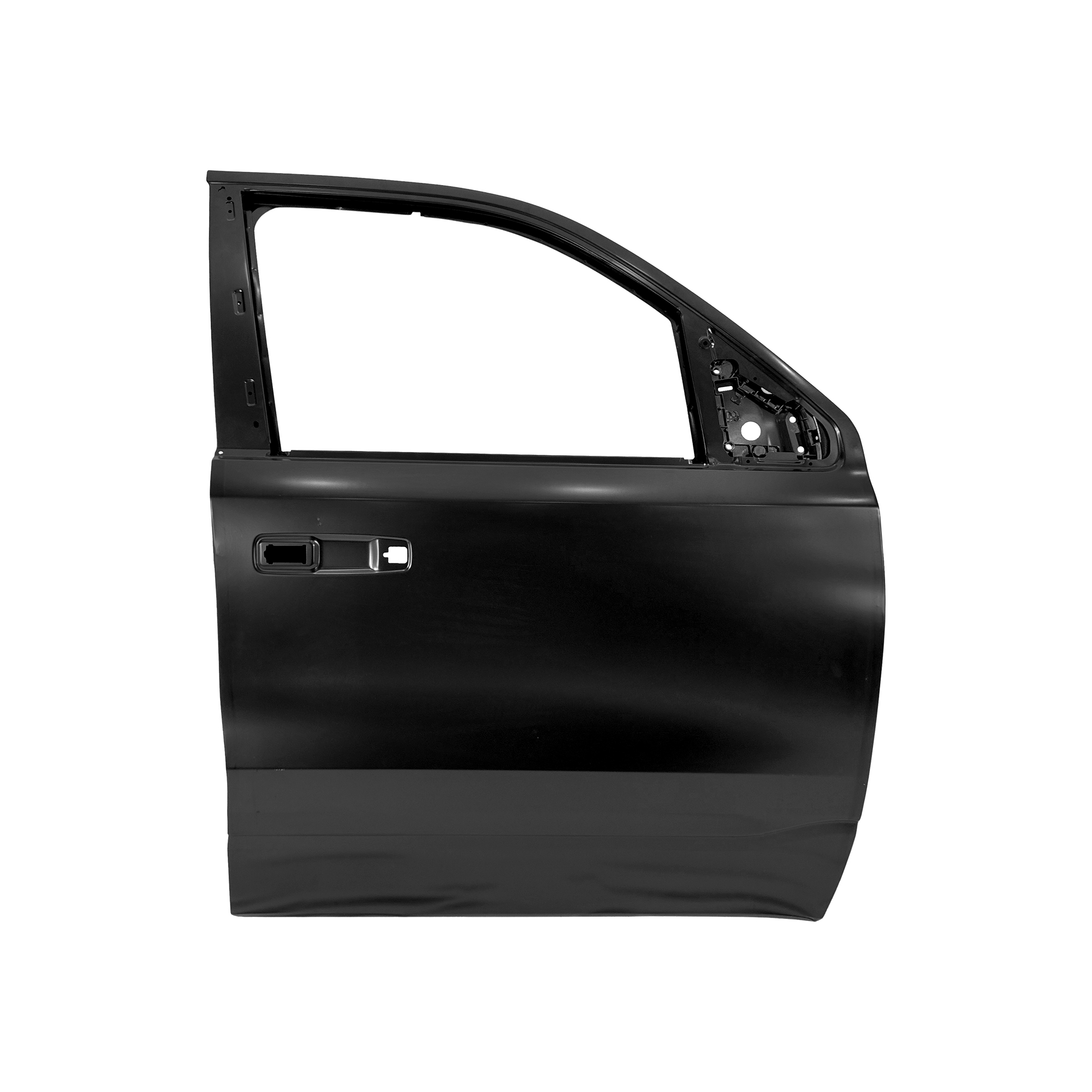 REPLACEMENT FRONT DOOR RH, 2019, FOR DODGE RAM 1500, 68292434AC, (STEEL)
Copyright @ Jiangsu Juncheng Vehicle Industry Co., Ltd. All Rights Reserved.
