
 English
 Español
 عربى
عربى русский
 中文简体
中文简体
How does the mold precision of auto body replacement parts affect exterior gaps and wind noise
The Critical Role of Tooling Precision in Auto Body Replacement Parts
In the Auto Body Replacement Parts industry, tooling precision represents a fundamental determinant of product quality. Exterior body panels such as hoods, doors, fenders, and bumper covers rely on high-accuracy tooling to achieve acceptable fit, appearance, and vehicle performance. Tooling precision directly influences panel gap consistency and wind noise behavior, two factors that significantly affect customer perception and vehicle refinement.
For aftermarket body replacement parts, tooling accuracy defines how closely a component can replicate original equipment geometry and functional performance.
Tooling Precision and Its Direct Impact on Panel Gap Accuracy
Panel gap refers to the visible spacing between adjacent exterior body panels. Uniform panel gaps are widely regarded as an indicator of manufacturing quality. Tooling with insufficient dimensional accuracy produces formed parts with inconsistent edge profiles, flange angles, and contour deviations.
High-precision tooling ensures that stamped or molded parts maintain strict dimensional conformity to design data. Accurate edge alignment allows panels to seat correctly during installation, resulting in consistent and visually acceptable gaps. Low-precision tooling often leads to uneven gaps, misalignment, and asymmetry that become immediately noticeable after installation.
In the Auto Body Replacement Parts market, poor panel gap quality frequently results in negative feedback from body shops and end customers, even when structural performance remains acceptable.
Repeatability of Tooling and Batch-to-Batch Consistency
Replacement body panels require long-term production stability. Tooling repeatability determines whether parts produced over different manufacturing cycles maintain consistent dimensions. Tool wear, insufficient machining accuracy, or poor material selection can cause progressive dimensional drift.
Batch inconsistency leads to variations in panel gap width and alignment across installations. Repair technicians may need to apply shimming, re-drilling, or manual adjustment to compensate. Such additional labor reduces installation efficiency and increases perceived product risk.
Consistent tooling precision supports reliable mass production, enabling Auto Body Replacement Parts to achieve predictable fitment and reduced installation complexity.
Relationship Between Tooling Precision and Wind Noise Generation
Wind noise originates from airflow disturbance along the vehicle exterior. Irregular panel gaps, uneven surface transitions, and misaligned edges create localized turbulence. Tooling inaccuracies contribute directly to these surface inconsistencies.
At highway speeds, airflow interacts intensively with panel junctions such as door-to-fender interfaces and hood-to-bumper transitions. Replacement parts formed with high-precision tooling maintain smooth contour continuity and stable gap geometry. This reduces airflow separation and minimizes aerodynamic noise.
Panels produced with low tooling accuracy often exhibit waviness or edge distortion, increasing the likelihood of whistling, hissing, or low-frequency wind noise.
Tooling Accuracy and Sealing System Compatibility
Vehicle sealing systems depend on precise panel geometry to function effectively. Door seals, hood seals, and fender liners require controlled compression levels across the entire sealing surface.
Tooling deviations alter flange positions and gap widths, affecting seal compression uniformity. Insufficient compression creates air leakage paths. Excessive compression accelerates seal wear and deformation. Both conditions contribute to increased wind noise and potential water intrusion.
High-precision tooling ensures that replacement panels maintain correct seal interface geometry, supporting proper acoustic and environmental performance.
Surface Quality of Tooling and Aerodynamic Behavior
Tooling precision includes surface finish quality as well as dimensional accuracy. Tool surfaces with inadequate polishing or machining marks transfer micro-defects to formed panels. These surface irregularities disrupt airflow at a microscopic level.
Smooth surface continuity reduces boundary layer disturbance along the vehicle exterior. High-quality tooling produces panels with consistent surface texture, contributing to improved aerodynamic stability and reduced wind noise generation.
In premium replacement part segments, surface quality increasingly influences customer acceptance and brand credibility.
Installation Efficiency and Professional Repair Outcomes
Body shops evaluate replacement panels based on ease of installation and final appearance. Tooling precision determines whether a panel aligns correctly without excessive adjustment.
Accurate tooling minimizes rework time and reduces the need for corrective procedures. Consistent panel gaps allow technicians to complete repairs efficiently while achieving professional-grade results. Poor tooling accuracy increases labor cost and introduces uncertainty into repair outcomes.
Auto Body Replacement Parts manufactured with precision tooling demonstrate higher acceptance among professional repair networks.
Market Expectations and Long-Term Value of Precision Tooling
Insurance companies, repair facilities, and vehicle owners increasingly expect replacement parts to approach OEM standards. Panel gap quality and wind noise behavior serve as practical benchmarks for evaluating product equivalence.
Precision tooling supports long-term brand positioning by delivering consistent quality across multiple vehicle models and production cycles. Suppliers investing in tooling accuracy gain competitive advantage in quality-sensitive markets.
Tooling precision no longer represents a purely manufacturing concern. It functions as a strategic factor influencing customer satisfaction and market credibility.
Evolving Industry Standards and Higher Tooling Requirements
Vehicle design trends toward electrification and aerodynamic optimization raise expectations for exterior panel accuracy. Electric vehicles exhibit heightened sensitivity to wind noise due to reduced powertrain sound masking.
Auto Body Replacement Parts must meet stricter geometric and surface quality requirements to remain competitive. Tooling precision forms the foundation for meeting these evolving standards.
Accurate tooling enables replacement panels to support modern vehicle performance demands while preserving exterior appearance and acoustic comfort.
-
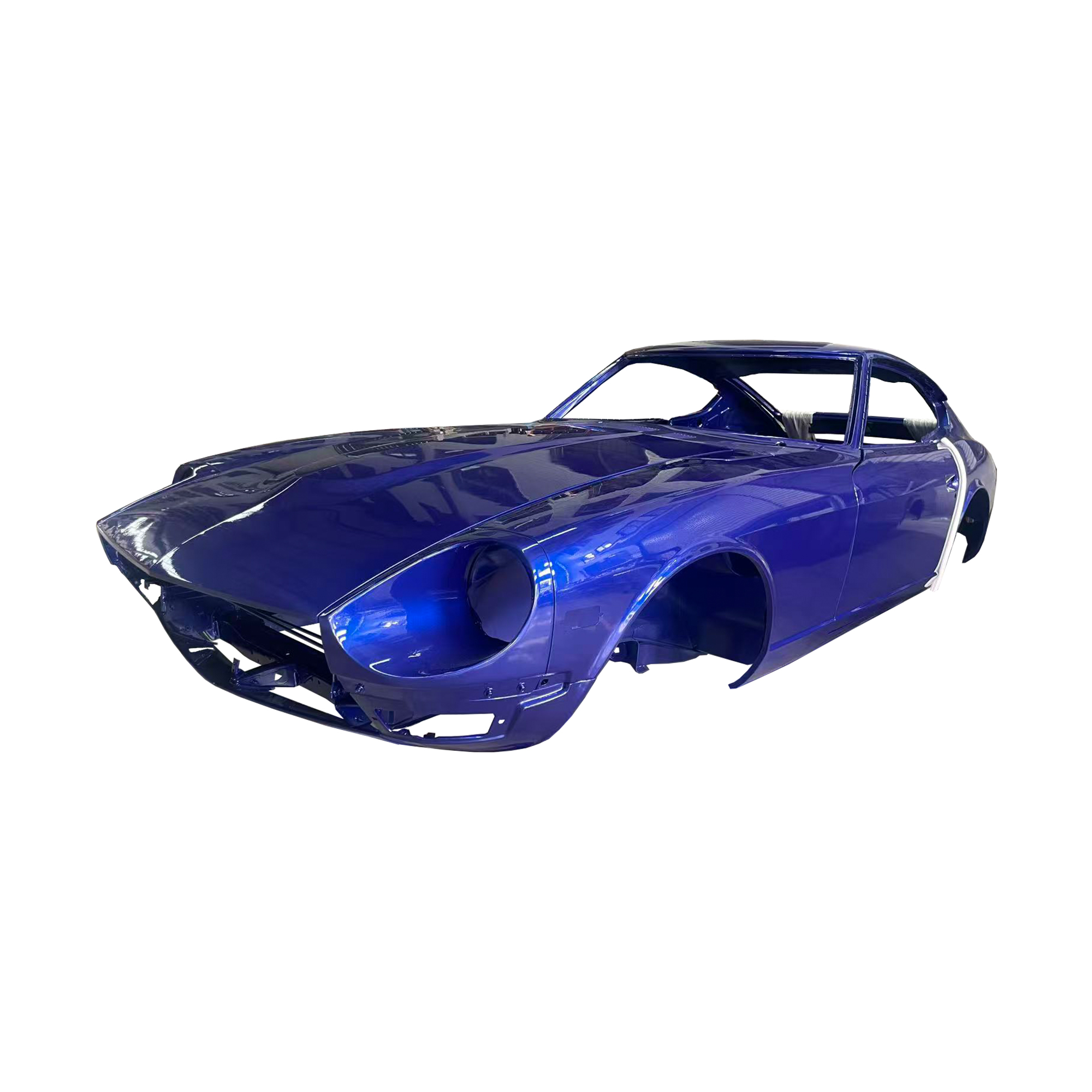 REPLACEMENT COMPLETE CAR BODY ASSEMBLY, 1969-1973, FOR NISSAN DATSUN 240Z
-
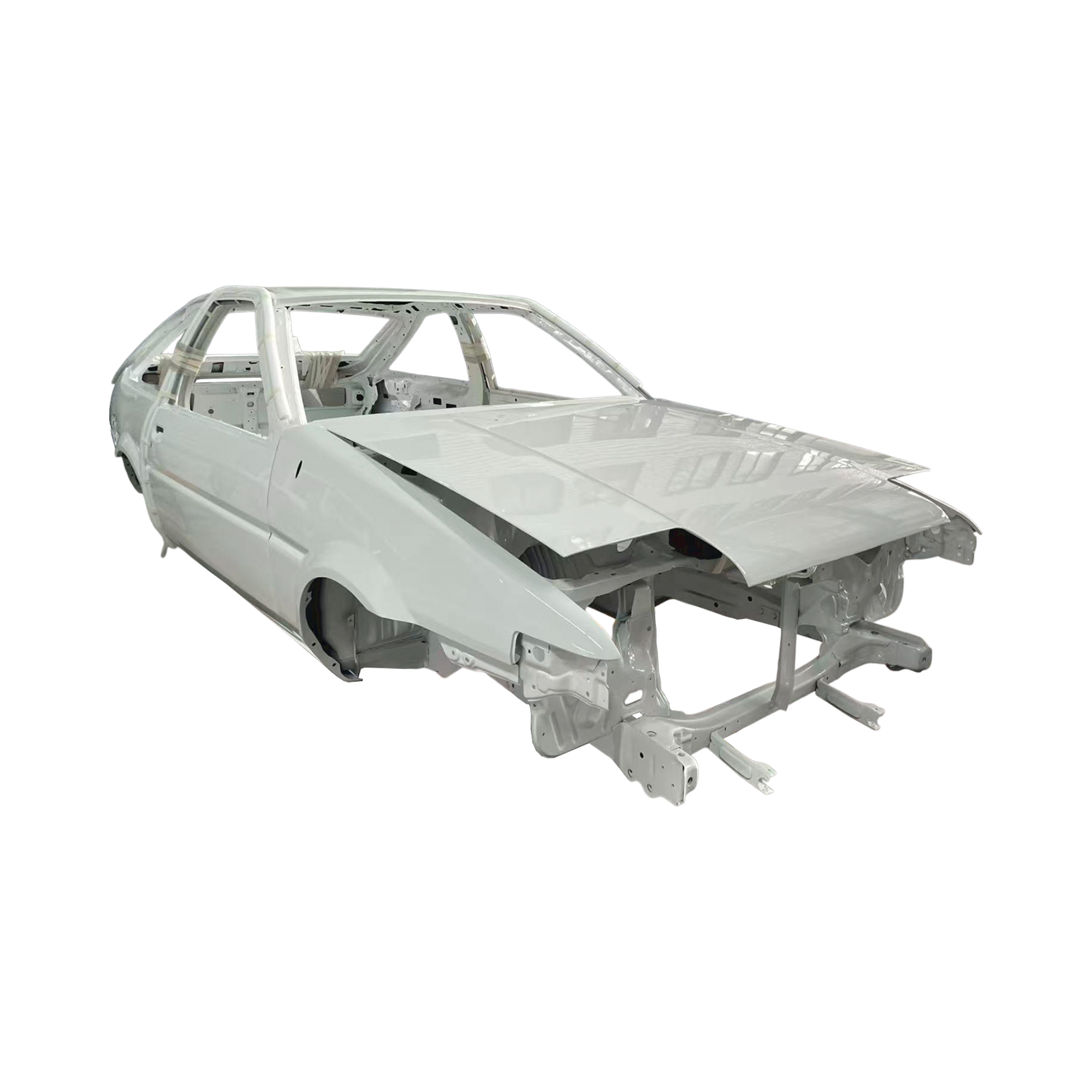 REPLACEMENT COMPLETE CAR BODY ASSEMBLY, 1983-1987, FOR TOYOTA AE86
-
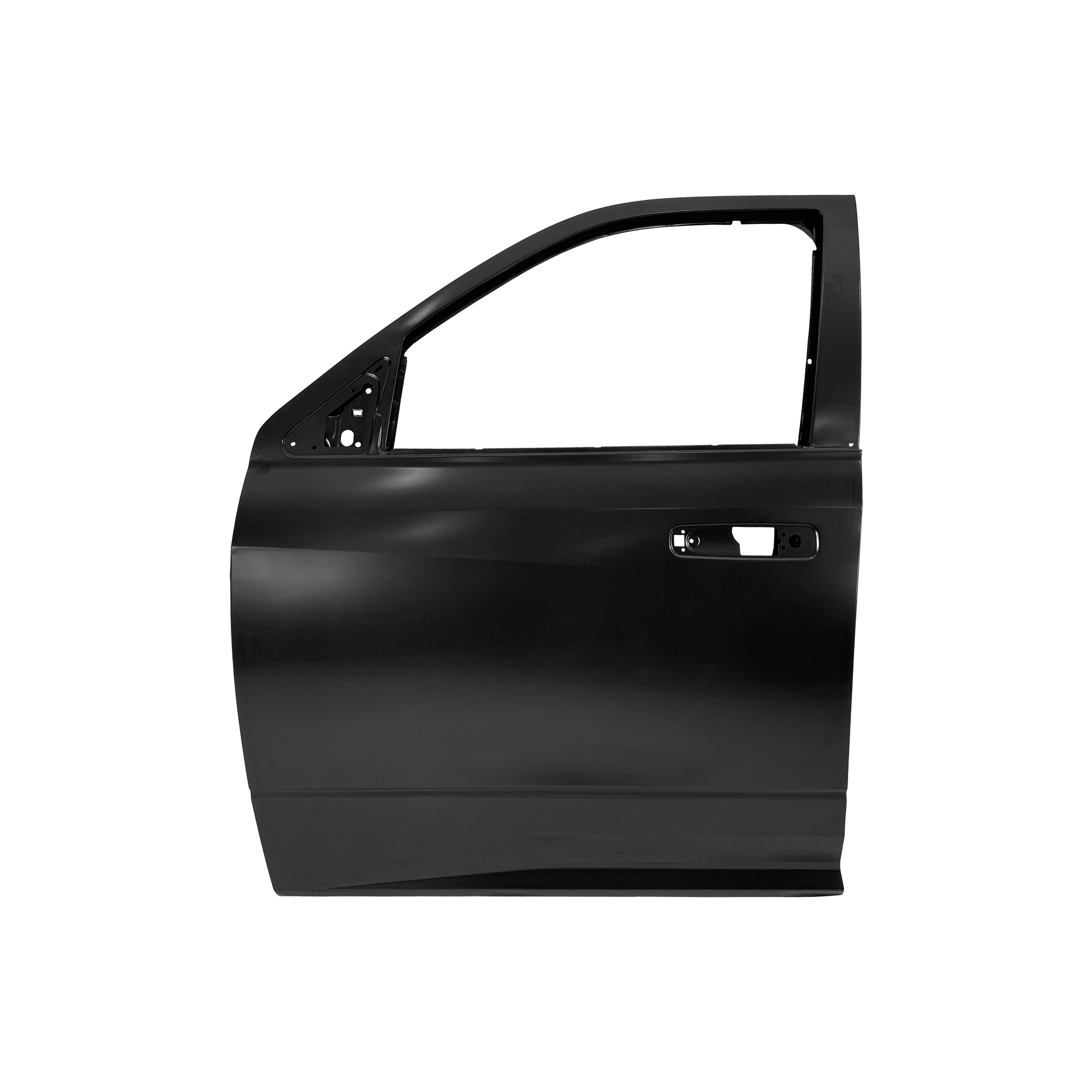 REPLACEMENT FRONT DOOR LH, 2013-2018, FOR DODGE RAM 1500, 68144729A, (STEEL)
-
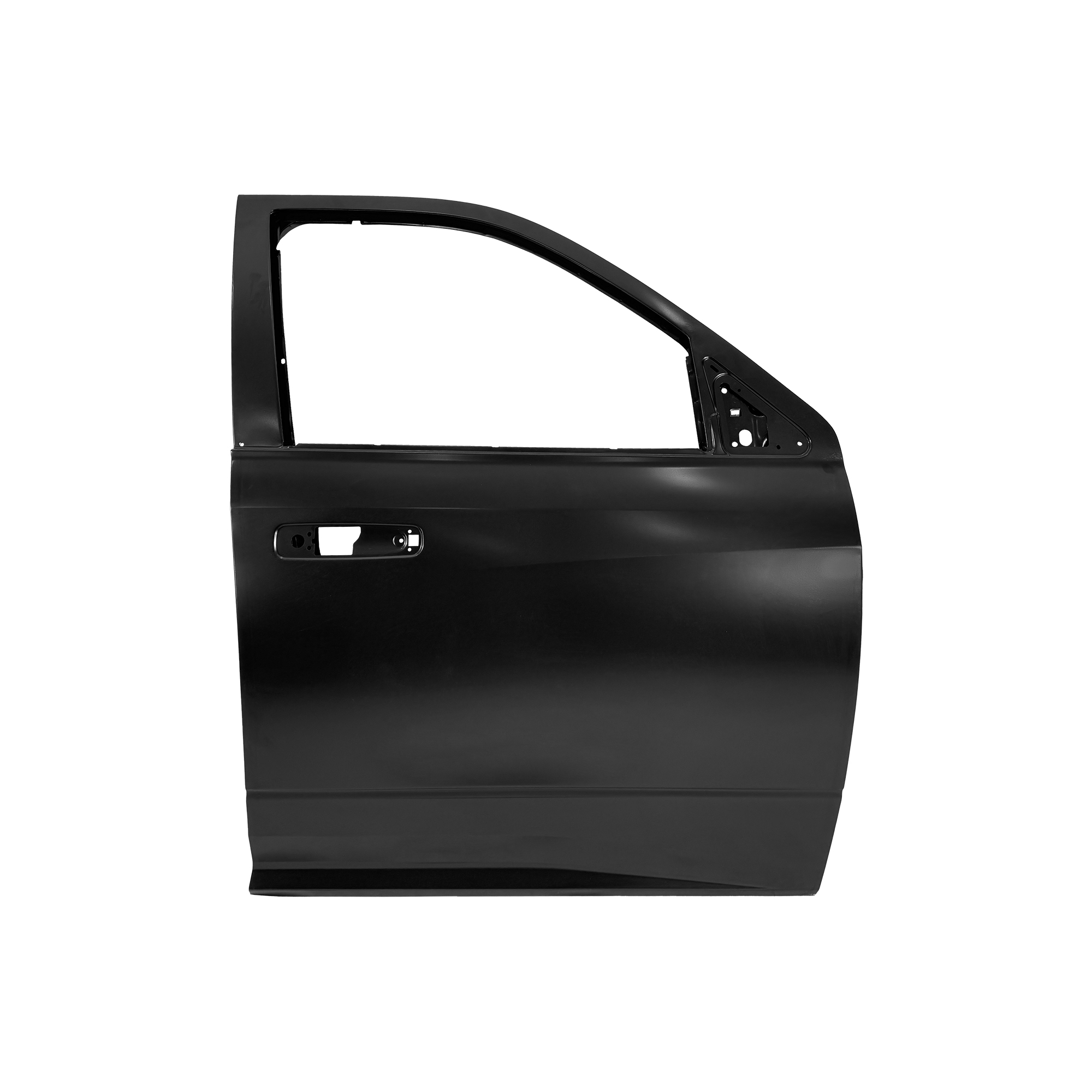 REPLACEMENT FRONT DOOR RH, 2013-2018, FOR DODGE RAM 1500, 68144728A, (STEEL)
-
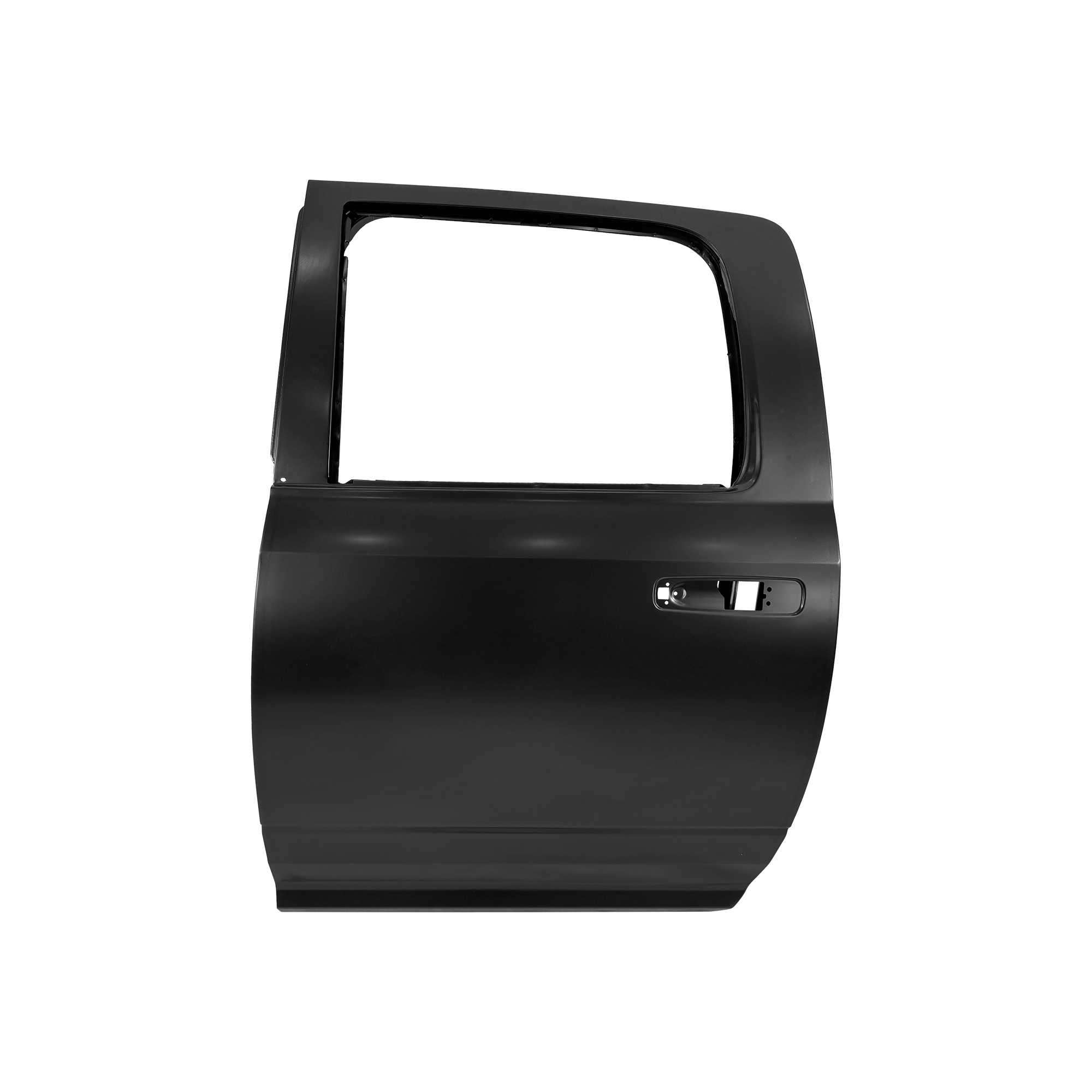 REPLACEMENT REAR DOOR LH, 2013-2018, FOR DODGE RAM 1500, 4589873A, (STEEL)
-
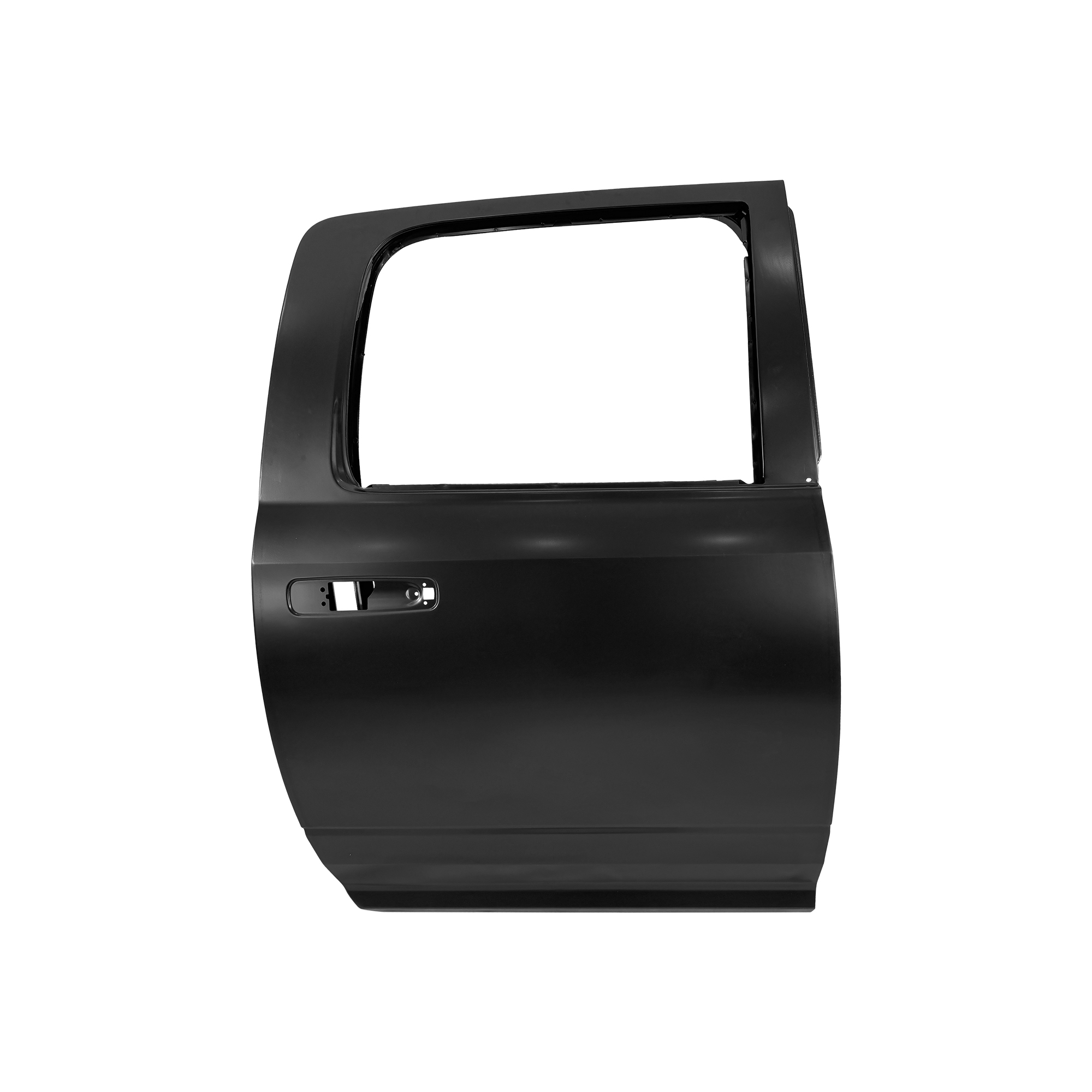 REPLACEMENT REAR DOOR RH, 2013-2018, FOR DODGE RAM 1500, 4589872A, (STEEL)
-
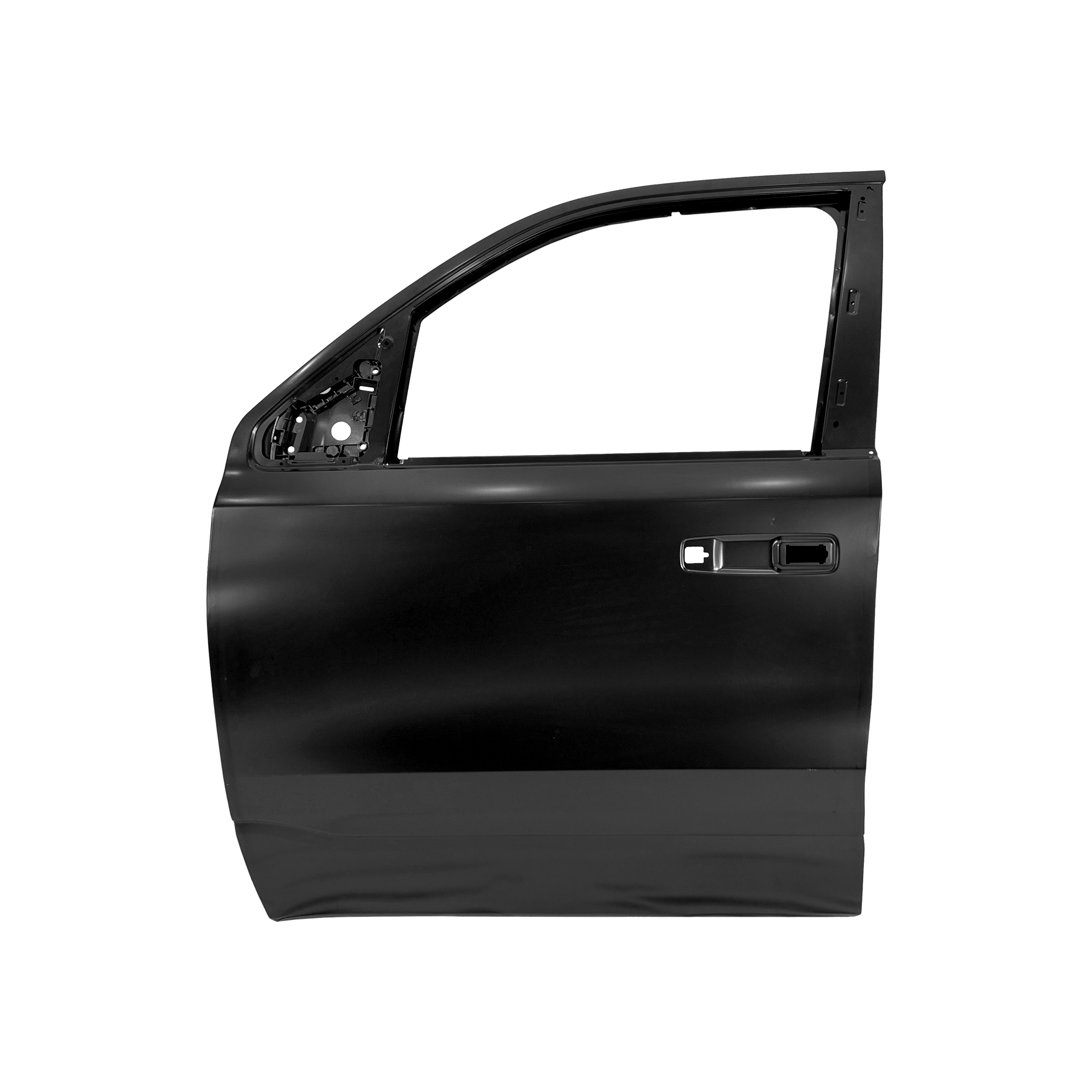 REPLACEMENT FRONT DOOR LH, 2019, FOR DODGE RAM 1500, 68292435AC, (STEEL)
-
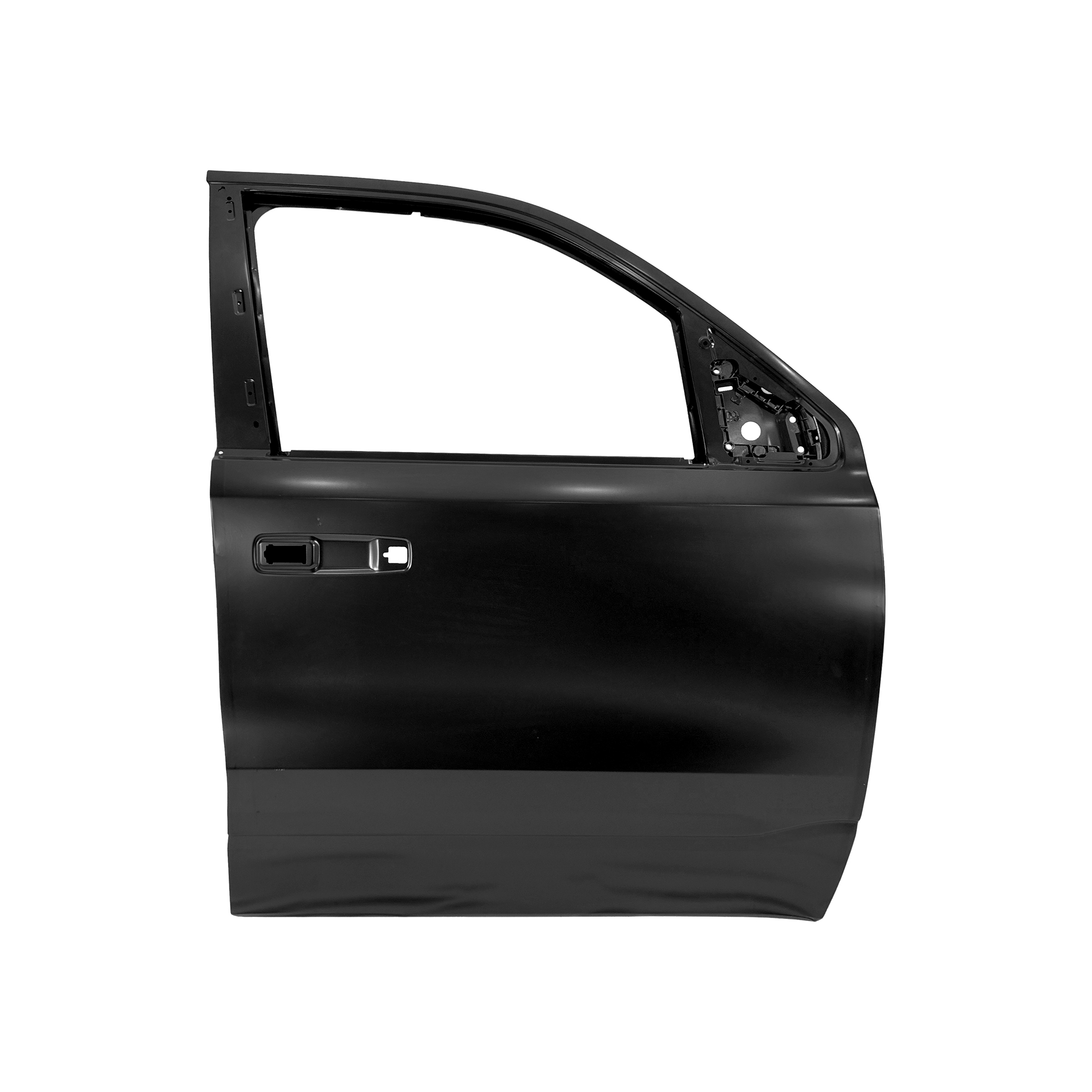 REPLACEMENT FRONT DOOR RH, 2019, FOR DODGE RAM 1500, 68292434AC, (STEEL)
Copyright @ Jiangsu Juncheng Vehicle Industry Co., Ltd. All Rights Reserved.
