
 English
 Español
 عربى
عربى русский
 中文简体
中文简体
How do I find the right auto body parts for my vehicle
The Essential Role of Auto Body Parts in Vehicle Integrity
Understanding Auto Body Parts and Their Functions
Auto Body Parts form the exterior skeleton and skin of a vehicle, representing much more than just a decorative shell. They are an integral part of vehicle design and function, directly impacting safety, performance, and long-term value. Selecting and maintaining the correct car body parts is crucial for every vehicle owner.
The primary functions of Auto Body Parts can be summarized as follows:
- Structural Integrity: Body components, especially the internal frame and structure, provide stiffness and strength to the vehicle, supporting the engine, suspension system, and other vital assemblies. They absorb and dissipate energy during a collision to protect the passenger cabin.
- Protection: Automotive body parts shield the vehicle's internal mechanical and electronic systems from road debris, weather elements, and minor impacts. For instance, fenders protect the wheel area, and hoods protect the engine.
- Aesthetics: They define the vehicle's appearance and style. Smooth, undamaged car body parts and high-quality Paint are key to maintaining the vehicle's visual value.
- Aerodynamics: The vehicle's streamlined design is primarily shaped by exterior auto body parts, which helps reduce drag, thereby improving fuel efficiency and vehicle handling stability.
The Difference Between Part Types: OEM vs. Aftermarket
When replacing damaged auto body parts, owners typically face two main choices: Original Equipment Manufacturer (OEM) and Aftermarket. Understanding the difference between them is vital for making an informed decision.
OEM Parts (Original Equipment Manufacturer)
- Definition: These are automotive body parts produced directly by the original vehicle manufacturer or by their authorized suppliers. They are identical to the parts installed when the vehicle was new.
- Pros:
- Perfect Fit: They guarantee an exact match to the vehicle's specifications, shape, and mounting points.
- Quality Assurance: They meet the strict quality and safety standards set by the manufacturer.
- Warranty: They typically come with a factory warranty.
- Cons:
- Higher Cost: Prices are usually higher than Aftermarket parts.
- Availability: Sometimes they may require a longer ordering time.
Aftermarket Parts
- Definition: These are replacement auto parts produced by independent companies designed to substitute the original parts.
- Pros:
- Affordability: They are usually cheaper than OEM parts.
- Wider Variety: A broader selection of parts with varying price and quality levels may be available in the market.
- Easier to Acquire: Many suppliers and repair shops stock them readily.
- Cons:
- Variable Quality: Quality can differ significantly, requiring careful vetting.
- Fit Issues: Minor discrepancies in fit or gap alignment with the original vehicle may occur, requiring additional adjustments.
Comparison of Parameters: OEM vs. Aftermarket Auto Body Parts
| Feature | OEM Parts | Aftermarket Parts |
| Fit | 100% Guaranteed Match (Identical to original) | May have slight deviations, requiring adjustment |
| Quality Standard | Highest (Meets manufacturer's original standard) | Varies greatly, ranges from low to high |
| Cost | Higher | Lower |
| Safety | Highest (Passes all original safety tests) | Requires confirmation of relevant certifications |
| Warranty | Usually provided by the manufacturer | Depends on the specific producer |
| Part Number | Specific and Unique (Easy to locate) | Usually requires cross-referencing the original part number |
Guidance Advice
When choosing replacement auto parts:
- For auto body parts critical to vehicle structural safety, crash performance, and precise fit (e.g., bumper supports, door frames), prioritize OEM parts.
- For aesthetic parts (e.g., decorative grilles, body moldings) or when budget is limited, consider reputable, certified Aftermarket automotive body parts.
A Deep Dive into Types of Auto Body Parts
This section will categorize and introduce the various Auto Body Parts that make up the entire vehicle, aiming to provide readers with a comprehensive understanding of the specific functions and compositions of these automotive body parts.
Exterior Body Parts – Protection and Aesthetics
These external car body parts are the vehicle's first line of defense, crucial for protecting internal components and determining the vehicle's appearance.
- Bumpers:
- Composition: Includes front and rear bumpers, and bumper covers installed over the support structure.
- Function: Primary role is to absorb impact energy in low-speed collisions, minimizing damage to the vehicle's main structure and occupants.
- Types: Modern vehicles often use plastic or composite materials to enhance pedestrian safety.
- Fenders:
- Composition: Front and rear fenders, and the fender liners installed inside the wheel arch.
- Function: Cover the wheels to prevent debris, mud, and water kicked up by the wheels from splashing onto the body or other vehicles during driving.
- Hoods:
- Composition: Hood panels, latch mechanisms, and hinges.
- Types: Common materials include Steel, Aluminum, and various Aftermarket composite materials.
- Function: Protect the engine compartment's components and maintain aerodynamic efficiency while the vehicle is in motion.
- Doors:
- Composition: Includes the complete door assembly, door shells, and interior door panels.
- Function: Provide passengers access, and include crucial safety components like side impact beams and airbags.
- Grilles:
- Composition: Grille body and grille inserts.
- Function: Allow airflow to enter, helping to cool the radiator and other components in the engine compartment. The grille is also a core element of vehicle brand identity and aesthetic design.
- Mirrors:
- Composition: Side mirrors, rearview mirrors, mirror glass, potentially integrating features like heating or turn signals.
- Function: Ensure the driver has a clear view of the rear and sides, making them important safety auto body parts.
- Panels:
- Composition: Rocker panels (below the doors), quarter panels (side panels above the rear wheel), and roof panels.
- Function: These are important structural and covering car body parts, often requiring welding for repair or full replacement.
Vehicle Lighting and Visibility Components
These auto body parts are vital for night driving and signaling.
- Lights:
- Composition: Headlights, tail lights, signal lights, and marker lights.
- Function: Provide road illumination, warn other drivers of the vehicle's intentions (turning, braking), and indicate the vehicle's position.
Interior and Structural Body Parts
These components primarily focus on passenger cabin comfort, safety, and internal support.
- Dashboard:
- Composition: Dashboard body and dashboard covers.
- Function: Houses the vehicle's instruments, control systems, and the passenger-side airbag.
- Seats:
- Composition: Front and rear seats, seat covers, and the internal frame.
- Function: Provide driving and riding support, and integrate safety belts and many vehicles' side airbags.
- Trim:
- Composition: Various interior trim pieces, door panels, and pillar covers (A, B, C pillars).
- Function: Cover the vehicle's internal metal structure, provide an aesthetic surface, and protect occupants from sharp edges.
Mechanical Body Parts (Structural Support)
These automotive body parts are part of the body structure. Although not directly exposed, they are critical to the vehicle's function.
- Radiator Supports:
- Composition: Upper and lower radiator supports.
- Function: Securely hold the radiator, condenser, and often the headlights, making them a crucial part of the vehicle's front-end structure.
- Inner Fenders:
- Composition: Inner fender wells, typically located behind the front wheels.
- Function: Provide additional protection against water and debris entering the engine bay and interior of the body, and serve as mounting points for some components.
How to Identify the Correct Auto Body Part for Your Vehicle
Ensuring the precise match of a part is paramount when purchasing replacement auto parts. Even vehicles of the same make and model may have slight differences based on the year or configuration. Here are the key steps to ensure you find the correct part.
Using VIN (Vehicle Identification Number) for Precision
The VIN (Vehicle Identification Number) is the most authoritative and reliable method for finding the correct automotive body parts.
- Explanation of VIN (Vehicle Identification Number) and its Importance:
- The VIN is a unique 17-character alpha-numeric code, similar to a vehicle's fingerprint.
- It precisely encodes the vehicle's manufacturing information, including the manufacturer, model, year, factory code, engine type, and specific configuration.
- Using the VIN eliminates all guesswork about the vehicle's configuration, ensuring that the car body parts you purchase exactly match the original vehicle specifications.
- How to Find and Decode VIN:
- Location:
- On the driver's side dashboard, near the base of the windshield.
- On the sticker located on the driver's side door jamb (typically the B-pillar).
- On the vehicle's registration or insurance documents.
- Decoding Function: Professional parts suppliers or repair technicians can decode the VIN to identify the vehicle's specific build details and recommend the correct replacement auto parts accordingly.
- Location:
VIN Identification Accuracy Comparison
| Feature | Based on Make and Year Only | Using VIN (Vehicle Identification Number) |
| Accuracy | Lower (Susceptible to configuration, production batch) | Extremely High (Precisely locks down original configuration) |
| Coverage | Covers only basic model information | Covers detailed information like model, year, factory, color, and configuration |
| Risk | Higher risk of receiving non-matching Auto Body Parts | Extremely low risk of receiving non-matching parts |
Checking Part Numbers for Cross-Referencing
If you have the old Auto Body Part available, checking the part number is another high-precision identification method.
- Locating Part Numbers on Existing Parts:
- Most original car body parts have a unique factory part number stamped or stickered on the back or in an inconspicuous area.
- You should carefully examine these numbers when removing the old part.
- Cross-Referencing Part Numbers with Suppliers:
- Once you have the original part number, you can use it as a basis to find compatible Aftermarket or OEM replacement auto parts.
- Professional auto body parts catalogs or systems often allow you to input the original number to search for compatible parts.
Visual Inspection and Comparison for Compatibility
After ordering or receiving the auto body parts, performing a detailed physical inspection and comparison is the final crucial step for confirmation.
- Comparing the Old Part with the New Part:
- Before installation, place the new and old automotive body parts side-by-side.
- Check that all shapes, contours, curves, and edges are identical.
- Checking for Fit and Compatibility:
- Mounting Points: Confirm that all bolt holes, clip locations, and brackets align perfectly.
- Sensors and Cutouts: Check for correct cutouts or openings for sensors, headlight washer nozzles, or fog lights, etc.
- If the part is Aftermarket, ensure its design perfectly substitutes the function and appearance of the original part to avoid subsequent auto body repair issues.
Installation Best Practices and Auto Body Repair Considerations
Once you have acquired the correct replacement auto parts, the next step is installation. Whether it’s a simple replacement or a complex Auto Body Repair, following the correct procedures and safety guidelines is critical to ensure the automotive body parts function correctly and safely.
Essential Tools and Safety Protocols
Successful auto body parts installation depends on the right tools and a high level of attention to safety.
- Tools Needed:
- General Tools: Standard socket sets, screwdrivers, pliers, and ratchets.
- Removal Tools: Plastic or nylon trim removal tools (for removing trim and clips), drills (for removing spot welds or rivets).
- Specialty Tools:
- Panel Clip Removers: Used to remove plastic clips without damage.
- Torque Wrench: Ensures critical bolts (like bumper mounts) are tightened to the manufacturer's specified torque.
- Welding Equipment: Professional welding equipment is necessary if structural car body parts need replacement.
- Safety Precautions:
- Personal Protection: Always wear safety glasses to prevent debris, dust, or chemicals from splashing. Wear appropriate protective gloves when handling Paint or chemicals.
- Electrical Safety: Before starting any auto body repair work involving lights or electrical components, ALWAYS disconnect the negative battery cable to prevent short circuits or accidental airbag deployment.
- Support Safety: In any situation where the vehicle needs to be raised, always use secure and reliable jack stands to support the vehicle, never relying solely on the jack.
Safety Measures Comparison: Underprepared vs. Well-Prepared
| Feature | Underprepared (General tools only, no power disconnection) | Well-Prepared (Specialty tools, safety checks performed) |
| Installation Quality | Low (Risk of damaging auto body parts or poor gaps) | High (Precise fit, meets factory standards) |
| Personal Risk | Risk of short circuits, electric shock, accidental airbag deployment | Extremely low risk |
| Efficiency | Low (Sticking, difficult to remove) | High (Correct tools, smooth disassembly and assembly) |
Step-by-Step Installation Guides and Professional Assistance
Different auto body parts need different installation skills, but here are general guidelines.
- General Guidelines for Replacing Common Parts:
- Documentation: Before disassembly, take multiple photos to record how the old car body parts were installed, the location of bolts, and wire harness connections.
- Orderly Disassembly: Strictly follow an outside-in sequence for disassembly, and label and store removed bolts and clips by type and location.
- Test Fitment: Before fully tightening any replacement auto parts, loosely install it to check the alignment of all gaps and edges. Ensure uniform gaps between all panels.
- Restore Connections: Carefully reconnect all wire harnesses, sensors, and fluid lines.
- Seeking Professional Help When Needed:
- Not all auto body parts replacement jobs are suitable for DIY.
- Structural Components: Replacement of automotive body parts that involve the vehicle's safety structure (e.g., door pillars, welding of quarter panels) must be performed by certified professionals.
- Complex Systems: Auto body repair involving calibration or complex electronics (e.g., smart bumpers with sensors or cameras, certain types of headlights) should be entrusted to professional repair shops.
- Paint and Color Matching: Unless you have professional spraying equipment and skills, it is recommended to leave painting and color mixing to professionals to ensure the new replacement auto parts blend seamlessly with the existing vehicle Paint.
Maintaining and Protecting Your Auto Body Parts
Proper maintenance of Auto Body Parts is key to extending the vehicle's lifespan and preserving its visual value. Consistent care not only keeps your car body parts in good condition but also effectively prevents costly future auto body repair.
Regular Cleaning and Washing
Regular cleaning is the first step in preventing dirt and corrosive agents from damaging automotive body parts.
- Best Practices for Washing and Detailing:
- Use Mild Cleaners: Only use pH-neutral cleaning products designed for automotive surfaces. Avoid household cleaners or degreasers, as they can strip protective wax or damage the Paint.
- Avoid Dry Wiping: Wiping the body while dry can cause fine Scratches, which accumulate over time. In washing, thoroughly rinse the Auto Body Parts with water to remove loose surface dirt before washing.
- Use the Two-Bucket Method: Use one bucket with cleaner and one with rinse water. Washing the sponge or mitt in the rinse bucket before reloading with cleaner significantly reduces abrasive damage from grit to the Paint.
- Using Appropriate Cleaning Products:
- Choose high-quality car wash shampoos and soft microfiber towels for wiping and drying.
Protecting from Rust and Corrosion
Rust and Corrosion are the biggest threats to metal Auto Body Parts, especially in humid or road-salt-using regions.
- Applying Rust Inhibitors and Sealants:
- Periodically apply high-quality anti-rust coatings or undercoating sealants to areas prone to water accumulation and exposure (e.g., inside wheel arches, rocker panels, chassis connections).
- Check that drainage holes (e.g., at the bottom of doors or under the hood) are clear to prevent water stagnation, which leads to internal Rust.
- Addressing Minor Rust Spots Promptly:
- If early surface Rust is found, immediately sand it down thoroughly until clean metal is exposed.
- Apply rust-inhibiting primer and the correct topcoat to prevent the Corrosion from spreading further.
Paint Protection and Longevity
Protecting the Paint layer is not just for aesthetics; it's also to shield the underlying car body parts from environmental damage.
- Waxing and Polishing to Protect the Paint:
- Waxing: Regularly (every 3–6 months) wax the Auto Body Parts. The wax layer provides an extra sacrificial layer against UV rays, acid rain, and contaminants, maintaining the Paint's luster.
- Polishing: Polishing can remove fine Scratches and oxidation from the Paint surface, restoring gloss, but should be done carefully to avoid removing too much of the clear coat.
- Using Paint Protection Films (PPF):
- For areas frequently hit by high-velocity debris (such as front bumpers, hood edges, and front fenders), installing transparent PPF provides additional physical protection.
Maintenance Method Comparison: Effect and Frequency
| Feature | Regular Washing Only | Washing + Waxing | Washing + PPF Protection |
| Protection of Paint | Basic protection, prevents dirt residue | Good, provides chemical and UV barrier | Excellent, provides physical impact protection |
| Prevention of Dents & Scratches | Low effect | Low effect | Self-healing capacity for minor scratches |
| Prevention of Rust | Low effect, only removes surface salt | Medium effect | Medium effect |
| Recommended Frequency | Weekly/Bi-weekly | Every 3–6 months | One-time installation, can last several years |
Common Problems and Solutions
Whether due to accidental collisions or daily wear and tear, Auto Body Parts face various types of damage. Understanding common repair techniques and solutions is fundamental for effective auto body repair or replacement of replacement auto parts.
Dents and Scratches
Dents and Scratches are the most common types of body damage, affecting the appearance and anti-corrosion capability of car body parts.
- DIY Dent Repair Kits:
- Applicability: Suitable for small, rounded Dents on body panels where the Paint is undamaged.
- Method: Typically involves using suction cups, hot glue sticks, or tapping tools to gently push or pull the indentation from the inside or outside.
- Advantage: Low cost, allows quick repair of minor damage.
- Professional Dent Removal Services:
- Paintless Dent Repair (PDR): This is a specialized technique for Dents where the Paint is intact. A technician uses specialized tools to massage the dent back into its original shape from the inside of the panel.
- Advantage: Preserves the original Paint, fast repair time, and lower cost than traditional bodywork and painting.
Dent Repair Method Comparison
| Feature | DIY Suction Cup/Tools | Paintless Dent Repair (PDR) | Traditional Bodywork and Painting |
| Damage Type | Small, rounded Dents | Small to medium Dents, Paint intact | Various Dents, involving Paint damage |
| Impact on Paint | None | None (Preserves original Paint) | Requires re-painting the Paint |
| Cost | Lowest | Medium | Highest |
| Repair Quality | Varies widely | Professional-grade, invisible | Professional-grade |
Rust Repair
Rust is a progressive, destructive form of Corrosion for metal Auto Body Parts that must be addressed immediately.
- Removing Rust and Applying Primer:
- Surface Rust: Use sandpaper, wire brush, or grinding wheel to completely remove all Rust from the affected area until clean, bright metal is exposed.
- Chemical Treatment: Apply a rust remover or rust converter chemical to the clean metal to neutralize residual oxides.
- Primer Application: Immediately apply an epoxy or anti-corrosion primer to the repaired area to protect the metal automotive body parts from re-oxidation.
- Welding in New Metal Panels:
- Applicability: When Rust has created holes or severely weakened structural car body parts (e.g., rocker panels, quarter panels) is necessary.
- Method: The damaged area is cut out, and a custom-cut or pre-fabricated replacement auto parts panel is welded into place, followed by smoothing and anti-corrosion treatment. This complex auto body repair must be performed by professionals.
Paint Issues
Paint is the critical protective layer for Auto Body Parts, and its damage requires precise color matching and application.
- Matching Paint Colors:
- Color Code: The vehicle's Paint color code is typically stamped on the VIN label (often on the door jamb) or elsewhere.
- Color Tinting: Even with the color code, the slight fading of the vehicle's existing Paint due to UV exposure and time must be considered. Professional shops use computer systems to mix color bases and make adjustments for shade variation.
- Blending and Applying Paint:
- After the primer is applied to the repaired area, color coats and clear coats must be applied in multiple layers.
- Blending: To seamlessly integrate the newly sprayed Paint with the surrounding old Paint, the spraying is often extended onto adjacent panels or feathered out at the edges of the repaired panel to eliminate the visible line of color difference, ensuring the automotive body parts look uniform after repair.
FAQ about Auto Body Parts
This section aims to answer common questions readers may have during the process of selecting, purchasing, and maintaining Auto Body Parts, reinforcing the core information of the guide.
Q: What is the most critical information needed when ordering replacement auto body parts?
A: The Vehicle Identification Number (VIN) is the most critical piece of information when purchasing any replacement auto parts.
- The VIN accurately specifies your vehicle's exact year, factory, model, and configuration, ensuring the car body parts you order match the original car perfectly in terms of size, mounting holes, and color code.
- Information based only on make and year is insufficient to guarantee the accuracy of some specific automotive body parts (e.g., bumpers with integrated sensors or specific trims).
Q: Can I mix OEM and Aftermarket auto body parts on my vehicle?
A: Yes, you can mix OEM and Aftermarket auto body parts, but the decision should be based on the part's function and importance:
- Components Recommended for OEM: Critical automotive body parts involved in structural integrity, safety systems, and precise alignment (e.g., door shells, radiator supports).
- Components Acceptable for Aftermarket: Car body parts primarily serving decorative or external covering functions, such as grilles or bumper covers (provided the Aftermarket quality is verified and the fit is good).
Component Function vs. Selection Advice Comparison
| Feature | Structural/Safety Critical Components (e.g., door internals, support frames) | Non-Structural/Aesthetic Components (e.g., grilles, trim) |
| Recommended Type | OEM Parts | OEM or High-Quality Aftermarket Parts |
| Fit/Safety Importance | High | Medium |
Q: How often should I inspect my auto body parts for rust?
A: A thorough inspection is recommended at least once per year.
- More Frequent Inspection (Every 3–6 months): Recommended for vehicle owners living in areas with high humidity, snow, or heavy road salt usage, especially focusing on undercarriage and hidden areas (like wheel arches, rocker panels, under floor mats).
- Areas of Focus: Any areas that have undergone auto body repair, areas where the Paint has Scratches, and gaps where water tends to collect. Timely detection and treatment of early surface Rust can significantly extend the life of car body parts.
Q: Does a minor dent or scratch require immediate auto body repair?
A: It depends on the depth of the damage:
- Surface Scratch (Only affects the clear coat): While not structural, it is recommended to treat it with waxing or polishing as soon as possible to restore gloss.
- Deep Damage (Penetrates Paint and primer, exposing metal): This damage requires immediate auto body repair. Once the metal automotive body parts are exposed, water and oxygen will rapidly lead to Rust. Timely repair is key to preventing a small problem from turning into a major one.
Q: What is the difference between paintless dent repair (PDR) and conventional repair?
A: The main difference between the two methods lies in the handling of the Paint:
Repair Method Comparison
| Feature | Paintless Dent Repair (PDR) | Traditional Bodywork and Painting |
| Damage Type | Dents with Paint undamaged | Dents where Paint is damaged or cracked |
| Repair Process | Use special tools to push the Dents out from the back | Hammering out Dents, filling with putty, then re-spraying Paint |
| Impact on Paint | None (Preserves the original Paint) | Yes (Requires re-painting) |
| Time Efficiency | Faster | Slower, requires paint drying time |
-
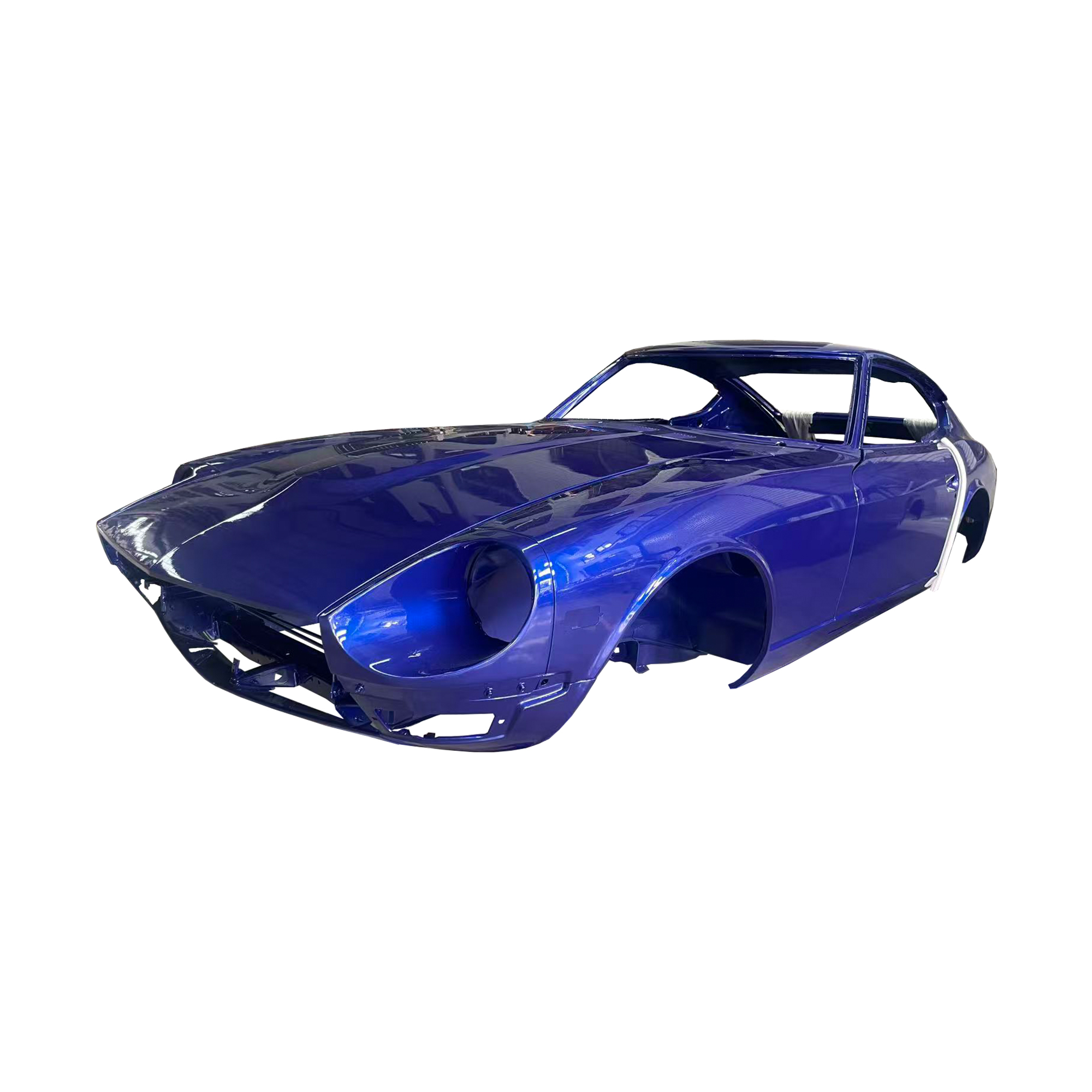 REPLACEMENT COMPLETE CAR BODY ASSEMBLY, 1969-1973, FOR NISSAN DATSUN 240Z
-
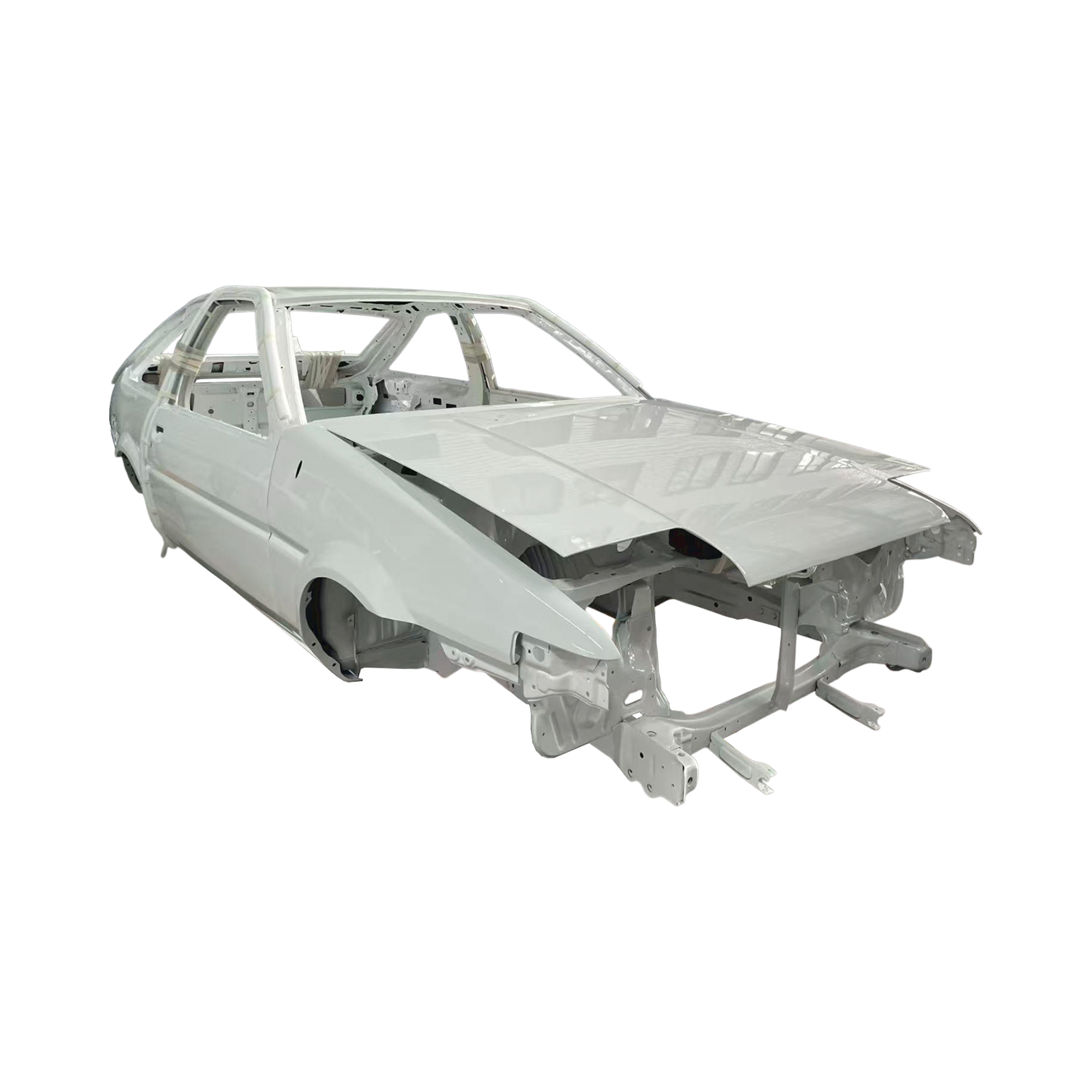 REPLACEMENT COMPLETE CAR BODY ASSEMBLY, 1983-1987, FOR TOYOTA AE86
-
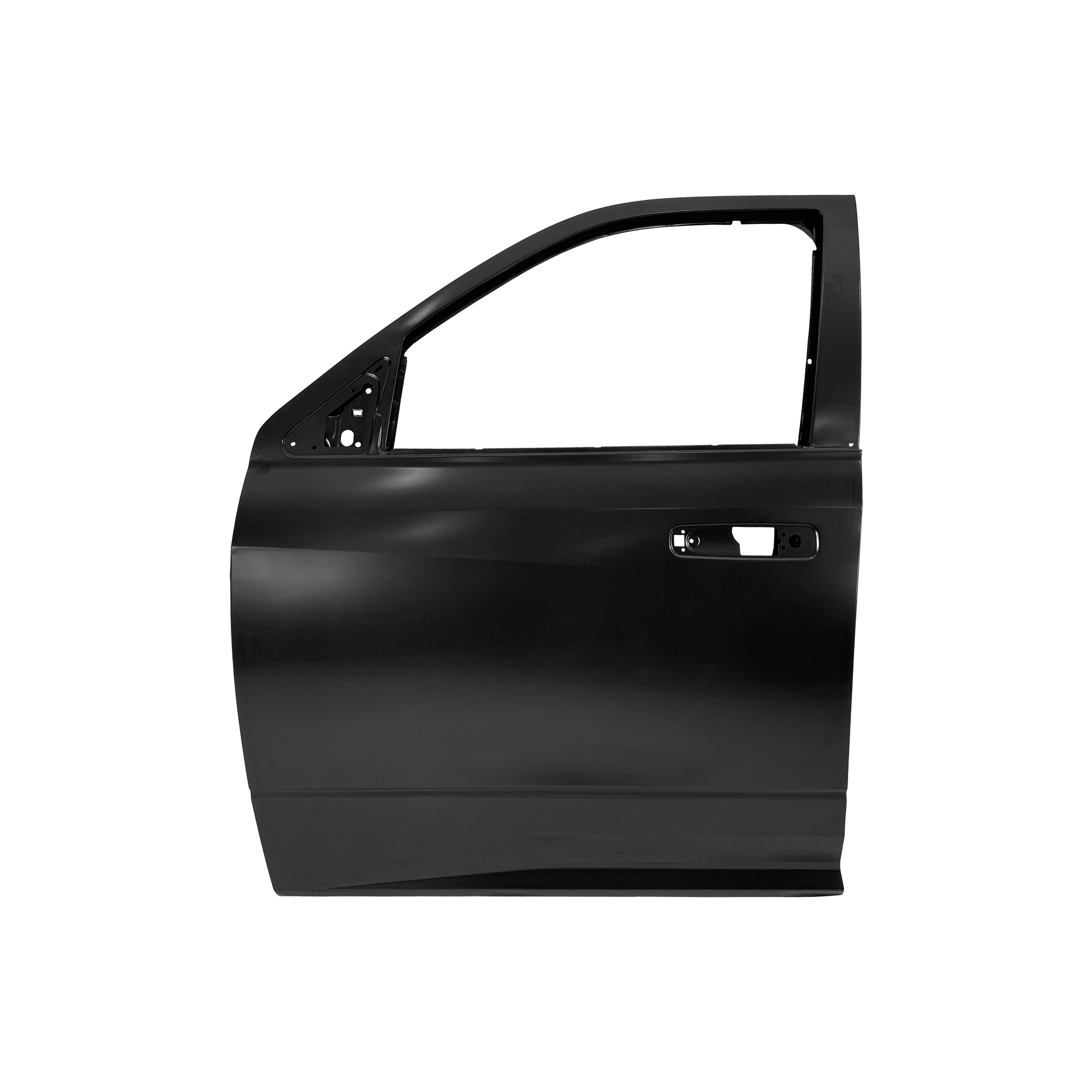 REPLACEMENT FRONT DOOR LH, 2013-2018, FOR DODGE RAM 1500, 68144729A, (STEEL)
-
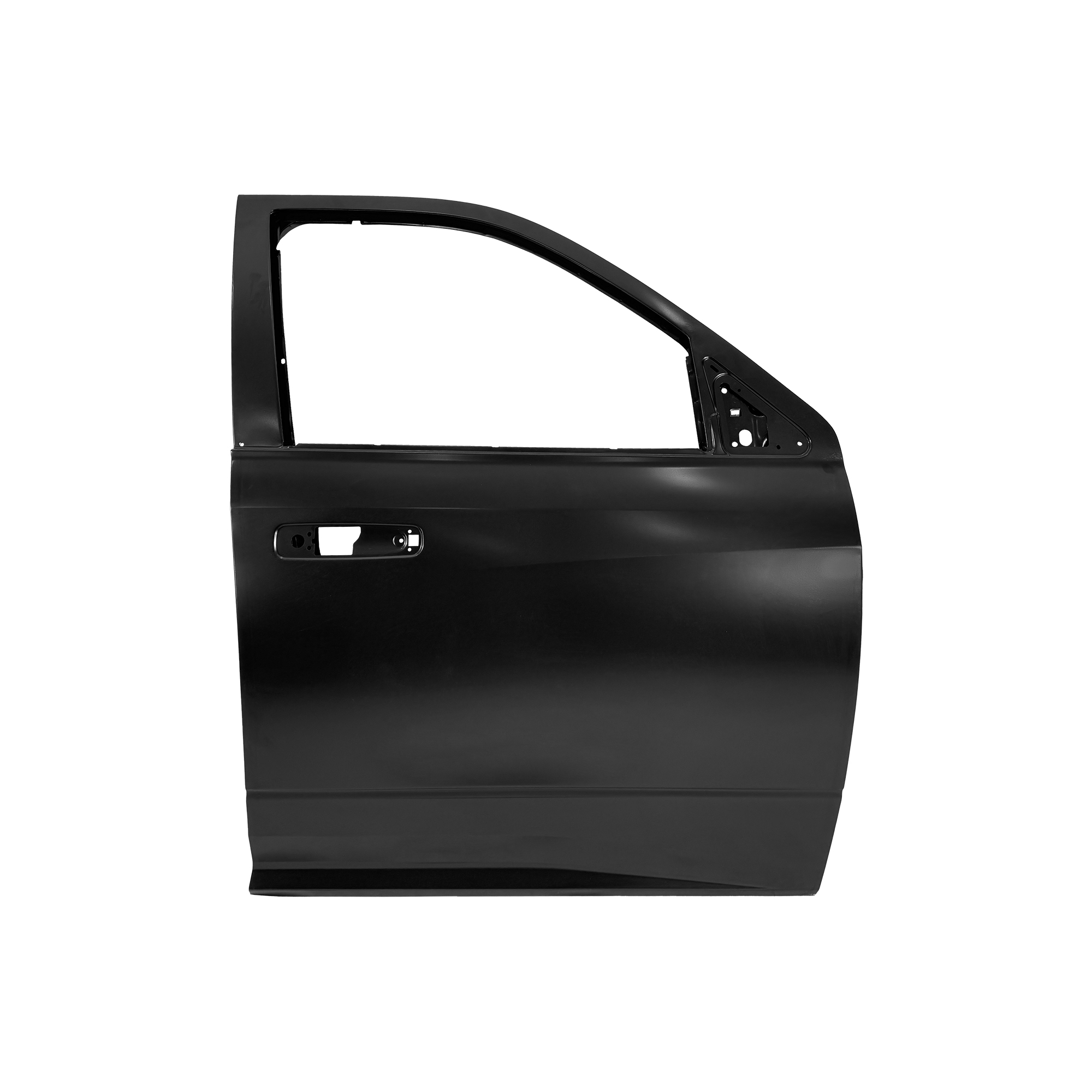 REPLACEMENT FRONT DOOR RH, 2013-2018, FOR DODGE RAM 1500, 68144728A, (STEEL)
-
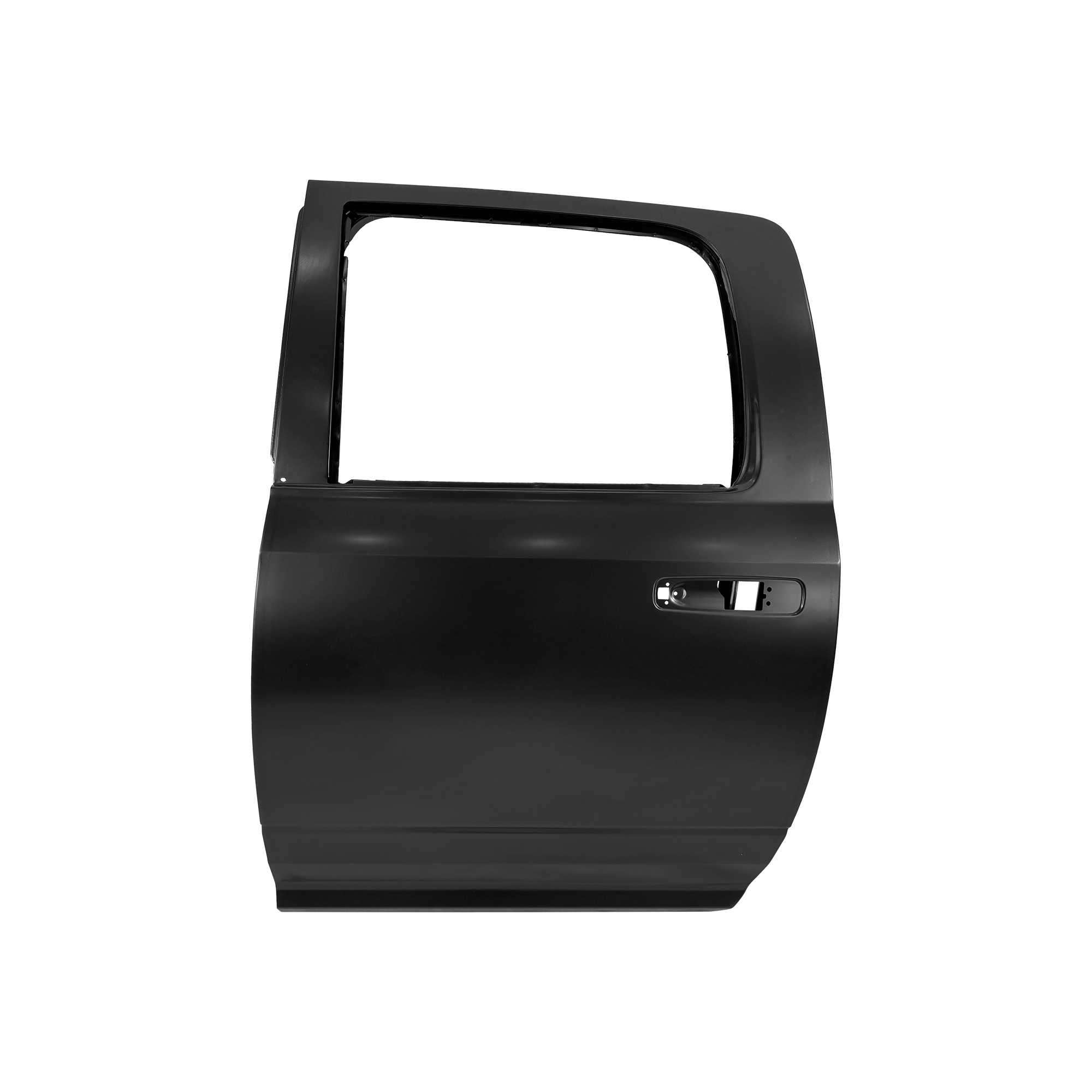 REPLACEMENT REAR DOOR LH, 2013-2018, FOR DODGE RAM 1500, 4589873A, (STEEL)
-
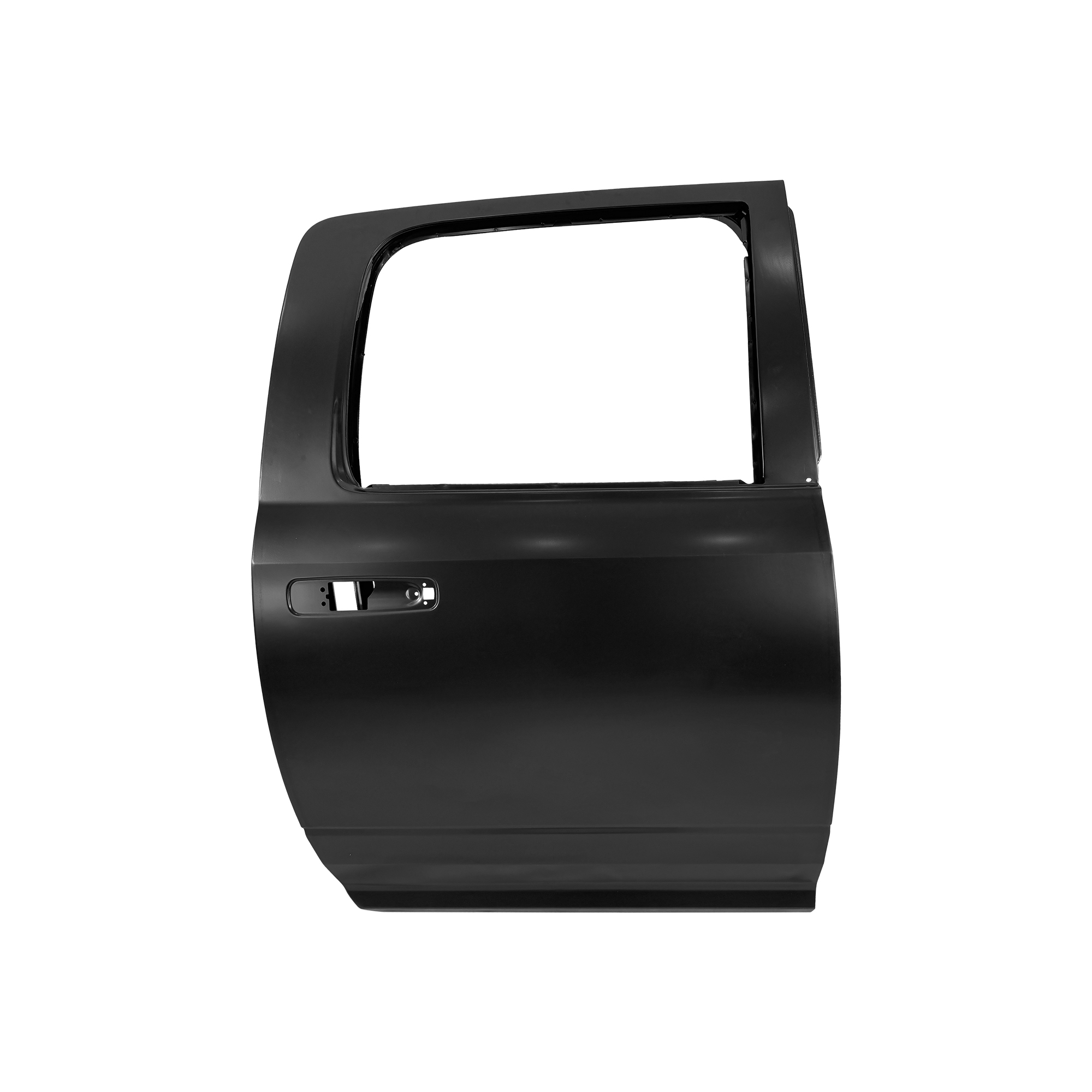 REPLACEMENT REAR DOOR RH, 2013-2018, FOR DODGE RAM 1500, 4589872A, (STEEL)
-
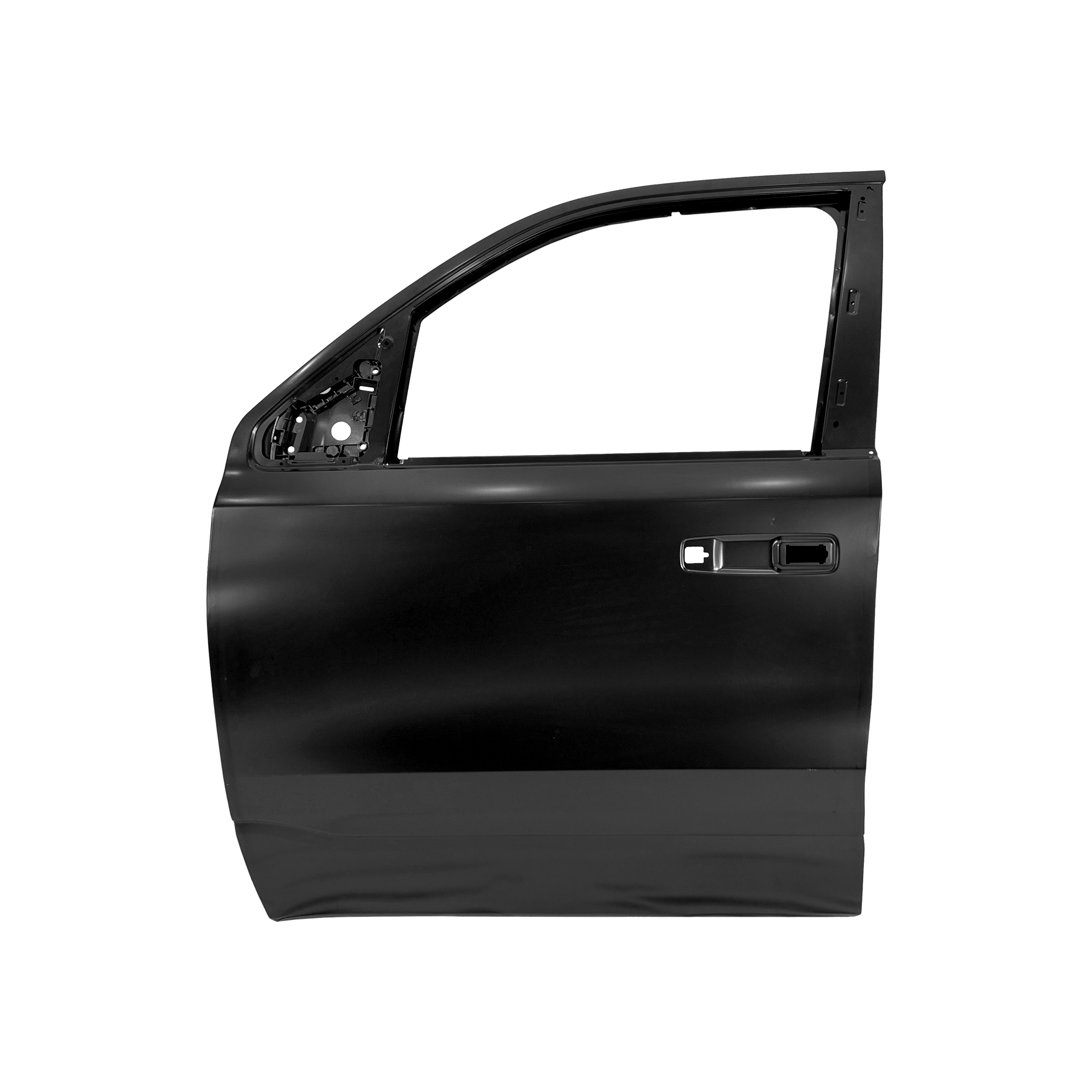 REPLACEMENT FRONT DOOR LH, 2019, FOR DODGE RAM 1500, 68292435AC, (STEEL)
-
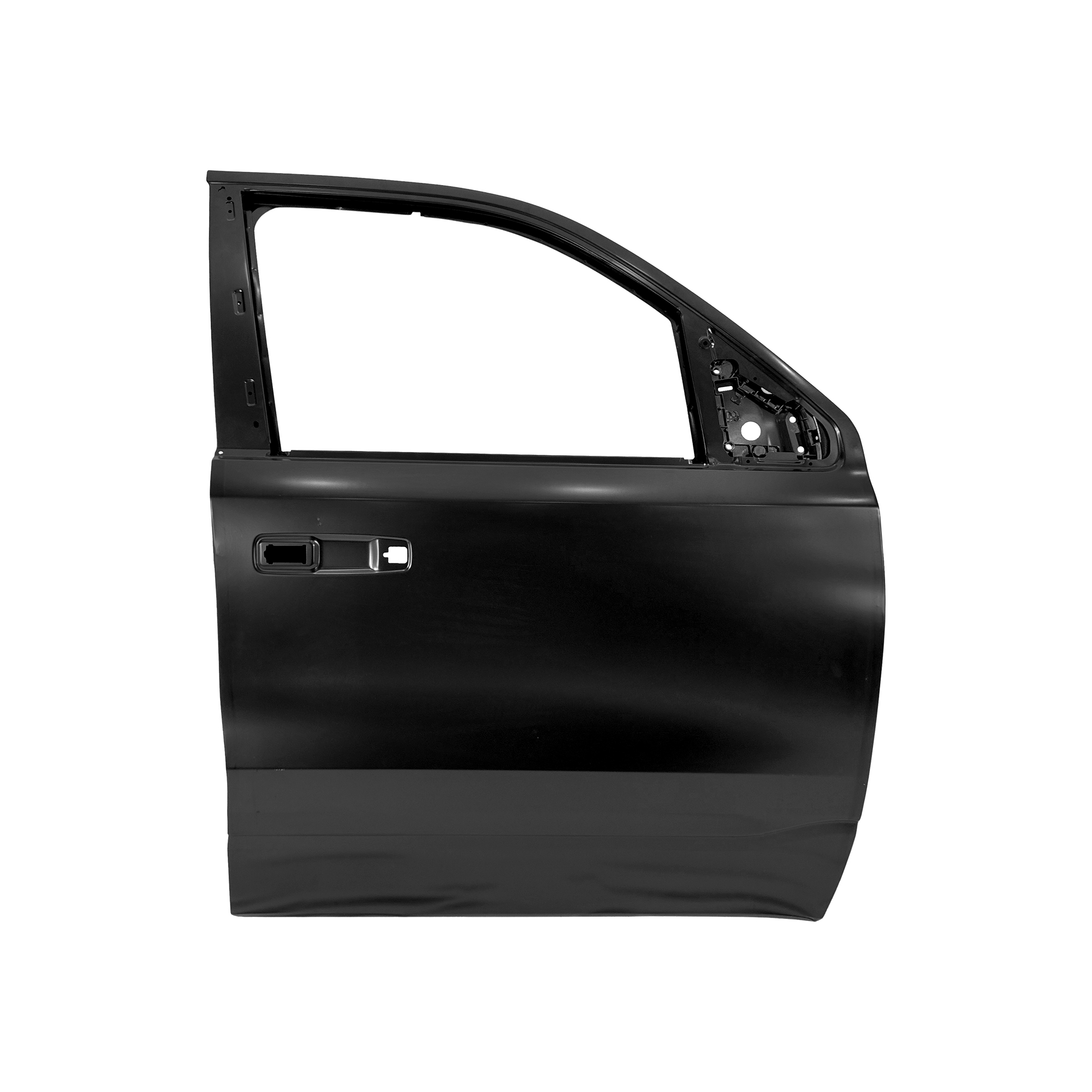 REPLACEMENT FRONT DOOR RH, 2019, FOR DODGE RAM 1500, 68292434AC, (STEEL)
Copyright @ Jiangsu Juncheng Vehicle Industry Co., Ltd. All Rights Reserved.
