
 English
 Español
 عربى
عربى русский
 中文简体
中文简体
Ford Replacement Parts Guide: How to Balance OEM vs. Aftermarket Body Parts
Ford Replacement Parts: The Key to Long-term Vehicle Maintenance
In the lifecycle of a Ford vehicle, the choice of Ford replacement parts directly determines driving quality and safety. A vehicle is not a simple collection of mechanical parts, but an integrated system of thousands of precision components. Every part replaced—whether a structural body component or a functional wear-and-tear item—must perfectly match the original engineering design to ensure the vehicle performs as expected in extreme situations.
The core philosophy of the Introduction to Ford Vehicle Maintenance lies in "preventative maintenance" and "restoration to original specifications." When your vehicle suffers a collision or natural wear, using the correct Ford replacement parts ensures:
- Synergy of Safety Systems: Modern Ford vehicles are equipped with complex safety technologies, such as Pre-Collision Assist and sensor arrays. Non-standard parts can cause radar beam deviation or sensor false alarms.
- Structural Integrity: Body parts like hoods and bumper brackets are designed with energy absorption (crumple zones) in mind. Using original specification parts ensures these areas deform along the designed path during a secondary accident, protecting the occupants.
- Resale Value Maximization: In the used car market, vehicles with complete original maintenance records and the use of Genuine Ford parts typically have a significantly higher market appraisal value than those using cheap alternatives.
Parameter Comparison: Ford OEM Parts vs. Aftermarket/Certified Parts
To give you a direct understanding of the differences between different types of Ford replacement parts, the following table lists a detailed comparison of core parameters:
| Key Parameters | Ford OEM Parts | Aftermarket Parts (Standard) | CAPA Certified Parts |
|---|---|---|---|
| Material Specs | Identical to factory parts; meets Ford lab standards | Materials may be downgraded (e.g., thinner steel or low-density plastic) | Independently tested; strength close to original |
| Fitment Precision | 100% Match; direct installation with no modification | Tolerances may exist; may require cutting or adjustment | Test-fitted; fitment superior to standard aftermarket |
| Corrosion Treatment | Original EDP coating; extreme rust resistance | Thinner coating; prone to rust spots over long-term use | Higher standard than standard parts, but slightly below OEM |
| Safety Crash Testing | Verified by Ford full-vehicle crash tests | Usually lacks dynamic full-vehicle crash simulation | Subject to static comparison tests for key load points |
| Warranty Support | Global limited warranty provided by Ford | Limited or no warranty from the manufacturer | Quality commitment usually provided by the certifier |
What Are Ford OEM Parts?
When discussing Ford replacement parts, the most common term is OEM. Understanding its core definition is crucial to ensuring your vehicle returns to its factory state.
What Are Ford OEM Parts? OEM stands for Original Equipment Manufacturer. Simply put, these Ford replacement parts are designed, validated, and produced by Ford Motor Company or its authorized factories. They are exactly the same as the parts installed on your vehicle on the assembly line, sharing the same engineering blueprints, material standards, and quality inspection processes.
Core Advantages: Why Choose Genuine Ford Parts?
- Consistency of Physical Properties: Original Ford replacement parts utilize patented alloys or composite materials during manufacturing. For example, the thickness and tensile strength of aluminum body panels are strictly calculated to ensure they crumple according to the predetermined path in a collision.
- Electronic System Integration: Modern Ford auto body parts (such as mirrors or bumpers) often integrate complex sensors. OEM parts ensure these electronic components communicate "plug-and-play" with the vehicle's central system without the need for complex reprogramming.
- Surface Treatment and Coating: Original parts usually undergo an electrophoretic primer treatment (EDP), with surface roughness optimized for the strongest adhesion to the original factory paint, preventing peeling or rust spots years later.
Precise Positioning: The Key Role of the VIN Number
When purchasing Ford replacement parts, the VIN Number (Vehicle Identification Number) is your unique ID. Because the same model may have slight variations in internal brackets or fastener positions depending on the year or configuration, querying via the VIN allows you to:
- Eliminate Tolerance Errors: Ensure bracket hole offsets are controlled within +/- 0.5mm.
- Verify Part Successions: Automatically identify official Ford Superseded Parts that replace older versions with improved designs.
Technical Parameter Comparison: OEM vs. Standard Aftermarket
| Physical/Technical Parameter | Ford OEM Replacement Parts | Standard Aftermarket Parts |
|---|---|---|
| Material Density | Meets SAE J435 standards; uniform density | Higher impurities; may lead to stress concentration |
| Tensile Strength | 500-700 MPa (depending on part) | Usually 350-450 MPa; insufficient strength |
| Salt Spray Rust Resistance | Over 1000 hours without red rust | Usually starts oxidizing at 240-480 hours |
| Hole Positioning Accuracy | Tolerance range <= 0.1mm | Tolerance range >= 1.0mm (may require drilling) |
| Thermal Expansion Coeff. | Matches adjacent OEM parts; no noise | Varying expansion rates; prone to gaps or squeaks |
| Anti-Counterfeit | Laser-etched codes and OEM labels | No codes or simple inkjet printing |
Ford Auto Body Replacement Parts Detailed
Body components are not just the "face" of the vehicle; they are a combination of precision engineering and advanced materials. When choosing Ford replacement parts, quality requirements vary significantly across different body areas, especially for modern models equipped with Advanced Driver Assistance Systems (ADAS).
Quality Requirements for Key Body Parts
- Bumpers: Modern Ford bumper fascia are no longer just plastic pieces. They integrate Blind Spot Information System (BLIS) and Pre-Collision Assist sensors. Non-original Ford replacement parts with uneven thickness or coatings exceeding 300 microns will directly interfere with radar beams, causing active safety systems to fail.
- Hoods & Fenders: Since 2015, many Ford models (like the F-150) have used Military-Grade Aluminum Alloy. This material has no "metal memory," making it extremely difficult to repair via traditional stretching once deformed. Using original aluminum Ford auto body parts ensures the specific weight reduction benefits and collision crumple performance.
- Side Mirrors: Containing cameras, heating functions, and blind-spot warning lights, original parts ensure the electrical plugs achieve true "plug-and-play" functionality.
Material and Process Comparison: OEM Body Parts vs. Certified/Non-Certified
| Performance Metric | Ford Genuine Auto Body Parts | High-Level Certified (CAPA) | Standard Aftermarket |
|---|---|---|---|
| Main Material | 6000 Series Military-Grade Al / HSS | 5000 Series or standard aluminum | Recycled aluminum or low-carbon steel |
| Paint Thickness Limit | Strictly <= 300um for sensor support | Uneven; may affect radar penetration | Often too thick; prone to sensor alarms |
| Installation Tech | Supports Self-Piercing Riveting (SPR) | Requires drilling or modification | Relies on forced stretching and welding |
| Dent Resistance | Extremely high; balanced weight/rigidity | Medium | Low; easily deformed with light pressure |
| Thermal Stability | Matches OEM sealants; no noise at -30C | Good fitment | Prone to gap widening or noise in heat |
| Weight (e.g., Hood) | Approx. 10-15 kg (Aluminum) | Approx. 12-18 kg | Approx. 25-30 kg (Steel replacement) |
The Importance of Structural Integrity
Official Ford collision position statements clearly point out: Quality fitment is essential. For instance, original Ford replacement parts are manufactured considering "galvanic corrosion." Since aluminum and steel corrode when in direct contact, original parts use special coating processes at connection points. If aftermarket parts ignore these material properties, it could lead to structural corrosion from the inside out within a few years.
OEM vs. Aftermarket: Which Ford Replacement Parts Are Right for You?
When performing vehicle repairs, owners usually face two main choices: OEM or Aftermarket. Both hold a place in the Ford replacement parts market, and the key to choosing lies in balancing cost, residual vehicle value, and warranty confidence.
The Deep Advantages of Genuine Ford Parts
- Warranty Protection: Most official Ford replacement parts provide nationwide or global linked warranties. Furthermore, under the Magnuson-Moss Warranty Act, installing original parts will never void your bumper-to-bumper warranty.
- Residual Value Guarantee: In used car appraisals, vehicles using Genuine Ford parts are viewed as "original," which significantly increases the resale value.
- Reduced Labor Costs: Due to 100% fitment, technicians do not need to perform secondary trimming or paint correction, shortening the repair cycle.
Realistic Trade-offs of Aftermarket Parts
- Cost Flexibility: Prices are typically 20% to 50% lower than OEM, making them an economic choice for older vehicles or non-insurance repairs.
- Quality Grading: The aftermarket is a mixed bag. CAPA Certification (Certified Automotive Parts Association) is the gold standard for identifying high-quality aftermarket components.
- Potential Risks: Uncertified parts may suffer from hole misalignment, brittle materials, or deformation under high heat.
Attribute Comparison: OEM vs. CAPA Certified vs. Standard Aftermarket
| Appraisal Dimension | Ford OEM Parts | CAPA Certified Parts | Standard Non-Certified |
|---|---|---|---|
| Fitment | Perfect (Zero Tolerance) | Equivalent | Variable (Tolerance often > 1.5mm) |
| Material Strength | Meets Ford crash energy requirements | Pressure tested; near OEM standard | Unknown; often recycled materials |
| Oxidation Res. (Rust) | Original EDP Coating | 480+ hour salt spray tested | Simple paint; prone to rust |
| Warranty Commitment | Official 12-24 month warranty | Certifier quality commitment | Short-term retail return policy only |
| Insurance Acceptance | Preferred for full coverage | Accepted by most insurers | Only used in ultra-low budget cases |
| Impact on Resale | Positive (Maintains or improves) | Neutral | Negative (Possible appraisal downgrade) |
Do Repair Shops Use Only Ford OEM Parts?
In actual collision repair or routine maintenance, whether a shop uses original Ford replacement parts often depends on a complex decision-making process involving insurance terms, laws, and customer budgets.
Repair Shop Selection Logic
- Insurance Directives: Unless your insurance policy includes an "OEM Endorsement," insurers usually only pay for "Like Kind & Quality (LKQ)" or certified aftermarket parts. To control costs, insurers prioritize salvaged original parts or cheaper aftermarket options.
- Customer Right to Know: In most regions, shops are obligated to inform customers of the type of Ford replacement parts being used. If an insurer refuses to pay for OEM parts, the owner can usually choose to pay the "Price Gap" to upgrade to Ford OEM parts.
- Ford Certified Collision Network (FCCN): The advantage of choosing Ford-certified collision centers is that they not only have specialized aluminum repair tools but also prioritize lobbying insurers to use original parts to ensure the repair meets official Ford technical standards.
Practical Definitions: OEM vs. LKQ vs. Aftermarket
| Terminology | Source and Status | Fitment & Safety | Why Shops Choose It |
|---|---|---|---|
| New OEM | Official Ford channels; brand new | Highest; meets latest safety TSBs | New vehicles, critical safety (Airbags) |
| LKQ | Original used parts salvaged from donor cars | High; original specs, though used | Insurer preference; reduces cost while fitting |
| Certified Aftermkt | Third-party produced; CAPA certified | High; tested for functional equivalence | Older cars or limited insurance coverage |
| Non-cert. Aftermkt | Cheap 3rd-party; no certification | Unstable; may require cutting/mods | Low-budget repairs; not for critical parts |
FAQ
Q1: Will using aftermarket Ford replacement parts void my new vehicle warranty?
Answer: Not entirely. According to the Magnuson-Moss Warranty Act, a manufacturer cannot void your entire vehicle warranty just because you used a non-original part. If a failure is directly caused by the quality of that aftermarket part, Ford will not cover that specific repair.
Q2: How can I tell if I am buying genuine Ford OEM Parts?
Answer: Identify authenticity through these three features: Packaging & Branding (official logos or Motorcraft), Part Numbers (unique engineering numbers like FL1A-6731-BD), and Security Labels (laser holographic labels).
Q3: What is CAPA certification and how does it differ from standard parts?
Answer: CAPA is an independent certification body. A Ford replacement part with this certification means it has undergone rigorous testing for material, fitment, and safety, and is recognized as "equivalent to original quality."
Parameter Comparison: Warranty and Lookup Channels
| Category | Ford OEM Parts | CAPA Aftermarket Parts | Standard Aftermarket |
|---|---|---|---|
| Standard Warranty | Usually 24 months/unlimited miles | Manufacturer dependent (usually 12mo) | Very short or none |
| Labor Coverage | Includes authorized shop labor | Covers part only; no labor | None |
| Lookup Tool | Official Ford Parts Catalog (VIN support) | CAPA Official Database | General parts catalogs |
| Use Case | 0-3 year old cars; safety systems | 4-8 year old cars; body panels | High-mileage cars; trim pieces |
Q4: How do I access the Official Ford Parts Catalog?
Answer: You can visit the official Ford parts portal (usually ford.com/parts). By entering your VIN Number, the system automatically filters the list of Ford replacement parts that match your specific configuration and production date.
-
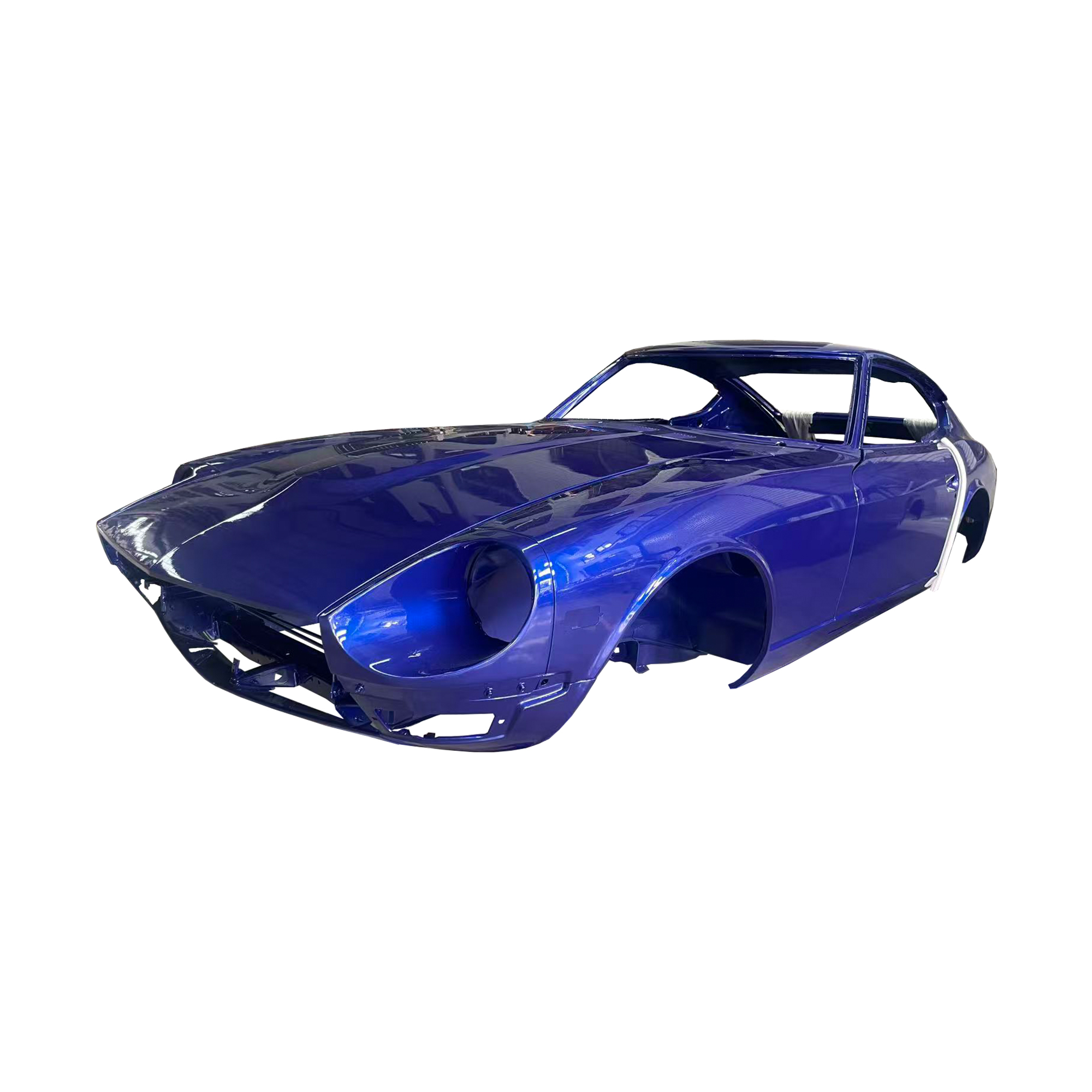 REPLACEMENT COMPLETE CAR BODY ASSEMBLY, 1969-1973, FOR NISSAN DATSUN 240Z
-
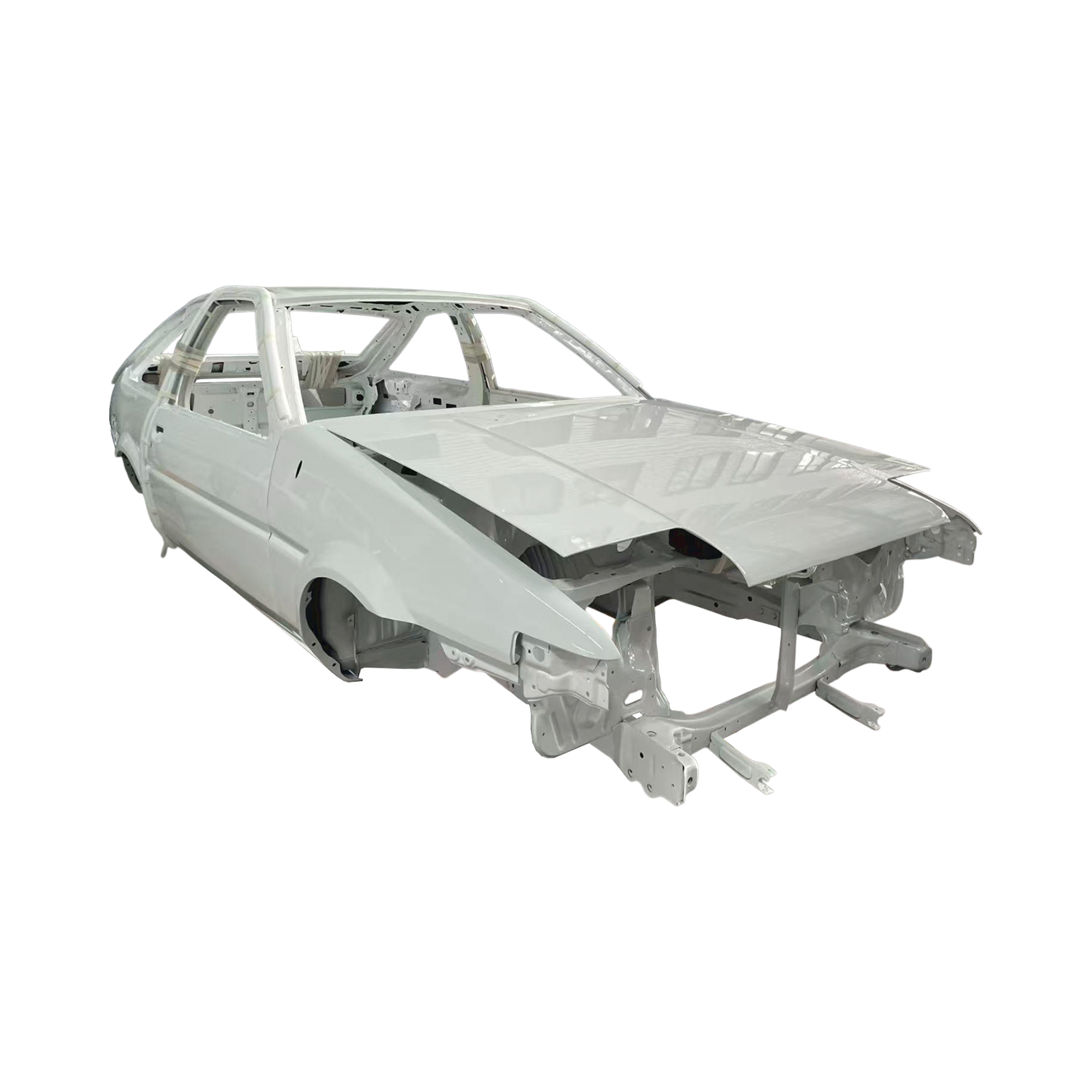 REPLACEMENT COMPLETE CAR BODY ASSEMBLY, 1983-1987, FOR TOYOTA AE86
-
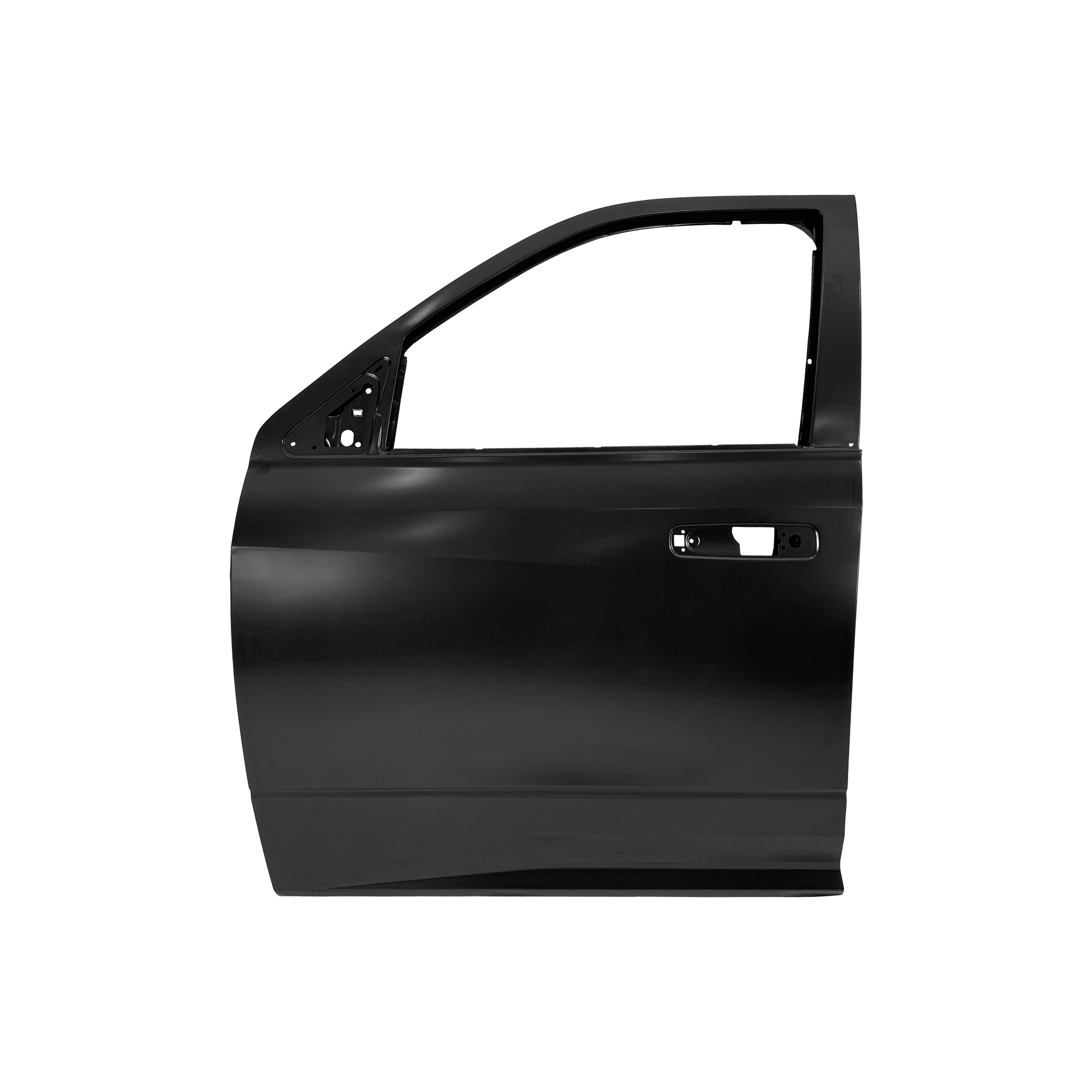 REPLACEMENT FRONT DOOR LH, 2013-2018, FOR DODGE RAM 1500, 68144729A, (STEEL)
-
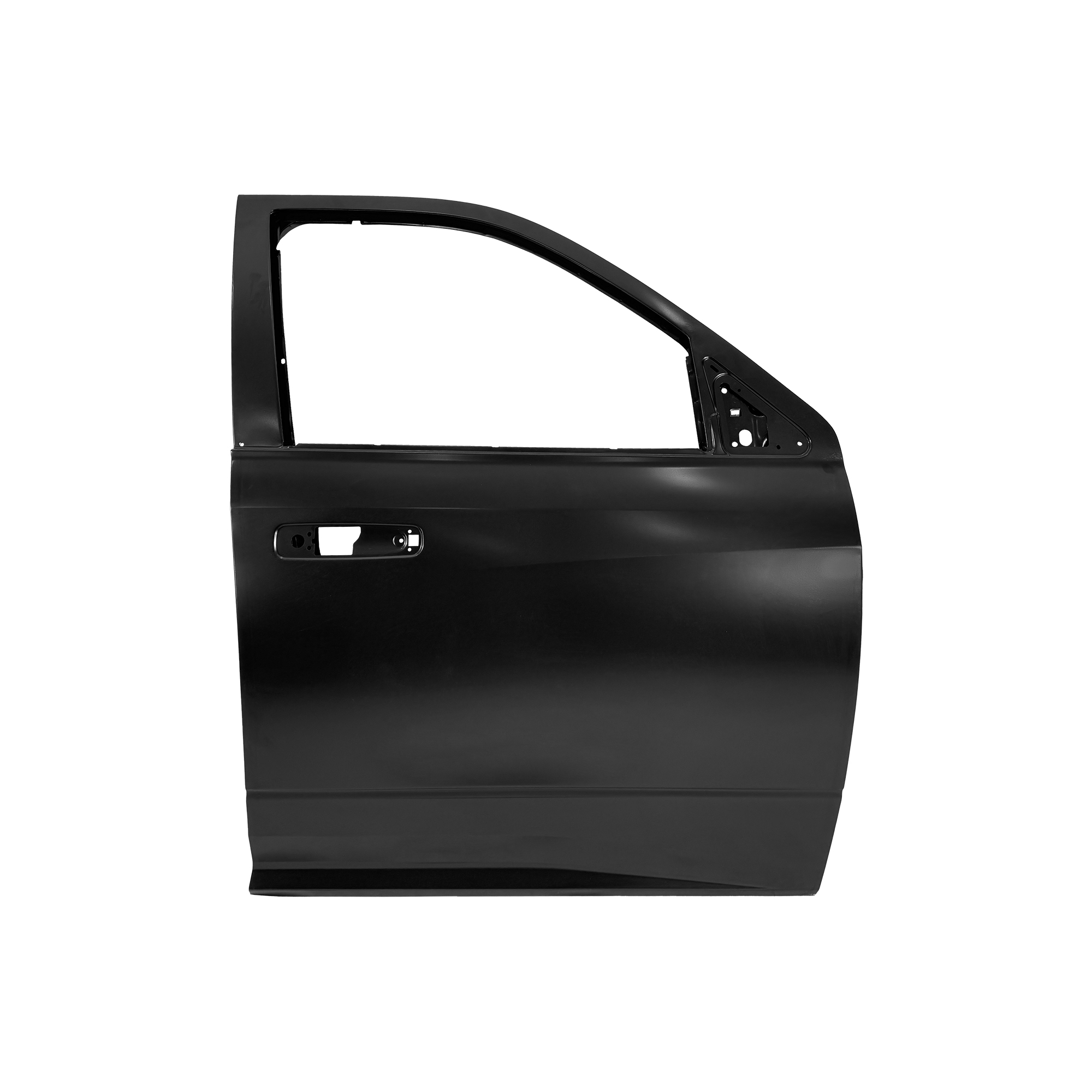 REPLACEMENT FRONT DOOR RH, 2013-2018, FOR DODGE RAM 1500, 68144728A, (STEEL)
-
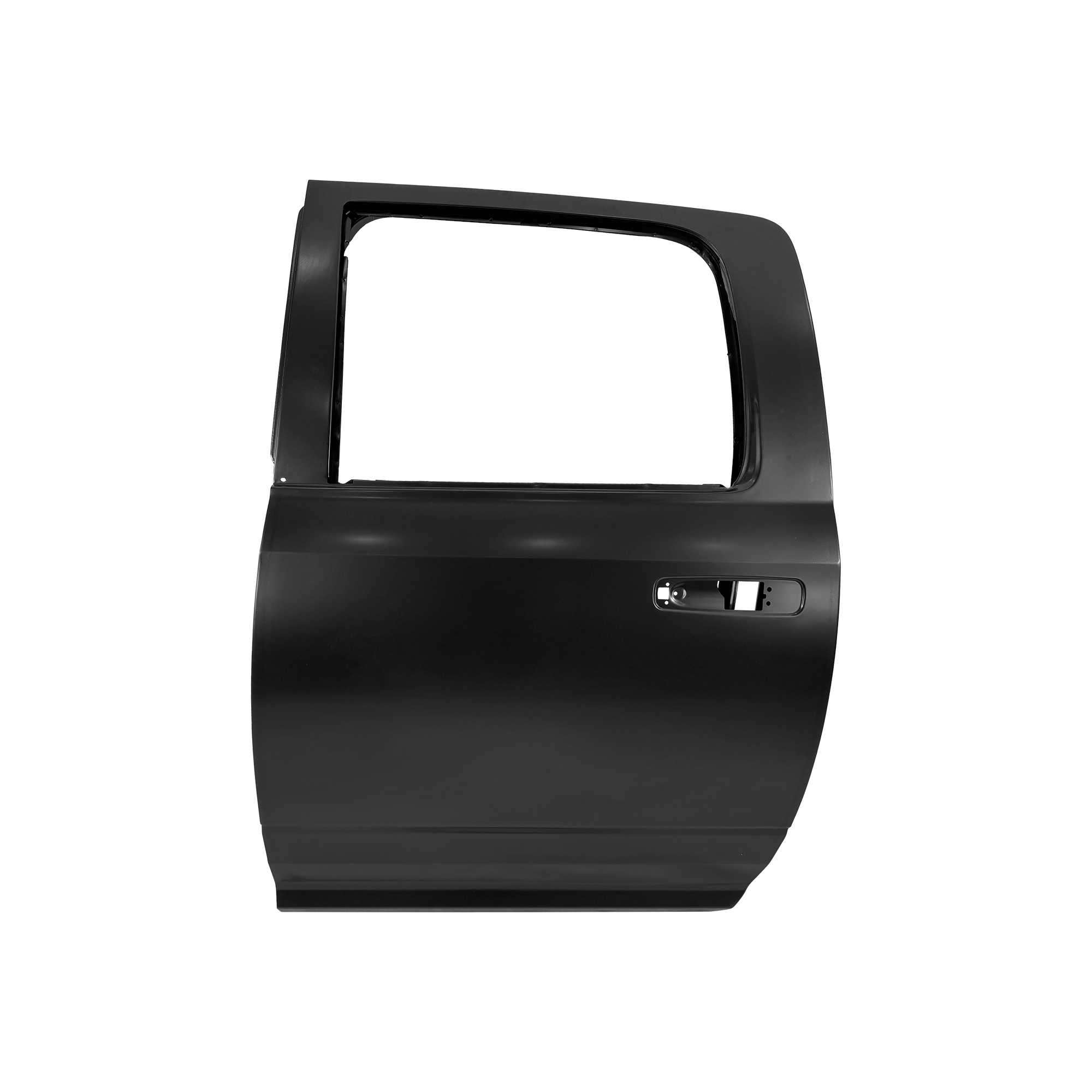 REPLACEMENT REAR DOOR LH, 2013-2018, FOR DODGE RAM 1500, 4589873A, (STEEL)
-
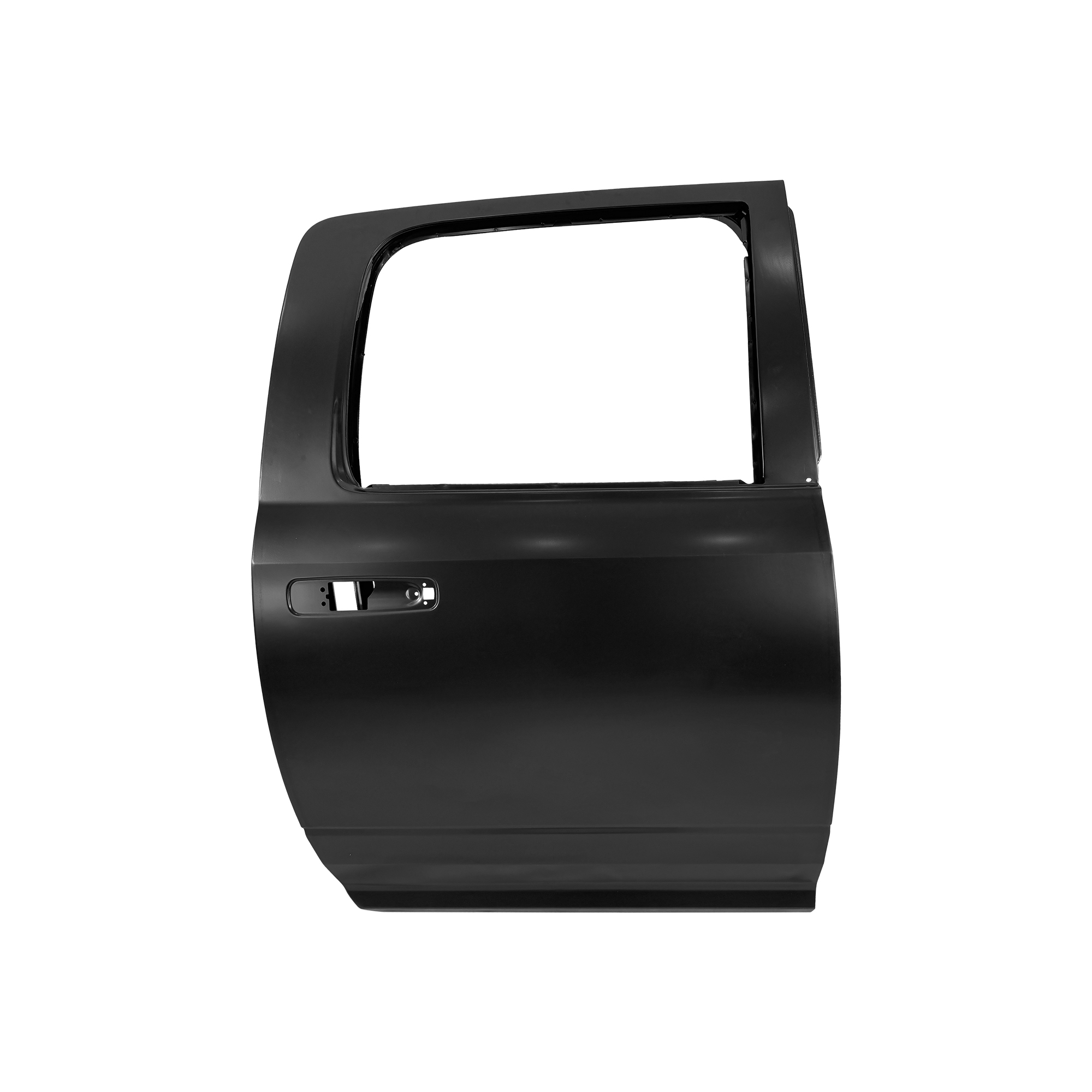 REPLACEMENT REAR DOOR RH, 2013-2018, FOR DODGE RAM 1500, 4589872A, (STEEL)
-
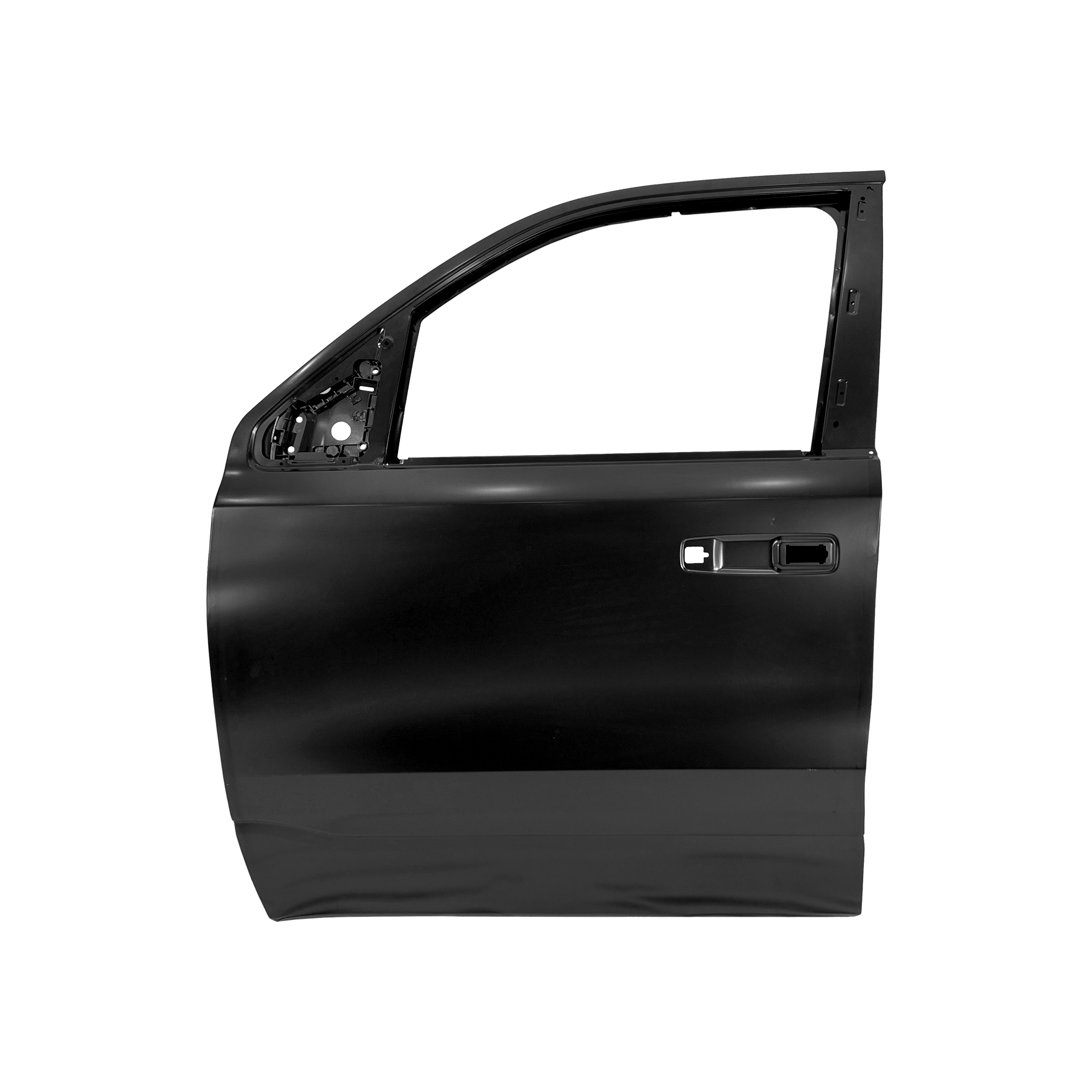 REPLACEMENT FRONT DOOR LH, 2019, FOR DODGE RAM 1500, 68292435AC, (STEEL)
-
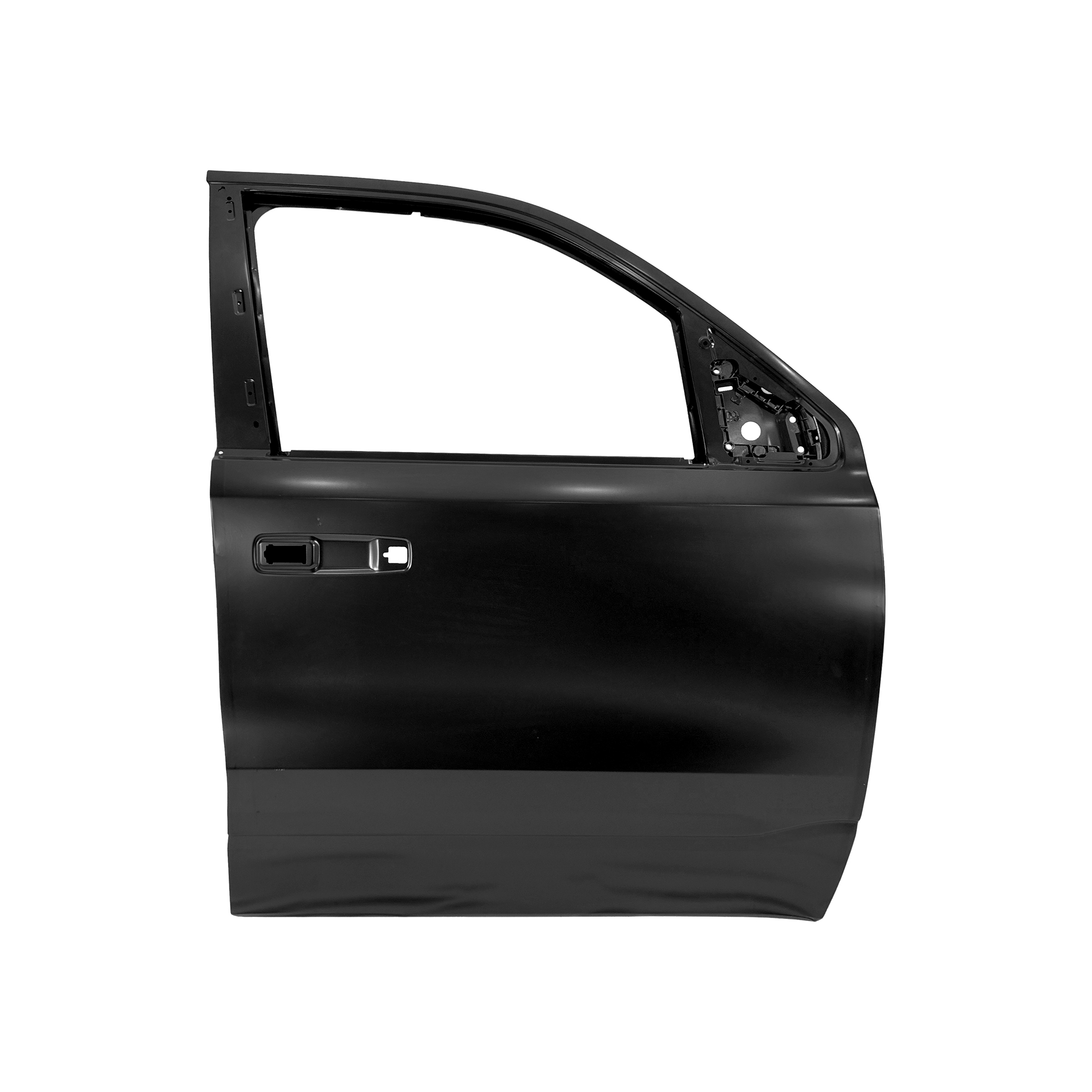 REPLACEMENT FRONT DOOR RH, 2019, FOR DODGE RAM 1500, 68292434AC, (STEEL)
Copyright @ Jiangsu Juncheng Vehicle Industry Co., Ltd. All Rights Reserved.
