
 English
 Español
 عربى
عربى русский
 中文简体
中文简体
Ford F-150 Aluminum Body Collision Repair: Why Replacement Costs Less Than Repair
In the pickup truck market, the Ford F-150 has utilized Military-Grade Aluminum Alloy for its entire body construction since the 2015 model year. While this design significantly reduces vehicle weight and increases payload capacity, it has fundamentally altered the logic of aftermarket collision repair. For automotive professionals and fleet managers, understanding why Replacement of aluminum body panels is often more Cost-effective than traditional Straightening or repair is crucial for maintaining vehicle value and safety.
Material Physics: Lack of Metal Memory
Unlike traditional High-Strength Steel, aluminum alloys possess almost no "Metal Memory." When a steel panel is dented, it retains a tendency to return to its original shape when manipulated by professional pulling tools. Aluminum, however, reacts differently to stress. Once deformed, the molecular structure changes, creating intense internal resistance.
Work Hardening: When a technician attempts to cold-pull or hammer an aluminum panel, the metal undergoes Work Hardening, becoming rapidly stiffer and more brittle. Repeated manipulation often leads to Micro-fractures. These cracks not only ruin the aesthetic finish but also compromise the structural integrity of the component in a secondary collision event.
The Challenge of Thermal Treatment: The 570 degree F Limit
Aluminum is exceptionally heat-sensitive, making traditional "hot repair" techniques extremely risky for F-150 components. To fix complex creases, technicians often apply heat to soften the metal. However, if the temperature exceeds 570 degrees F, the aluminum undergoes Annealing, a process that permanently degrades the strength of the alloy.
The high cost of precision equipment, such as laser-guided thermometers and digital heat guns, combined with the high Labor Rates for specialized aluminum technicians, often means the time spent repairing a single crease exceeds the purchase price of a brand-new Aftermarket or OEM panel.
Modular Design Simplifies Panel Replacement
Ford engineered the F-150 with repairability in mind, optimizing the body structure for component swapping rather than labor-intensive metalwork. Many exterior panels are attached using Self-Piercing Rivets and Structural Adhesives rather than complex welds.
Labor Efficiency: Replacing a Ford F-150 Fender, for example, involves removing bolts and a limited number of rivets. Studies indicate that replacing a panel often requires 20% to 40% fewer labor hours compared to the cycle of straightening, sanding, and applying Bondo or body filler. This faster turnaround reduces the "Key-to-Key" time, getting the truck back on the road sooner.
Preventing Galvanic Corrosion and Environmental Costs
Aluminum repair requires a clean-room environment to prevent Galvanic Corrosion. If steel dust from a nearby grinder lands on a bare aluminum panel, it triggers a chemical reaction that causes the paint to bubble and flake off within months. Repair shops must maintain a separate bay with a dedicated Aluminum Tool Set, including specialized sanders and explosion-proof vacuum systems for combustible aluminum dust.
For minor accidents, the "environmental overhead" of setting up a clean repair zone often makes Replacement the more logical financial choice. Installing a new, pre-primed panel eliminates the risk of cross-contamination and the high cost of rework due to paint failure.
Component Pricing and Resale Value Protection
As the volume of aluminum F-150s on the road has surged, the production scale for Replacement Parts like Hoods, Fenders, and Bed Sides has increased. This has led to a significant decrease in retail prices for these components. In many cases, an F-150 aluminum hood is now priced competitively with, or even lower than, the steel hoods of rival brands.
Furthermore, a vehicle history report showing a "New Panel Replacement" is viewed much more favorably in the Resale Value market than a report indicating extensive body filler work. Ensuring the Crumple Zones are factory-fresh guarantees that the vehicle will perform exactly as designed in a future impact.
-
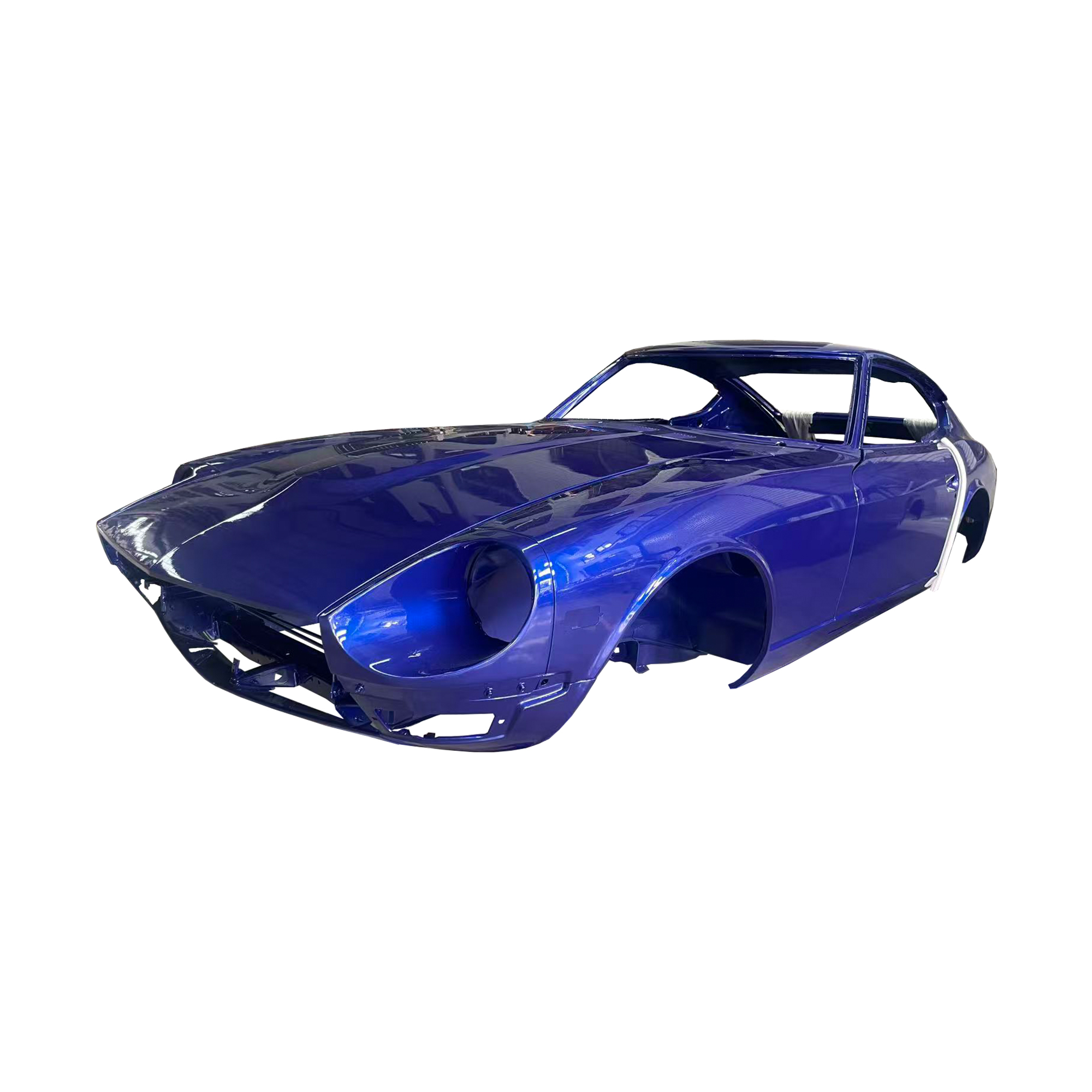 REPLACEMENT COMPLETE CAR BODY ASSEMBLY, 1969-1973, FOR NISSAN DATSUN 240Z
-
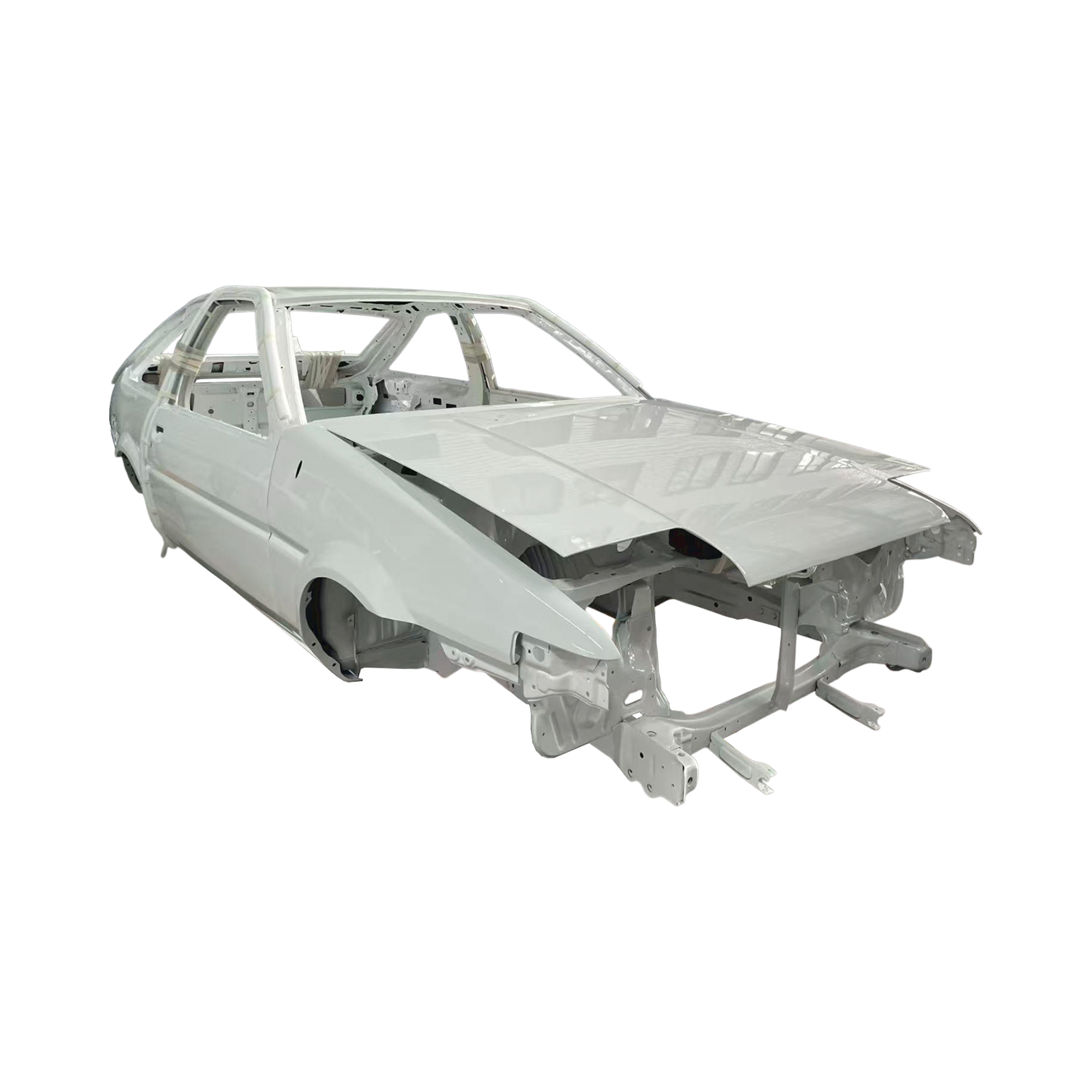 REPLACEMENT COMPLETE CAR BODY ASSEMBLY, 1983-1987, FOR TOYOTA AE86
-
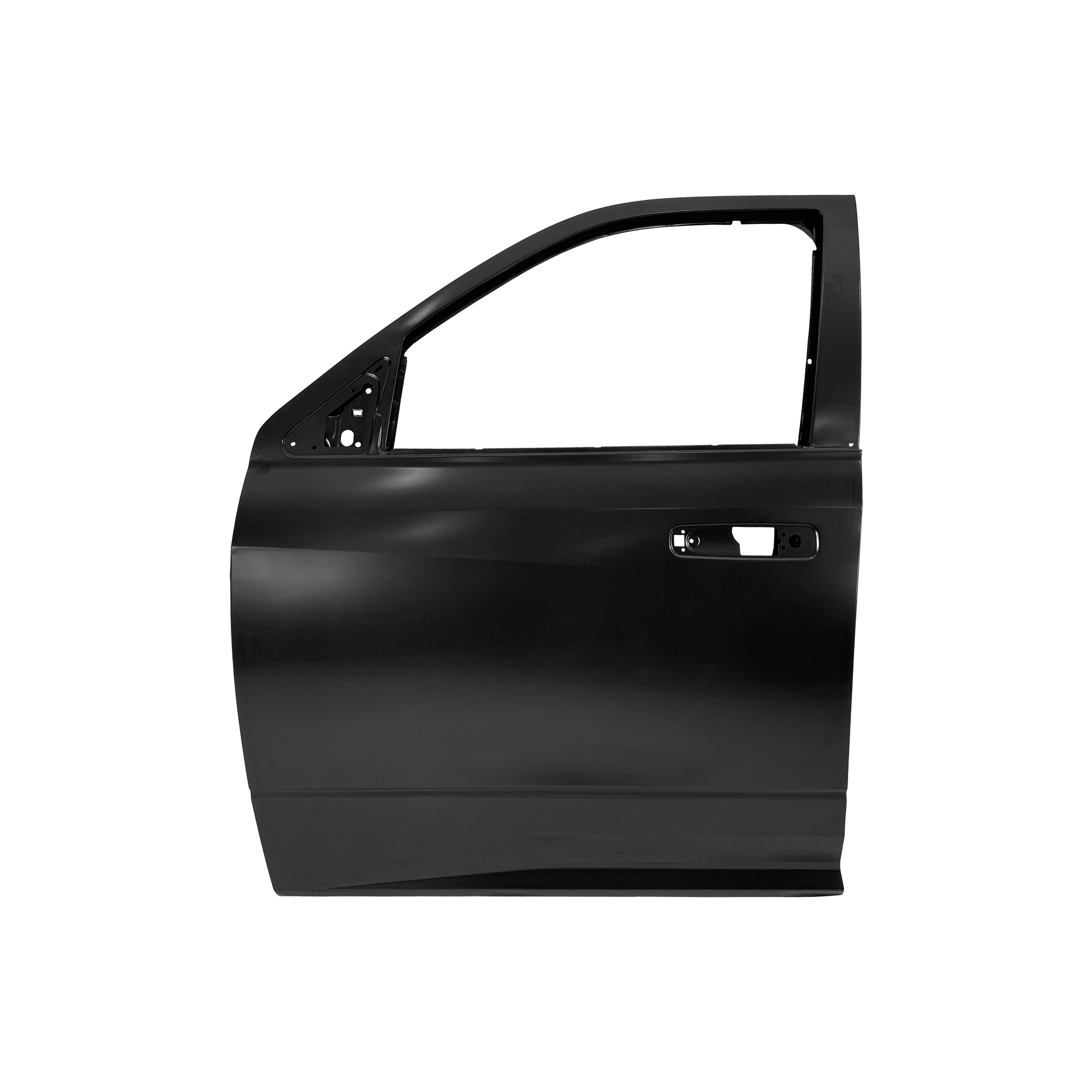 REPLACEMENT FRONT DOOR LH, 2013-2018, FOR DODGE RAM 1500, 68144729A, (STEEL)
-
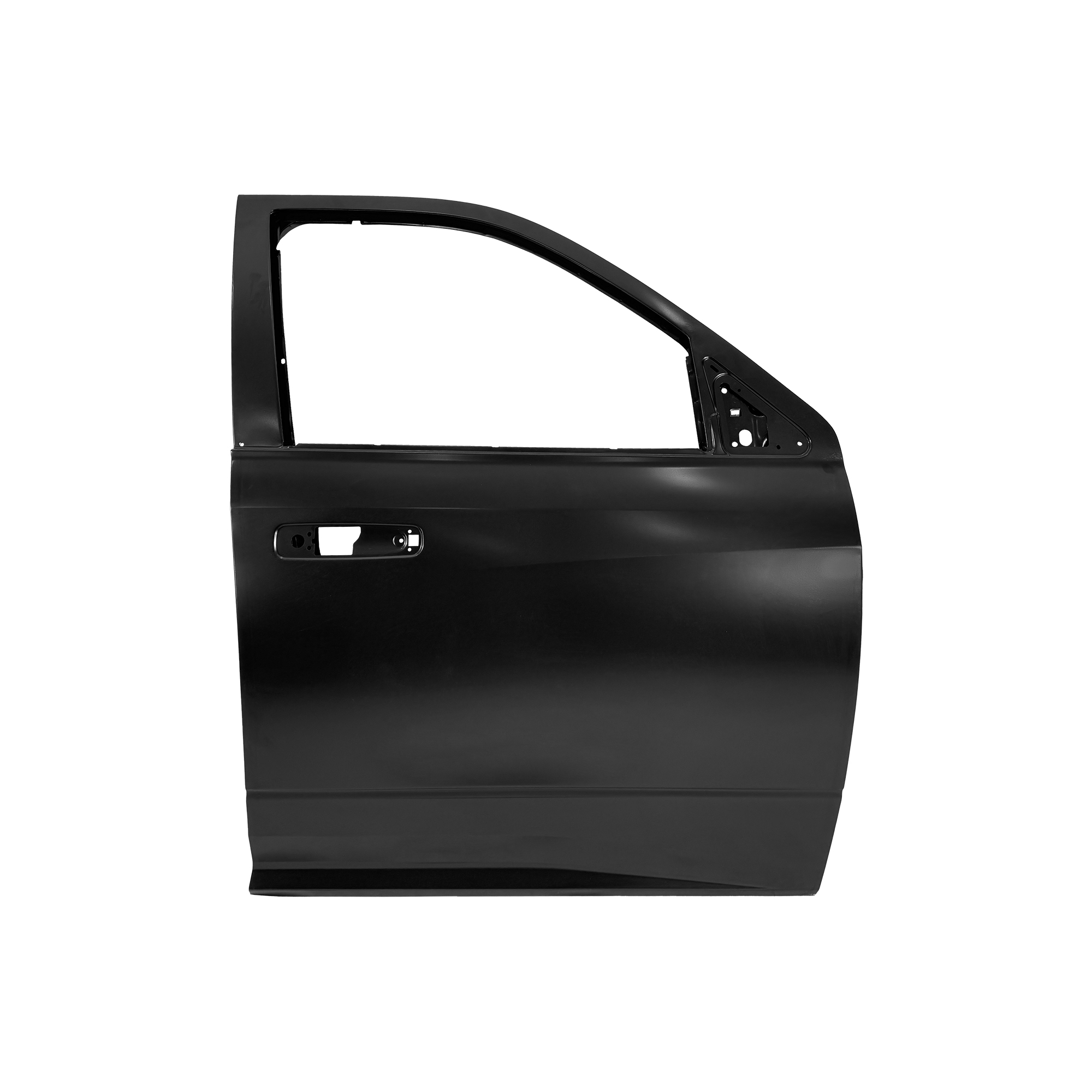 REPLACEMENT FRONT DOOR RH, 2013-2018, FOR DODGE RAM 1500, 68144728A, (STEEL)
-
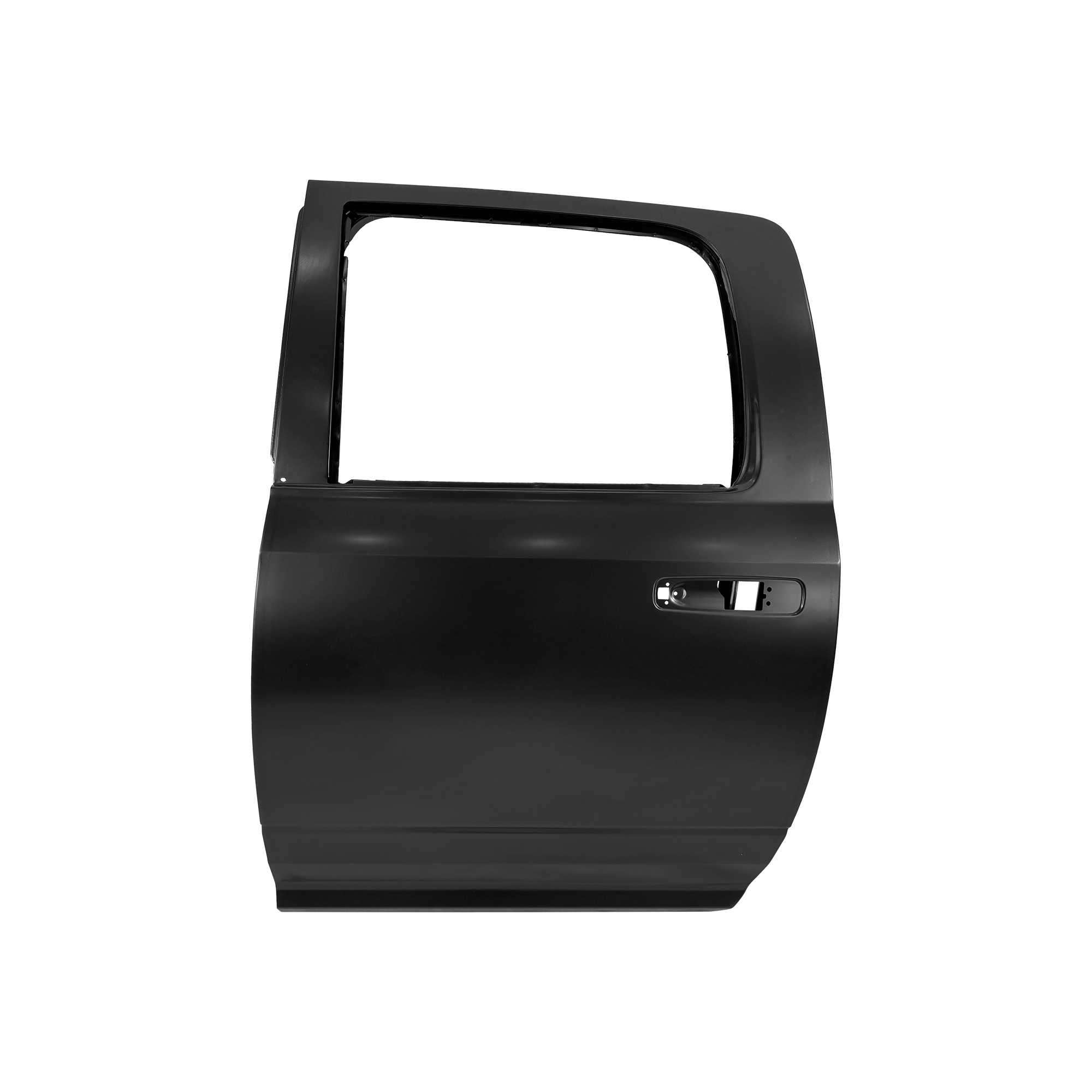 REPLACEMENT REAR DOOR LH, 2013-2018, FOR DODGE RAM 1500, 4589873A, (STEEL)
-
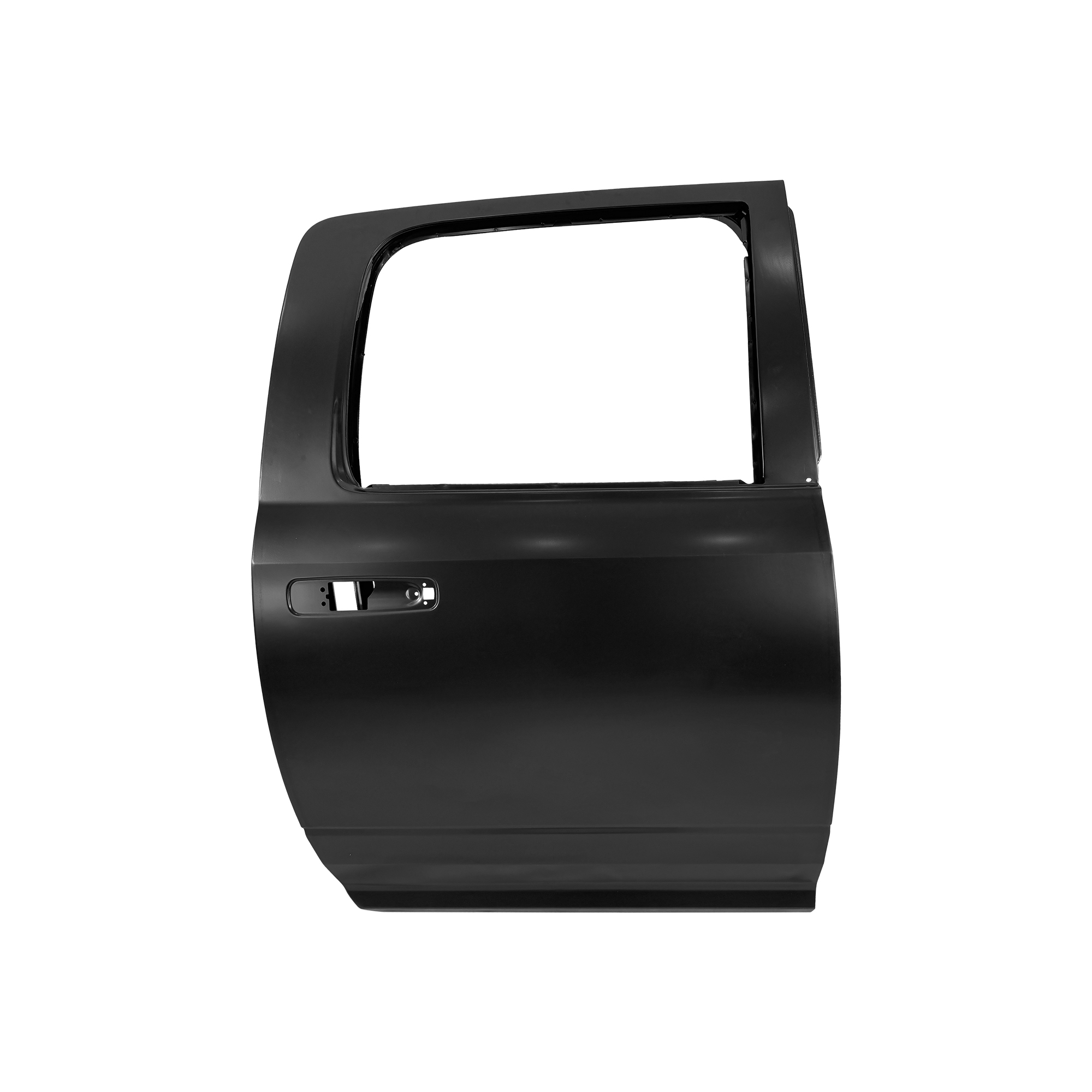 REPLACEMENT REAR DOOR RH, 2013-2018, FOR DODGE RAM 1500, 4589872A, (STEEL)
-
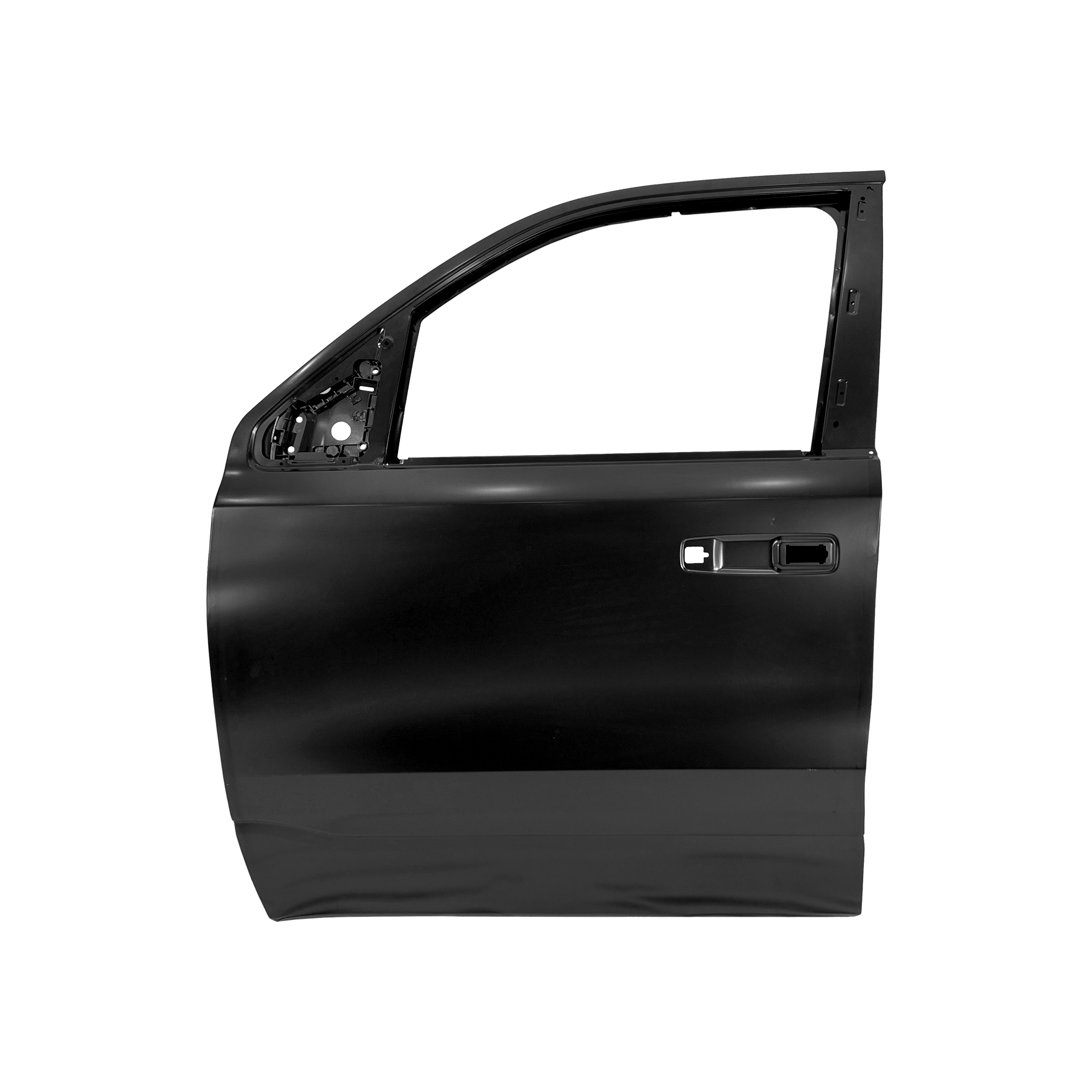 REPLACEMENT FRONT DOOR LH, 2019, FOR DODGE RAM 1500, 68292435AC, (STEEL)
-
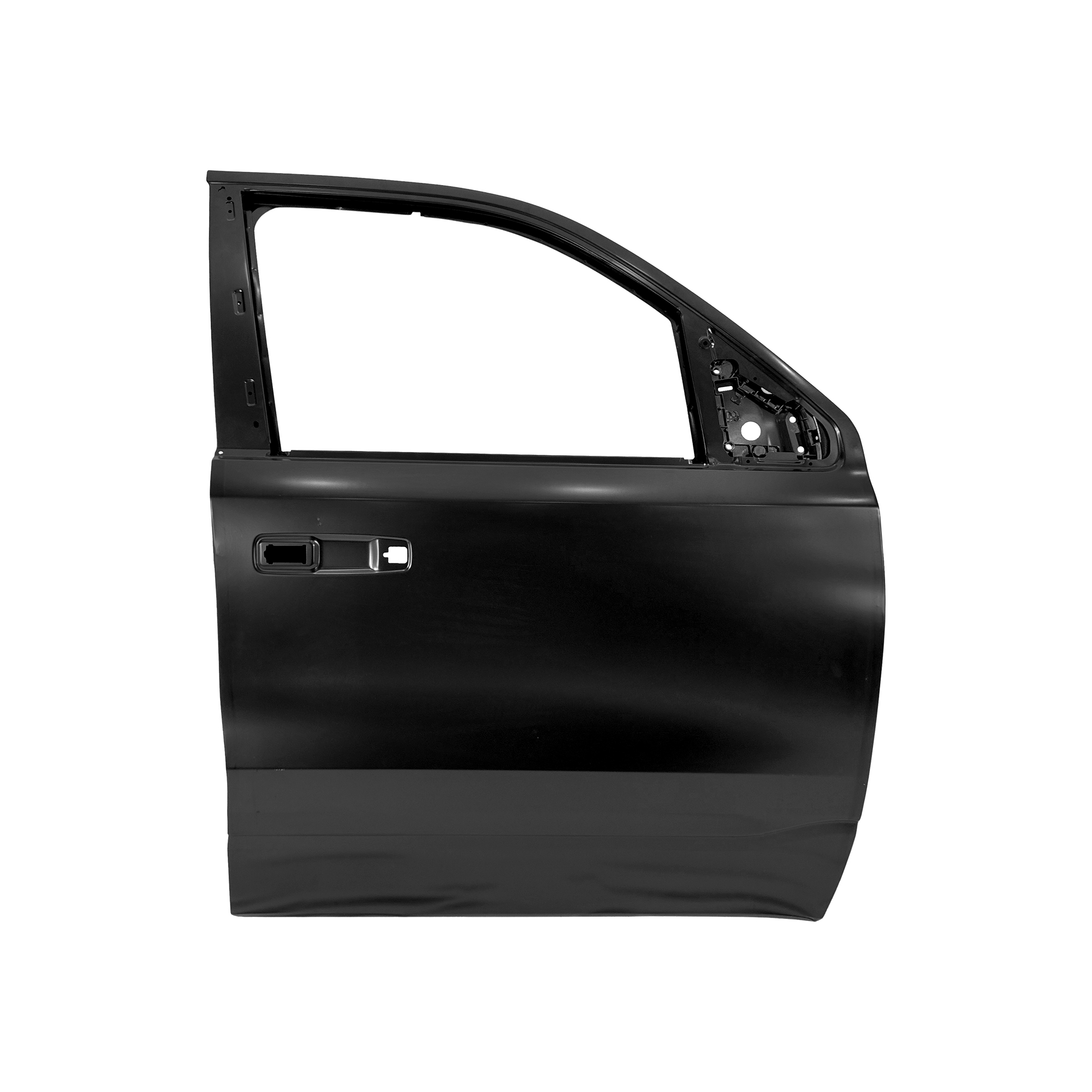 REPLACEMENT FRONT DOOR RH, 2019, FOR DODGE RAM 1500, 68292434AC, (STEEL)
Copyright @ Jiangsu Juncheng Vehicle Industry Co., Ltd. All Rights Reserved.
