
 English
 Español
 عربى
عربى русский
 中文简体
中文简体
Are Genuine BYD Replacement Parts Better Than Aftermarket Auto Body Replacement Parts
The Growing Global Demand for BYD Replacement Parts
As the penetration of New Energy Vehicles (NEVs) continues to rise globally, the demand for high-quality BYD replacement parts has seen explosive growth. This phenomenon is driven not only by the increasing number of vehicles on the road but also by the fundamental structural differences between NEVs and traditional internal combustion engine (ICE) vehicles. These differences impose stricter requirements on the precision and materials of auto body replacement parts during maintenance and post-accident repairs.
Key Drivers of Market Demand
Growing Vehicle Population: With various pure electric and hybrid models entering households, the replacement cycle for routine wear-and-tear items and vulnerable auto body replacement parts, such as bumpers and side mirrors, has arrived.
Global Service Infrastructure: As vehicles are sold worldwide, establishing a stable parts supply system is essential for protecting owner rights. High-quality BYD replacement parts are not just a repair necessity; they are the cornerstone of brand reputation.
Specialization in Collision Repair: Modern vehicle structures integrate numerous sensors and high-strength steels. Following a collision, only auto body replacement parts that meet original factory specifications can restore the vehicle's original safety performance.
Comparison of Component Categories and Technical Features
When selecting BYD replacement parts, understanding the technical parameters of different components is vital. The table below lists the core technical indicators for common body panels and structural parts:
| Category | Common Auto Body Replacement Parts | Key Technical Parameters | Performance Standard |
| Outer Panels | Front fenders, hoods, door shells | Material thickness: 0.7mm - 1.2mm | Dent resistance, paint adhesion, gap fitment |
| Structural Parts | Front rails, crash beams, B-pillar reinforcements | Tensile strength: 1500 MPa or more (Hot-stamped steel) | Energy absorption rate, welding compatibility |
| Lighting Modules | LED headlight assemblies, through-type taillights | Luminous flux (lm), Color temp (K), Fog rating | IP67 waterproof, adaptive high-beam response |
| Seals & Fittings | Windscreens, door seals | Shore A hardness, Light transmittance | Noise insulation (NVH), UV aging resistance |
Evolution of the Core Component Supply Chain
Early parts supply focused mainly on basic consumables, but the current market for BYD replacement parts has expanded into complex Electronic Control Units (ECUs) and integrated die-cast body components. For repair shops, obtaining precise data for auto body replacement parts—such as hole alignment and clip positions—is key to reducing labor hours and ensuring repair quality.
This pursuit of precision means that the production of BYD replacement parts is no longer simple replication; it requires mold development capabilities highly synchronized with the original vehicle. Whether it is an aerodynamic air deflector or the internal components of a flush door handle, every auto body replacement part directly impacts the vehicle's drag coefficient and energy consumption.
Navigating the Spectrum of Auto Body Replacement Parts
In the NEV era, body repair is no longer just about visual restoration; it is a precision engineering task involving material science and electronic calibration. Auto body replacement parts must be designed to balance structural rigidity with lightweighting to ensure the vehicle maintains its original safety ratings and range performance after repair.
Structural vs. Cosmetic Components
Structural Components: These parts form the safety cage of the vehicle, such as front longitudinal rails, B-pillar reinforcements, and crash beams. When choosing these BYD replacement parts, tensile strength is the core metric. Many core parts utilize hot-stamped steel with strengths exceeding 1500 MPa, providing critical energy absorption and transfer during an impact.
Cosmetic Components: These include fenders, outer door panels, and hoods. While they do not directly bear structural loads, they have a direct impact on the vehicle's drag coefficient (Cd). High-quality auto body replacement parts must possess extreme dimensional accuracy to ensure that gap and flush measurements meet factory standards.
Material Comparison: Aluminum Alloy vs. High-Strength Steel
Modern vehicle bodies utilize multi-material hybrid designs. The table below compares the parameters of two mainstream materials commonly found in BYD replacement parts:
| Parameter | High-Strength Steel (HSS) | Aluminum Alloy (e.g., A360) |
| Density | 7.8 g/cm3 | 2.7 g/cm3 |
| Tensile Strength | 500 - 1500+ MPa | 160 - 320 MPa |
| Thermal Conductivity | Lower | 110 W/mK (Excellent) |
| Applications | A/B pillars, crash beams, chassis rails | Motor housings, suspension brackets, panels |
| Repair Method | Traditional welding, pulling/correction | Specialized Al-welding, riveting, replacement |
Sensor Integration and Calibration Requirements
As NEVs are widely equipped with Advanced Driver Assistance Systems (ADAS), the role of auto body replacement parts has changed. Bumpers, windscreens, and even side mirror housings now serve as carriers for radars and cameras.
Radar Transparency: Certain auto body replacement parts, such as front bumpers, have strict limits on paint thickness and material composition to ensure millimeter-wave radar can penetrate the cover to accurately detect obstacles.
Bracket Precision: Sensor brackets within BYD replacement parts must achieve millimeter-level installation accuracy. A deviation of just 1 degree in sensor angle can result in a detection error of several meters at a distance of 100 meters.
Post-Repair Calibration: Any replacement of auto body replacement parts involving sensor displacement must be followed by static or dynamic calibration using professional electronic diagnostic equipment.
Essential Components for BYD Electric and Hybrid Models
The internal architecture of NEVs differs significantly from traditional cars, which directly dictates the core composition of BYD replacement parts. Whether for Battery Electric Vehicles (BEV) or Super Hybrid (DM-i/DM-p) models, part replacement involves high-voltage safety and precise thermal management logic.
Core Power and Protection Components
Blade Battery Tray and Cover: As part of the chassis structure, the battery pack enclosure is a vital auto body replacement part. It uses a honeycomb-like aluminum structure to absorb energy and protect cells during a collision. When replacing these BYD replacement parts, sealing ratings (IP67/IP68) must meet extremely high standards.
EHS (Electric Hybrid System) Brackets: For hybrid models, the dual weight of the engine and motor places higher demands on body mounting points. Matching auto body replacement parts must possess superior fatigue resistance and vibration damping.
Charging Port Assembly: This is a precision BYD replacement part containing high-voltage DC/AC interfaces, electromagnetic locking mechanisms, and temperature sensors.
Technical Parameters: Battery Systems and Thermal Management
| Component | BYD Replacement Parts Function | Technical Specifications | Repair/Replacement Key Point |
| Battery Bottom Guard | Protects against road debris and scraping | Strength: 1200 MPa or more | Check bolt torque and anti-corrosion coating |
| Liquid Cooling Plate | Maintains cells in 30-60C zone | Pressure Rating: 2.0 MPa or more | No bending; pressure test required after install |
| PTC Water Heater | Heats battery and cabin in cold weather | Voltage: 250V - 750V DC | Requires insulation test to prevent leakage |
| High-Voltage Harness | Connects battery, ECU, and motor | Insulation Resistance: 100 M-Ohm or more | Must use parts with electromagnetic shielding |
Why Quality Matters: Genuine vs. Aftermarket Options
When selecting BYD replacement parts, owners and shops typically face a choice between Genuine/OEM parts and Aftermarket options. For complex auto body replacement parts, this is a deep trade-off between structural safety and electronic system compatibility.
Genuine vs. Aftermarket: The Essential Differences
Genuine BYD Replacement Parts: Produced by the vehicle manufacturer or designated suppliers. Their advantage is zero deviation fitment, especially for auto body replacement parts like front bumpers with integrated sensors, ensuring that gaps, clips, and brackets align perfectly.
Aftermarket Auto Body Replacement Parts: Produced by independent manufacturers. While prices are attractive, quality varies. High-quality aftermarket parts (CAPA or NSF certified) can match OEM durability, but uncertified parts may cut corners on material thickness.
Quality Standard Comparison
| Metric | Genuine BYD Replacement Parts | Certified Aftermarket (CAPA/NSF) | Non-Certified Aftermarket |
| Material Consistency | 100% matches OEM grade | Reaches 95% or more of OEM properties | May use thinner or lower-grade steel |
| Coating Process | EDP coating, 10+ years rust resistance | Salt-spray tested for high resistance | Basic primer; prone to early rusting |
| Electronic Compatibility | Bracket precision 0.5mm or less | Tested for vehicle fitment | May require manual drilling |
| Warranty Policy | Official nationwide warranty | Manufacturer-provided limited warranty | Little to no warranty provided |
Critical Decisions: Where to Prioritize Quality?
Safety Structures: Components like A-pillars, B-pillars, and front rails are critical for survival space. It is strongly recommended to use genuine BYD replacement parts here to ensure proper heat treatment and material strength.
Exterior Panels: For fenders or door skins, certified high-end auto body replacement parts are viable, but paint adhesion tests must be noted to avoid peeling over time.
Technical Focus: Precision Engineering in Modern BYD Parts
Modern vehicle repair has evolved beyond simple panel beating. With ADAS becoming standard, auto body replacement parts have become carriers for precision sensors and aerodynamic designs. When replacing BYD replacement parts, any minor specification deviation can cause a chain reaction.
Sensor Calibration and Electronic Compatibility
Radar Transparency: The front bumper is a core auto body replacement part where material density and coating thickness are strictly calculated. Non-standard materials can attenuate signals, causing AEB or ACC systems to fail.
Absolute Bracket Precision: Sensor brackets in BYD replacement parts must not deviate by more than 0.1 degree. OEM-spec brackets ensure the sensor stays on the correct physical baseline.
Aerodynamic Parameter Comparison
| Component | Auto Body Replacement Parts Factor | Design Tolerance | Impact on Efficiency |
| Active Grille Shutter | Blade angle and sealing | 1.5 degrees (+/-) | Failure to close increases drag by 3% |
| Side Mirror Housing | Streamline design and gaps | 0.5 mm or less | Irregular gaps cause high-frequency wind noise |
| Rear Diffuser | Installation height and flatness | 2.0 mm (+/-) | Affects underbody airflow and lift |
Sourcing and Logistics: Getting Parts to the Global Market
As of 2026, an efficient logistics network is core to the owner experience. The supply of BYD replacement parts involves a digital management system for warehousing and distribution.
Transportation Modes and Lead Times
| Mode | Applicable Auto Body Replacement Parts | Lead Time | Cost Factor |
| Air Express | Sensors, ECUs, small fasteners | 3 - 5 Days | High |
| Air Freight | Light assemblies, mirrors, alloy wheels | 7 - 10 Days | Medium-High |
| Ocean Freight | Hoods, door shells, battery casings | 25 - 40 Days | Low |
| Rail Freight | Full range of BYD replacement parts | 15 - 20 Days | Medium |
Cost Analysis and Value Retention
The choice of auto body replacement parts directly affects the vehicle's residual value in the used car market.
Cost vs. Value Comparison
| Repair Strategy | Auto Body Replacement Parts Used | Relative Cost | 3-Year Resale Value |
| Full OEM Repair | Genuine parts + official calibration | 100% (Base) | 65% - 70% |
| Certified Repair | High-quality certified + OEM electronics | 70% - 80% | 58% - 62% |
| Non-Certified | Low-cost parts + manual adjustment | 40% - 50% | 45% - 50% |
DIY vs. Professional Installation for BYD Owners
DIY-Friendly Basic Parts
Owners can often replace non-structural BYD replacement parts: Wear items like wipers, mudguards, door edge protectors, and cabin air filters.
Professional Necessity
Scenario-critical auto body replacement parts must be handled by pros. High-voltage interlocks require insulation testing before part replacement, and replacing rails or beams requires a hydraulic frame machine to ensure geometry.
Comprehensive FAQ and Knowledge Base
How do I accurately identify the correct part number for my model?
The most reliable way is using the VIN (Vehicle Identification Number). Through the Electronic Parts Catalog (EPC), the VIN pinpoints the exact production batch. Because auto body replacement parts undergo frequent Engineering Change Requests, even same-year models may have different clip positions.
Why is paint thickness on body parts so critical?
Modern BYD replacement parts like grilles often hide radar. If paint thickness exceeds 150 microns or contains too many metallic particles, it can block the radar signal entirely.
Technical Knowledge: CTB (Cell to Body) and Parts Replacement
In 2026, many newer models use CTB technology where the battery pack top cover doubles as the vehicle floor. If chassis-related auto body replacement parts are severely deformed, traditional pulling may damage battery sealing. Replacement of these BYD replacement parts must occur at high-voltage certified stations.
How should I inspect auto body replacement parts upon delivery?
Check Coating: Valid parts should have uniform EDP black primer without runs or rust. Verify Stamps: Genuine or certified parts will have clear laser-etched part numbers and material IDs. Alignment Test: Before removing protective film, pre-align the part to the car body to check that hole deviation is within 1.0mm (+/-).
-
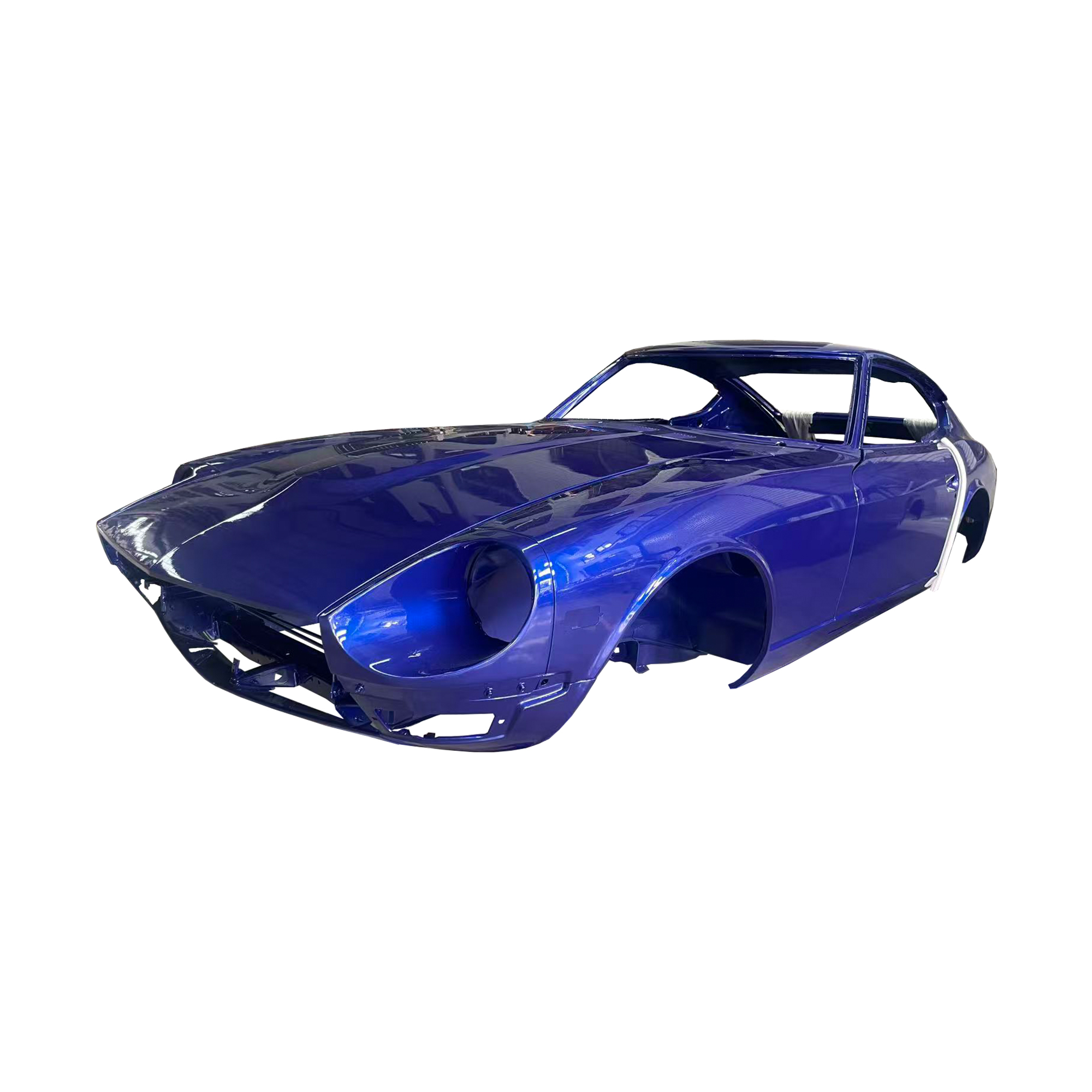 REPLACEMENT COMPLETE CAR BODY ASSEMBLY, 1969-1973, FOR NISSAN DATSUN 240Z
-
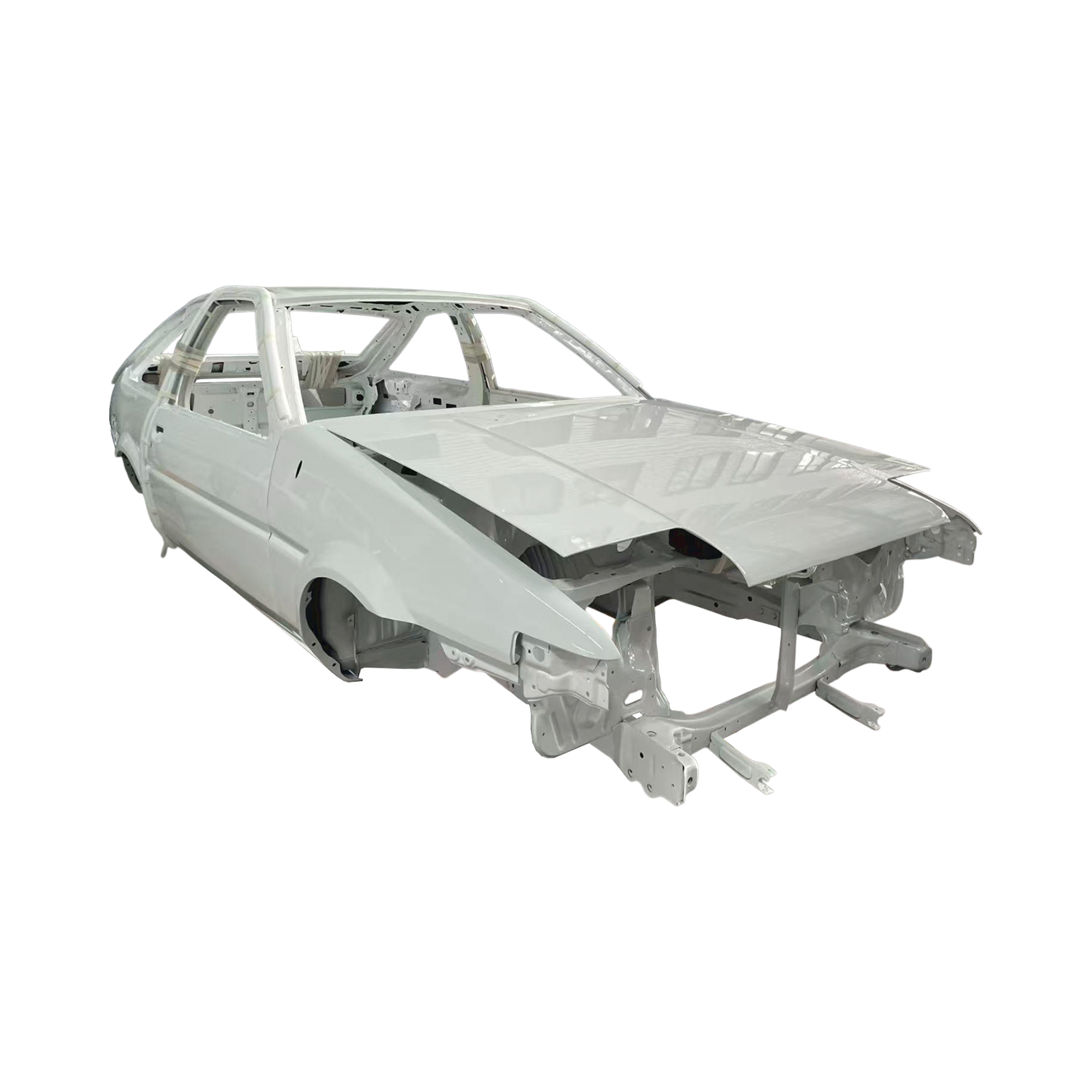 REPLACEMENT COMPLETE CAR BODY ASSEMBLY, 1983-1987, FOR TOYOTA AE86
-
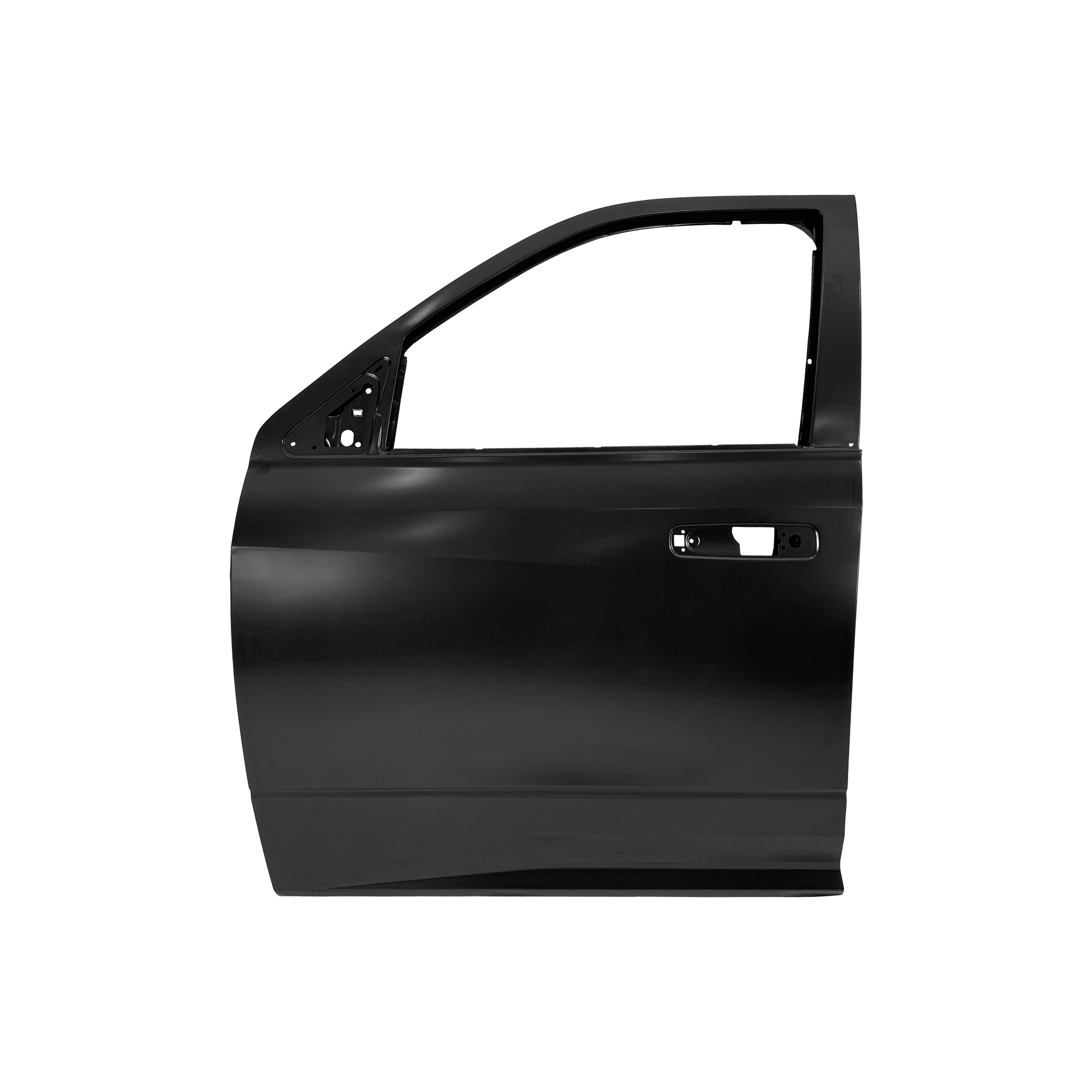 REPLACEMENT FRONT DOOR LH, 2013-2018, FOR DODGE RAM 1500, 68144729A, (STEEL)
-
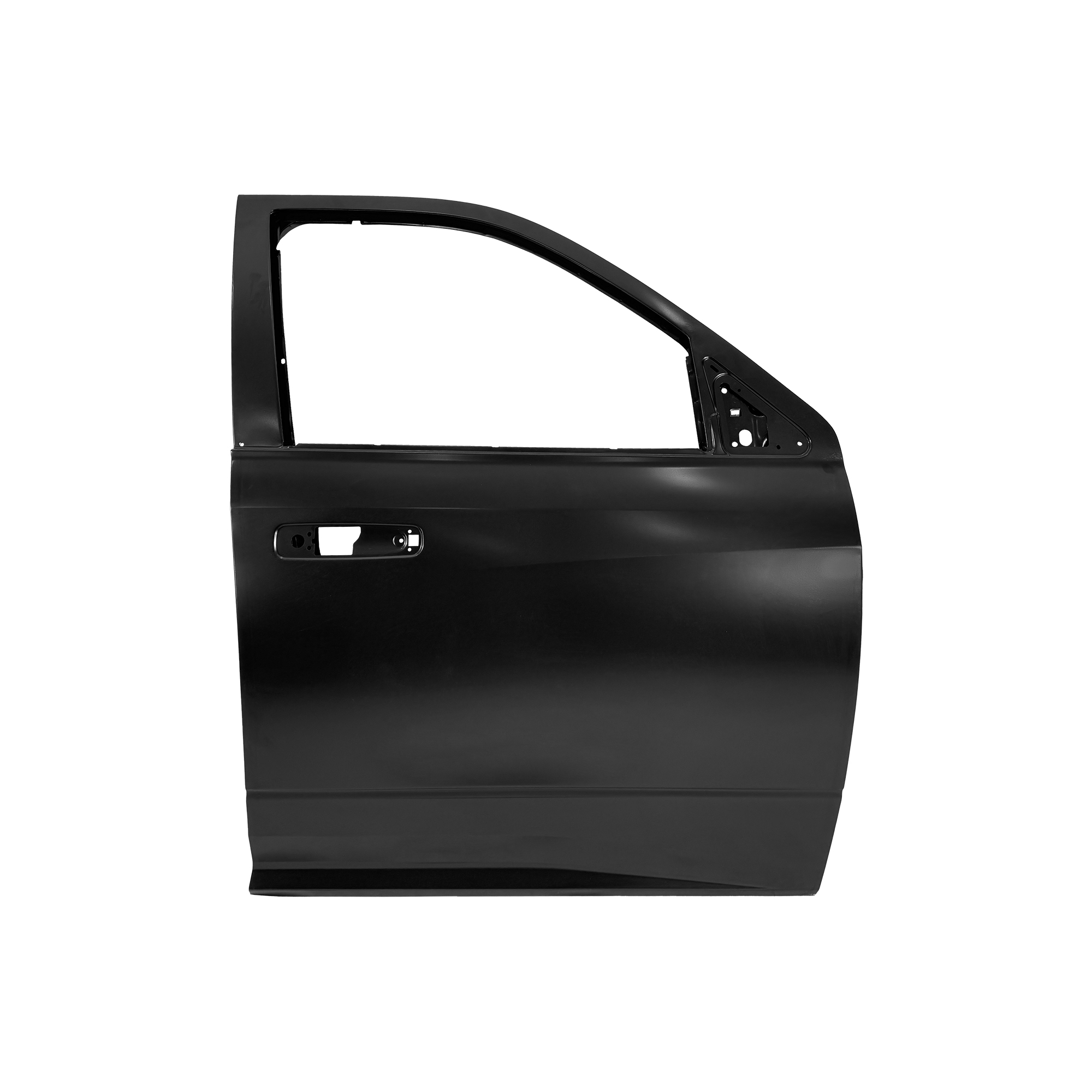 REPLACEMENT FRONT DOOR RH, 2013-2018, FOR DODGE RAM 1500, 68144728A, (STEEL)
-
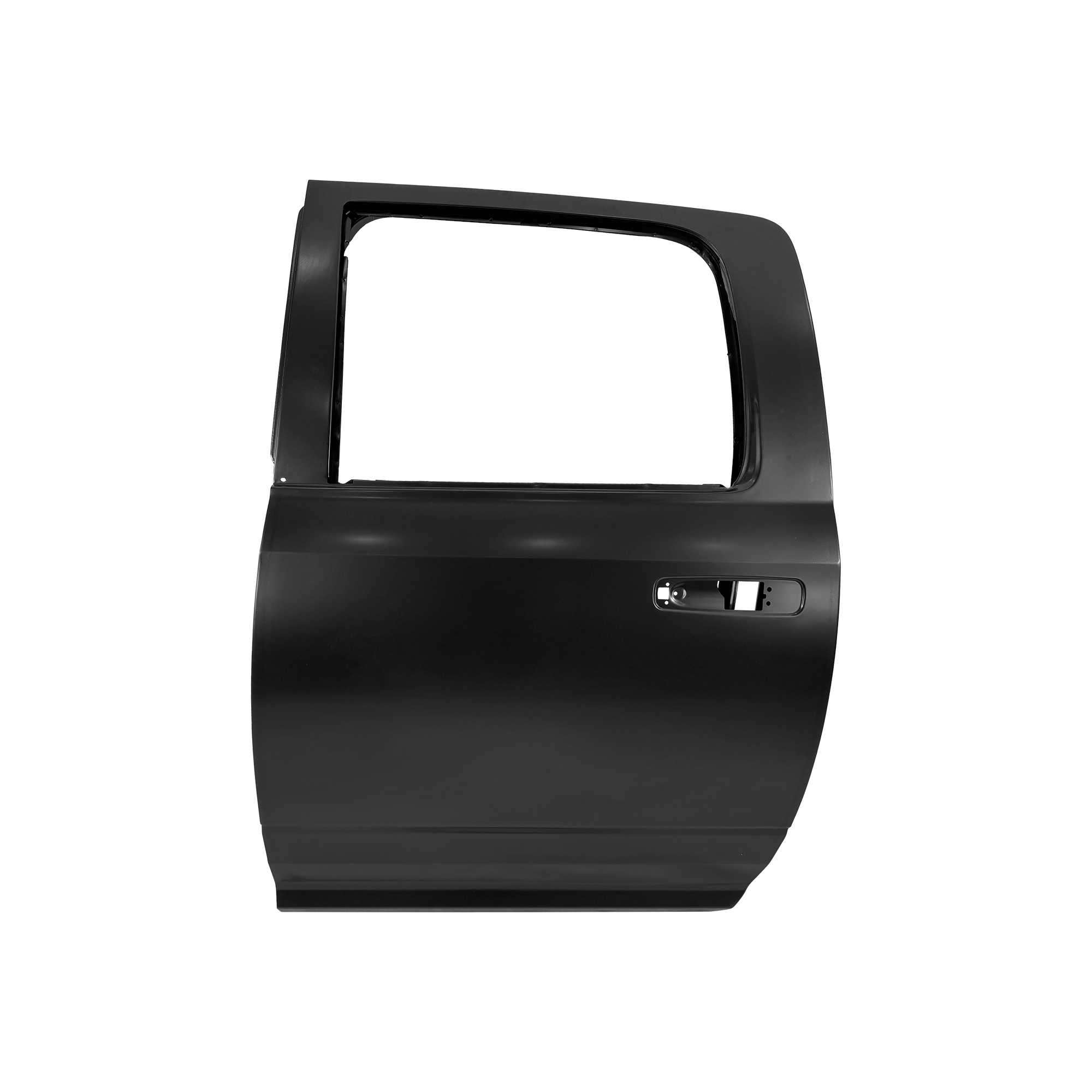 REPLACEMENT REAR DOOR LH, 2013-2018, FOR DODGE RAM 1500, 4589873A, (STEEL)
-
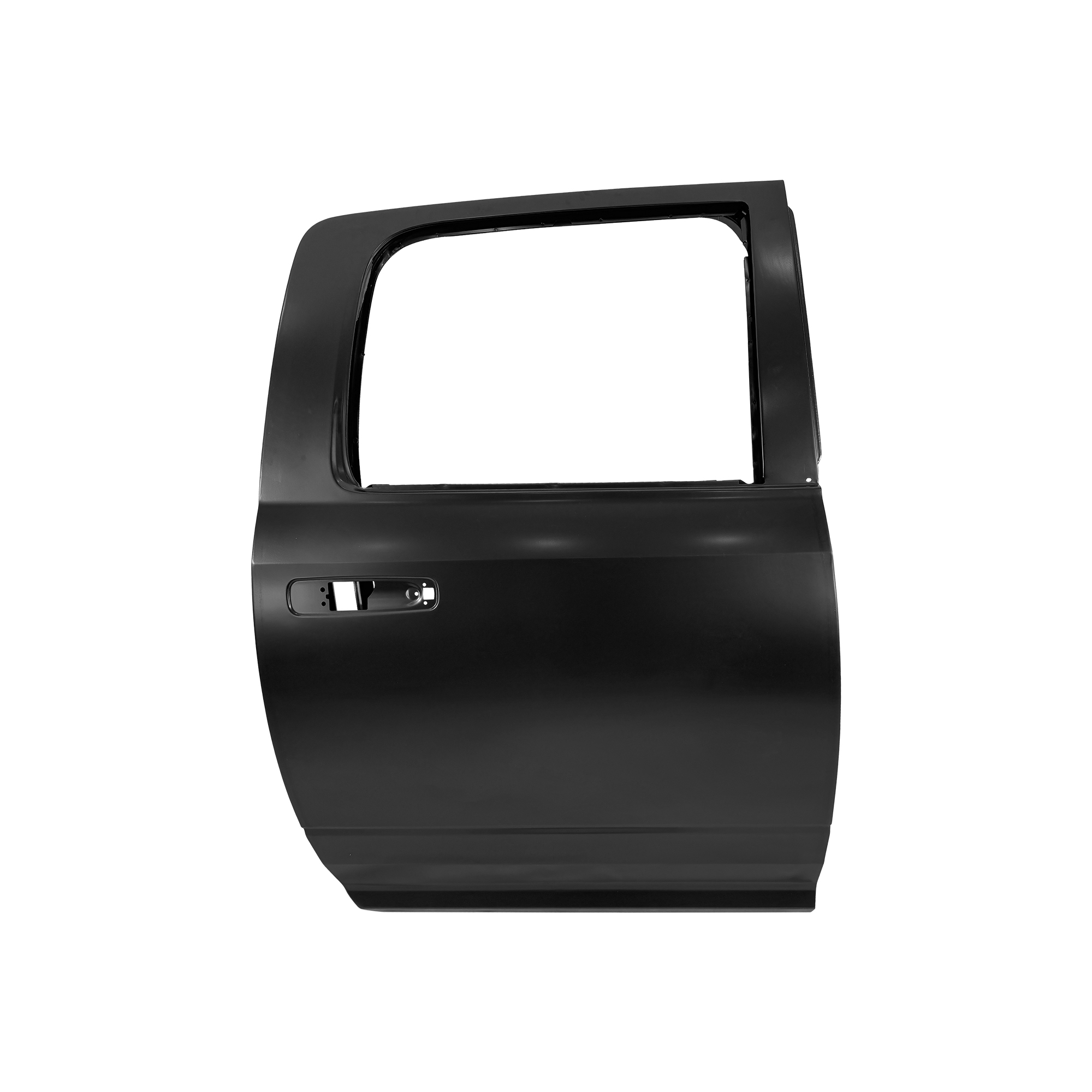 REPLACEMENT REAR DOOR RH, 2013-2018, FOR DODGE RAM 1500, 4589872A, (STEEL)
-
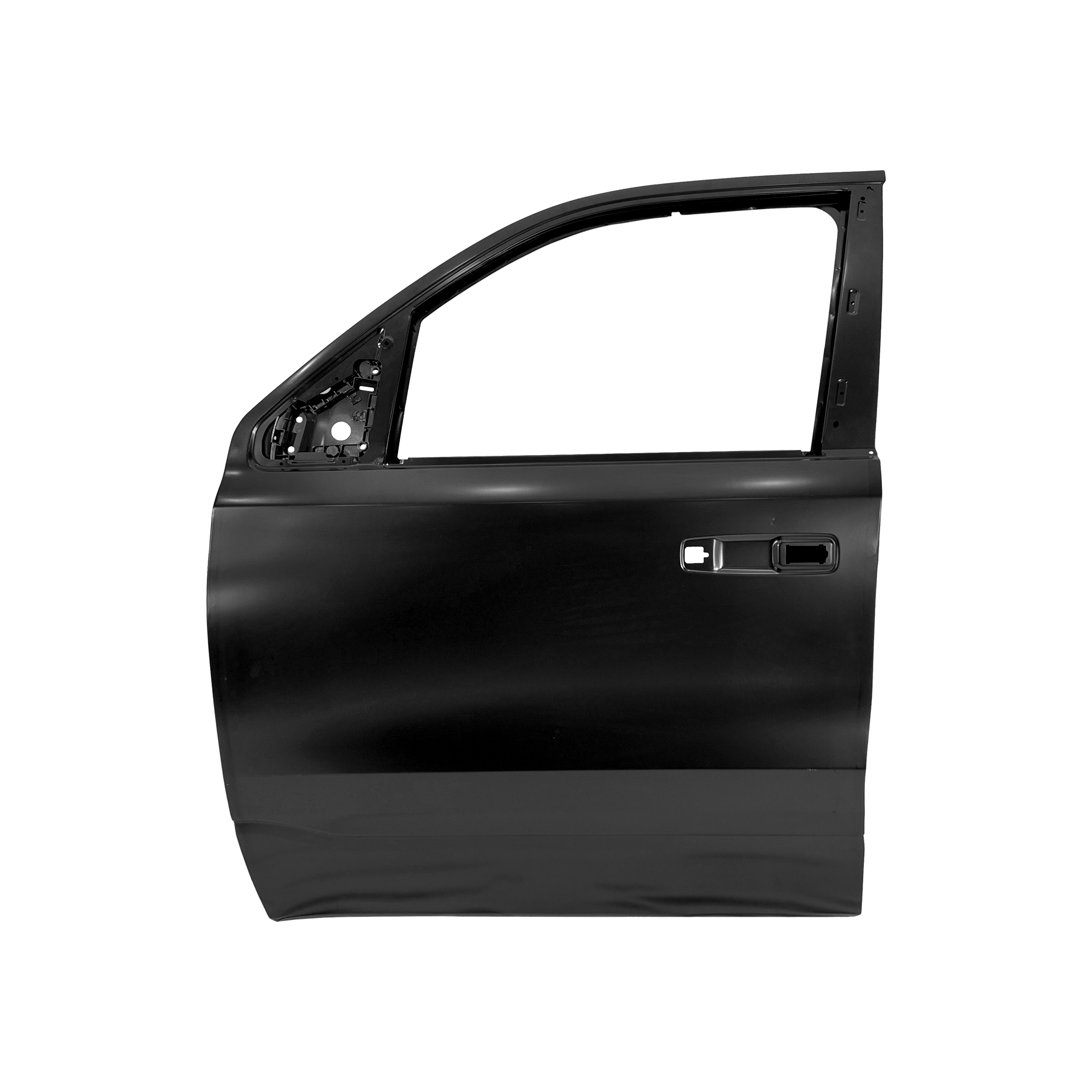 REPLACEMENT FRONT DOOR LH, 2019, FOR DODGE RAM 1500, 68292435AC, (STEEL)
-
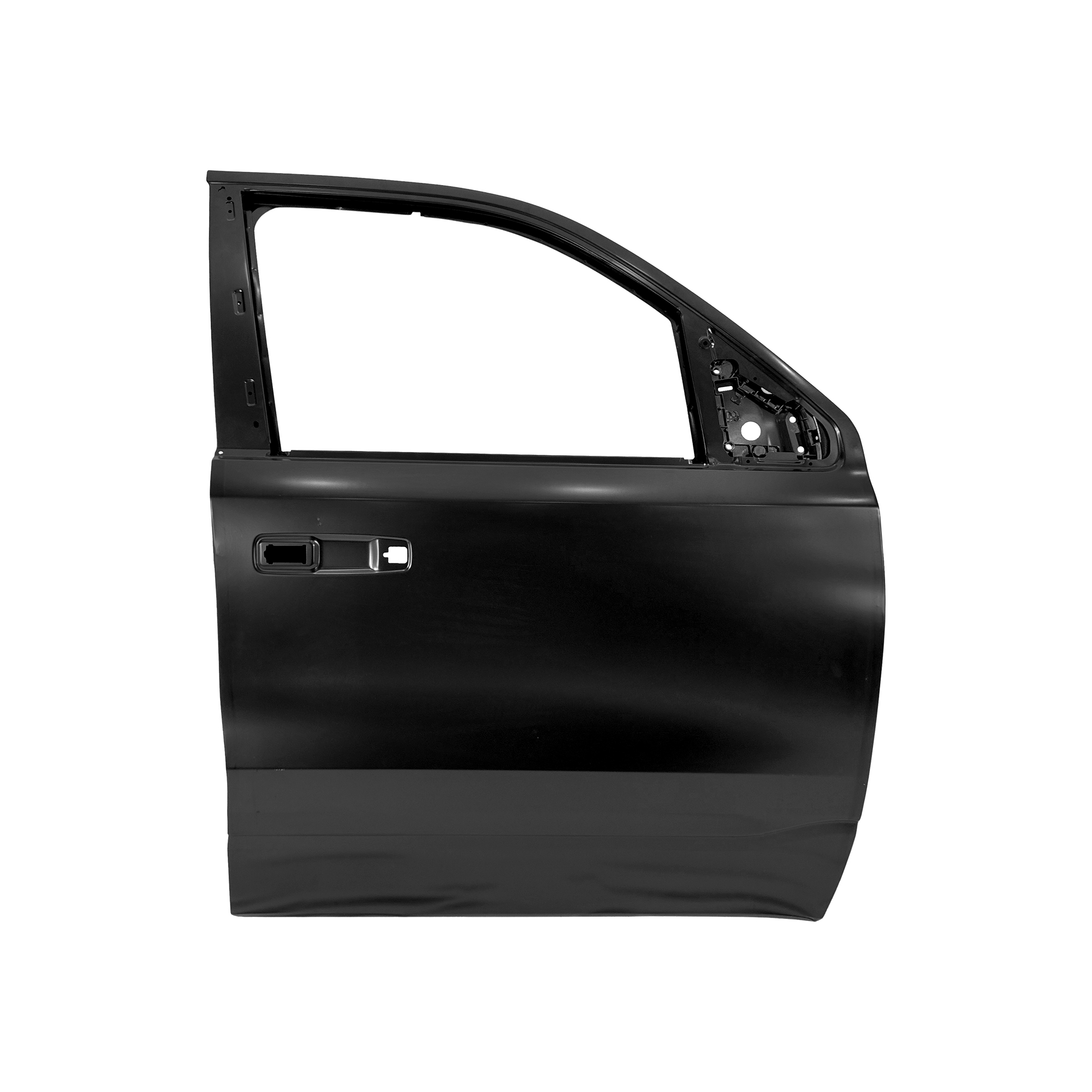 REPLACEMENT FRONT DOOR RH, 2019, FOR DODGE RAM 1500, 68292434AC, (STEEL)
Copyright @ Jiangsu Juncheng Vehicle Industry Co., Ltd. All Rights Reserved.
